Amatera secures € 6 million seed

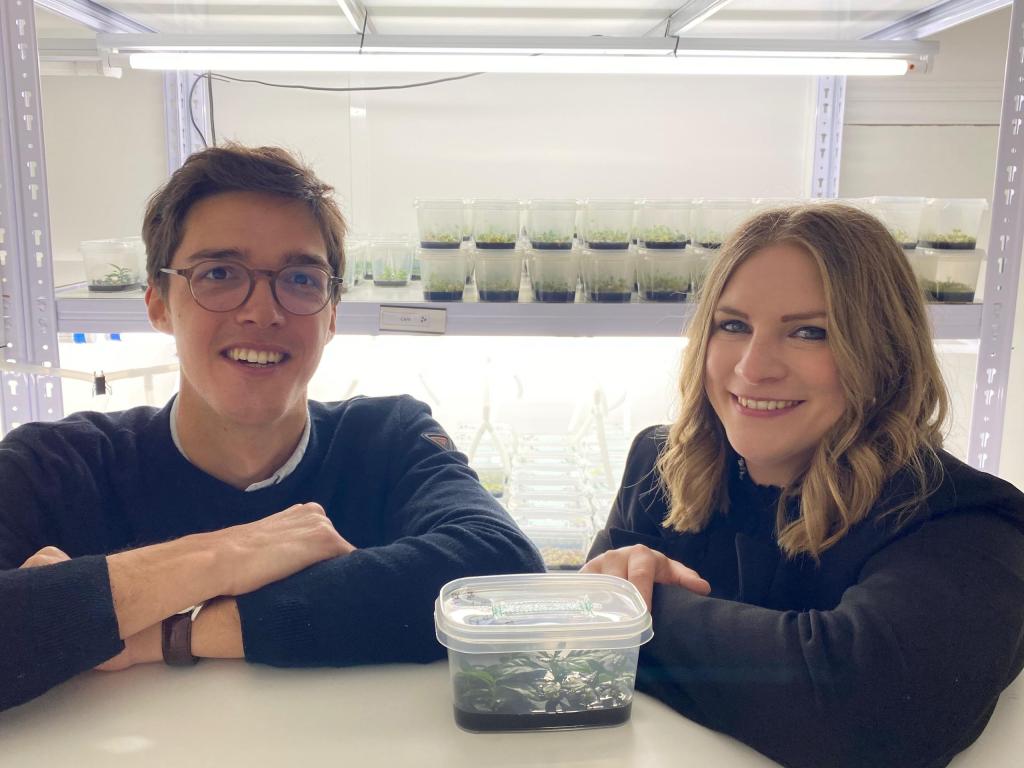
The Paris-based biotech company Amatera, founded in 2022, has closed a seed financing round of 6 million euros. The round was co-led by Demea Sustainable Investment (formerly Demeter) and Oyster Bay Venture Capital. Existing investors PINC, Mudcake and Exceptional Ventures also participated.
Amatera intends to use the fresh capital to accelerate the development of climate-resistant plants and further industrialize its technology platform.
Cellular analysis meets robotics and AI
One of the biggest challenges in plant breeding is the lengthy and cost-intensive process of developing and validating new varieties. This is precisely where Amatera comes in: The company's proprietary platform combines advanced plant cell biology with robotics and artificial intelligence to identify and predict high-performance traits at the cellular level.
According to the company, this makes the process up to twice as fast and ten times more cost-efficient than current industry standards. By identifying natural cellular variation at an early stage, non-GMO varieties can be developed and evaluated faster.
Focus on coffee and grapevines
Initially, Amatera concentrated on developing its own varieties of grapevines and coffee plants. The aim is to make perennial crops more resistant to climate stress and disease.
In the coffee sector, the company is working on varieties that tolerate higher temperatures and stronger pathogen pressure while maintaining premium flavor profiles. In grapevines, the focus is on developing disease-resistant varieties in order to reduce the use of chemical agents and ensure the long-term stability of important wine regions.
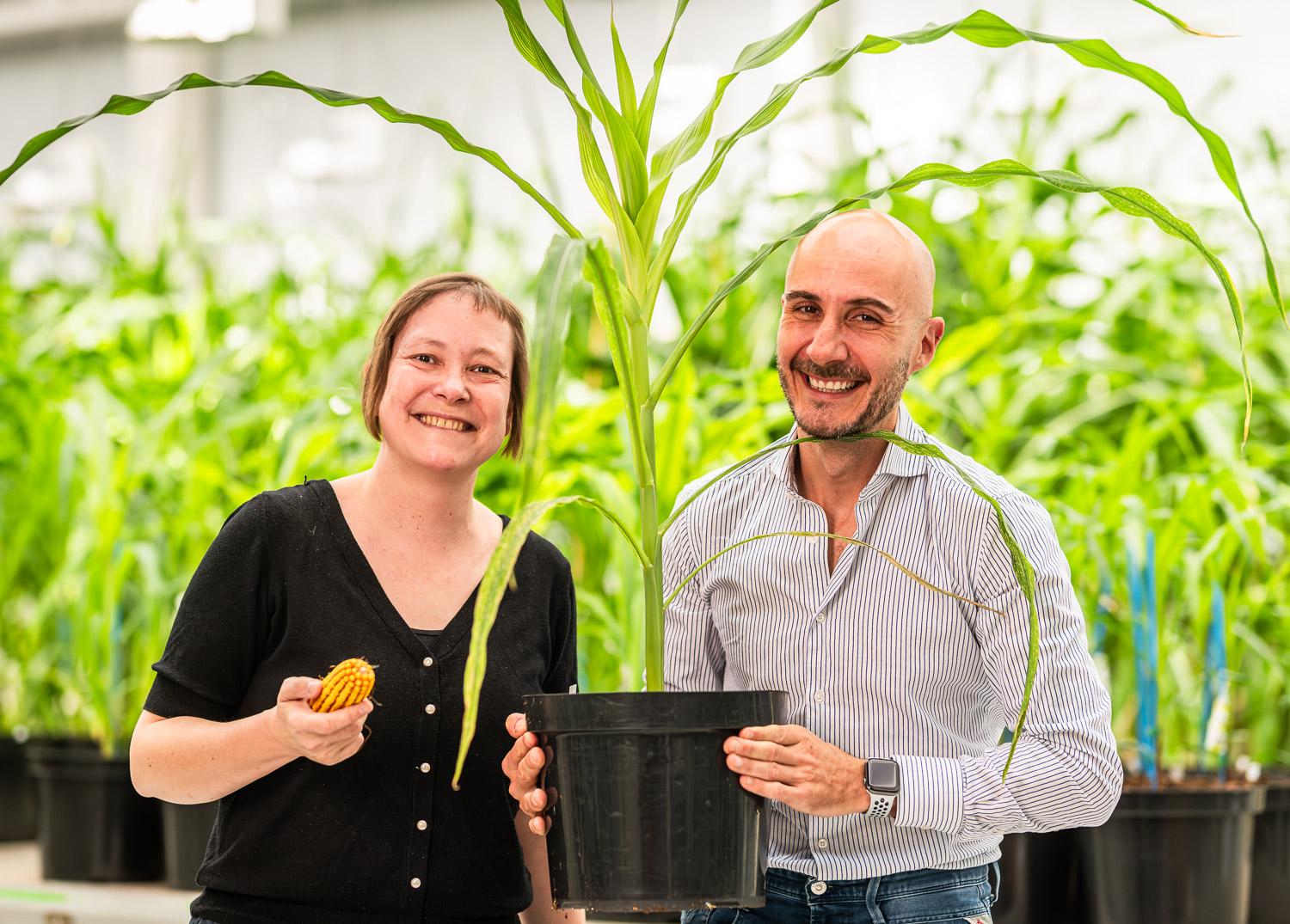
CEO and co-founder Omar Dekkiche emphasizes that the conventional breeding of new coffee or grape varieties can take more than 20 years and cost millions. Amatera wants to drastically shorten this period and thus counter the speed of climate change with technology.
Expansion into annual crops
With the new capital, Amatera is now planning to expand its platform to annual crops, including vegetables and row crops. At the same time, automation is to be further scaled and research and development capacities expanded.
CTO and co-founder Lucie Kriegshauser sees this as the next logical step: in future, the technology should not only address specialty crops such as coffee and wine, but also staple foods that contribute to food security worldwide.
At the same time, Amatera is building strategic partnerships with seed, agricultural and food companies. The aim is to integrate the cellular screening platform into existing commercial breeding programs, shorten development times and increase throughput and efficiency.
Technology for more resilience in agriculture
By automating labor-intensive processes such as plant regeneration, tissue culture and screening, Amatera aims to accelerate breeding progress across traditional and modern technologies - including gene editing, mutation breeding and double haploids.
The investors see the platform as a scalable, non-GMO and cost-effective solution to one of the key challenges facing global agriculture: climate resilience. With the current financing round, Amatera is positioning itself as a technology provider for the next generation of plant breeding.



Newsletter
Startups, stories and stats from the German startup ecosystem straight to your inbox. Subscribe with 2 clicks. Noice.
LinkedIn ConnectFYI: English edition available
Hello my friend, have you been stranded on the German edition of Startbase? At least your browser tells us, that you do not speak German - so maybe you would like to switch to the English edition instead?
FYI: Deutsche Edition verfügbar
Hallo mein Freund, du befindest dich auf der Englischen Edition der Startbase und laut deinem Browser sprichst du eigentlich auch Deutsch. Magst du die Sprache wechseln?