SE3 Raises $30 Million

SE3, a startup spun off from the Technical University of Munich (TUM), has raised $30 million in a Series A funding round. The lead investor is the venture capital firm Accel. Keen, Lakestar, and Seedcamp are also participating. SE3 plans to use the capital to further develop its technology for autonomous systems, hire additional employees, and expand its international presence. In addition to Germany and Ukraine, the company is planning to open a new location in the United Kingdom.
SE3 is developing a software platform for what is known as “spatial intelligence”—that is, the ability of artificial intelligence to recognize spatial relationships and derive actions from them.
While AI systems can already automate numerous digital tasks, navigation and coordination in complex physical environments remain a technical challenge. Autonomous vehicles and drones, in particular, must continuously map their surroundings, detect obstacles, and make decisions based on incomplete or rapidly changing information. The startup sees an opportunity here.
AI Aims to Coordinate Drones and Vehicles Regardless of Manufacturer
SE3’s software combines computer vision with artificial intelligence. It processes sensor data from various unmanned systems and merges it into a shared three-dimensional environmental model. Based on this, drones and ground vehicles should be able to better map their surroundings and coordinate their movements.
A key feature is its manufacturer-independent architecture. The software is designed to integrate into different platforms without requiring their manufacturers to develop their own AI systems for all functions.
In doing so, SE3 addresses a key challenge in modern defense technology: military forces are increasingly deploying unmanned systems from different vendors that must communicate with one another and be operated in a coordinated manner.
Working in defense means our technology has to perform under pressure in the field. We keep that responsibility front and center in everything we do,...
Lukas Köstler, CEO and co-founder of SE3
Among other things, the platform is designed to optimize movement sequences, positioning, and routes within larger formations of autonomous systems. According to the company, control via voice commands is also possible.
Data processing takes place directly on the respective devices, without requiring a permanent connection to external data centers. This so-called edge computing approach is expected to offer particular advantages when communication links are disrupted.
Another challenge is electronic warfare. Targeted jamming or manipulation of satellite navigation signals can cause GPS-dependent systems to lose their orientation.
SE3 is therefore developing its technology for operational conditions under which reliable satellite navigation cannot be assumed.
According to the company, several thousand systems have already been delivered over the past two years. In addition, SE3 is working on several contracts with Ukrainian partners and the German Armed Forces.
Technology partners include HENSOLDT, Auterion, and ERC System, among others.
Spin-off from the Technical University of Munich Plans European Expansion
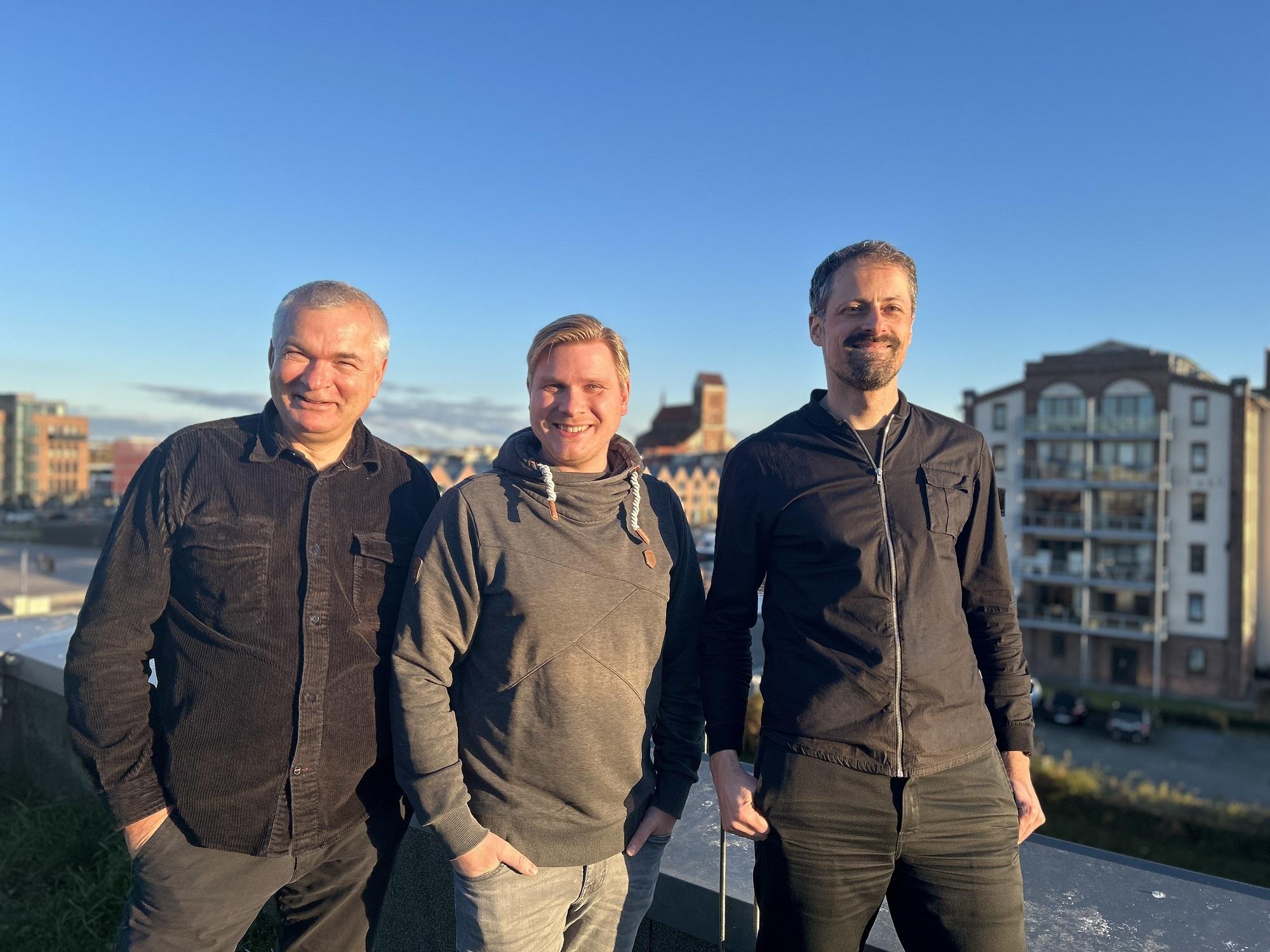
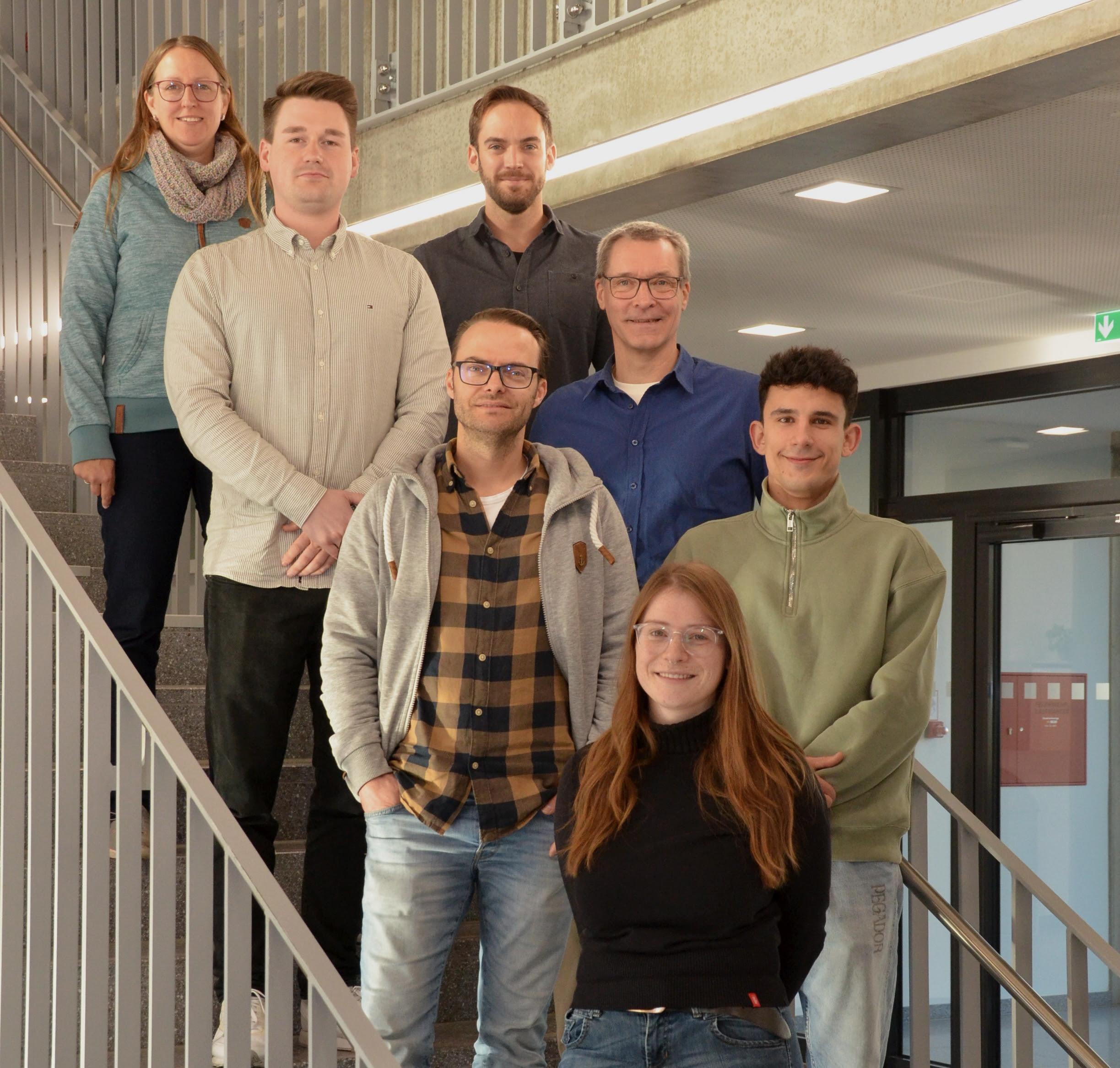
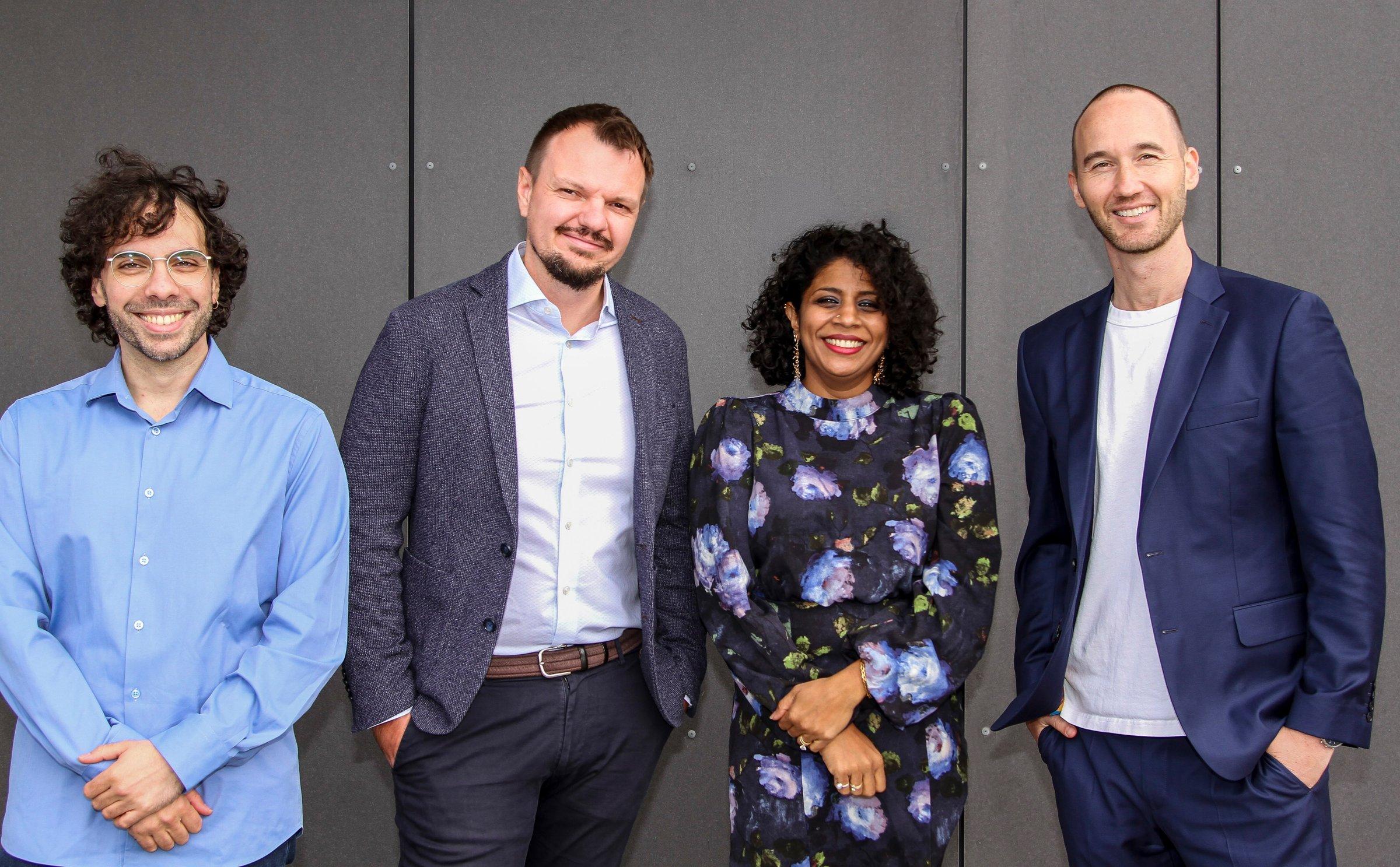
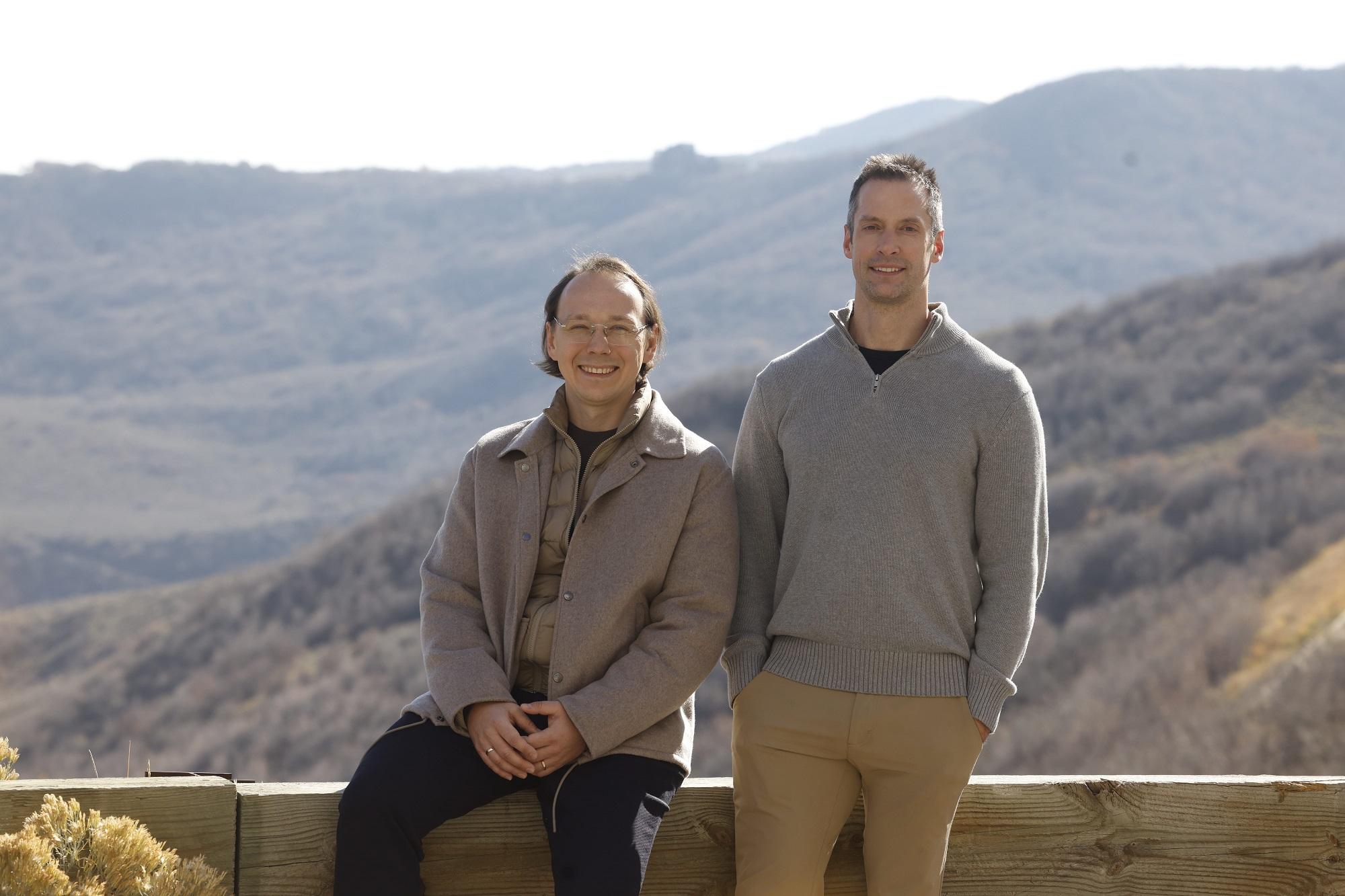
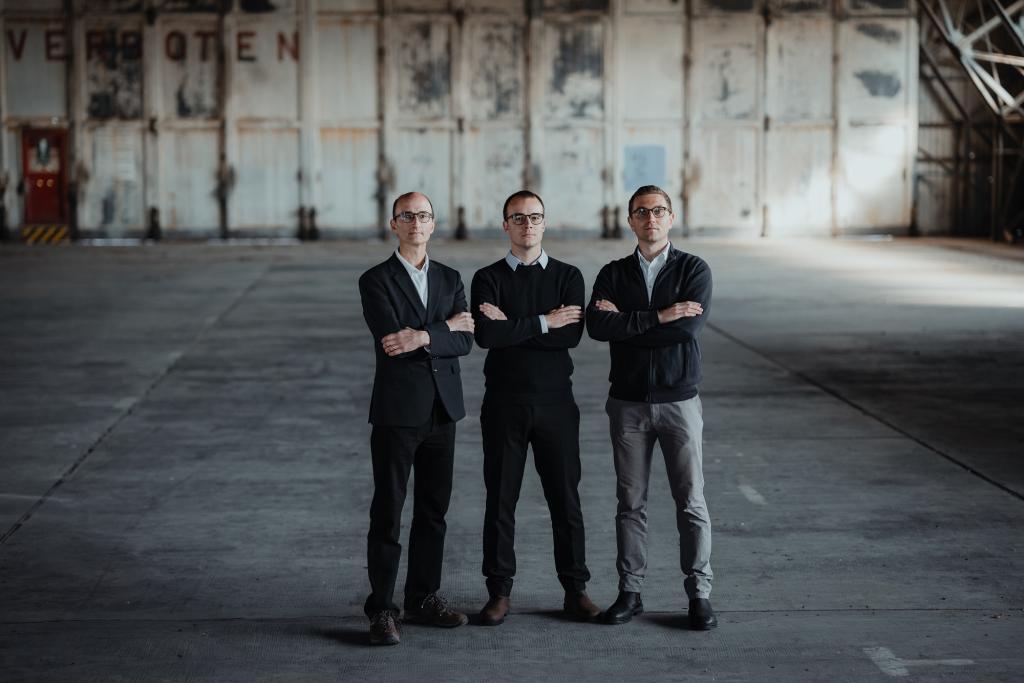
SE3 was founded by CEO Lukas Köstler, CTO Simon Klenk, and Chief Science Officer Professor Daniel Cremers.
The scientific foundations stem from the research environment at the Technical University of Munich. Köstler and Klenk worked there on their doctoral dissertations in the fields of computer vision and robotics.
Co-founder Daniel Cremers heads the Chair of Computer Vision and Artificial Intelligence at TUM. Among other honors, he has been awarded the Gottfried Wilhelm Leibniz Prize.
The combination of university research and practical application in the defense sector forms the basis of the business model.
With the new funding, SE3 intends, in particular, to expand its development, sales, and operations teams. At the same time, the company plans to expand its collaboration with European defense companies and government clients.
With exceptional talent from one of Europe’s leading research departments, the SE3 team is uniquely qualified to take on the challenge of building spatial AI for autonomous systems—something defense prime contractors have found so difficult to achieve.
Matt Robinson, Partner at Accel
The market is also evolving due to new requirements for the interoperability of military systems. Programs such as the Modular Open Systems Approach (MOSA) and the German MOSABw initiative are designed to facilitate the integration of different technologies and manufacturers.
This creates additional market opportunities for independent software providers like SE3.
In the medium term, the company also plans to deploy its technology outside the defense sector. Starting in 2027, applications in robotics, rescue and disaster response operations, and other civilian sectors will be evaluated.
This funding round underscores the growing interest among international investors in European companies that combine artificial intelligence with robotics and autonomous systems.
For SE3, the key factor will be whether the technology can be reliably scaled across different hardware platforms and achieve the necessary performance even under demanding operational conditions.

Newsletter
Startups, stories and stats from the German startup ecosystem straight to your inbox. Subscribe with 2 clicks. Noice.
LinkedIn ConnectFYI: English edition available
Hello my friend, have you been stranded on the German edition of Startbase? At least your browser tells us, that you do not speak German - so maybe you would like to switch to the English edition instead?
FYI: Deutsche Edition verfügbar
Hallo mein Freund, du befindest dich auf der Englischen Edition der Startbase und laut deinem Browser sprichst du eigentlich auch Deutsch. Magst du die Sprache wechseln?