German Business Angels Day 2026

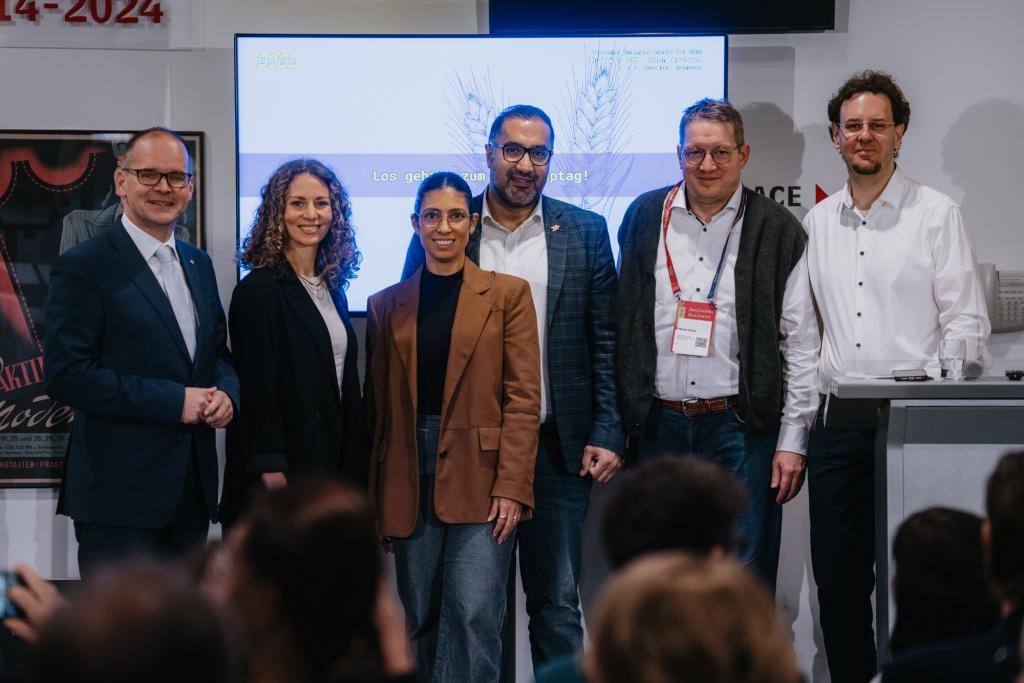
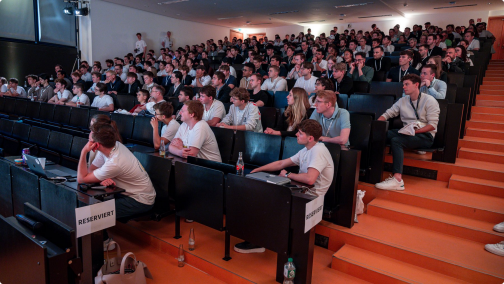
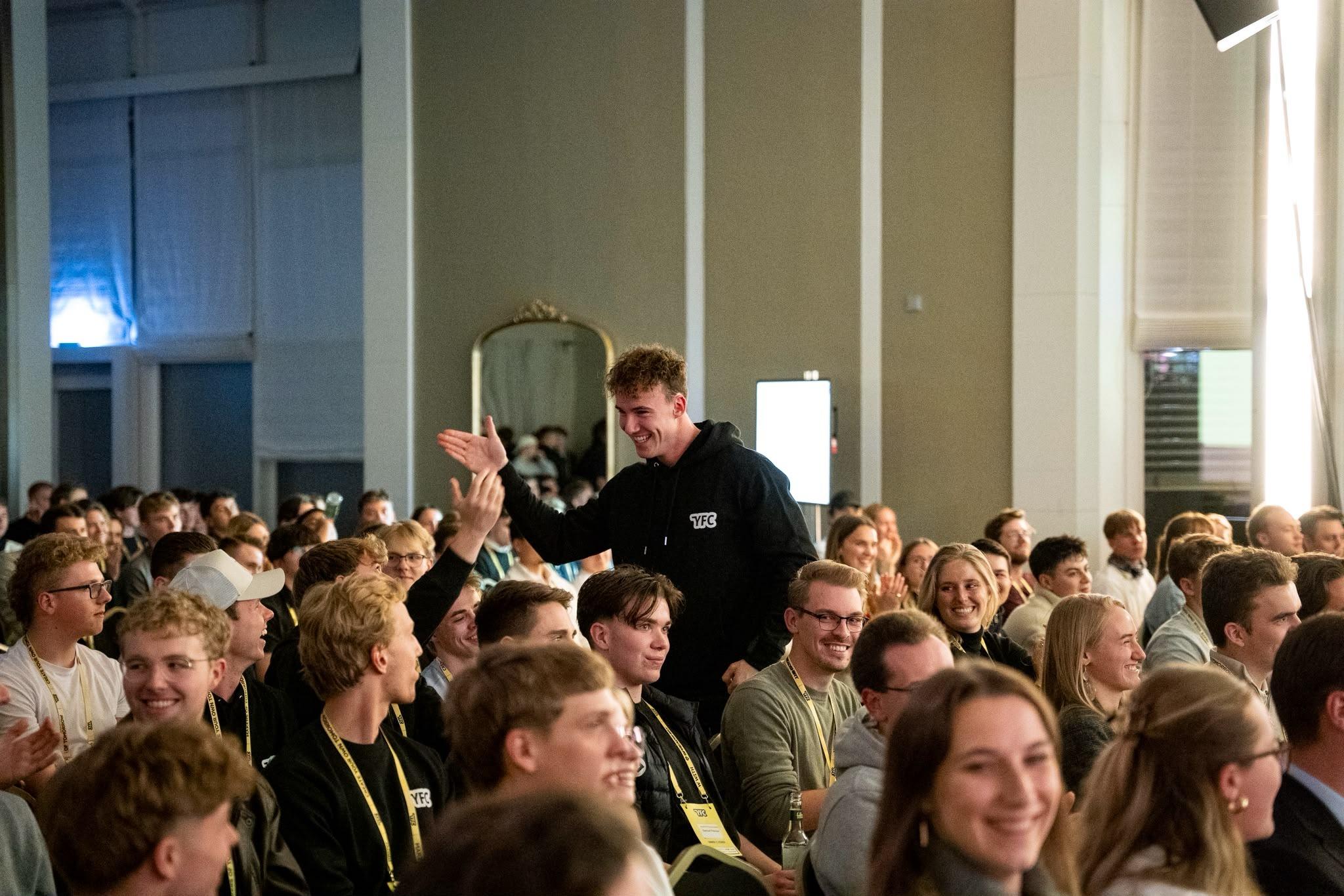
Under the motto “Only those who sow can reap, ” Business Angels Deutschland (BAND) hosted its German Business Angels Day at the Hannover Congress Centrum (HCC) from November 5 to 7, 2026. The three-day event provided a platform for dialogue among private early-stage investors, startups, academia, and policymakers.
In addition to approximately 400 participating business angels, more than 50 speakers from various sectors of the startup ecosystem were in attendance. Political guests included Gitta Connemann, the Federal Government’s Commissioner for Small and Medium-Sized Enterprises and Parliamentary State Secretary; Grant Hendrik Tonne, Lower Saxony’s Minister of Economic Affairs; and Falko Mohrs, Minister of Science.
A key component of the program was the presentation of more than 30 selected startups. These startups had the opportunity to present their business models in short pitches and then engage directly with potential investors.
BAND Chairwoman Katja Ruhnke emphasized the importance of private early-stage investors. According to her, business angels are involved in 74 percent of initial funding rounds. Their role goes beyond simply providing capital.
You can’t transfer experience, but you can share it
Katja Ruhnke, BAND CEO
Personal support for young companies and access to entrepreneurial networks are crucial components of successful early-stage financing.
Financing, Technology Transfer, and Policy Framework
Following an opening evening on Thursday, which focused in particular on the regional startup ecosystem, the main conference day on Friday centered on the structural challenges of early-stage financing.
Topics discussed included government funding instruments such as the INVEST program, tax frameworks for private investments, and ways to more quickly translate scientific research findings into economically successful spin-offs. One topic of discussion was the so-called German Spin-off Framework, which is designed to facilitate technology transfer between research institutions and newly founded companies.
The discussions highlighted that private investors play a crucial role, particularly in the early stages of a company’s development. While institutional venture capital firms often invest only once product development is well advanced or initial market success has been achieved, business angels support many startups as early as the business model development phase.
In addition to capital, they contribute entrepreneurial experience, industry knowledge, and contacts. At the same time, their willingness to invest depends on reliable tax and regulatory conditions.
On Saturday, the focus shifted to the practical work of investors. Following the opening remarks by Lower Saxony’s Minister of Economic Affairs, Grant Hendrik Tonne, more than 20 workshops and in-depth specialized events took place. Topics ranged from evaluating founding teams to the use of artificial intelligence in identifying suitable investments, all the way to investment opportunities in the field of quantum technology.
Martin Giese and Debtist Honored
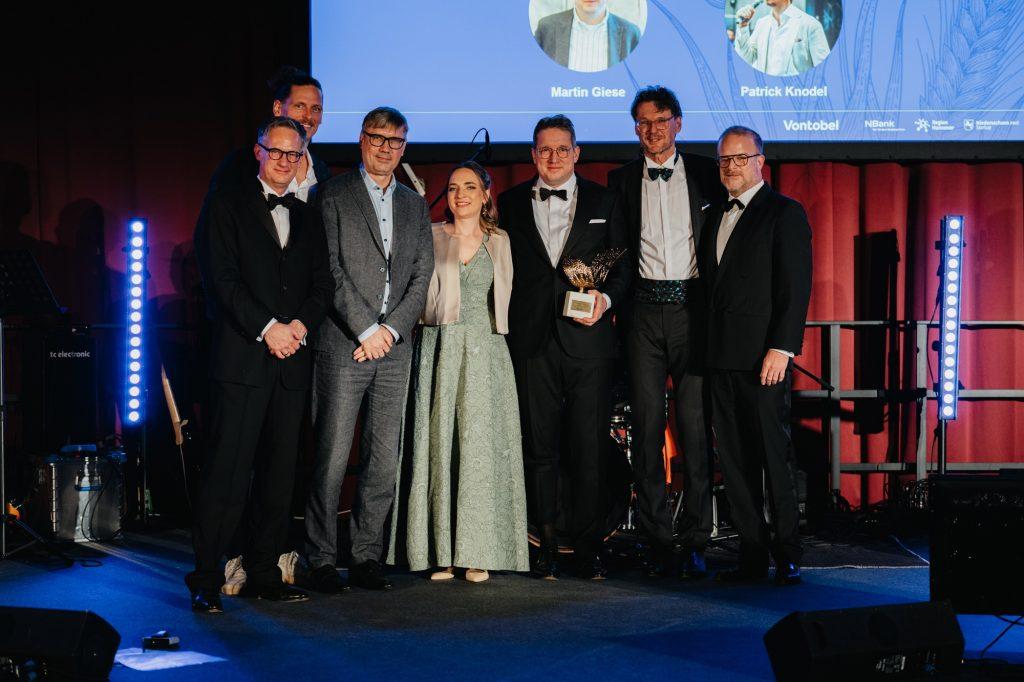
Another highlight of German Business Angels Day was the gala evening on Friday. There, two awards were presented for the first time.
The title “Business Angel of the Year 2026” went to Munich-based investor Martin Giese. The jury, chaired by Federal Minister of Economics Katherina Reiche, particularly recognized his commitment as a strategic sparring partner for his portfolio companies. His support for young founding teams and his commitment to greater diversity within the startup ecosystem were also highlighted.
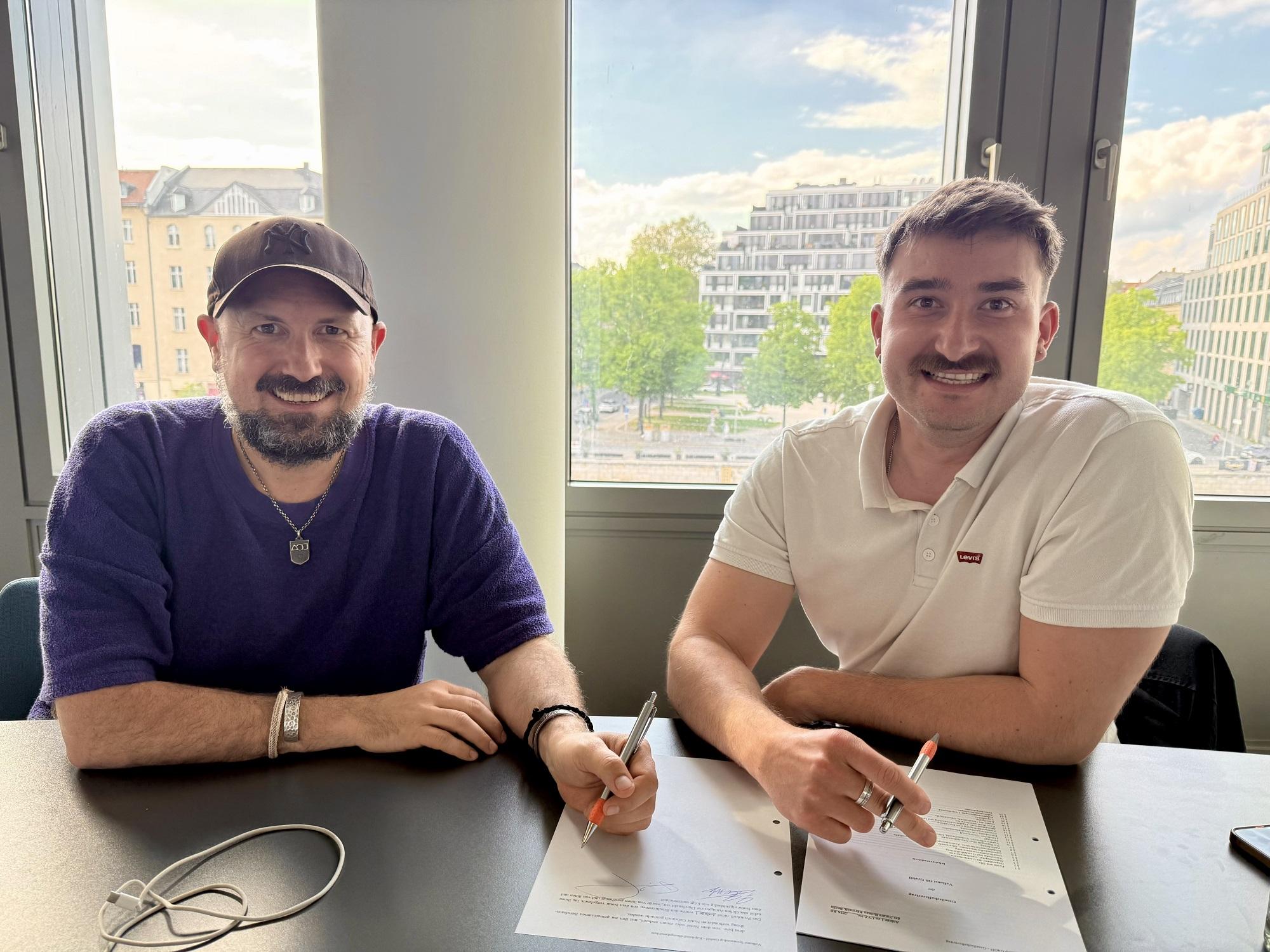
The “Exit of the Year 2025/26” award made its debut. The prize, awarded for the first time, went to the fintech company Debtist for its successful sale of a majority stake to the investor Norvestor.
Angel investor Marc Penkala and Debtist CEO Lukas Stoffel accepted the award on behalf of the company.
With this new award, BAND also aims to highlight the importance of successful company sales for financing subsequent generations of startups. This is because proceeds from realized investments can free up new capital, which is then reinvested in young companies.
The 2026 German Business Angels Day thus made it clear that a functioning early-stage ecosystem does not depend solely on the availability of financial resources. Equally important are entrepreneurial experience, personal networks, successful exits, and framework conditions that make private investments attractive in the long term.
Founded in 1998, the umbrella organization Business Angels Deutschland represents the interests of private startup investors and their networks. Through its annual conference, BAND aims to foster exchange within the industry while also providing political impetus for the further development of German early-stage financing.


Newsletter
Startups, stories and stats from the German startup ecosystem straight to your inbox. Subscribe with 2 clicks. Noice.
LinkedIn ConnectFYI: English edition available
Hello my friend, have you been stranded on the German edition of Startbase? At least your browser tells us, that you do not speak German - so maybe you would like to switch to the English edition instead?
FYI: Deutsche Edition verfügbar
Hallo mein Freund, du befindest dich auf der Englischen Edition der Startbase und laut deinem Browser sprichst du eigentlich auch Deutsch. Magst du die Sprache wechseln?