Green innovation on the edge of the republic: Interview with Martin Hahn, MdL

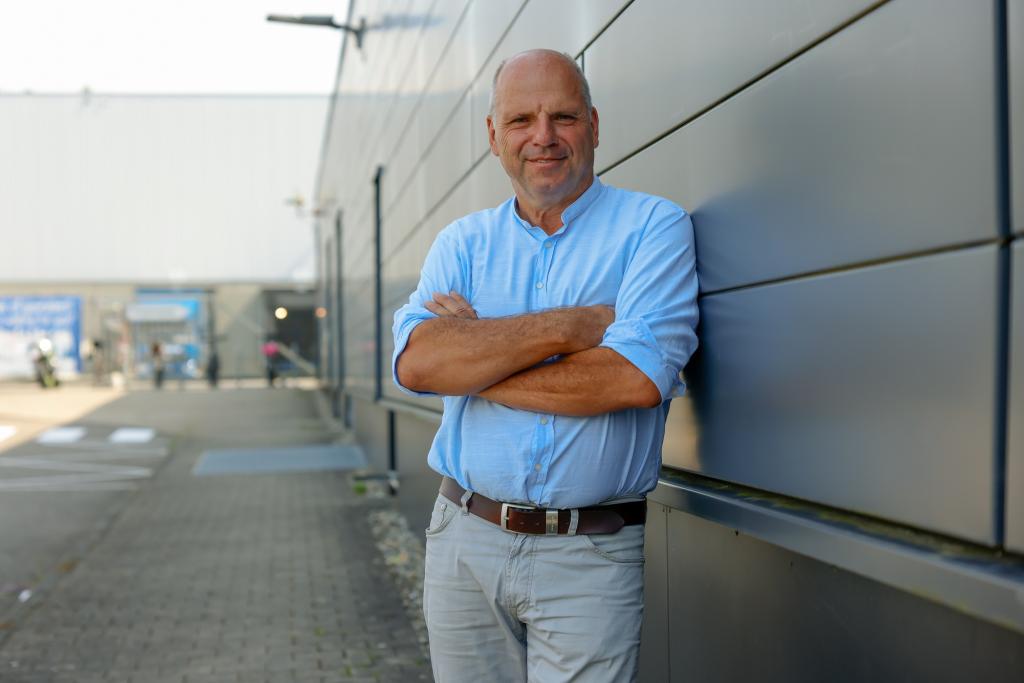
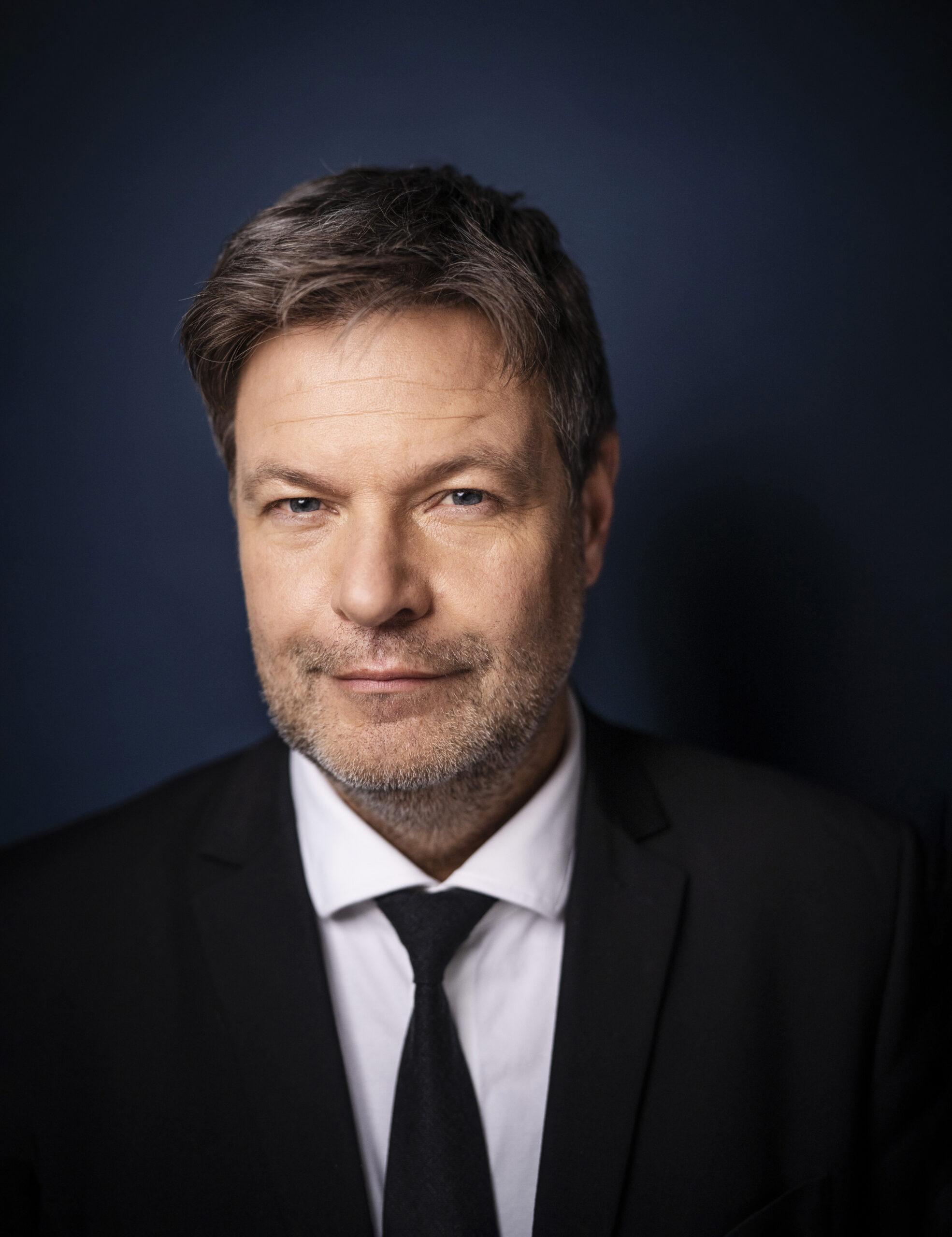
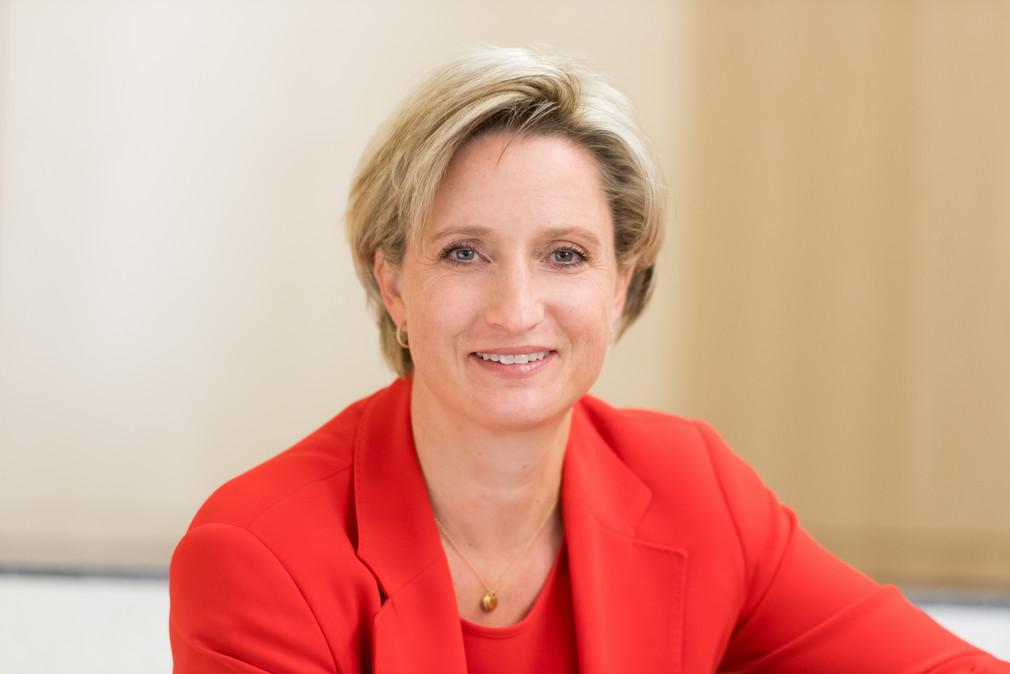
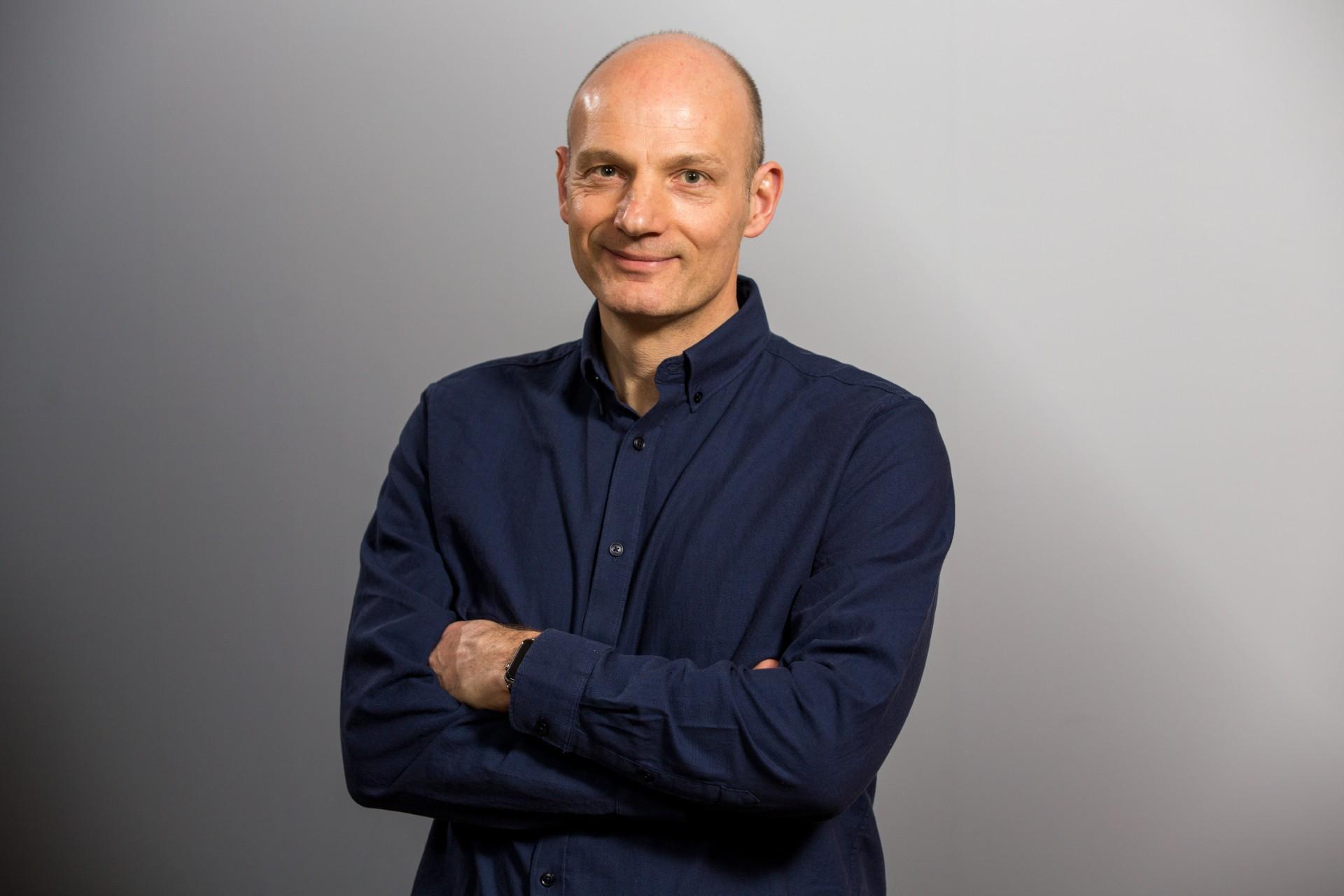
In the second part of our deep dive into green innovation on the edge of the republic: the Lake Constance district , we talk to Martin Hahn, member of the Baden-Württemberg state parliament. The agricultural engineer and long-time organic farmer sits for Bündnis 90/Die Grünen in the state parliament for constituency 67 of Baden-Württemberg and is considered a profound expert on the interactions between agriculture, environmental policy and regional economic development. For years, he has been politically engaged with the question of how sustainable production, technological innovation and the reality of life in rural areas can be brought together.
With a view to the special location of the region on Lake Constance, we talk about the potential for innovation beyond urban centers, about conflicting goals between ecology and economy and about why the supposed periphery can become a laboratory for sustainable solutions.
Interview with Martin Hahn, MDL BaWü
In your opinion, what makes Lake Constance a special location for innovation - especially in comparison to metropolitan regions such as Stuttgart or Munich?
Lake Constance is a special location for innovation because many players work very closely together here. International companies, SMEs, universities and start-ups all come together within short distances. This often makes cooperation easier and faster than in large metropolitan regions such as Stuttgart or Munich.
Important future topics such as mobility, energy and industrial change are concentrated in Friedrichshafen. Companies such as ZF and Rolls-Royce Power Systems work closely with the municipal utility and Zeppelin University. Instead of large anonymous networks, there are often direct partnerships and concrete pilot projects.
Another major advantage is the international location of Lake Constance. As a four-country region, we are used to thinking and working across borders. Markets, skilled workers and value creation are considered across borders here from the outset. With strong universities such as the University of St. Gallen, Zeppelin University and the University of Constance, we have excellent scientific partners in the immediate vicinity. This promotes exchange, joint projects and international perspectives - and strengthens Lake Constance as a location for innovation.
Last but not least, the high quality of life is also an innovation factor. The special landscape around Lake Constance offers space for balance and new perspectives. This attracts creative people and supports innovative thinking.
What role do medium-sized companies, universities and research institutions play in the innovative strength of the Lake Constance region?
Medium-sized companies, universities and research institutions are the driving force behind innovation in the Lake Constance region. SMEs play a central role in this: they turn good ideas into concrete products, put them into practice and ensure that added value remains in the region. Many companies are highly specialized and very practical - this is exactly what makes them strong implementers.
The universities provide the impetus for this. They stand for research, new ideas and well-trained specialists. At the same time, they promote start-ups and the transfer into practice. A good example of this is Zeppelin University's PioneerPort, which offers advice, networks and space for start-ups.
The region becomes particularly strong through the interaction of these players. When universities, companies and local authorities work together, fertile ground for innovation is created. Formats such as the Investor Summit Bodensee in Friedrichshafen show how research, start-ups and business can come together in concrete terms.
Where do you currently see the greatest potential for innovation and start-ups around Lake Constance?
There are certainly many areas where there is still great potential, but I am thinking of the healthcare sector, for example. This topic is becoming increasingly important, especially in view of an ageing society. Although a lot is already happening here, there is still enormous potential for innovation in new ideas and solutions.
Whether digital health applications, new care models, prevention or the combination of medicine, care and technology - new ideas can emerge here that help people in a tangible way and at the same time enable new start-ups. Especially in a region with a high quality of life, strong institutions and many skilled workers, this is an area of great importance for the future.
There is also great potential in the field of energy, particularly in the intelligent use of energy. Topics such as energy management, storage technologies, the conversion of energy or the improved networking of generation and consumption will become increasingly important in the coming years. Lake Constance offers good conditions for this - thanks to industry, SMEs and municipal players who are willing to try out new solutions.
Which green technologies have already proven themselves in the Lake Constance region and what can we be proud of today?
Several green technologies and sustainable approaches have already proven themselves in the Lake Constance region, and we can be justifiably proud of them today.
Agriculture is a particularly strong example. The Lake Constance region is regarded throughout Germany as a pioneer in organic farming - both in special crops and in regional processing. Many farms combine sustainable farming with innovative craftsmanship, creating high-quality products and regional added value. In addition, renewable energies are used on the farms, for example through agrivoltaics or biogas from waste materials. Agri-PV in particular shows how future-proof agriculture can succeed: safe and climate-resilient food production, fewer pesticides and sustainable energy generation on the same land.
One example is Lake Constance shipping: by using an electrically powered ship, the Lake Constance shipping companies are taking the first step towards CO₂-neutral shipping on Lake Constance and thus driving the transition to a more climate-friendly fleet.
Another area is industrial transformation. The Friedrichshafen site is working specifically on solutions for green hydrogen - from production to application in drives and fuel cells. This shows how industrial strength and climate protection can be successfully combined.
Satellite and space technology also plays an important role. They provide precise data on earth observation, weather development and climate change and thus create the basis for better environmental protection and disaster prevention as well as for forward-looking climate adaptation.
In which areas - such as renewable energies, sustainable mobility, the circular economy or digitalization - do you see particularly great future opportunities for the region?
I see the greatest future opportunities for the Lake Constance region primarily in renewable energies, sustainable mobility and adapting agriculture to climate change.
In the field of renewable energies, there is enormous potential in the further development and scaling of agrivoltaics and open solar areas. Agri-PV on fruit crops in particular - such as apple orchards - shows how efficient agriculture and climate protection can go hand in hand. Yields are maintained on the same area while energy is generated at the same time. Overall, this technology has the potential to achieve an output of around 1.8 gigawatts, which is equivalent to that of a medium-sized nuclear power plant. With the political guidelines, such as the area targets for wind power and photovoltaics and the energy sub-regional plan, we are now moving from principle to concrete implementation.
I also see great opportunities in the area of sustainable mobility and digitalization. With companies such as ZF, the region is an important development location for autonomous driving and intelligent transportation systems. These technologies can make mobility safer, more efficient and more climate-friendly, while at the same time strengthening the industrial base of the Lake Constance region.
A third important future field is climate adaptation in agriculture. Drought-resistant varieties, new irrigation concepts and the targeted development of humus will be decisive in ensuring stable yields in the future and making agriculture more resilient.
How can politicians make a targeted contribution to getting green innovations from the Lake Constance region off the drawing board and onto the market more quickly?
Politicians can make a targeted contribution by creating the right framework conditions for innovation. It is crucial that funding programs are simpler, faster and better tailored to the needs of founders and innovative companies.
A central task is to bring innovative ideas together with capital that is willing to take risks. Many green innovations fail not because of the concept, but because of the financing in the early phase. If politicians build bridges here - through funding programs, networks and suitable financing instruments - the conditions are created that companies need to take their ideas from the drawing board to the market.
What influence does the geographical distance from the state capital Stuttgart and the federal government in Berlin have on start-up and innovation activities at Lake Constance?
Of course, there is a certain geographical distance to Stuttgart and Berlin. At the same time, however, it can also be said that Lake Constance lies in the middle of Europe, between Berlin and Rome, so to speak. The international conditions here are by no means bad - on the contrary, many companies and skilled workers think and work across borders anyway.
In a digital working world, distances in kilometers play an increasingly minor role in my view. I no longer see this as a central factor. Much more important is the environment, i.e. the question of whether people enjoy living and working here and want to implement their ideas. This is precisely one of the great strengths of the Lake Constance region - and it has a positive effect on start-ups and innovation.
Do you see this as more of a locational disadvantage - for example due to lower visibility and shorter distances to decision-makers - or also an opportunity because you can act more freely and independently?
I would clearly emphasize the opportunities. Lake Constance is not a classic metropolitan location, and that is precisely what opens up freedom. You can think and work more independently here.
Many innovations arise here in a very practical way - from concrete challenges in companies, in agriculture or in the municipalities. The distances between the players are short, people know each other, talk to each other and get things implemented more quickly. This allows for individual profiles and solutions that are not imposed from outside. It is precisely this mixture of independence, good networking and a high quality of life that makes the location attractive for people who want to build something.
Thank you Mr. Hahn for the interview
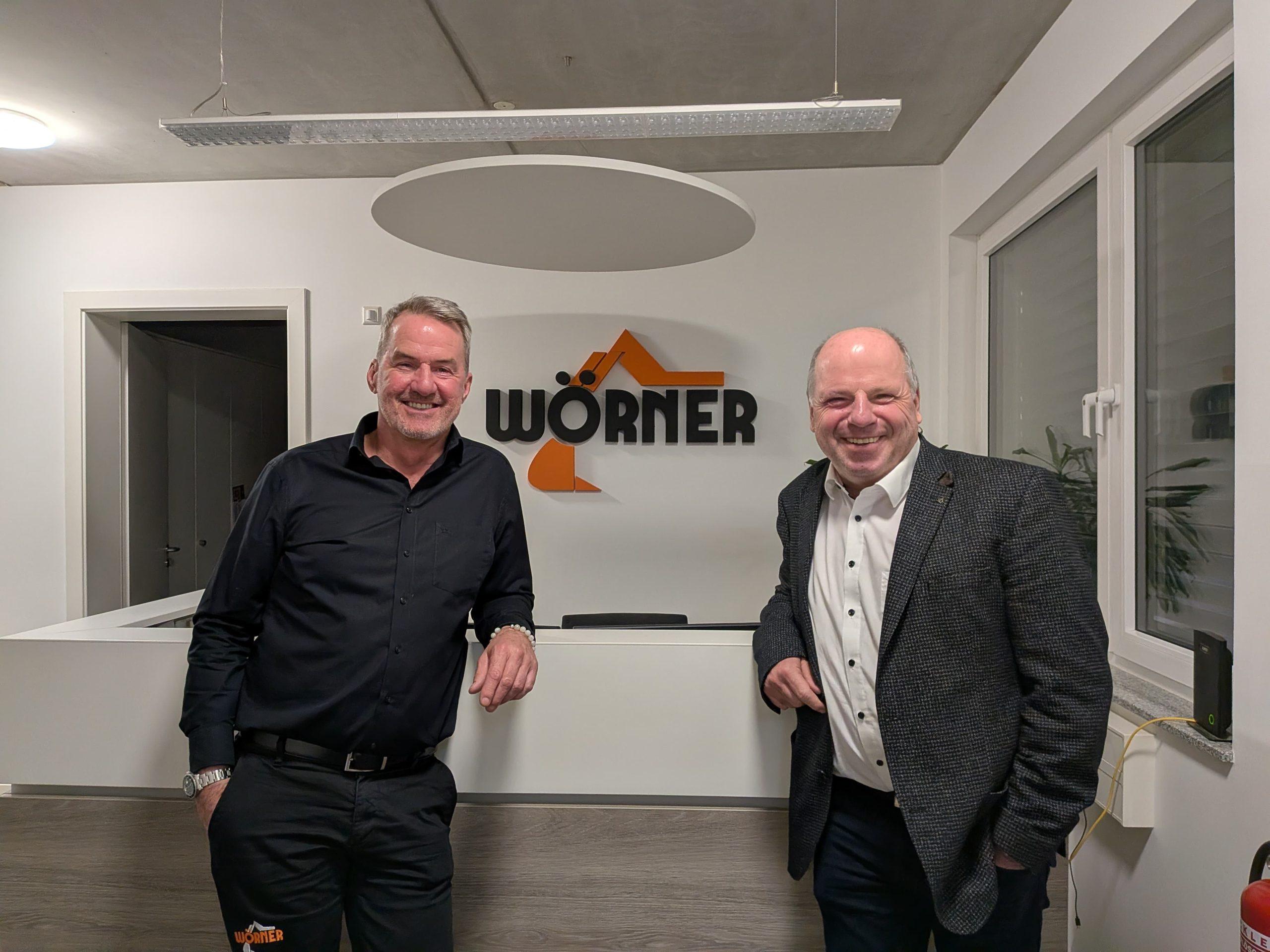
We would like to thank Martin Hahn for the open discussion and the insights into political practice and regional development perspectives. His assessments show how much creative power there is in regions such as the Lake Constance district when innovation, sustainability and local responsibility are considered together. In the next part of our Green Innovation on the Edge of the Republic series, we will look at another player from the Lake Constance district who is focusing on green progress in the building trade and shaping the region with new ideas and entrepreneurial courage: Green innovation on the edge of the republic with Wörner Bau.
The individual parts of the series:
Part 1: Green innovation on the edge of the republic, but in the middle of Europe: The Lake Constance district Part 2: Green innovation on the edge of the republic: Interview with Martin Hahn, MdL Part 3: Green innovation on the edge of the republic with Wörner Bau Part 4: Innovation at the edge of the republic: Learnings Bodenseekreis
Transparency notice:
Martin Hahn is standing again in the Baden-Württemberg state elections on March 8, 2026. Startbase expressly maintains political neutrality, does not make any election recommendations and does not make itself politically dependent in any way.


Newsletter
Startups, stories and stats from the German startup ecosystem straight to your inbox. Subscribe with 2 clicks. Noice.
LinkedIn ConnectFYI: English edition available
Hello my friend, have you been stranded on the German edition of Startbase? At least your browser tells us, that you do not speak German - so maybe you would like to switch to the English edition instead?
FYI: Deutsche Edition verfügbar
Hallo mein Freund, du befindest dich auf der Englischen Edition der Startbase und laut deinem Browser sprichst du eigentlich auch Deutsch. Magst du die Sprache wechseln?