The illusion of a globalized service society

For decades, we in Germany told ourselves a reassuring story: we move the hard, dirty work to where it is cheap. We, on the other hand, specialize in the "brains" of the global economy - in engineering, complex services, administration and strategy. We thought we could be a pure "head economy", detached from the physical sweat of production.
But today we have to ask ourselves an uncomfortable question: Was this a historical miscalculation?
The last few years have exposed cracks in this foundation that we can no longer ignore. It began with the pandemic and the energy crisis, which painfully taught us that "brainwork" is worth little if the physical basis - the drugs, the chips, the cheap energy - is missing. We learned: Resilience is not a theoretical exercise, but the hard currency of sovereignty.
But the real stress test is yet to come.
While we are still discussing supply chains and heat pumps, generative artificial intelligence is sawing at the branch on which we have saved ourselves as an economy: skilled knowledge work.
When knowledge becomes a commodity
The German business model is based on the assumption that complex cognitive work - whether in law firms, agencies, design offices or administration - will remain a permanently scarce and therefore expensive commodity. But what happens when AI pushes the marginal costs of this work towards zero?
We can already see how the structure is shifting. Standardizable knowledge work - from drafting contracts and accounting to code reviews - can be automated. This is not a distant future scenario, but an economic reality. If an AI completes tasks in seconds for which we used to pay expensive experts, the traditional fee-based model of our service society will collapse.
The paradox here is that we are heading towards a world in which we are becoming more efficient, but at the same time losing control over value creation. This is because the tools for this efficiency - the models, the data, the infrastructure - are not in our hands. We are in danger of being degraded from the "architects" of globalization to mere "users".
The end of the outsourcing paradigm
Perhaps it is time to turn our economic thinking upside down. The mantra of the last thirty years has been "make or buy" - and when in doubt, "buy" because it's cheaper. Buy software instead of developing it. Outsource production instead of making it yourself.
In the age of AI, this logic could be reversed. If AI drastically reduces the development costs for software and individual solutions, "in-sourcing" will suddenly become attractive again. Why buy expensive licenses and dependencies when tailor-made in-house solutions are within reach?
This leads to a new definition of self-sufficiency. It is not about isolationism or crude protectionism. It is about the strategic ability to remain capable of acting. Just as a homeowner invests in solar panels not to turn away from the world, but to secure their basic needs, Europe must also learn to reclaim critical capabilities.
Prosperity is created where control lies
The question we need to discuss politically and socially is no longer: "How do we save the old jobs?" Rather, it is: "Where will value be created tomorrow that we can control?"
If human labor loses value in routine, we need to reposition ourselves:
- Away from processing, towards orchestration: in future, the value will not lie in writing the text or code, but in the ability to control complex systems and take responsibility for results. (see Werner Vogels: Reinvent Keynote 2025)
- Digital sovereignty as a production factor: We need our own models, infrastructure and data pools, not out of national pride, but to avoid paying license fees for our own intelligence in the long term. (cf. Frauenhofer: GAIA-X & Digital Sovereignty in Europe)
- The return of the physical: In a world of digital redundancy, the "real thing" - physical production, reliable energy, tangible infrastructure - is regaining strategic value, as it secures long-term value creation and thus tax revenues. (see Bill Gates: We should tax the robot that takes your job)
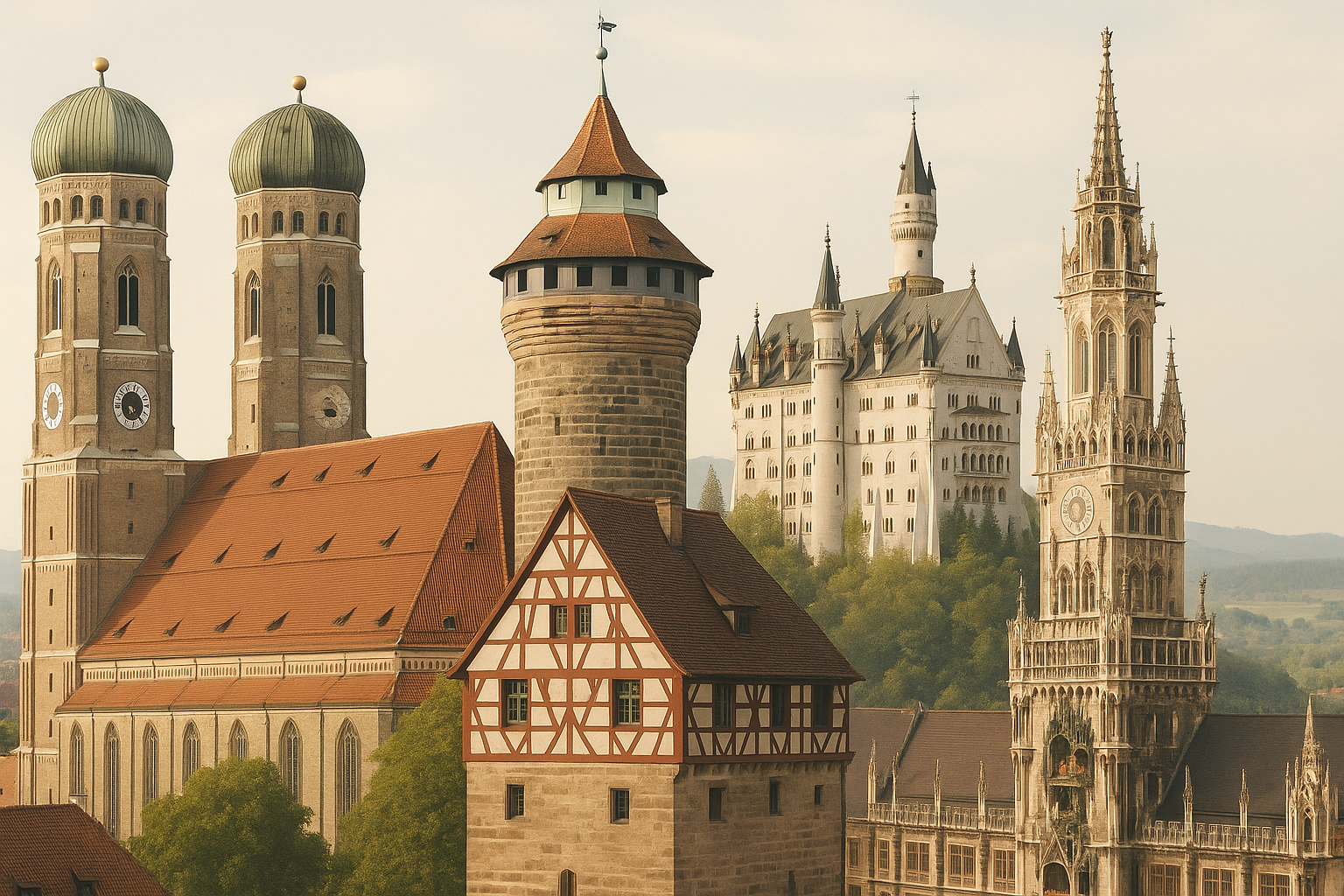
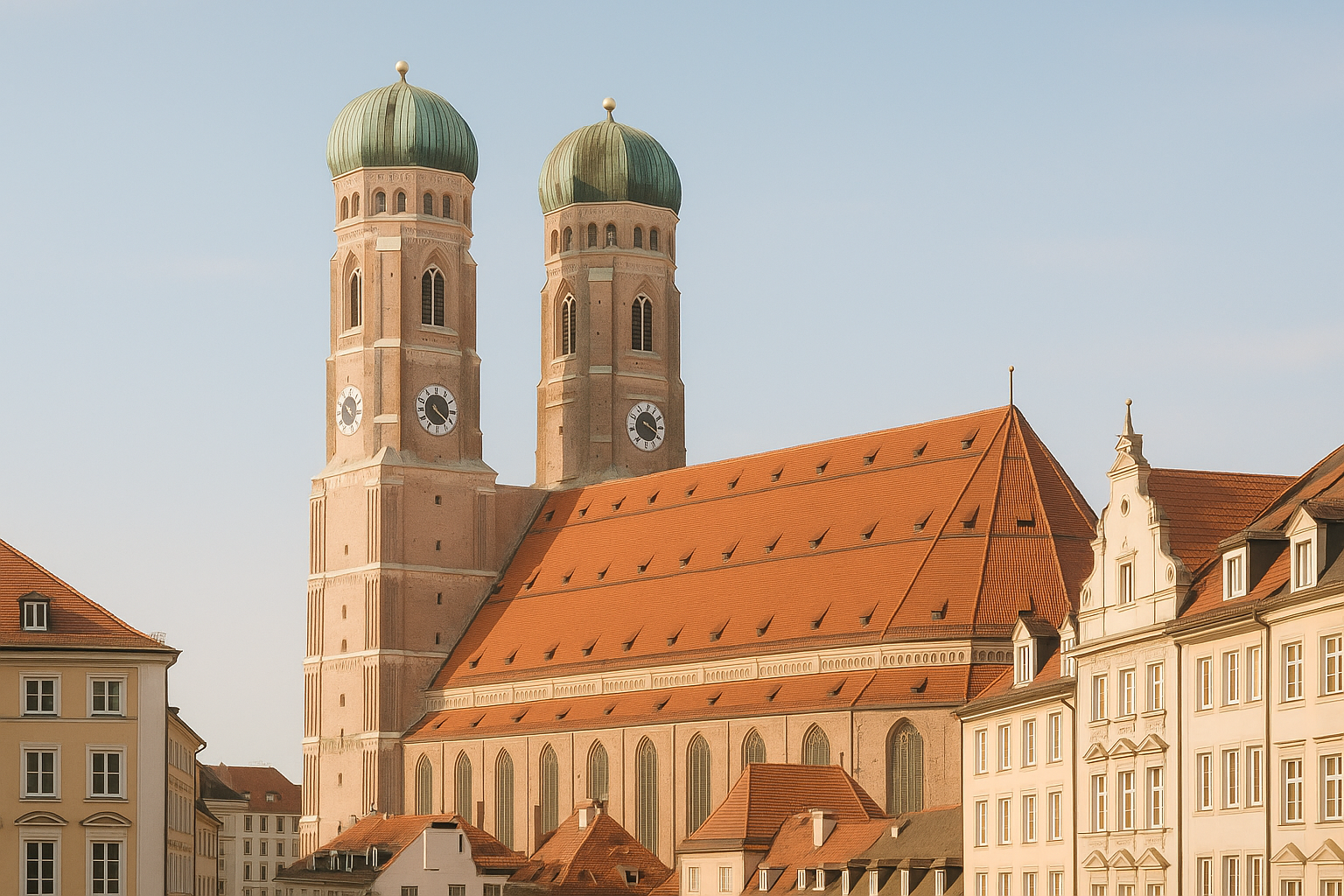
- Lifestyle as an asset: Culture, from cuisine to art and architecture, are our historical achievements and perhaps the most fundamental asset of our continent. This must be preserved and further developed, because ultimately people want to live where it is worth living. The demand for precious moments continues to grow. (see The Economist: The mega rich have a new obsession)
We are at a crossroads. We can try to preserve the status quo with subsidies and regulation. Or we can accept that the era of the pure service economy is coming to an end and begin to build a model based on true technological sovereignty and resilience. Globalization is not ending, but the rules of the game have fundamentally changed. Are we ready to relearn them?




Newsletter
Startups, stories and stats from the German startup ecosystem straight to your inbox. Subscribe with 2 clicks. Noice.
LinkedIn ConnectFYI: English edition available
Hello my friend, have you been stranded on the German edition of Startbase? At least your browser tells us, that you do not speak German - so maybe you would like to switch to the English edition instead?
FYI: Deutsche Edition verfügbar
Hallo mein Freund, du befindest dich auf der Englischen Edition der Startbase und laut deinem Browser sprichst du eigentlich auch Deutsch. Magst du die Sprache wechseln?