Deepslate Raises 7.7 Million Euros for European Language AI


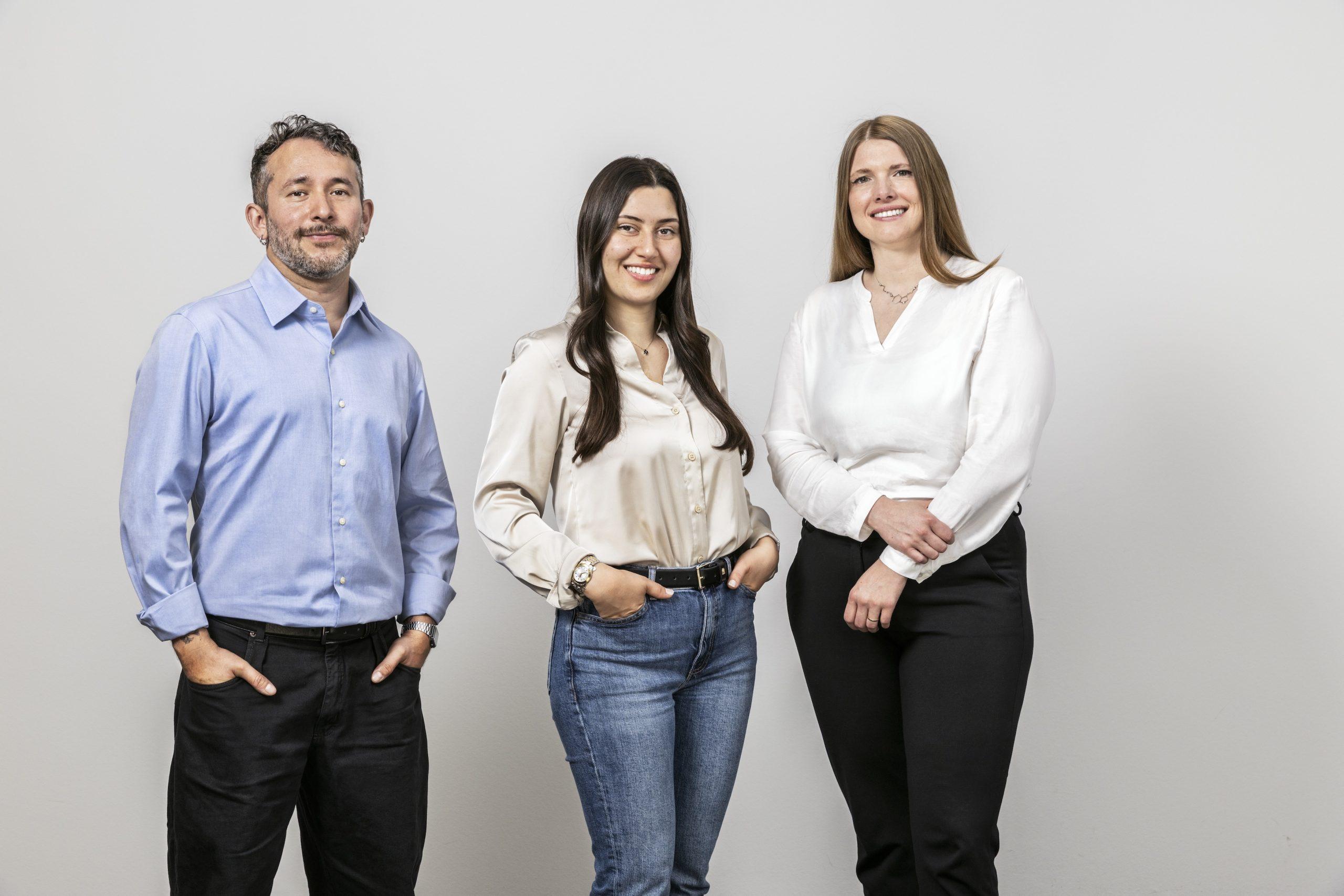
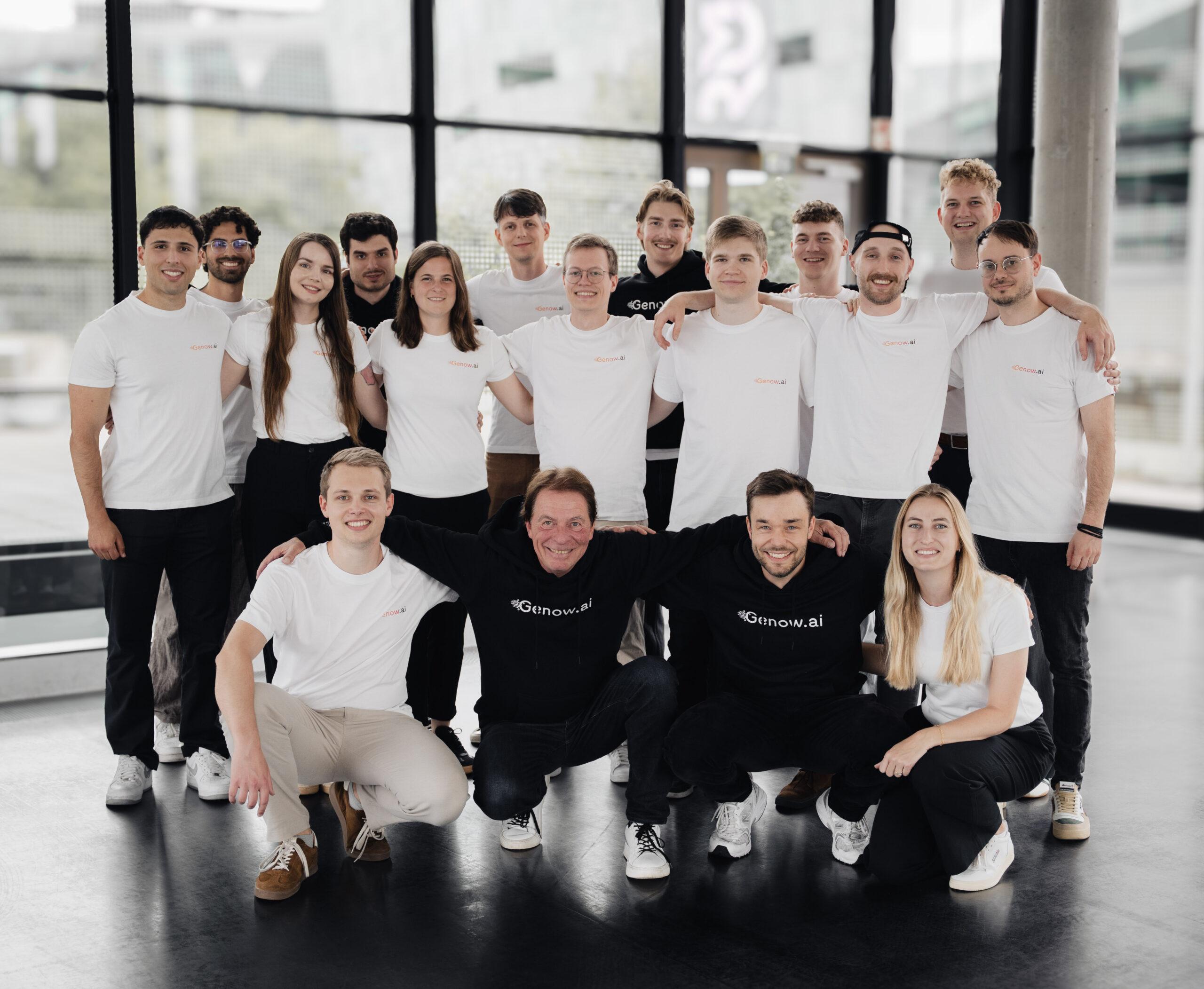
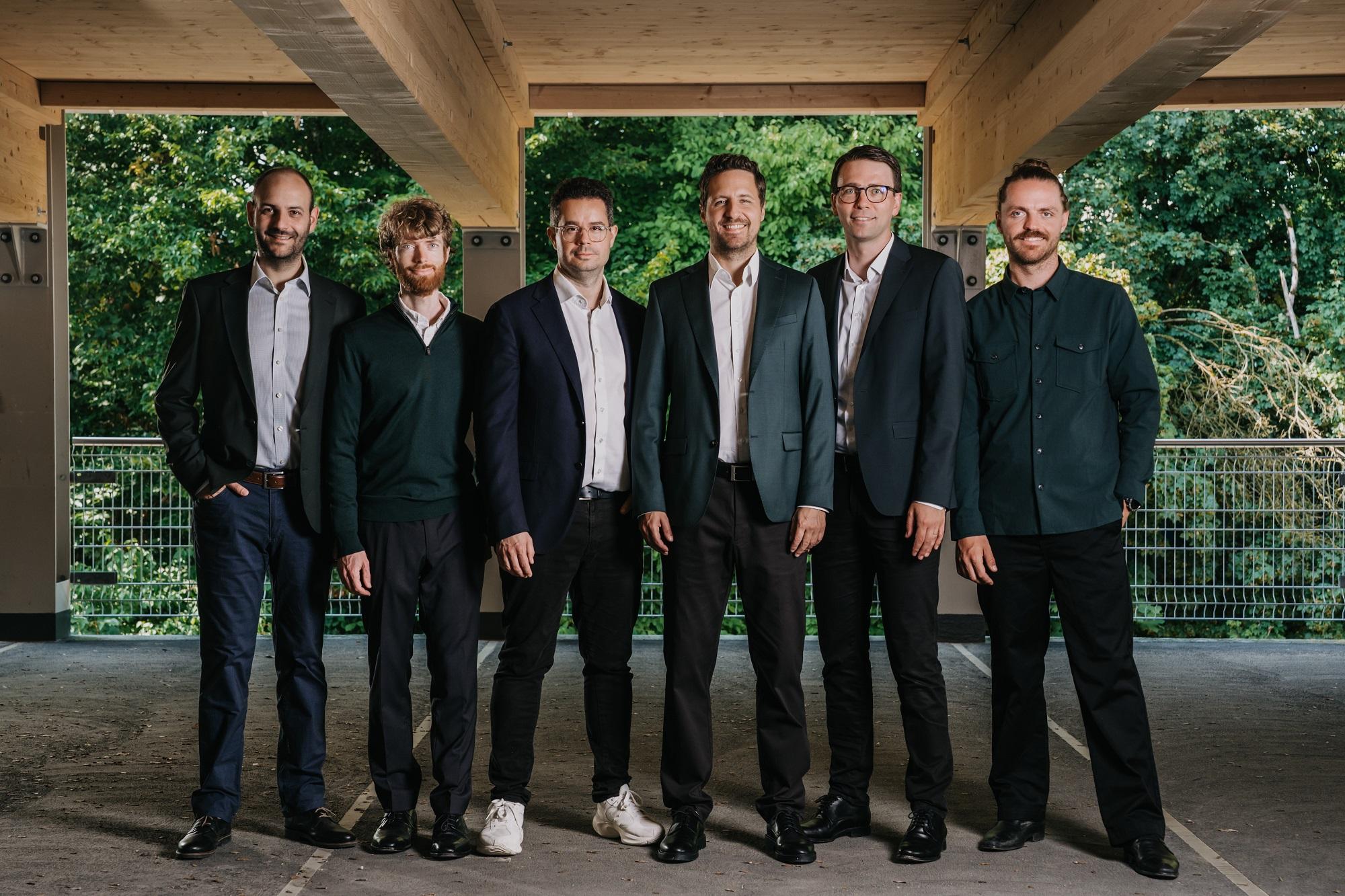
The Berlin-based AI startup Deepslate has closed a seed funding round totaling 7.7 million euros. The round is led by the Munich-based technology investor 42CAP. Other participants include Alstin Capital, existing investor SIVentures, and several business angels. Deepslate develops and trains its own speech-to-speech models designed to process spoken language directly. The 15-person company plans to use the capital to expand model training, sales, and its European infrastructure.
Speech Model Instead of a Telephony Platform
Deepslate deliberately positions itself not as a traditional voice AI or telephony platform. The company develops the underlying AI model itself.
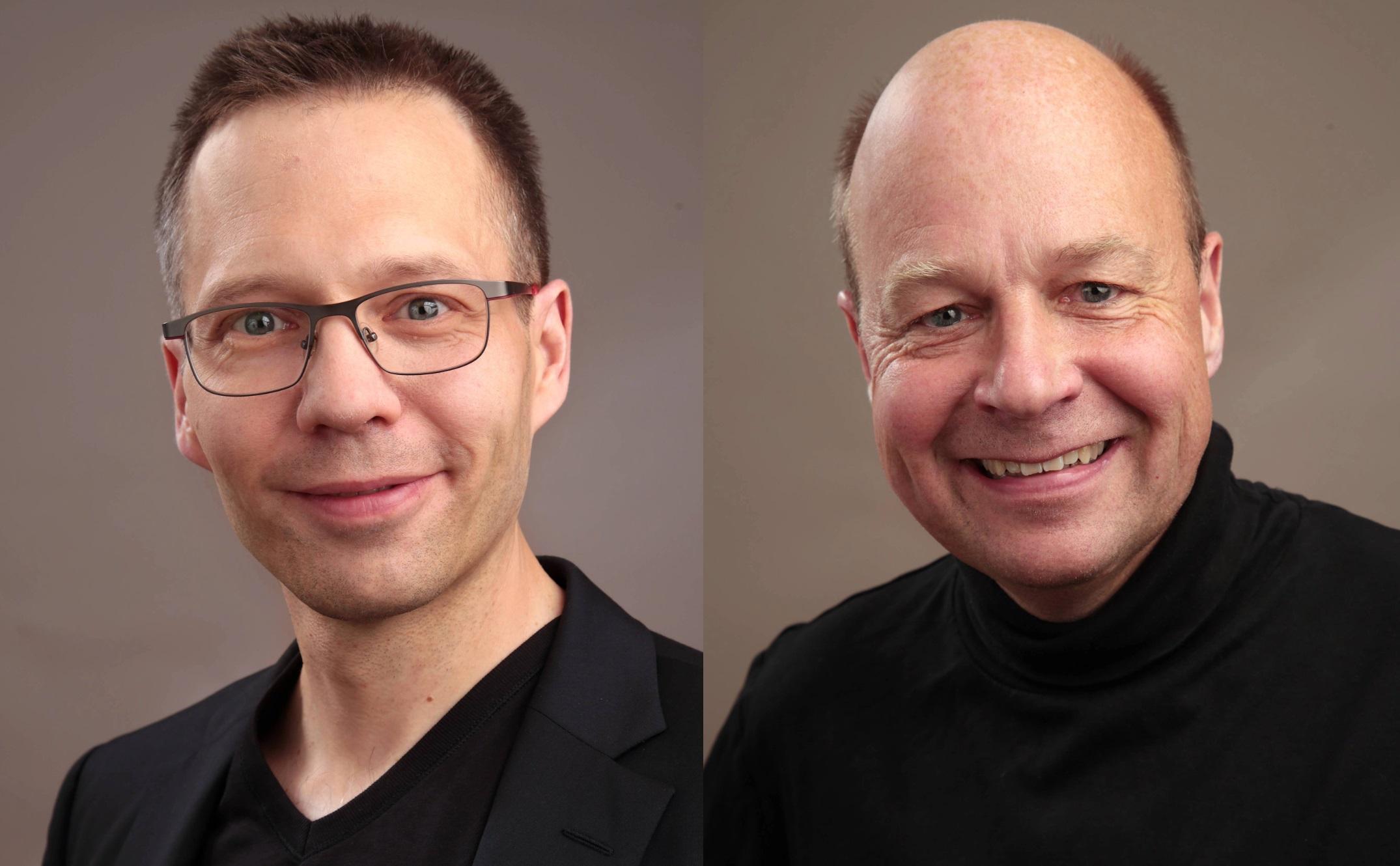
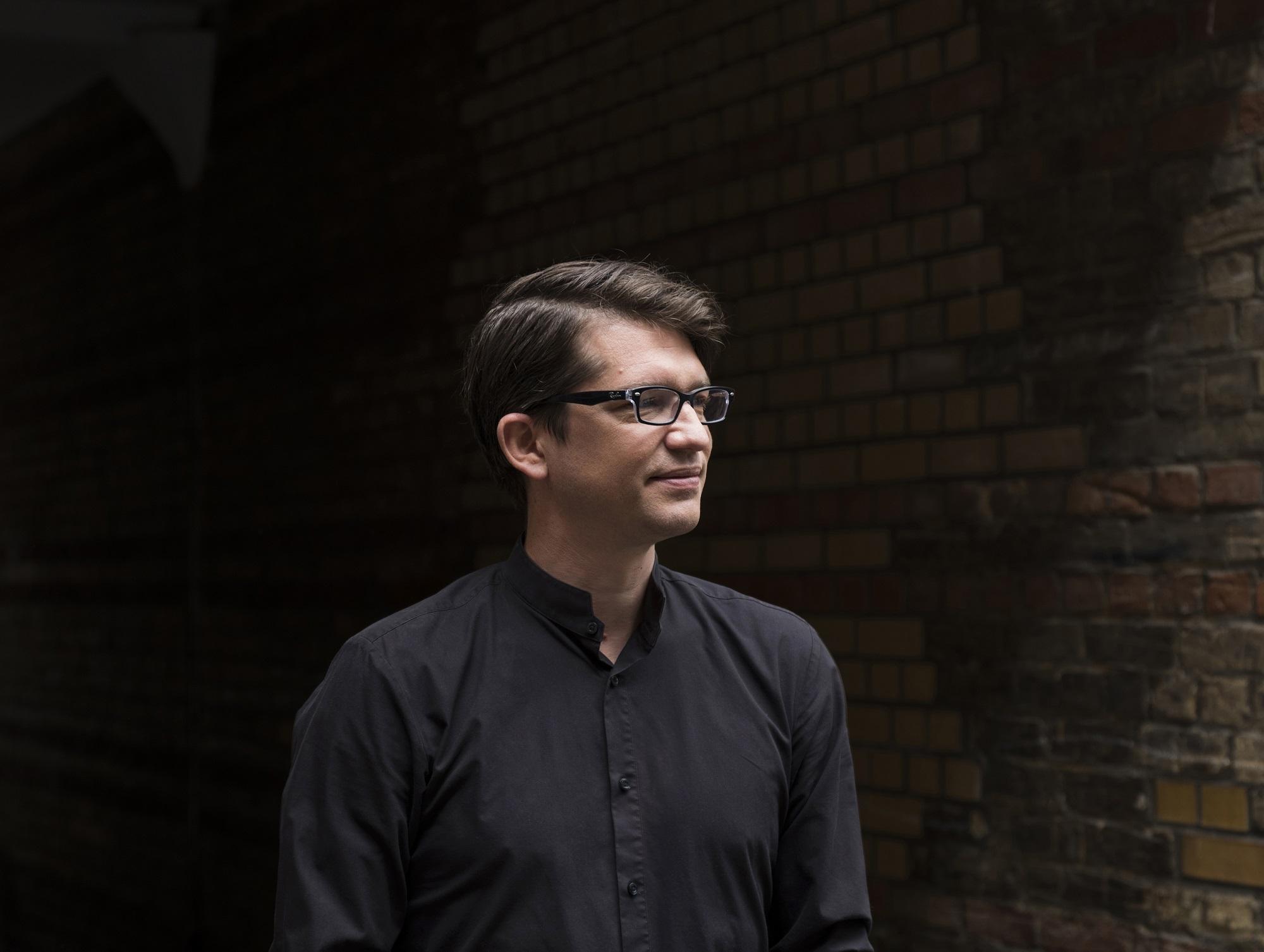
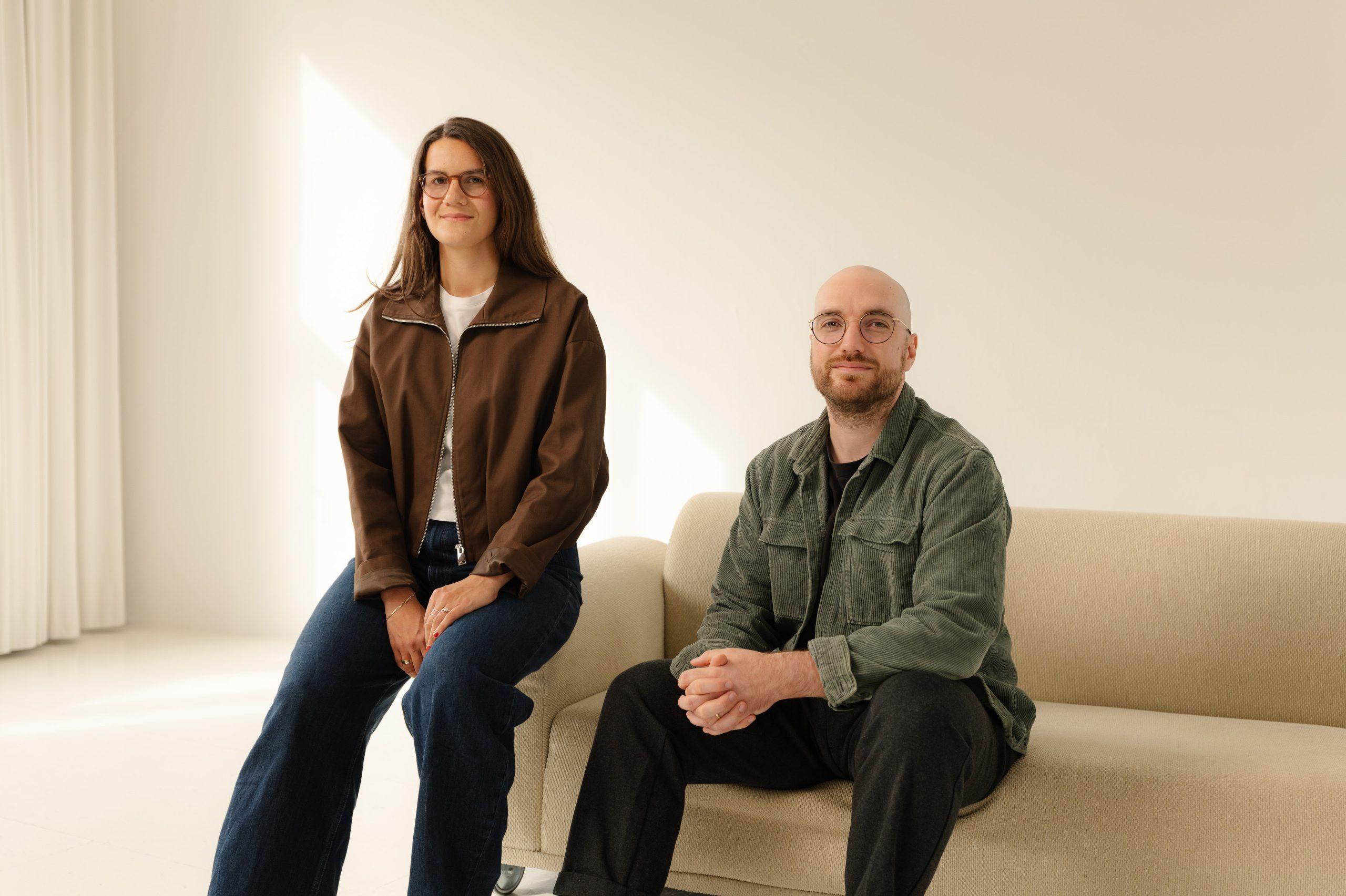
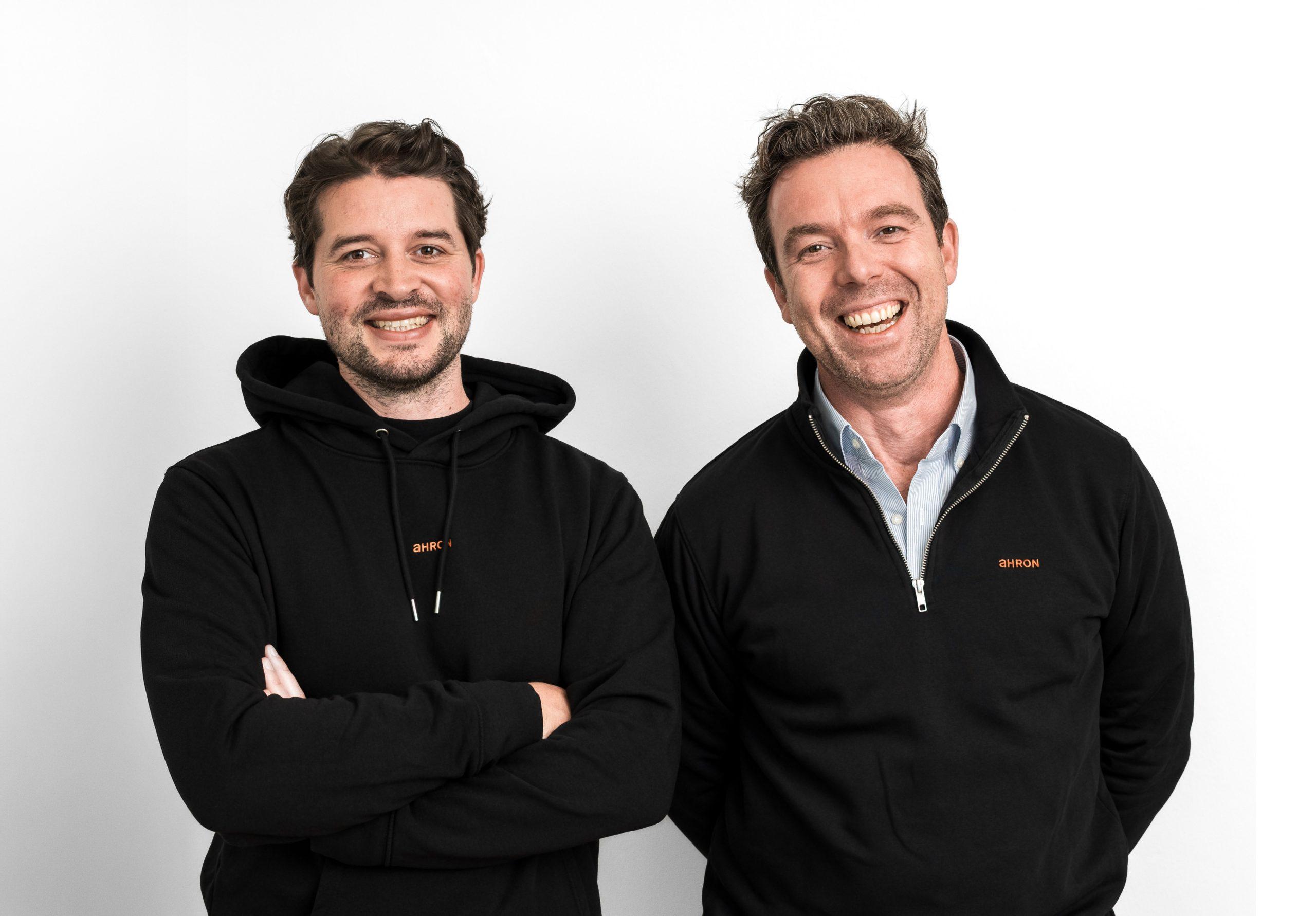
Deepslate was founded by Paskal Paesler and Jan Brachthäuser. The starting point was an AI assistant developed in 2023 that was intended to answer questions during meetings using corporate knowledge. However, in the founders’ experience, a response latency of about three seconds made natural conversations virtually impossible.
They identified the problem as lying in the architecture commonly used at the time: speech is first converted to text, then processed by a language model, and finally translated back into audio. Instead, Deepslate developed an end-to-end speech-to-speech system.
Audio in, audio out
The model processes speech directly, which is intended to allow it to better account for information such as emphasis and intonation in addition to the content. Technically, Deepslate relies on three components: a speech encoder, a reasoning core based on a fine-tuned Open-Weights language model, and a speech decoder.
A key feature is the decoupling of these components. The encoder and decoder are connected to the language model via trainable projectors. According to the company, if the Reasoning Core is replaced by a newer model generation, only the projectors need to be retrained. As a result, training runs are expected to take only days instead of months and require significantly less computing power than the full training of a so-called omni-model.
440 Milliseconds in an Independent Benchmark
Speed is a key selling point. According to the company, in a test conducted by Artificial Analysis in September 2026, Deepslate achieved a response latency of 440 milliseconds—the fastest time among the speech-to-speech models compared in that test.
In its own measurements, Deepslate even reports 250 milliseconds between the end of a user’s utterance and the first syllable of the response. However, this does not take into account network latency over longer distances. According to Deepslate, the model achieves approximately 85 percent accuracy at this response speed in the BIG-Bench Audio benchmark. In the CoVoST2 benchmark for European languages, the company also claims the lowest error rate among the models compared. Deepslate has publicly documented its own benchmark methodology.
Two cents per minute of conversation
The startup also aims to differentiate itself on price. Through a self-service platform and API, usage is expected to cost as little as two cents per minute of conversation. For larger platform and enterprise customers, Deepslate additionally offers volume-based pricing models and self-hosting.
The latter is particularly relevant for regulated industries. The company operates its models in Germany on the Telekom Cloud. Alternatively, customers can deploy the model entirely within their own infrastructure—upon request, without an external connection and thus, according to Deepslate, without the startup itself having access to the data. According to the company, it is ISO 27001 certified. Insurance companies, contact centers, and platform providers are already using the technology in production. Deepslate has not yet disclosed specific customer or revenue figures.
Capital for Data, Sales, and Infrastructure
The 7.7 million euros will be allocated to three areas. Deepslate plans to expand its European data program and, in particular, give greater consideration to German street and personal names as well as dialects. At the same time, latency and speech quality are to be further improved. In addition, the startup is expanding its sales and marketing efforts as well as its production infrastructure in European data centers.
In the long term, Deepslate is looking beyond contact centers. Speech is set to become the interface for vehicles, devices, robots, and other AI systems. For the Berlin-based startup, the seed round now marks the beginning of a commercial scaling test. Technical benchmark results could be a key differentiator. However, the decisive factor will be whether Deepslate can translate its advantages in speed, European languages, and data sovereignty into a larger number of productive enterprise applications.





Newsletter
Startups, stories and stats from the German startup ecosystem straight to your inbox. Subscribe with 2 clicks. Noice.
LinkedIn ConnectFYI: English edition available
Hello my friend, have you been stranded on the German edition of Startbase? At least your browser tells us, that you do not speak German - so maybe you would like to switch to the English edition instead?
FYI: Deutsche Edition verfügbar
Hallo mein Freund, du befindest dich auf der Englischen Edition der Startbase und laut deinem Browser sprichst du eigentlich auch Deutsch. Magst du die Sprache wechseln?