cylib Secures First Bank Financing for Industrial Expansion

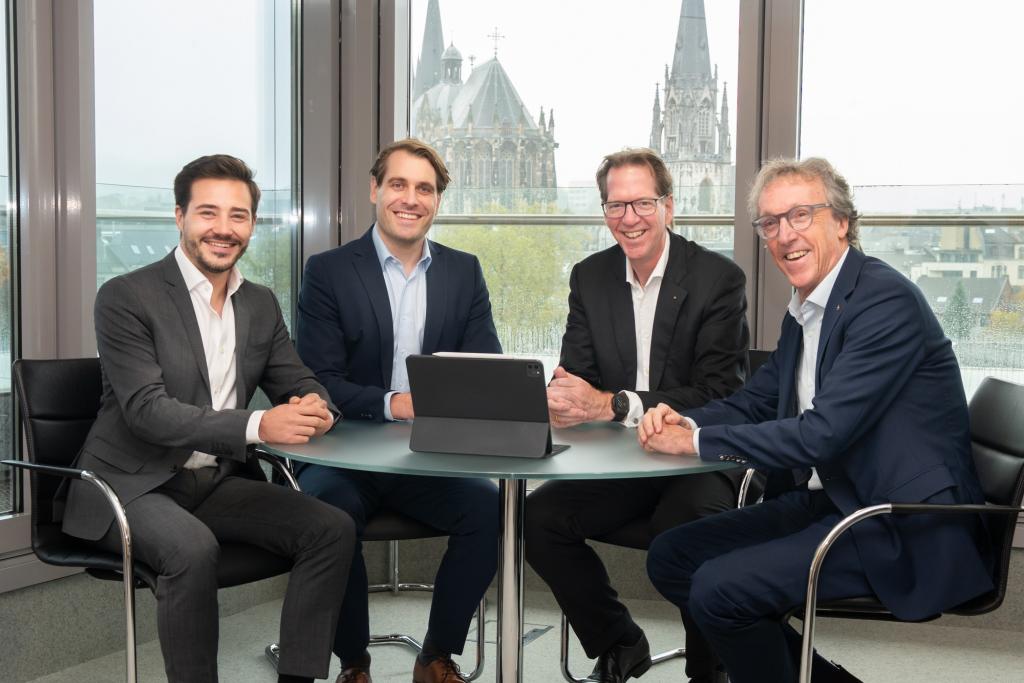
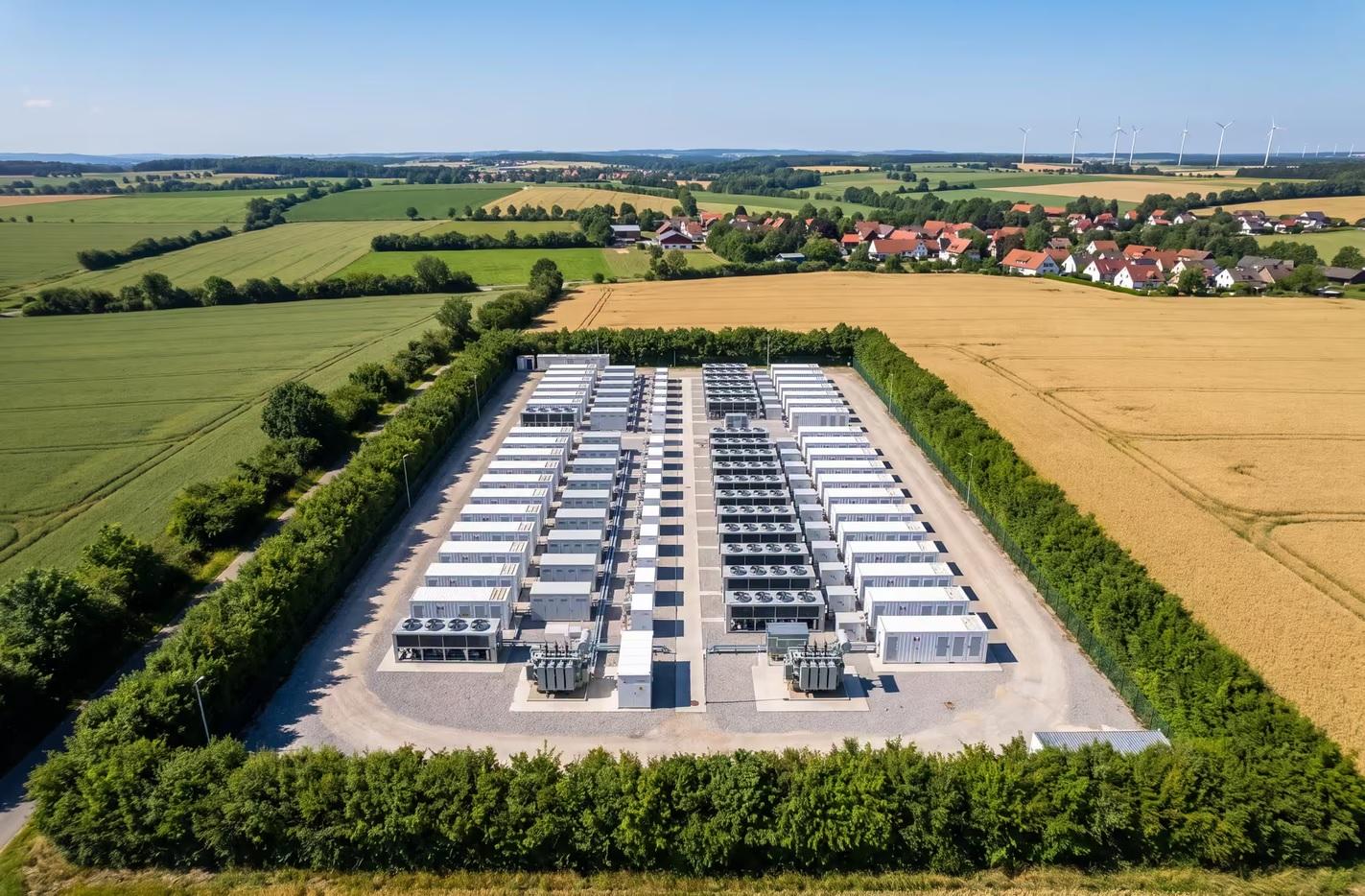
cylib, a battery recycling company founded in 2022, has taken another step toward industrial production. For the first time, the startup has secured financing from a traditional bank. With this loan, Sparkasse Aachen is supporting the expansion of the recently commissioned facility in Wernberg-Köblitz in the Upper Palatinate.
The funding is already available to the company and is intended, in particular, to support the ramp-up of mechanical battery processing. This adds another source of capital to cylib’s existing financing from venture capital and public subsidies.
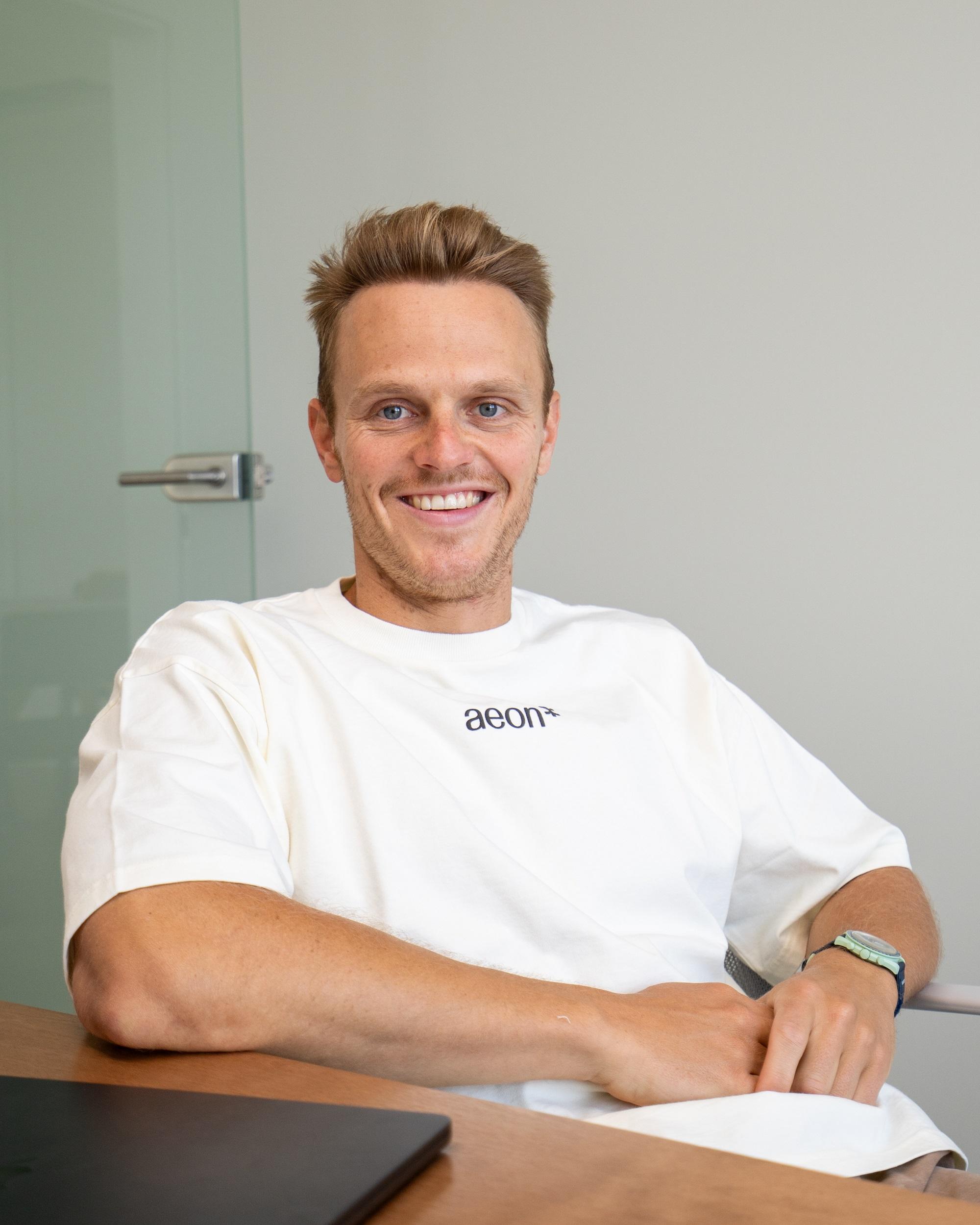
Access to bank financing supports the implementation: It helps us make the transition from pilot operations to industrial production.
Dr. Gideon Schwich, co-founder and co-CEO of cylib
For the company, the loan marks an important step in its development. While young technology companies often finance their research and development phase primarily through equity, traditional bank loans become increasingly important as the company matures industrially.
From a pilot plant to an industrial recycling network
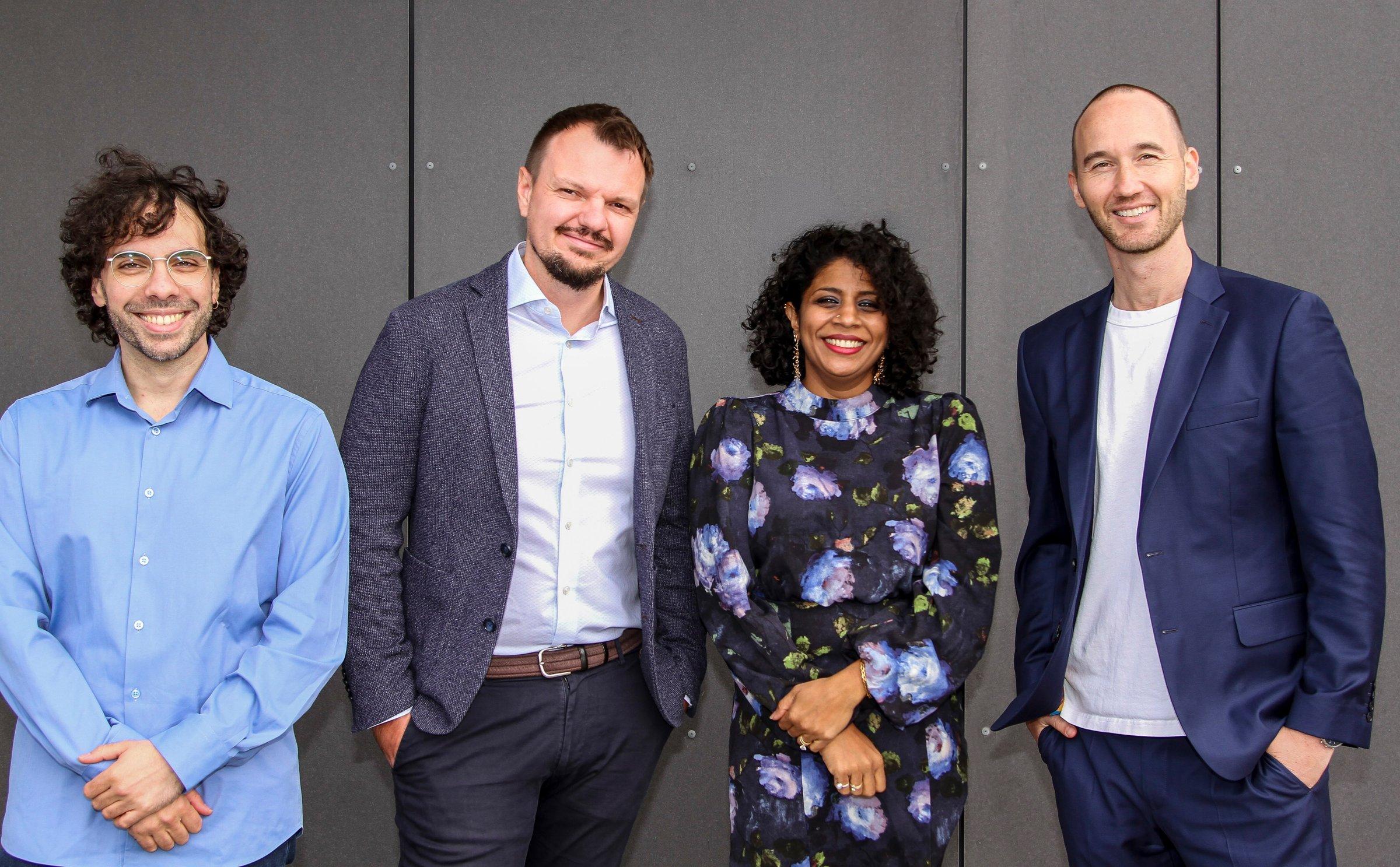
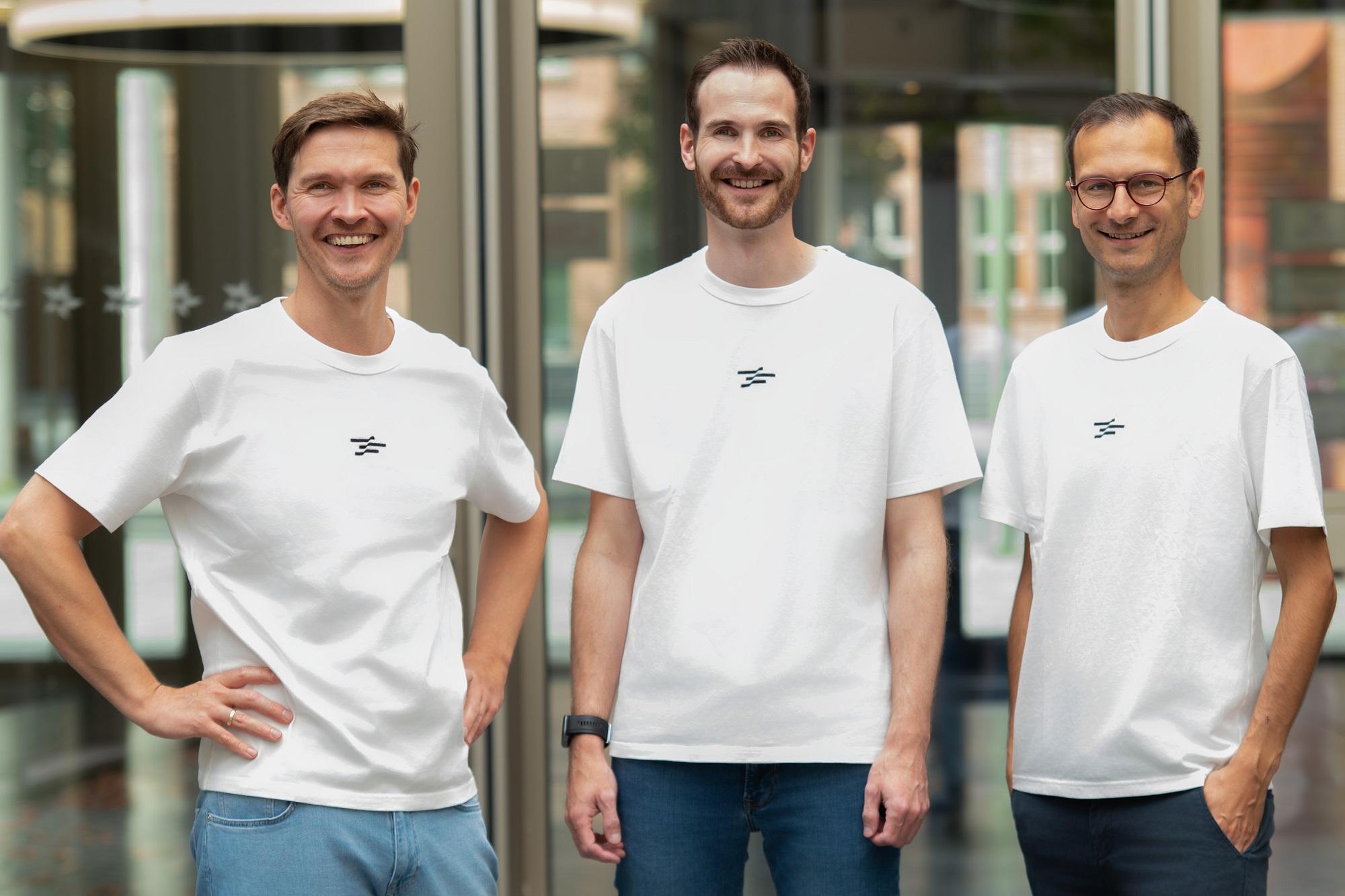
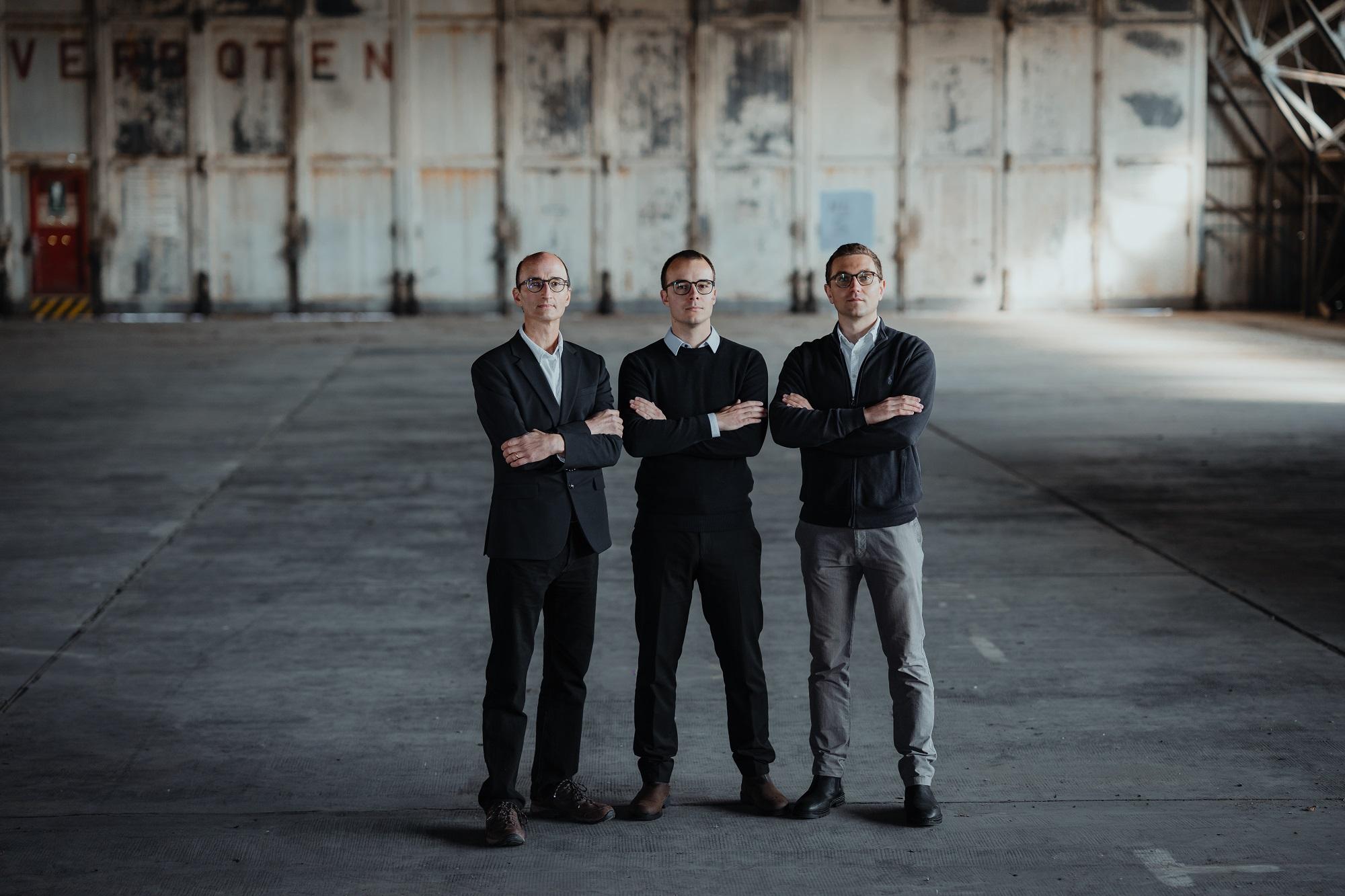
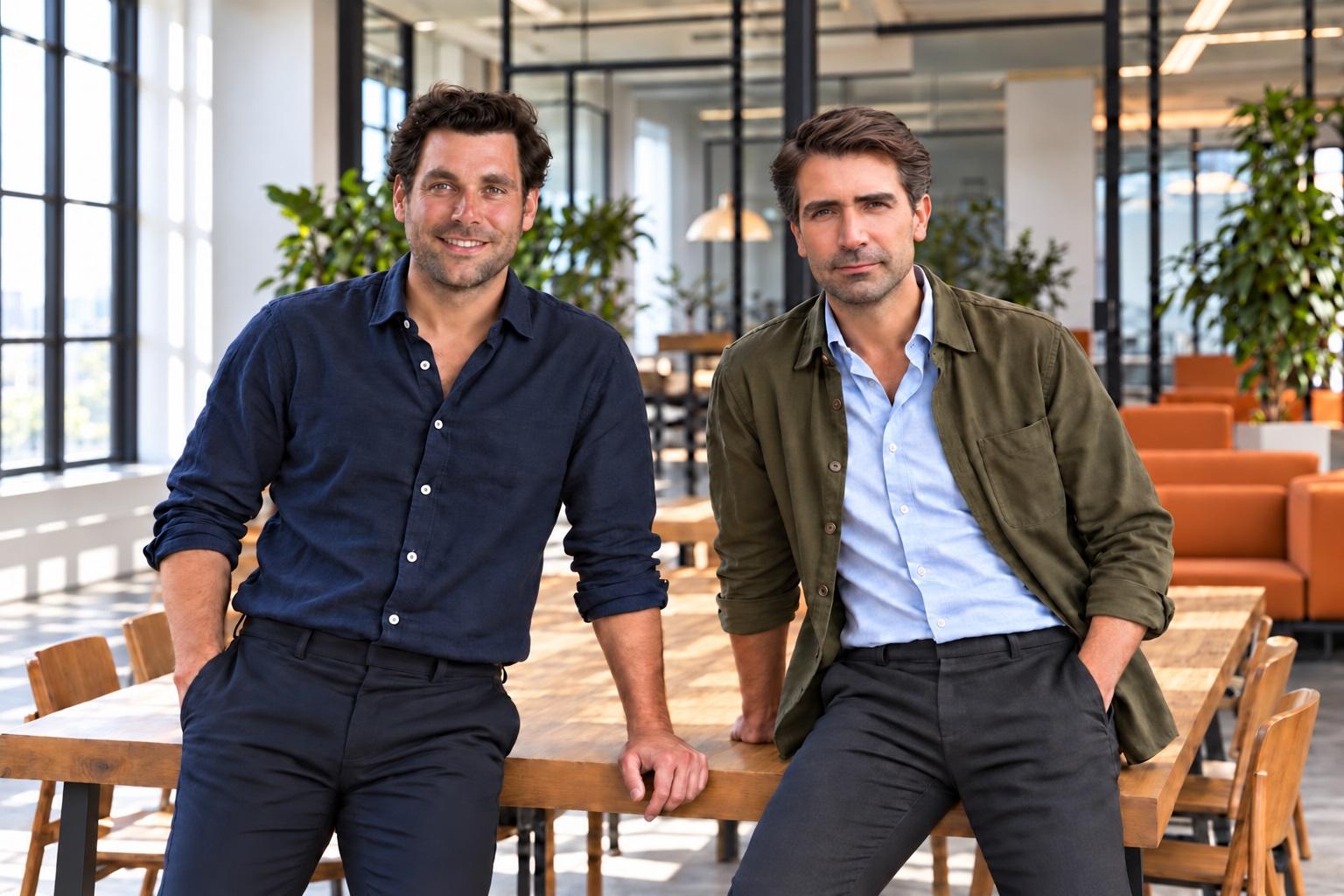
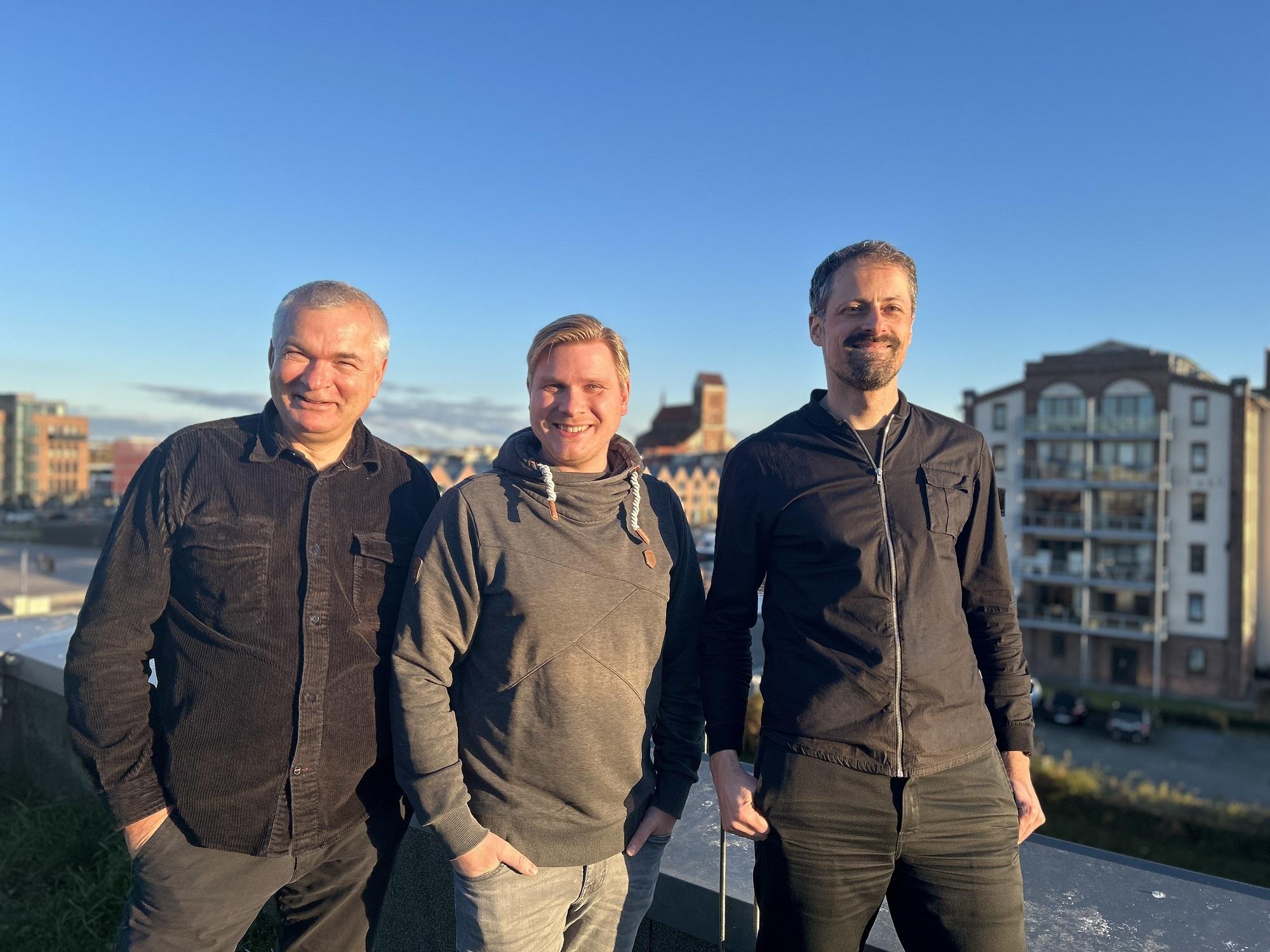
cylib was founded in Aachen in 2022 by Dr. Lilian Schwich, Paul Sabarny, and Dr. Gideon Schwich. The company emerged from research conducted at RWTH Aachen University and develops processes for recovering valuable raw materials from end-of-life lithium-ion batteries and production waste.
As early as 2023, cylib commissioned a pilot plant in Aachen. A Series A financing round of 55 million euros followed a year later. In 2025, the company also secured 89.5 million euros in public funding to build an industrial battery recycling plant at CHEMPARK Dormagen.
With the acquisition of the Wernberg-Köblitz site in July 2026, cylib expanded its operational network. The facility has an annual processing capacity of up to 10,000 metric tons of end-of-life electric vehicle batteries.
There, batteries are first discharged, disassembled, and mechanically processed. This process produces what is known as “black mass,” an intermediate product containing, among other things, lithium, nickel, cobalt, manganese, and graphite.
These materials will then be recovered at the future Dormagen site using hydrometallurgical processes. The facility there is currently under construction.
This will create a cross-site recycling network that links research and development in Aachen, mechanical processing in Bavaria, and chemical raw material recovery in North Rhine-Westphalia.
Sparkasse Aachen Expands the Financing Mix
The new loan financing complements the company’s existing sources of capital. For technology-oriented industrial startups, access to bank loans is not a given. High investment costs, long development cycles, and technical risks can make traditional loan financing difficult to obtain.
However, with the transition to industrial production, financing requirements are changing. In addition to capital for research and plant construction, funds are increasingly needed for operations, production ramp-up, and ongoing investments.
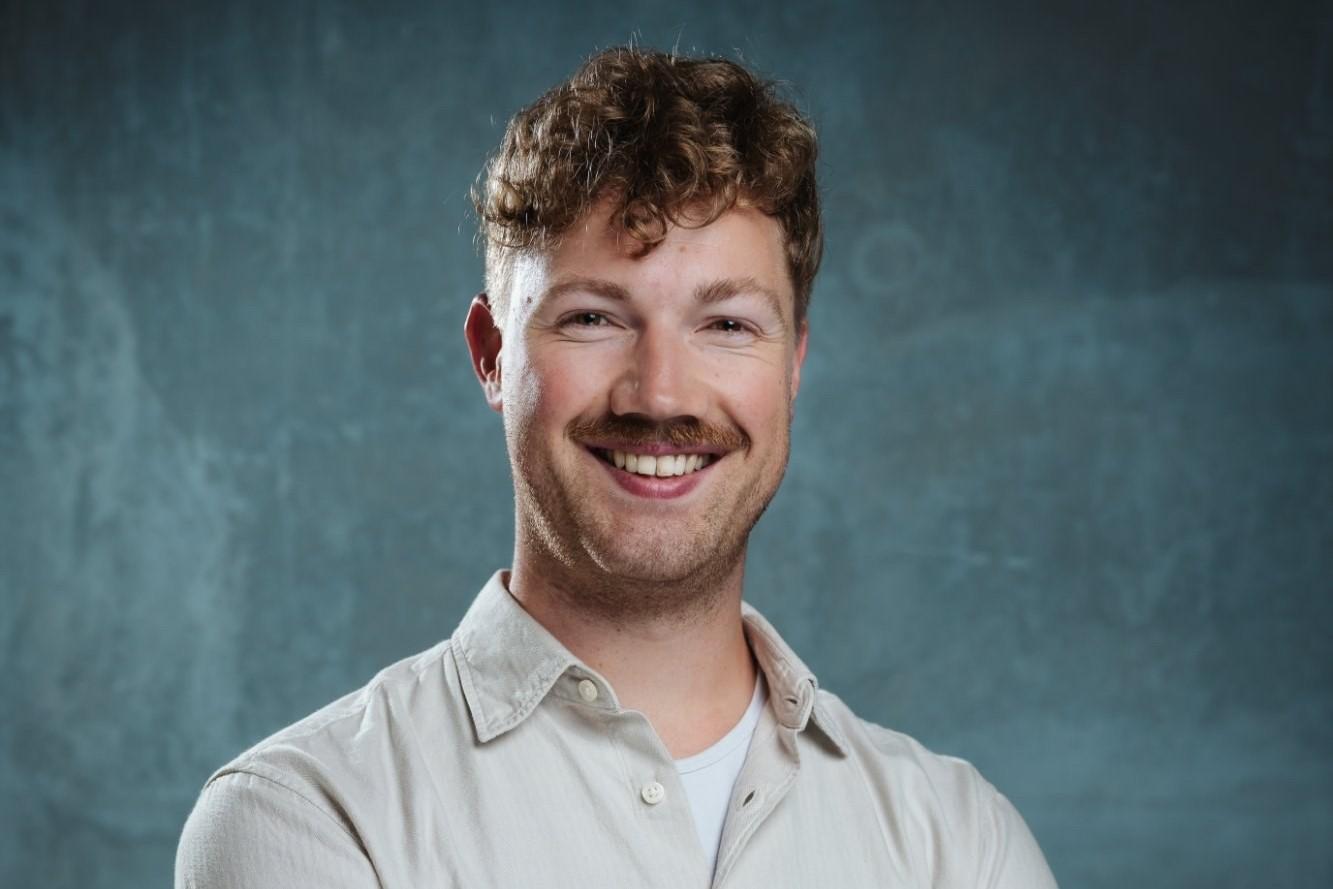
The loan from Sparkasse Aachen sends an important signal.
Daniel Dietz, CFO of cylib
He sees this as proof that even traditional lenders are willing to finance the company’s business model. For its part, Sparkasse Aachen highlights the company’s regional significance. cylib demonstrates how scientific research and entrepreneurial development originating in Aachen can lead to industrial activities extending beyond the region. The specific loan terms, including the term and interest rate, have not been disclosed. The amount of the loan also remains undisclosed.
Battery Recycling as a Cornerstone of Europe’s Raw Materials Supply
With its technology, cylib aims to contribute to the recovery of critical battery raw materials. The so-called OLiC technology (Optimized Lithium and Graphite Recovery) is based on water-based processes and is designed specifically to improve the recovery of lithium and graphite.
According to the company, the process achieves recovery rates of more than 90 percent for lithium, graphite, nickel, cobalt, and manganese. In addition, the CO₂ footprint is said to be up to 80 percent lower than that of primary extraction of the raw materials.
The industrial implementation of such technologies is gaining importance against the backdrop of European battery production and the goal of reducing dependence on raw materials. At the same time, recycling companies must prove the viability of their processes not only technically but also economically on an industrial scale.
For cylib, therefore, the key factors will be how quickly existing capacities can be fully utilized and when the planned facility in Dormagen begins operations.
With this first bank financing, the Aachen-based startup now has a more diversified financing mix. The loan also demonstrates that traditional financial institutions can play a complementary role to venture capital and public funding programs in scaling capital-intensive deep-tech companies.


Newsletter
Startups, stories and stats from the German startup ecosystem straight to your inbox. Subscribe with 2 clicks. Noice.
LinkedIn ConnectFYI: English edition available
Hello my friend, have you been stranded on the German edition of Startbase? At least your browser tells us, that you do not speak German - so maybe you would like to switch to the English edition instead?
FYI: Deutsche Edition verfügbar
Hallo mein Freund, du befindest dich auf der Englischen Edition der Startbase und laut deinem Browser sprichst du eigentlich auch Deutsch. Magst du die Sprache wechseln?