reverse.fashion Receives Seven-Figure HTGF Investment for AI-Powered Textile Sorting

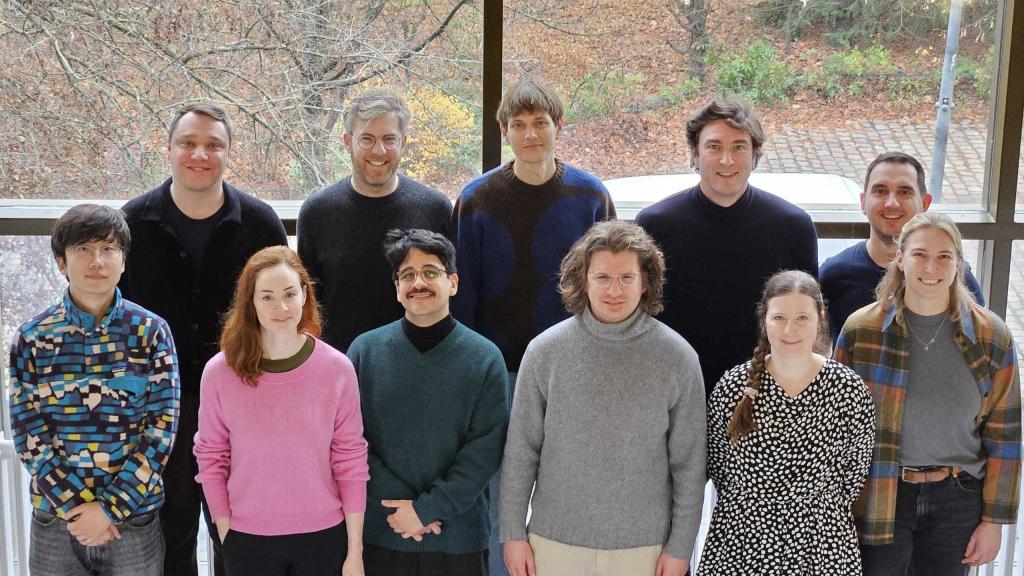
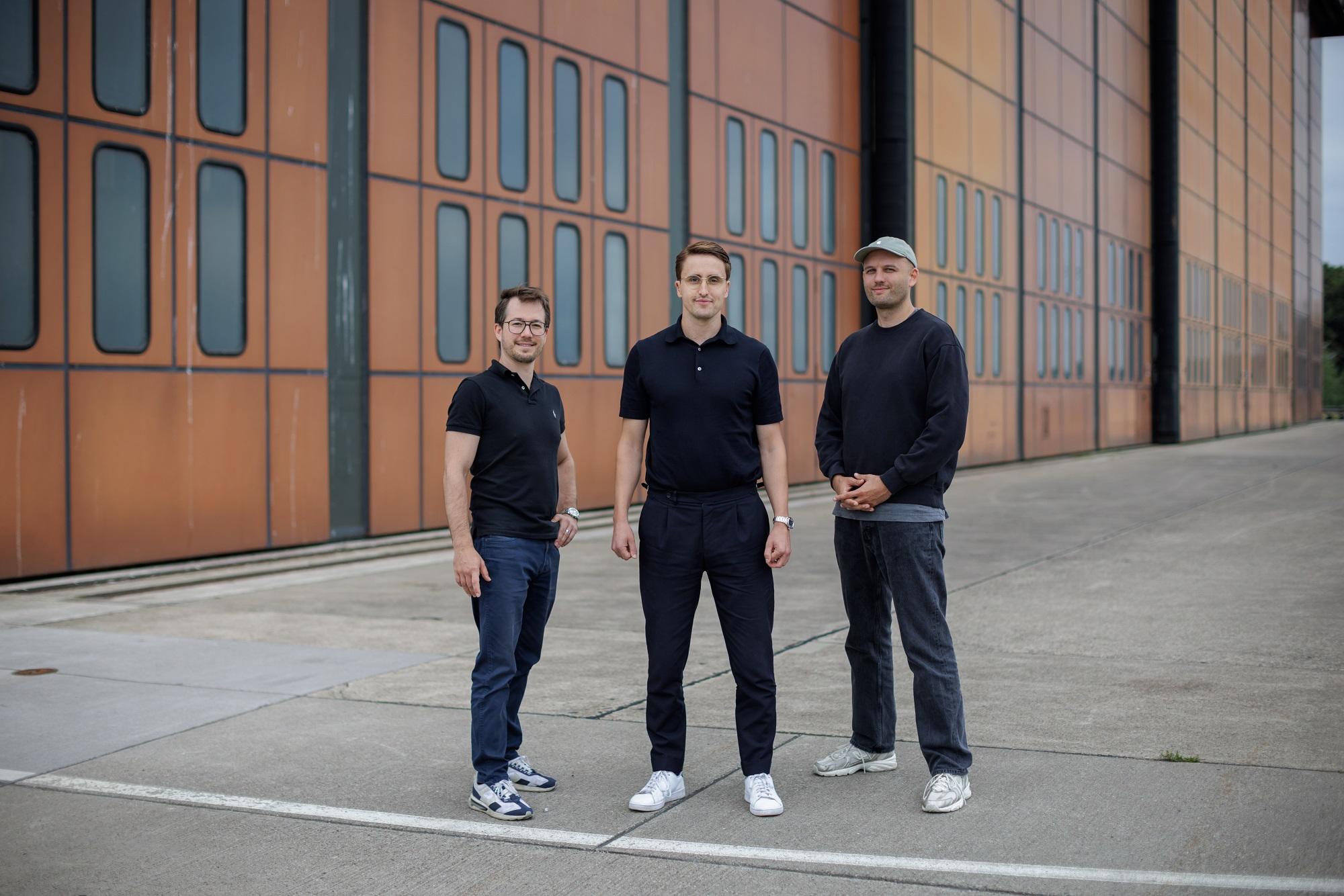
The Berlin-based AI startup reverse.fashion aims to sort millions of metric tons of used textiles each year using intelligent sorting technology and has secured a seven-figure round of funding to expand its pre-seed financing.
The investment comes from High-Tech Gründerfonds (HTGF). With the fresh capital, the company plans to accelerate the market launch of its industrial sorting solution and further expand existing pilot projects.
AI Aims to Eliminate the Bottleneck in the Textile Circular Economy
In order for used clothing to be transformed back into high-quality secondhand goods or recycled materials, textiles must first be sorted as precisely as possible. This is precisely where manual processes are increasingly reaching their limits.
reverse.fashion therefore relies on AI-powered sorting systems that automatically analyze and digitally record garments based on criteria such as condition, brand, style, size, or material composition. On this basis, textiles can then be specifically directed toward resale or high-quality recycling processes.
With the successful pilot phase and our current market entry, we are entering a new phase in our company’s development. We are all the more pleased to have the HTGF as an experienced partner by our side
Mario Osterwalder, Co-Founder of reverse.fashion
According to the company, the technology increases the productivity of sorting facilities by about 40 percent while boosting revenue by approximately 20 percent.
From Pilot Project to Market
With the new funding, the focus is now shifting to the commercial rollout. The pilot projects already underway for the co.sort software solution are set to be expanded. At the same time, reverse.fashion is launching the market introduction of the comprehensive industrial solution line.sort, which is designed to enable automated sorting processes on a large scale.
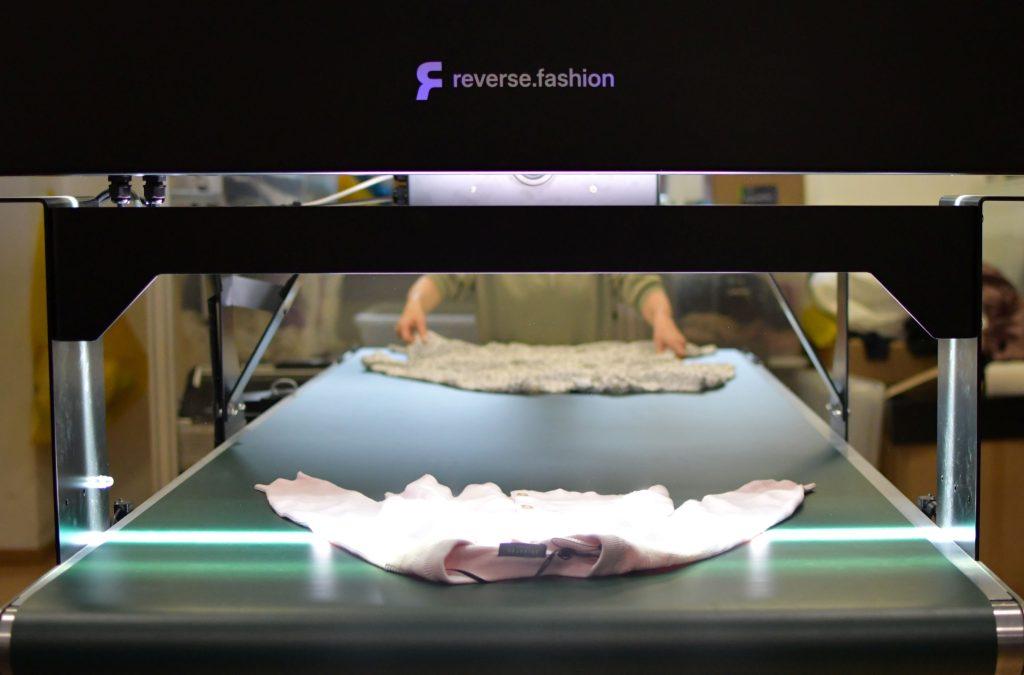
The goal is to make textile sorting—which has been predominantly manual until now—more efficient, cost-effective, and scalable through AI-powered systems.
The circular economy needs smart infrastructure
This funding demonstrates that investors are increasingly focusing on technologies that address key bottlenecks in the circular economy. In the textile industry in particular, precise sorting determines whether clothing is resold, high-quality recycled, or ultimately disposed of.
Increasing regulatory requirements, such as EPR and EU mandates, are driving the transformation of the textile industry. With its AI technology, reverse.fashion addresses a key bottleneck and lays the foundation for greater efficiency and profitability.
Dr. Anne Umbach, Senior Investment Manager at HTGF
By combining artificial intelligence, automation, and digitalization, reverse.fashion is addressing a part of the value chain that has often been underestimated and could help make textile cycles more economically viable in the future.





Newsletter
Startups, stories and stats from the German startup ecosystem straight to your inbox. Subscribe with 2 clicks. Noice.
LinkedIn ConnectFYI: English edition available
Hello my friend, have you been stranded on the German edition of Startbase? At least your browser tells us, that you do not speak German - so maybe you would like to switch to the English edition instead?
FYI: Deutsche Edition verfügbar
Hallo mein Freund, du befindest dich auf der Englischen Edition der Startbase und laut deinem Browser sprichst du eigentlich auch Deutsch. Magst du die Sprache wechseln?