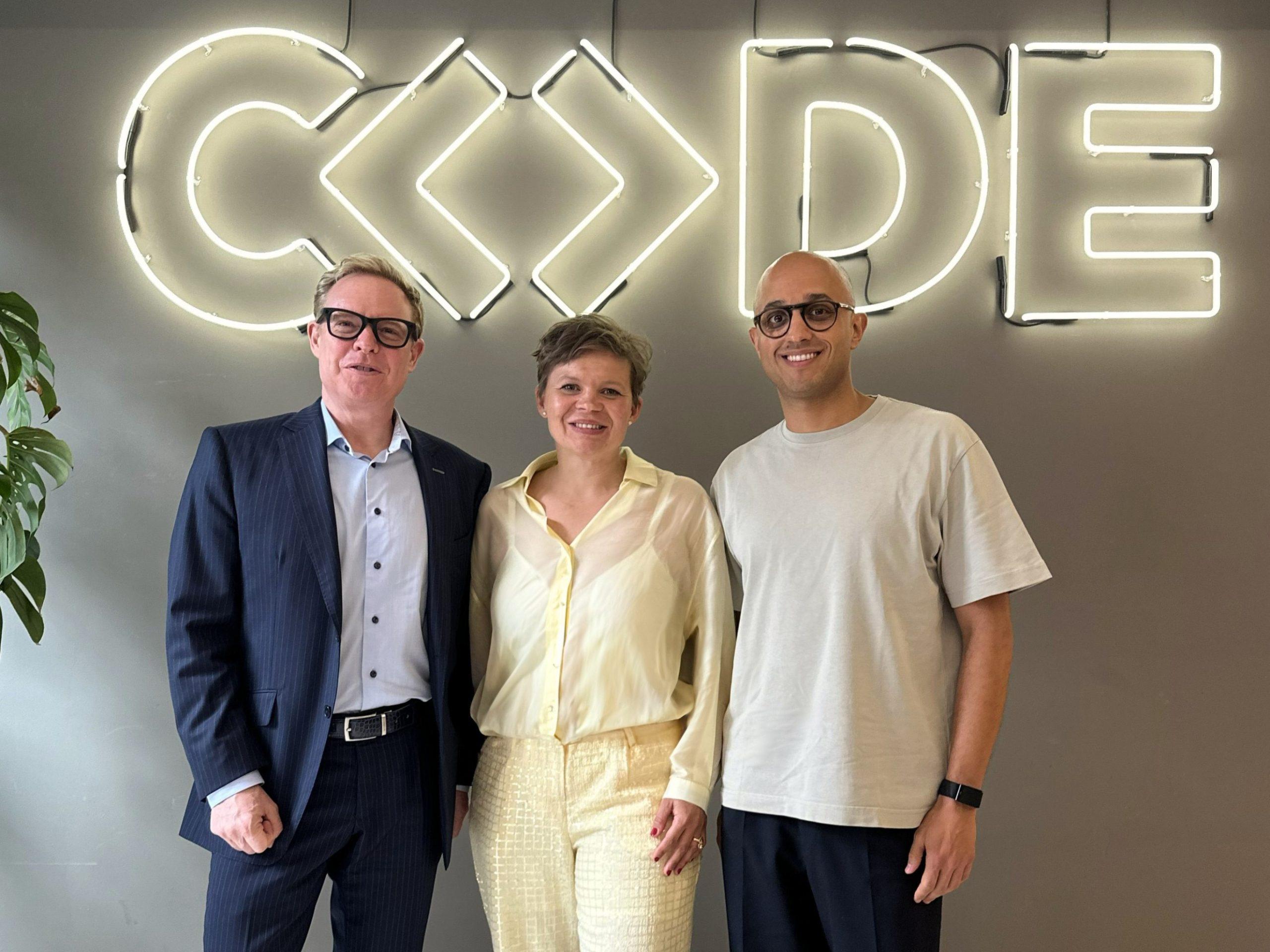
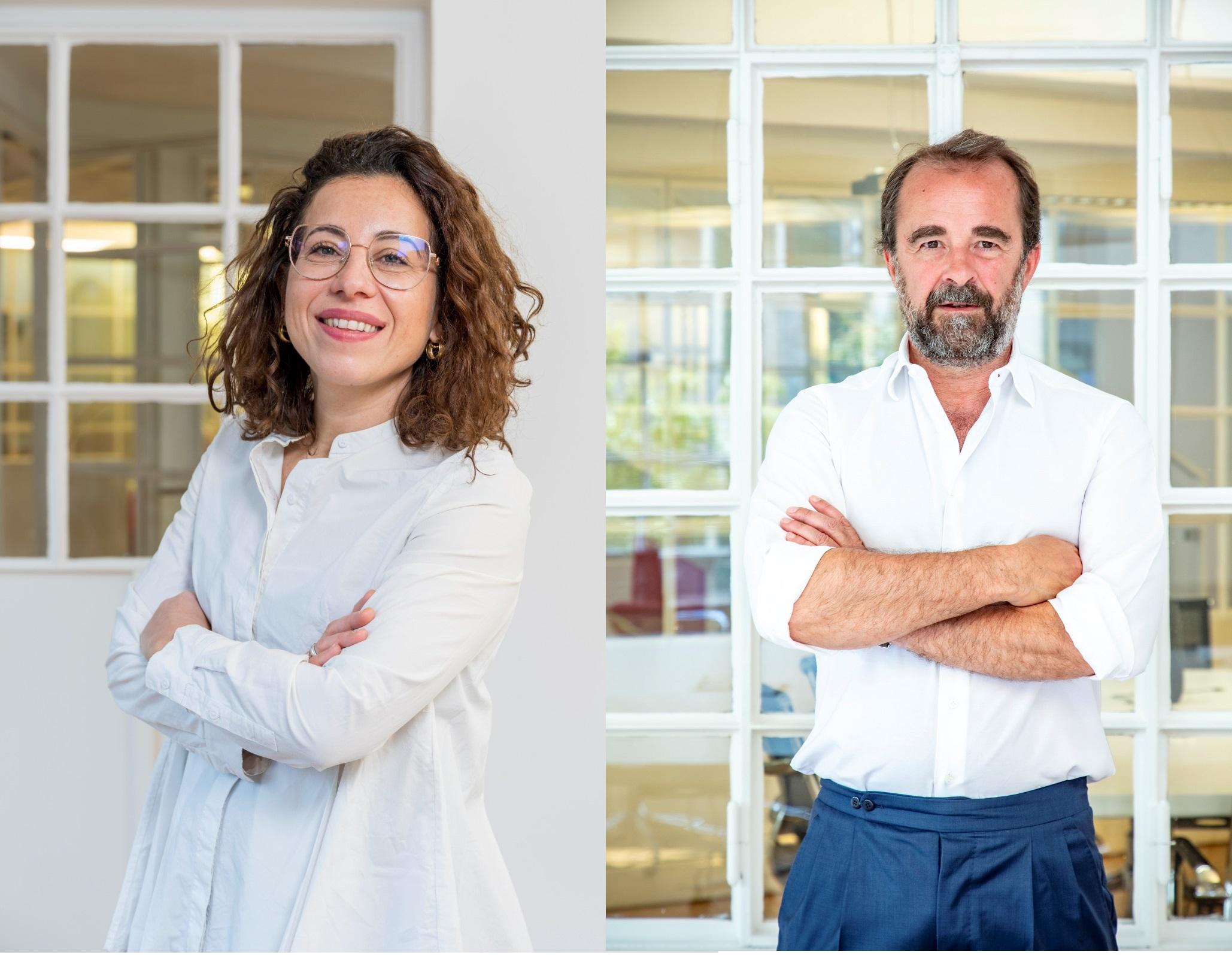
Climentum Launches Second Climate-Tech Fund with 60 Million Euros

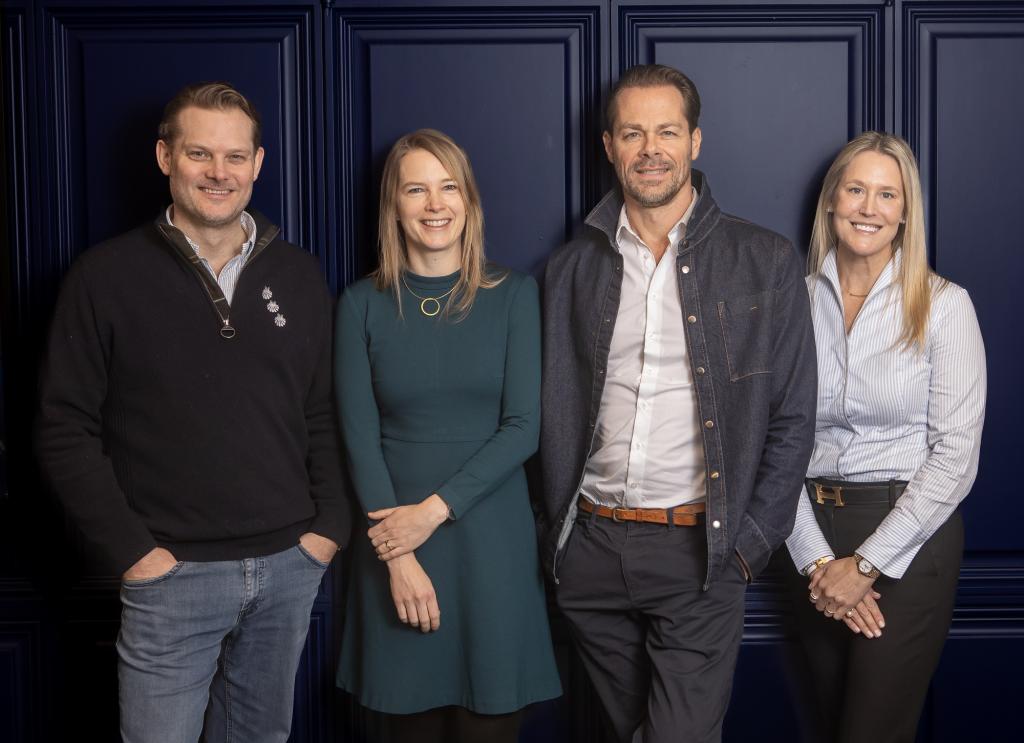
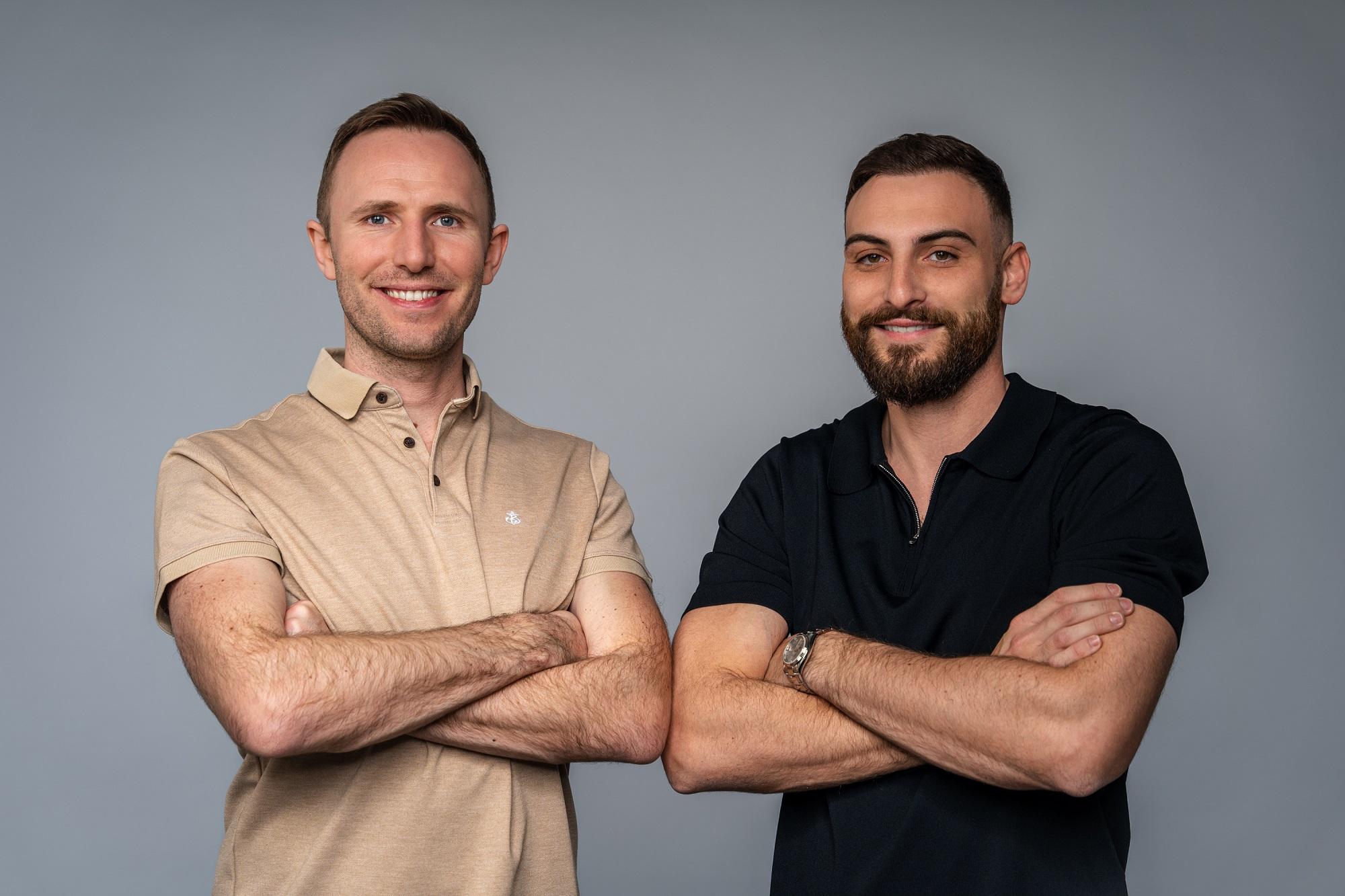
The Danish climate and hard-tech investor Climentum Capital has completed the first closing of its second fund, raising 60 million euros in the process. With this, Climentum has already reached the total size of its first fund, launched in 2022, right at the start of the new fund. In the long term, the new fund is expected to reach a volume of up to 100 million euros.
With the new capital, Climentum intends to continue investing in European hard-tech startups working to build a more sustainable, resilient, and competitive industrial base for Europe. The focus is particularly on technologies in the areas of energy security, industrial efficiency, and resilient supply chains.
Europe’s Industrial Policy Becomes an Investment Case
When Climentum launched its first fund, the link between climate protection, industrial competitiveness, and geopolitical resilience was still considered a relatively niche investment thesis. Since then, geopolitical crises, disrupted supply chains, and the debate over Europe’s strategic sovereignty have significantly increased the relevance of these issues.
The ongoing war in Ukraine, uncertainties in global energy markets, and the increasing fragmentation of international trade relations have validated the original investment thesis more quickly than expected, the company explains. Climentum specifically invests in companies that not only contribute to decarbonization but also strengthen Europe’s industrial resilience.
Initial exit successes confirm the strategy
With the launch of Fund II, Climentum can already point to its first successful exits. For example, the portfolio company KNXT was acquired by the Swedish industrial group Studsvik less than three years after Climentum’s investment. For the investor, this serves as confirmation of its central thesis. European industrial companies increasingly need specialized technologies to remain competitive in the long term and secure their technological sovereignty.
Strong institutional support
Among the new fund’s most important investors is once again the Danish sovereign wealth fund EIFO, which had already supported the first fund as an anchor investor. New additions include the European Investment Fund (EIF), the fund’s largest single investor to date, as well as the Danish engineering association IDA.
The investor group is rounded out by industrial companies, family offices, and institutional investors from Northern Europe, many of whom are themselves active in the industrial sectors on which Climentum focuses.
Climentum emphasizes that the composition of the investor group sends an important signal, particularly in a challenging financing environment for climate and hard-tech startups. Investors today are acting much more selectively and demanding robust evidence of technological and economic viability.
European Hard-Tech Companies
Climentum is not changing its fundamental strategy with Fund II. The company intends to continue leading seed and Series A rounds for European B2B hard-tech startups.
It will invest in particular in technologies that contribute to energy security, the stabilization of supply chains, and increased industrial efficiency. As an Article 9 fund, Climentum pursues an approach that combines financial returns with measurable CO₂ savings.
Focus on Germany and Northern Europe
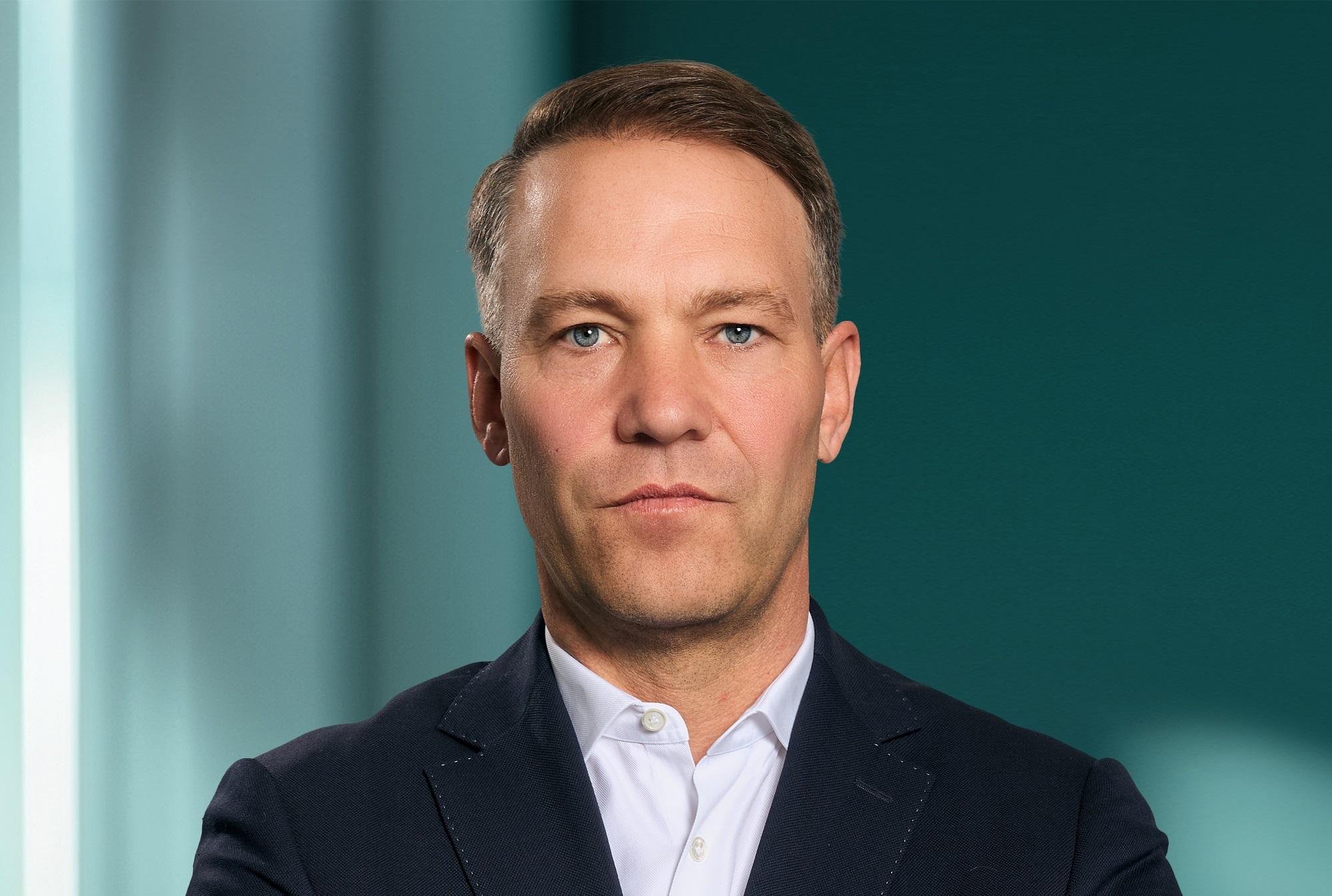
The fund’s investment activities are primarily concentrated in Germany and the Nordic countries. Climentum also strengthened its leadership team at the end of 2025 with the addition of Jennifer Dungs. A chemist with a Ph.D., she brings more than 25 years of industry and investment experience from companies including Porsche, BMW, and InnoEnergy.
With its second fund, Climentum is positioning itself in a market increasingly shaped by the question of how Europe can modernize its industrial base while becoming less dependent on global supply chains.
The real challenge here is likely not identifying suitable technologies, but rather the ability of the European capital market to provide sufficient capital for industrial transformation.

Newsletter
Startups, stories and stats from the German startup ecosystem straight to your inbox. Subscribe with 2 clicks. Noice.
LinkedIn ConnectFYI: English edition available
Hello my friend, have you been stranded on the German edition of Startbase? At least your browser tells us, that you do not speak German - so maybe you would like to switch to the English edition instead?
FYI: Deutsche Edition verfügbar
Hallo mein Freund, du befindest dich auf der Englischen Edition der Startbase und laut deinem Browser sprichst du eigentlich auch Deutsch. Magst du die Sprache wechseln?