12 Million Euros for Tax Advisory AI Startup Skalar

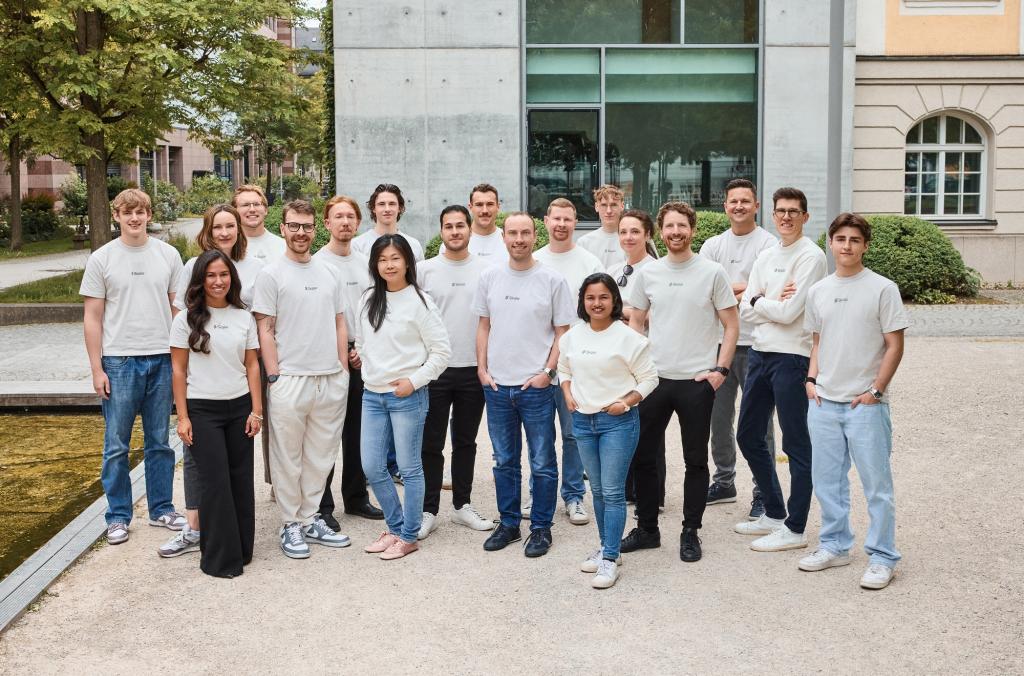
The Munich-based startup Skalar has closed a pre-seed and seed funding round totaling 12 million euros. The round is led by Headline. Other participants include futurepresent, QED Investors, Repeat, MS&AD, Foreword, and several renowned business angels.
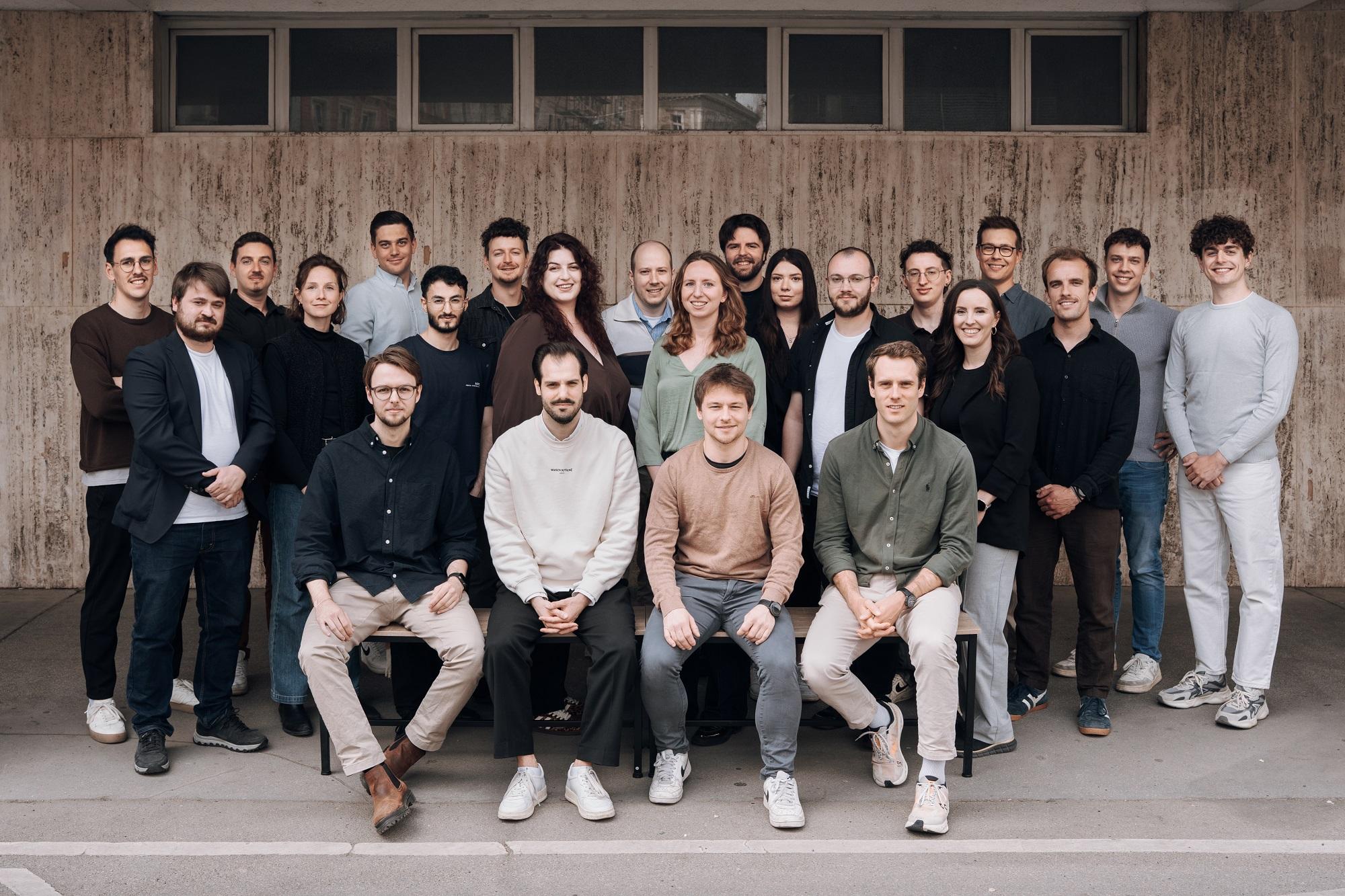
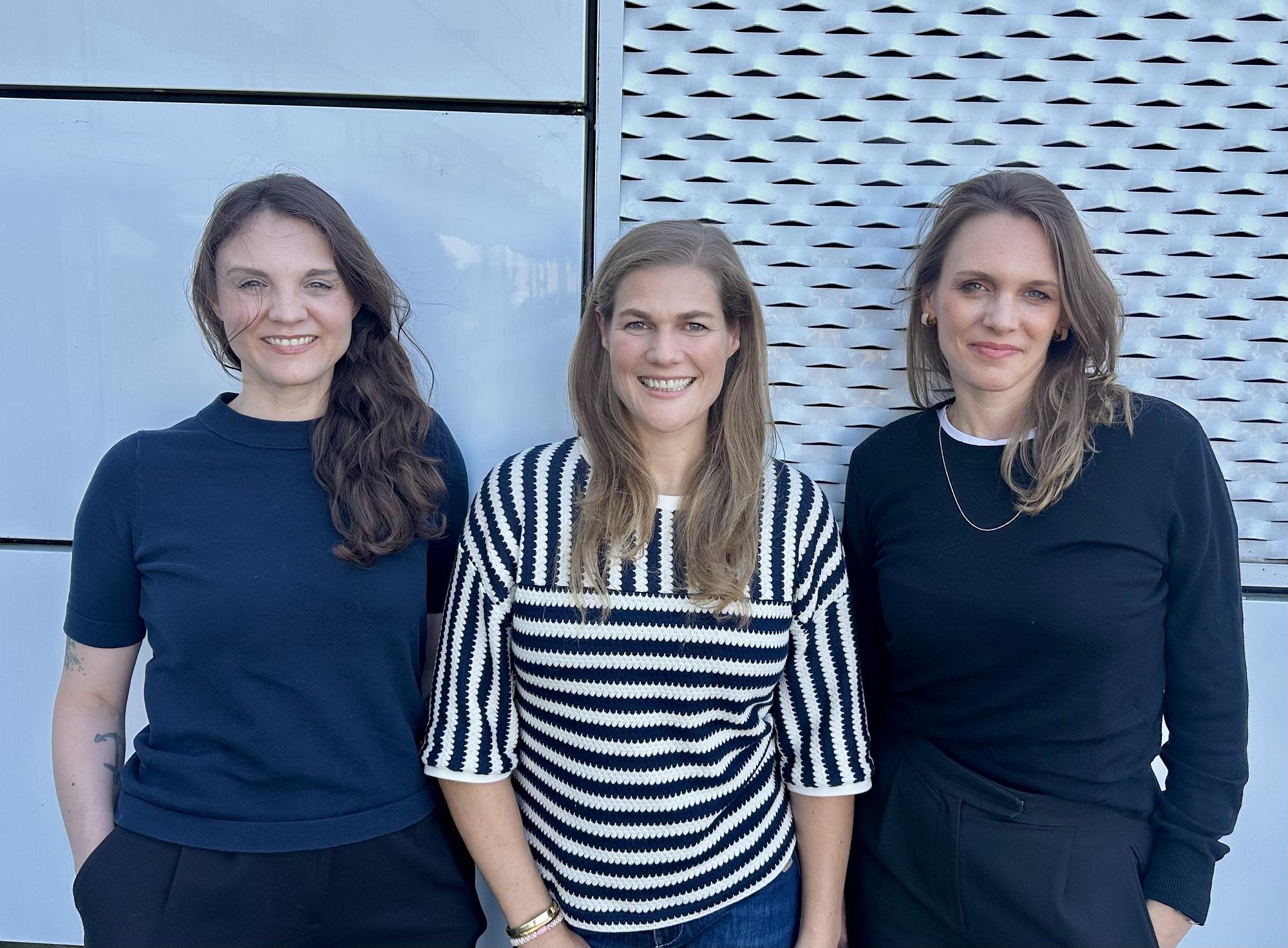
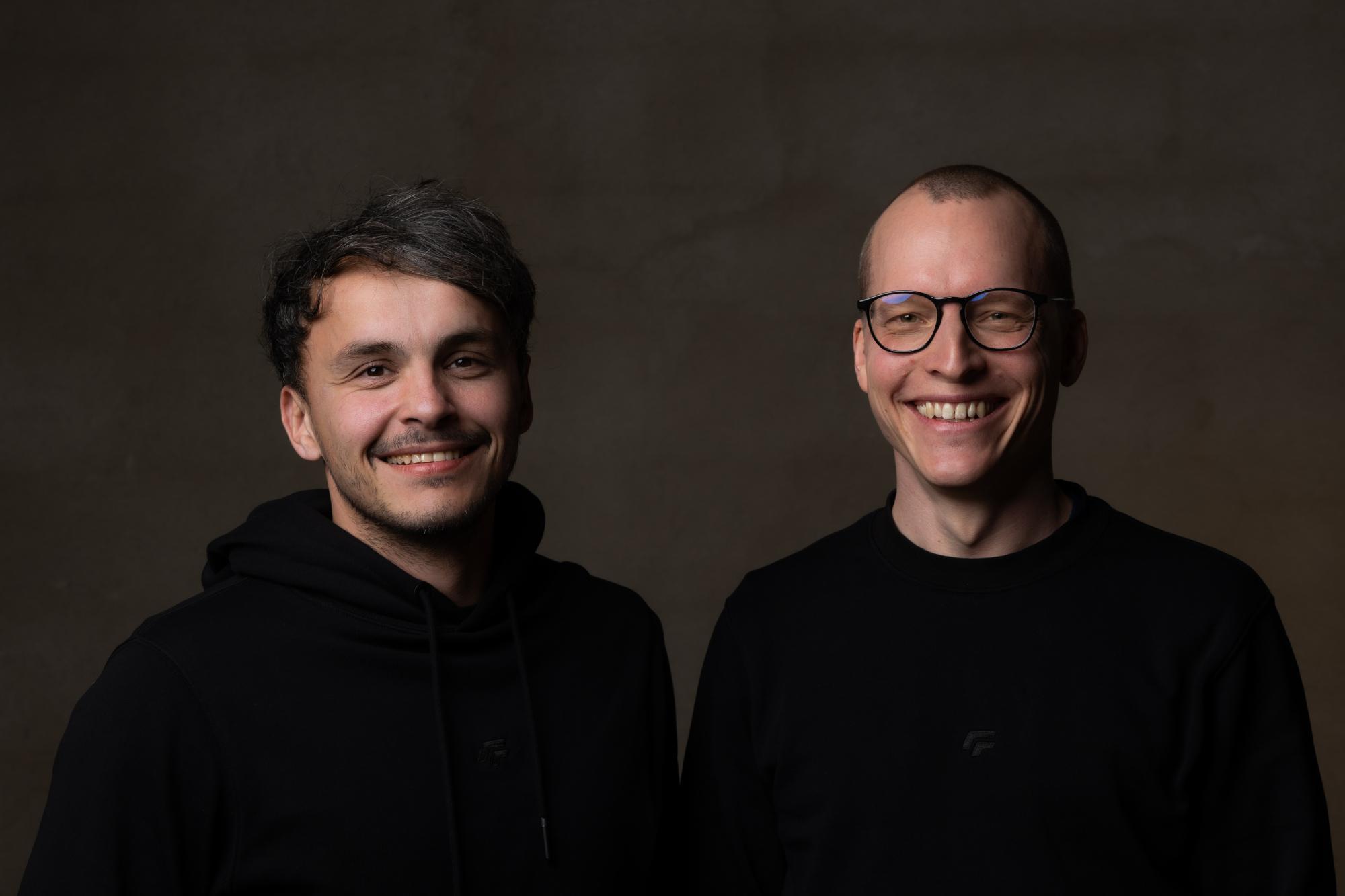
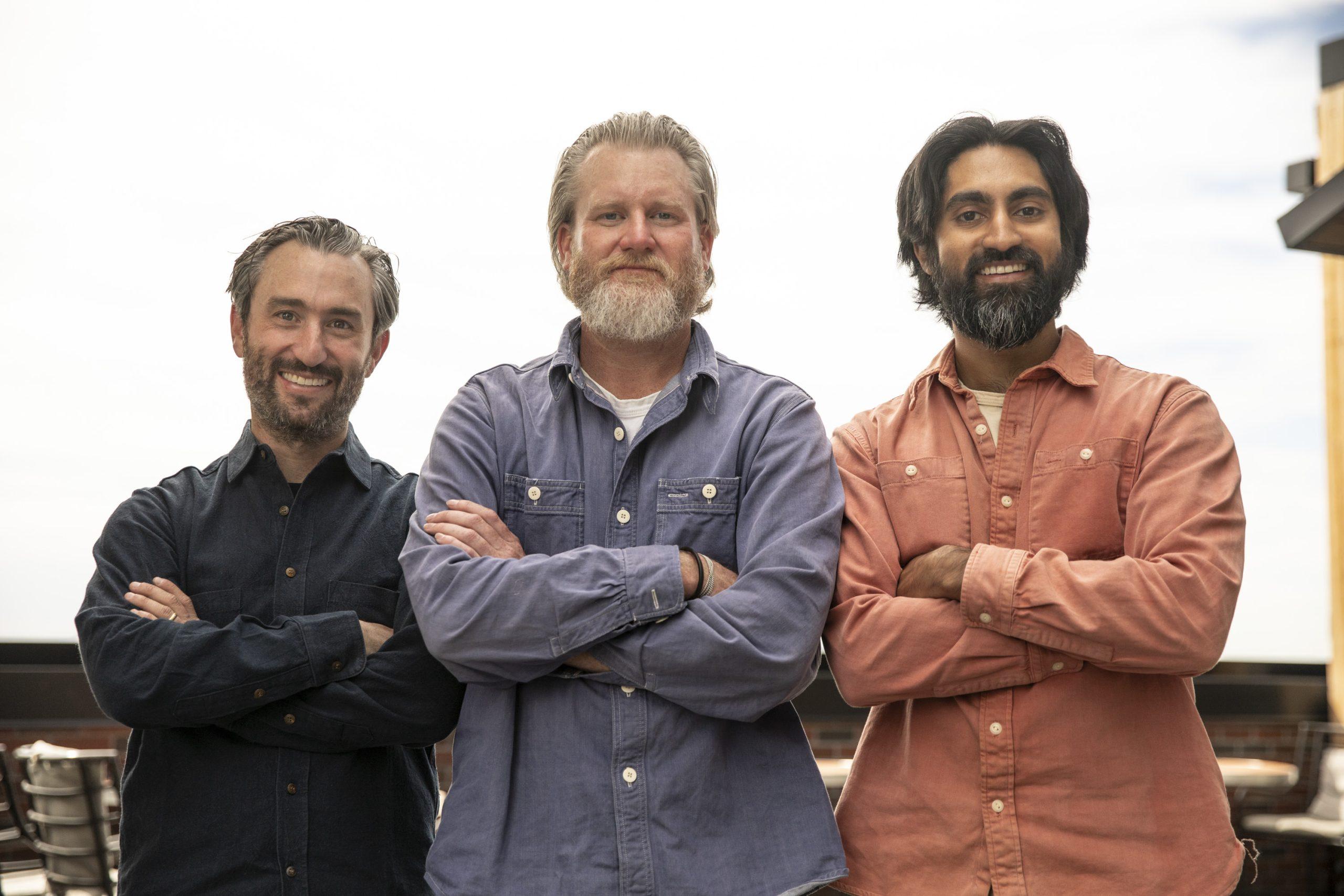
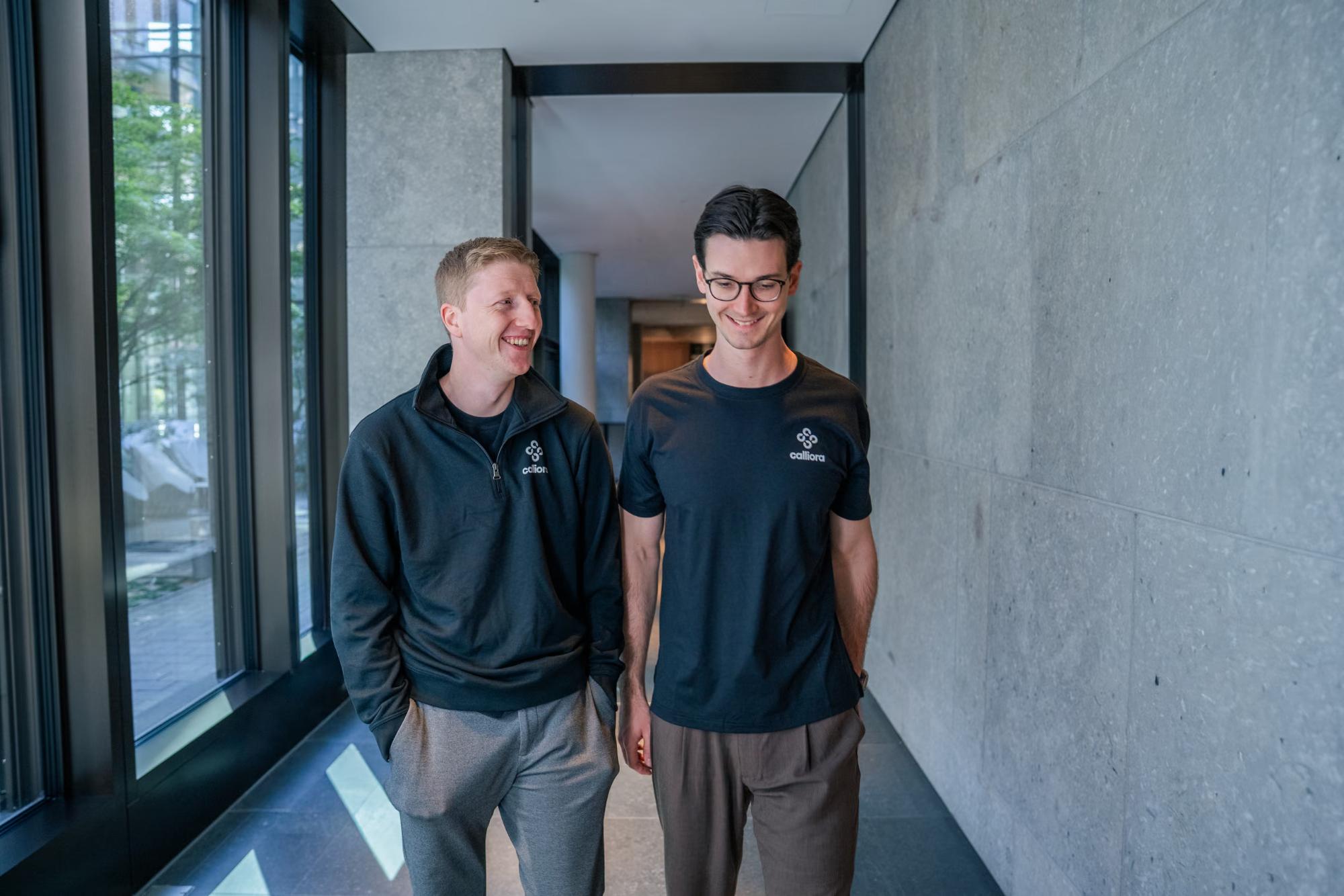
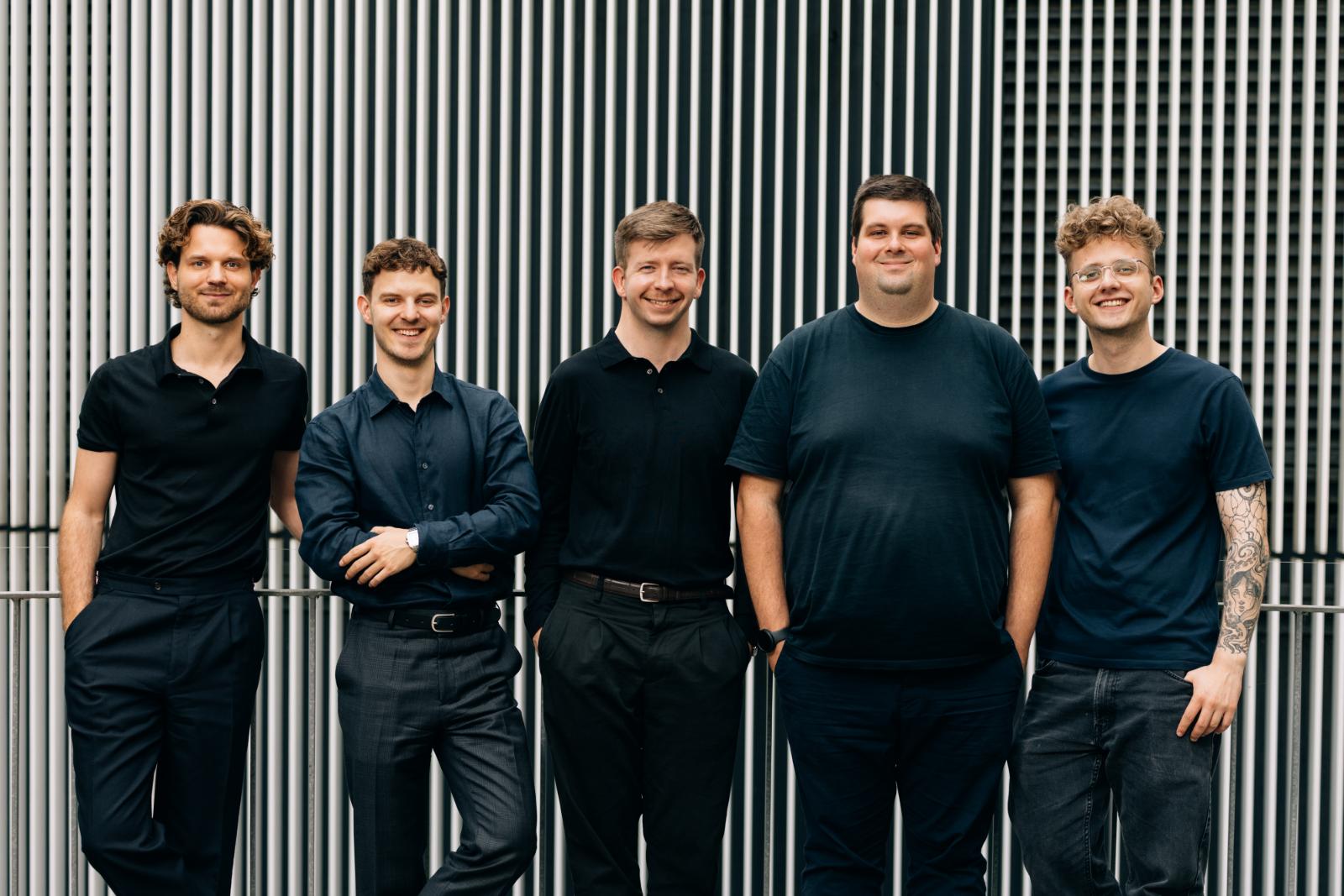
Skalar was founded in 2025 by Björn Goß, the founder of the loyalty card startup Stocard, together with Niklas Wagener, Florian Lang, Martin Gugel, and Christian Pötter. Following the sale of Stocard to Klarna, the founding team now aims to rethink the tax industry with a fully AI-native approach.
AI Instead of a Software Upgrade
While many providers are adding AI features to existing tax software, Skalar is taking a different approach. The company is building a tax firm and its associated technology stack from the ground up, designed entirely around artificial intelligence.
AI agents handle recurring tasks in bookkeeping, payroll, and tax consulting, working alongside human tax experts. The goal is to relieve tax advisors of routine tasks and, in the future, advise companies based on real-time data rather than retrospective analyses.
Skills Shortage as a Driver
Skalar addresses a problem that affects the entire industry. More and more tax firms are struggling with an acute shortage of skilled workers, while at the same time numerous tax advisors are nearing retirement. As a result, it is becoming increasingly difficult for many companies to find a tax firm at all.
According to the company, thanks to its automated processes, a single tax expert can now serve more than 100 clients, up from about 20 previously. At the same time, Skalar received over 1,000 customer inquiries in the first three months after its market launch.
Capital Flows into Automation and Growth
Skalar plans to use the 12 million euros to further develop its AI platform, automate additional workflows, and meet the high demand. The founding team is convinced that artificial intelligence will fundamentally transform the tax industry—not by modernizing existing systems, but through entirely new, AI-native firm models.
As welcome as any technological innovation or new service is that relieves entrepreneurs of the burden of navigating the bureaucratic jungle, it cannot replace the state’s actual role. Founders, in particular, should invest their time in product development, customer acquisition, and innovation. Above all, they should not waste it struggling for several days each month with forms, documentation requirements, and ever-changing regulatory mandates. Reducing bureaucracy must not be outsourced to private companies; rather, it must finally become a fundamental political reform. Germany will only be able to secure its innovative strength in the long term if entrepreneurship becomes easier again. Anyone who expects startups to deliver growth, jobs, and future technologies must also give them the freedom to work on precisely those things.





Newsletter
Startups, stories and stats from the German startup ecosystem straight to your inbox. Subscribe with 2 clicks. Noice.
LinkedIn ConnectFYI: English edition available
Hello my friend, have you been stranded on the German edition of Startbase? At least your browser tells us, that you do not speak German - so maybe you would like to switch to the English edition instead?
FYI: Deutsche Edition verfügbar
Hallo mein Freund, du befindest dich auf der Englischen Edition der Startbase und laut deinem Browser sprichst du eigentlich auch Deutsch. Magst du die Sprache wechseln?