Germany's Startup Boom Defies the Crisis: Why the Statistics Seem to Tell Different Stories

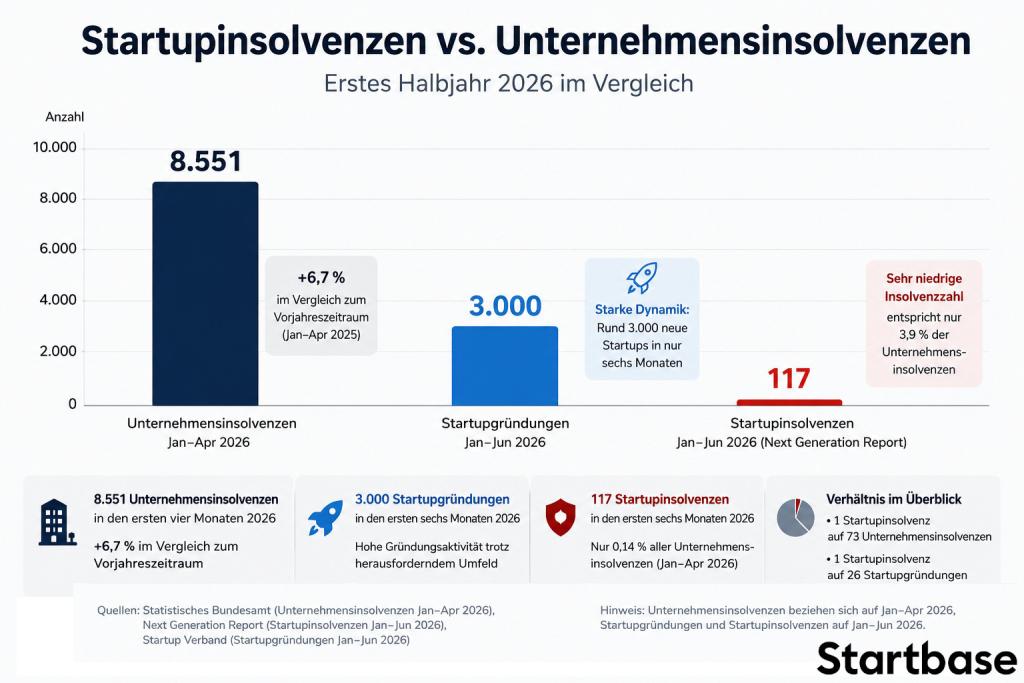
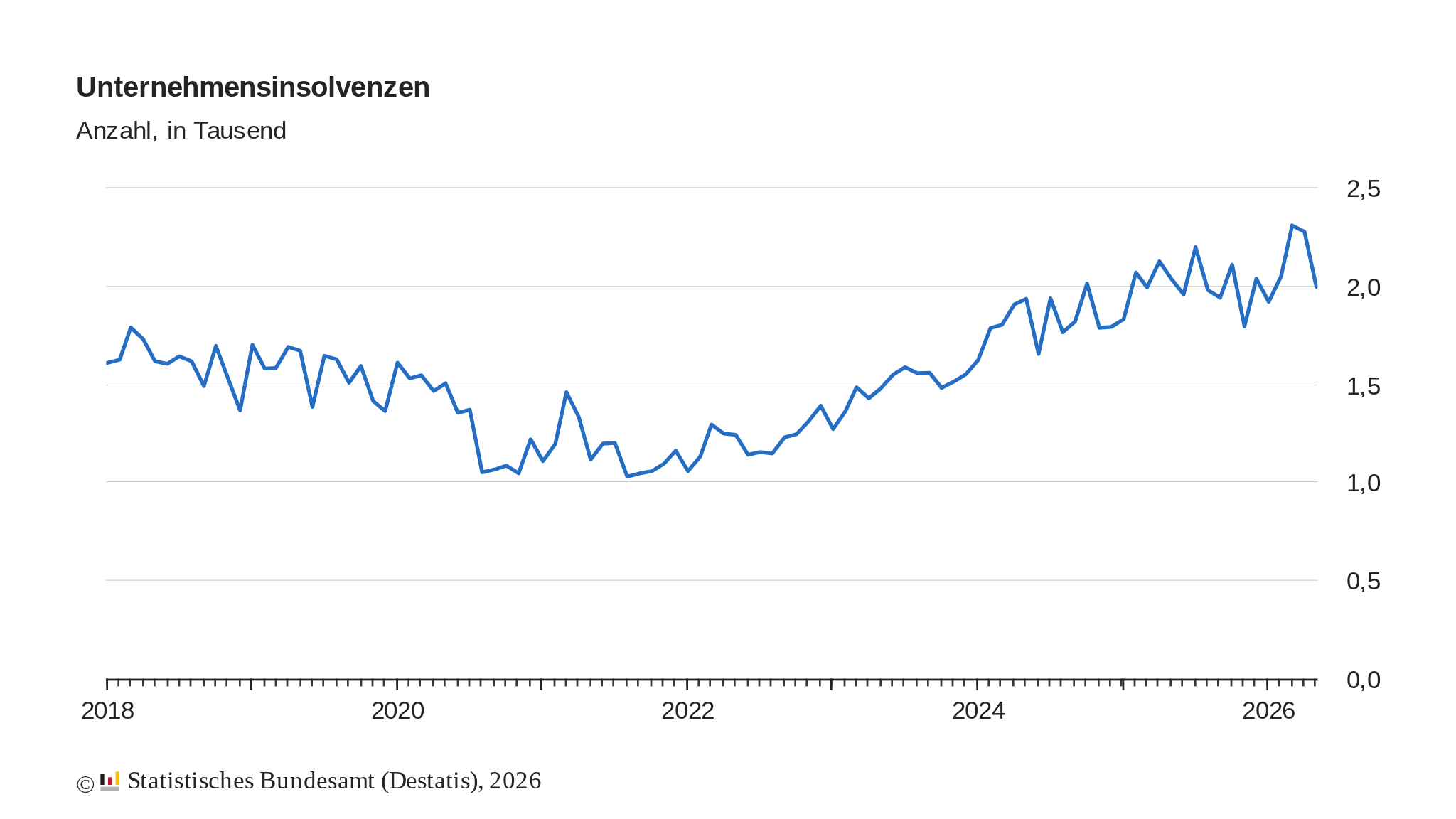
At first glance, the latest economic data appears contradictory. While the Federal Statistical Office reports another 7.1 percent year-over-year increase in corporate bankruptcies for April 2026, and at the same time some 15,000 manufacturing jobs are being lost month after month, the latest Next Generation Report for the first half of 2026 paints a surprisingly positive picture of the German startup scene. Only 117 startup insolvencies (167 in the first half of 25) were recorded in the first half of the year—a figure that seems almost astonishingly low given the general economic situation.
How does this all fit together? Is the German economy really in a prolonged crisis, while startups remain largely unaffected? Or do both sets of statistics simply show different aspects of the same reality?
As is so often the case, the answer lies somewhere in between.
Germany’s economy remains under pressure
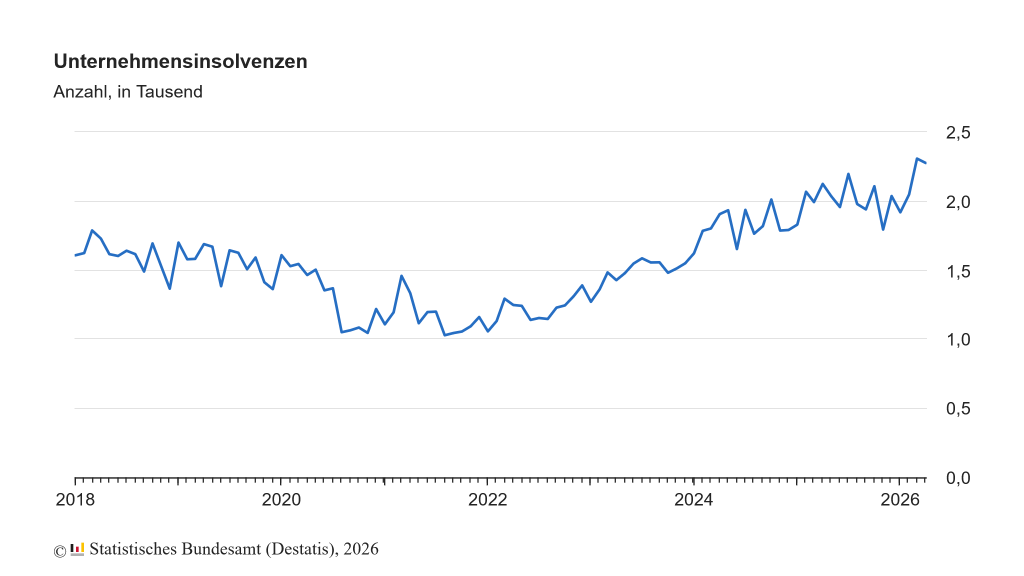
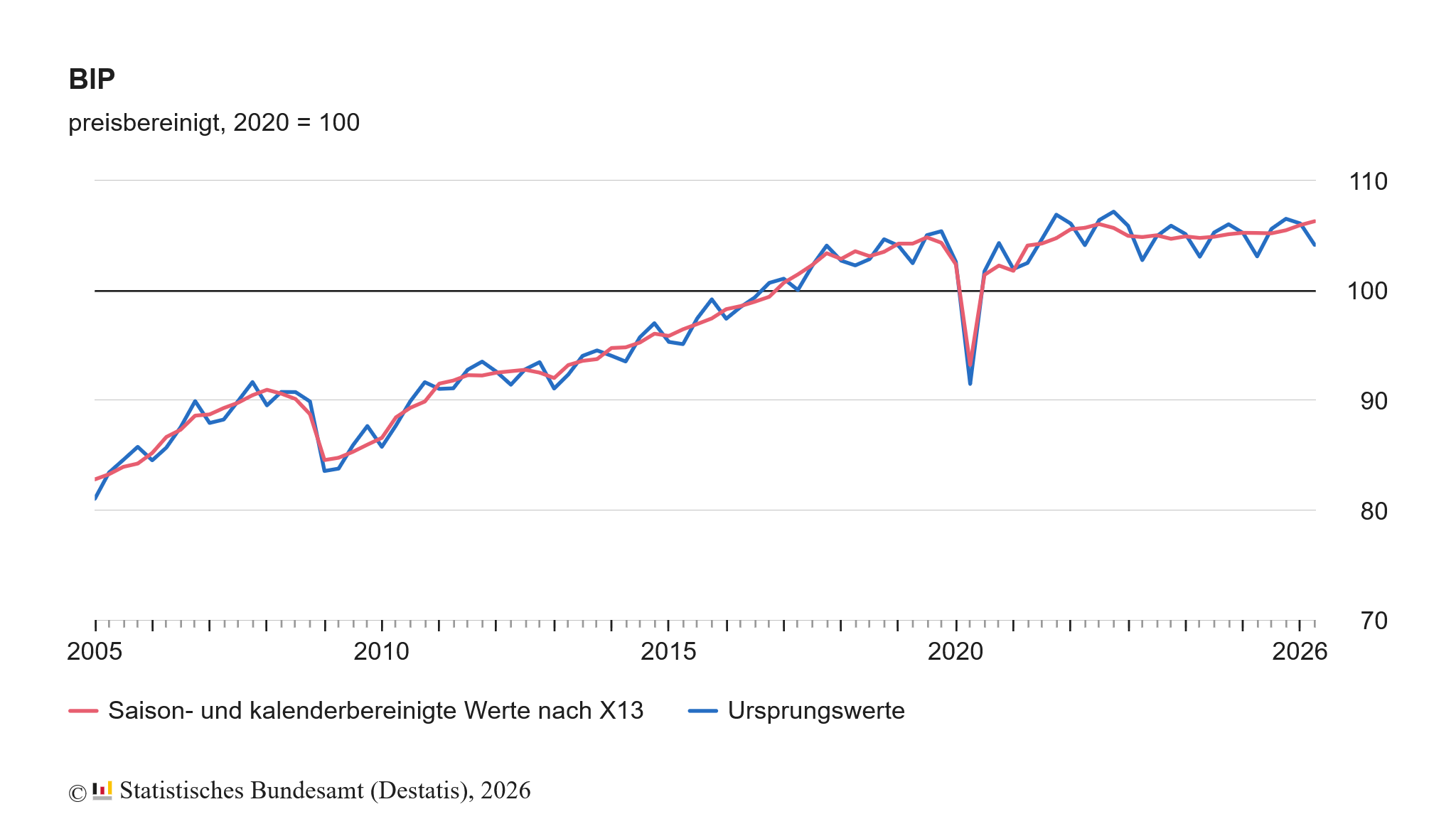
At first glance, the macroeconomic indicators speak for themselves. Between January and April 2026, 8,551 corporate insolvencies were recorded nationwide. This represents a 6.7 percent increase compared to the same period last year. Sectors such as transportation and logistics, the hospitality industry, and the construction sector have been particularly hard hit.
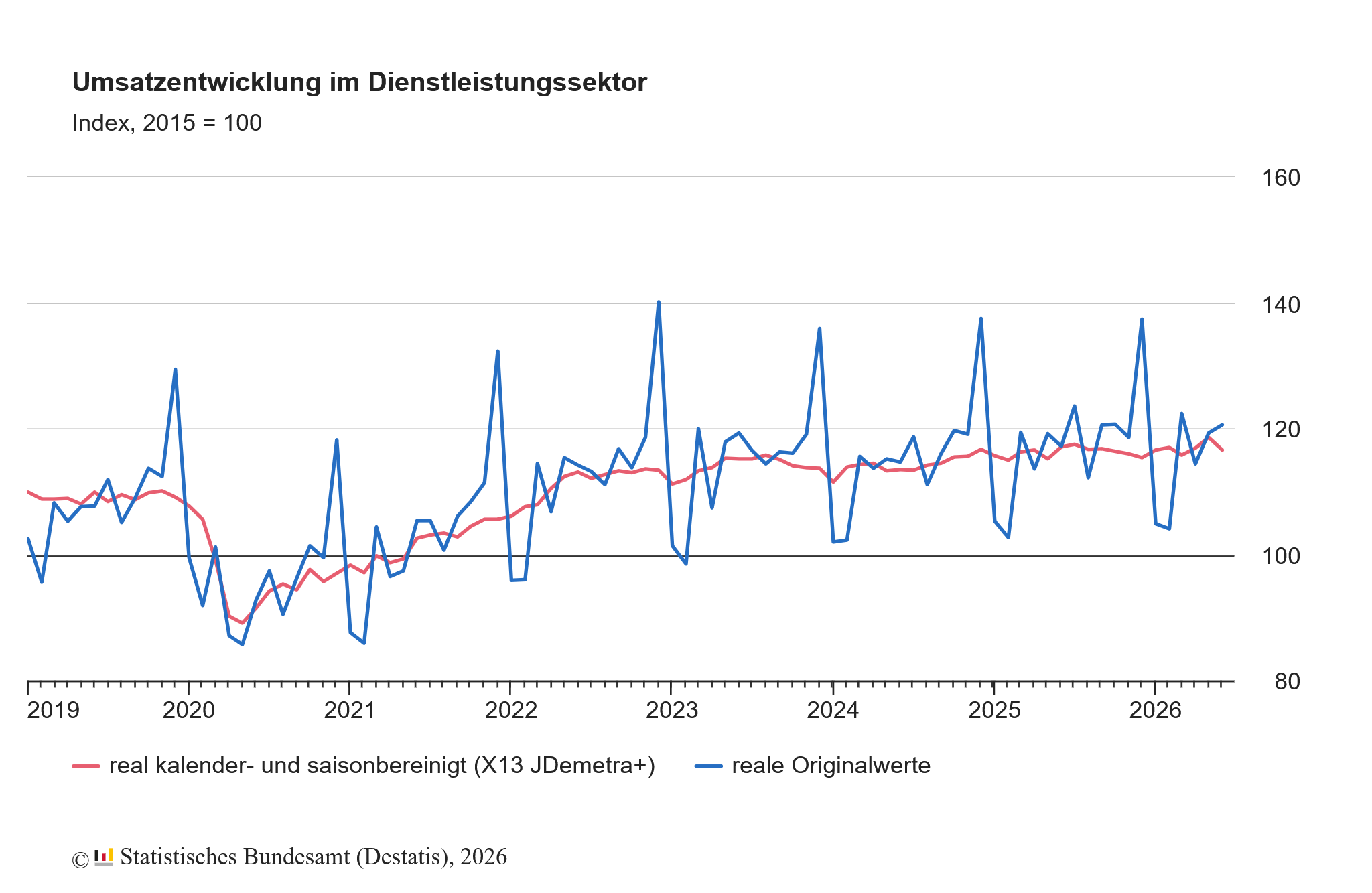
Even though inflation has since fallen back to 2.3 percent—and is thus significantly lower than during the peaks of recent years—this by no means signifies a return to economic normalcy. While the pace of price increases is slowing, companies continue to grapple with high labor costs, rising financing costs, and generally weak demand. Added to this are geopolitical uncertainties and structural challenges facing German industry.
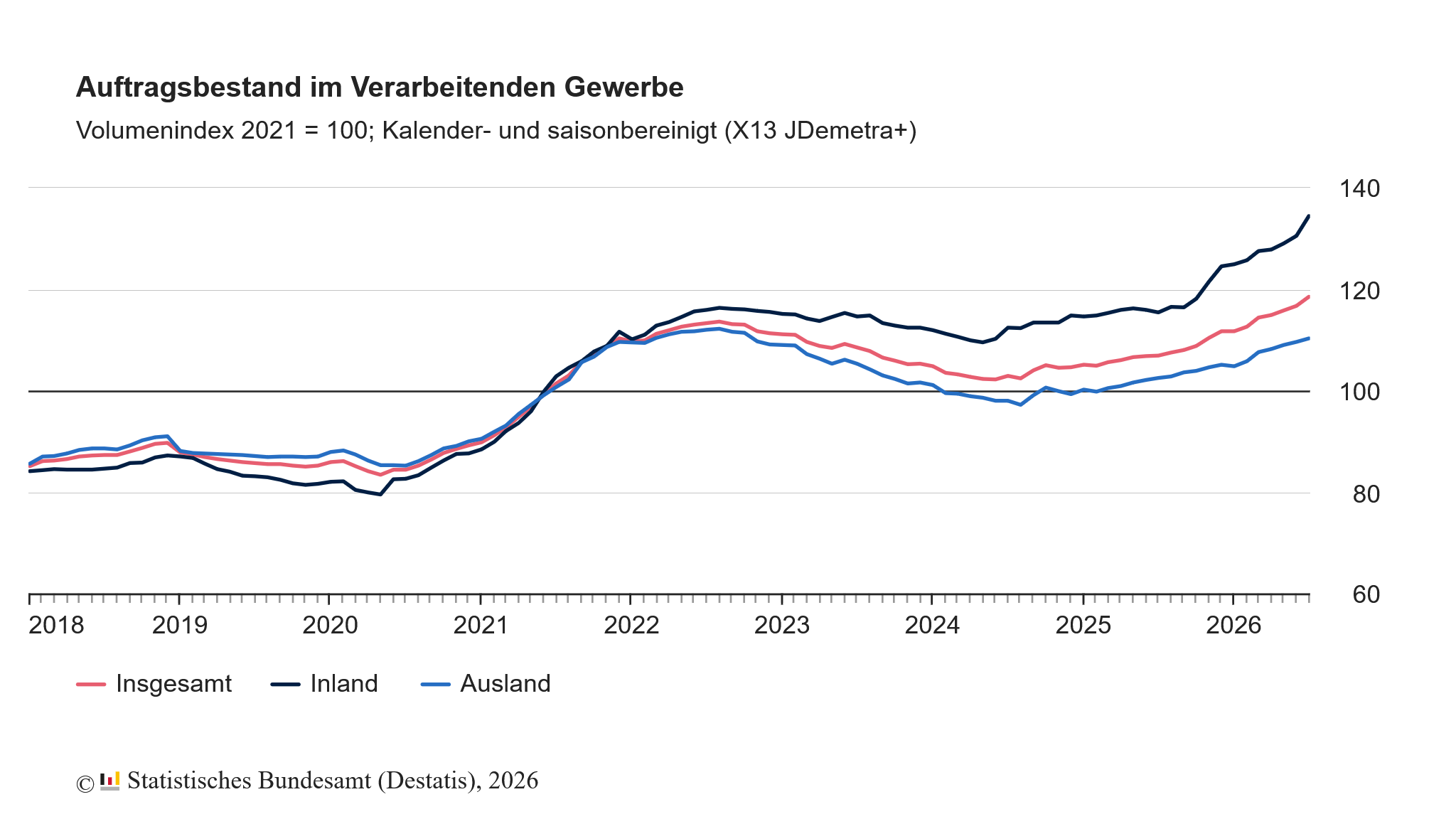
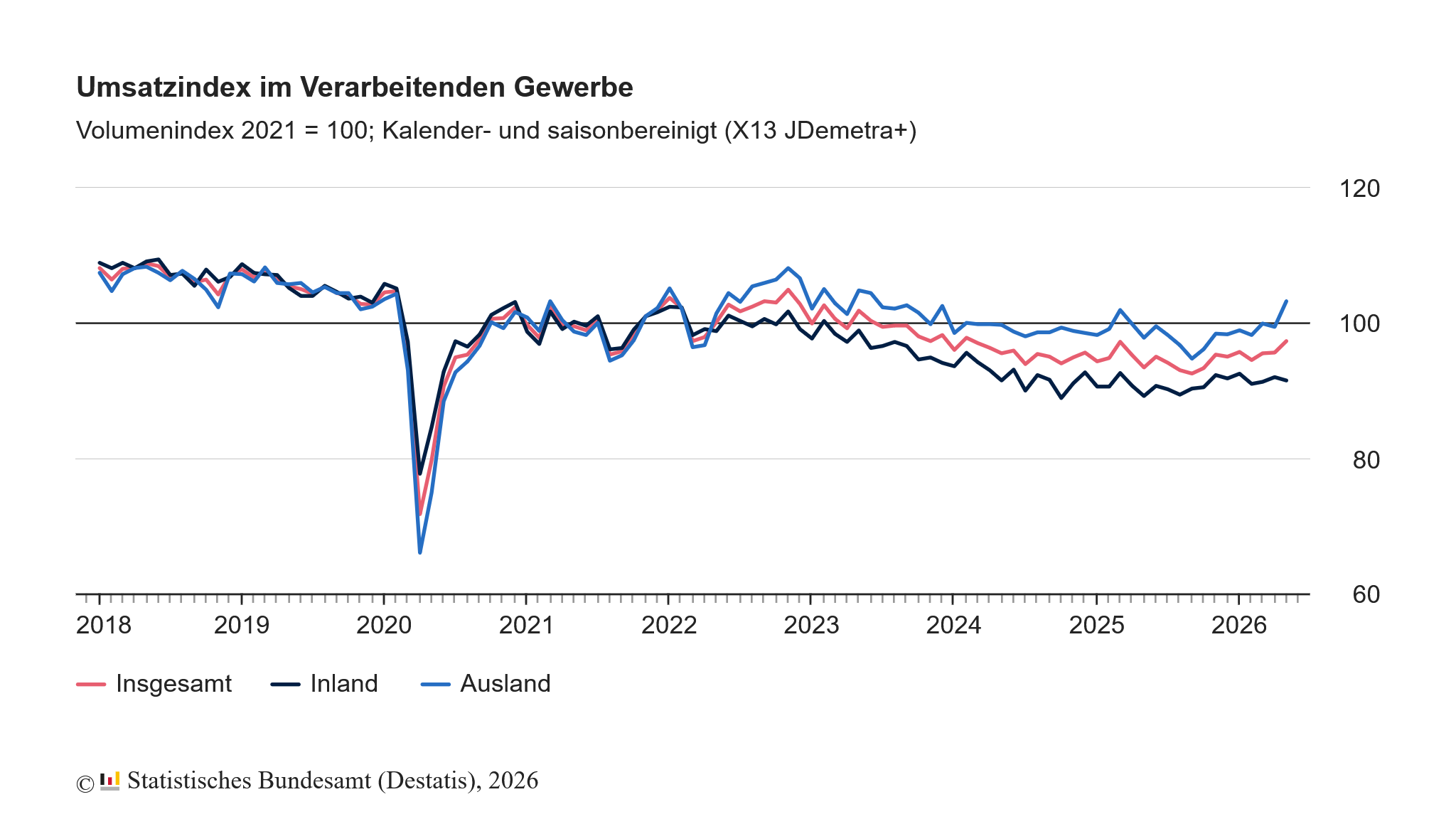
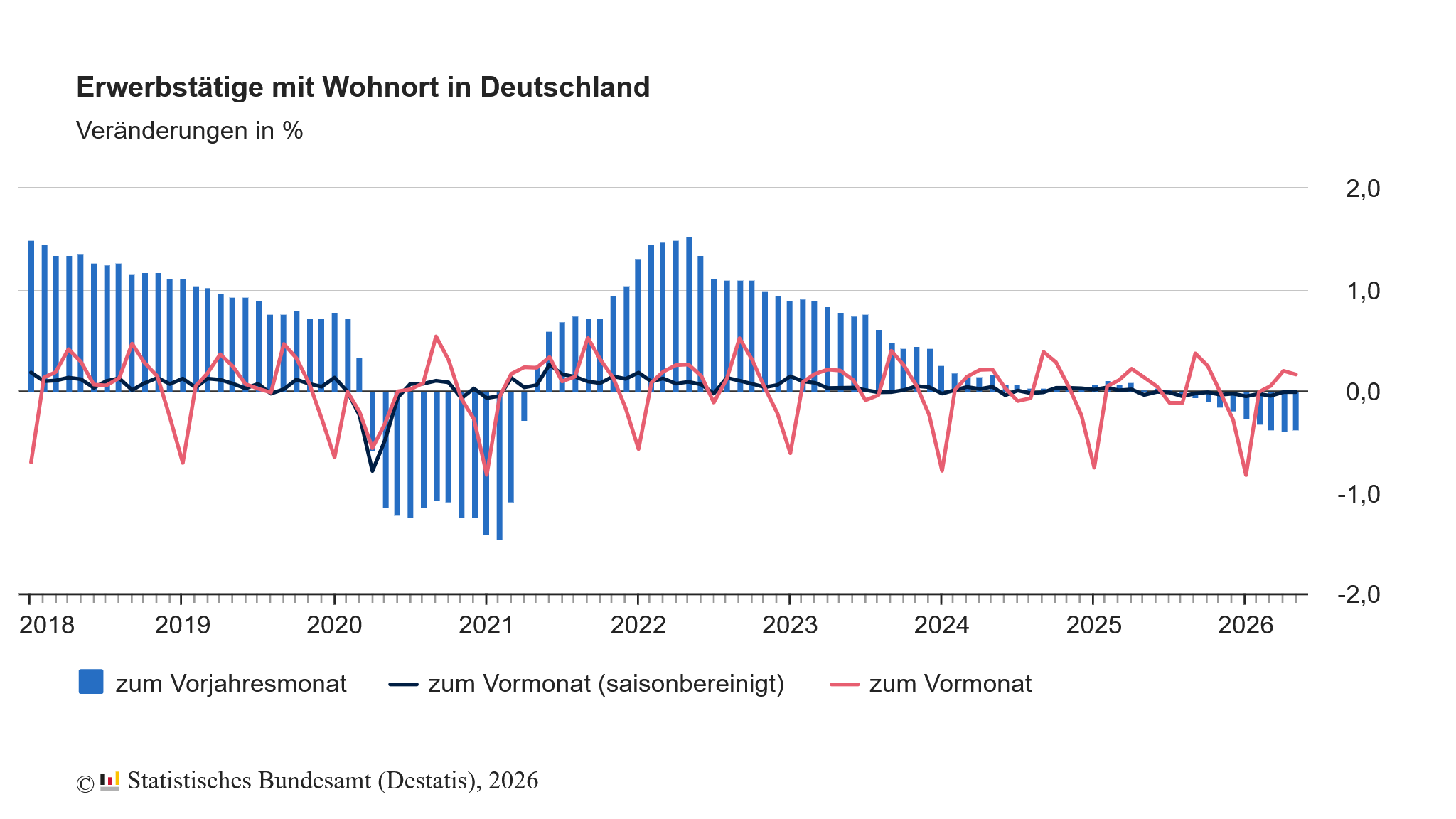
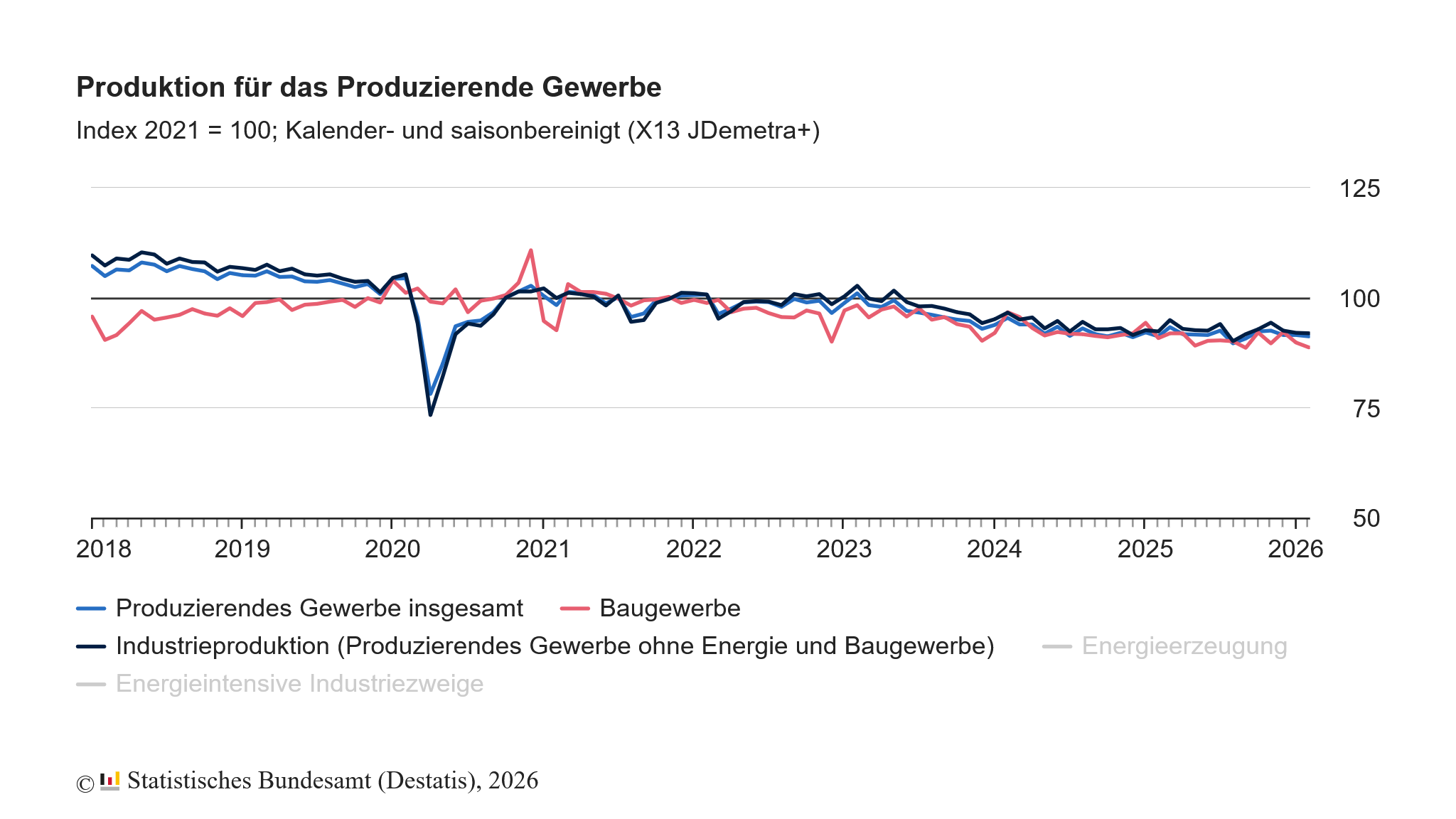
Particularly alarming is the ongoing job loss in the industrial sector. For some time now, an average of about 15,000 industrial jobs have been lost each month. For an economic hub whose strength has been based on industrial value creation for decades, this is a clear warning sign.
Inflation is falling, but the pressures remain
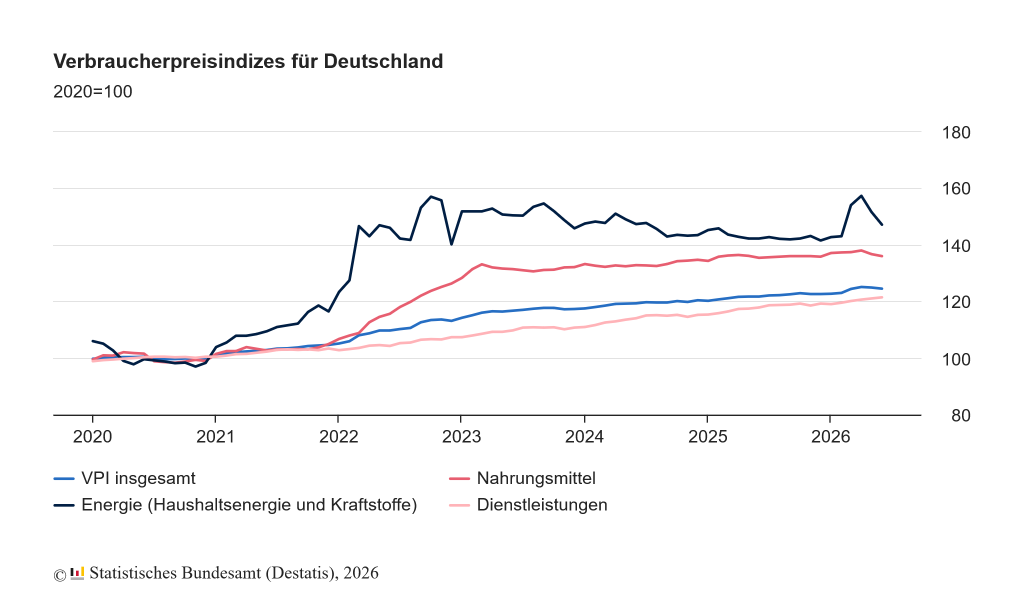
The decline in inflation should therefore not be confused with an easing of economic pressures.
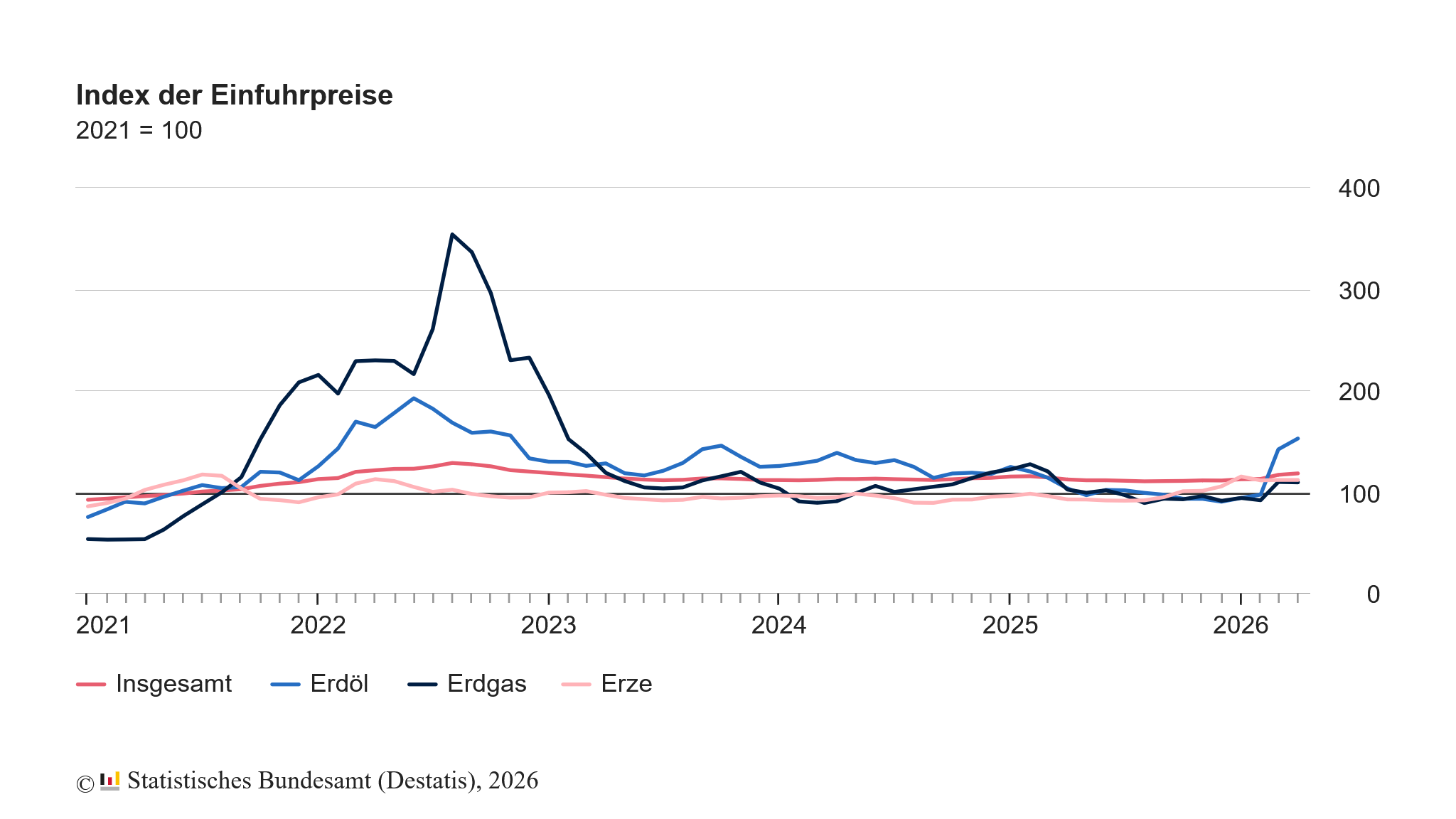
A large part of the falling inflation rate is attributable to base effects and government intervention. The temporary reduction in the energy tax on fuels and falling energy prices have noticeably eased pressure on the consumer price index. At the same time, so-called core inflation—excluding energy and food—remains comparatively high at 2.5 percent.
For businesses in particular, many cost categories have therefore continued to rise. Services are still becoming significantly more expensive than the overall inflation rate. Financing costs, too, remain well above the levels seen during the years of zero interest rates due to higher interest rates. The economic environment remains challenging, even as individual indicators improve.
Why Startups Still Appear Significantly More Resilient
Against this backdrop, the figure of just 117 startup bankruptcies in the first half of the year may seem surprising at first glance.
However, startups differ fundamentally from traditional small and medium-sized enterprises in several ways.
While established companies often have structures that have evolved over decades, bear high personnel costs, and are frequently heavily dependent on ongoing revenue, many young technology companies initially finance themselves through equity and investors. Operational business often still plays a secondary role, particularly in early stages of development. If a startup nevertheless runs into financial difficulties, this does not necessarily result in an official bankruptcy.
Fire Sale Instead of Bankruptcy
Especially within the startup ecosystem, there are numerous alternatives to traditional bankruptcy. Technologies are acquired, teams move en masse to other companies (acqui-hires), investors arrange so-called bridge financing, or startups are sold below market value in the form of fire sales.
While the company often disappears from the market in the eyes of the public, statistically speaking, an insolvency is often not recorded. On the contrary, it is frequently presented to the public as a major, successful exit.
The number of official startup bankruptcies therefore reflects only a fraction of the actual market consolidation.
The Largest Startup Initiative in Years
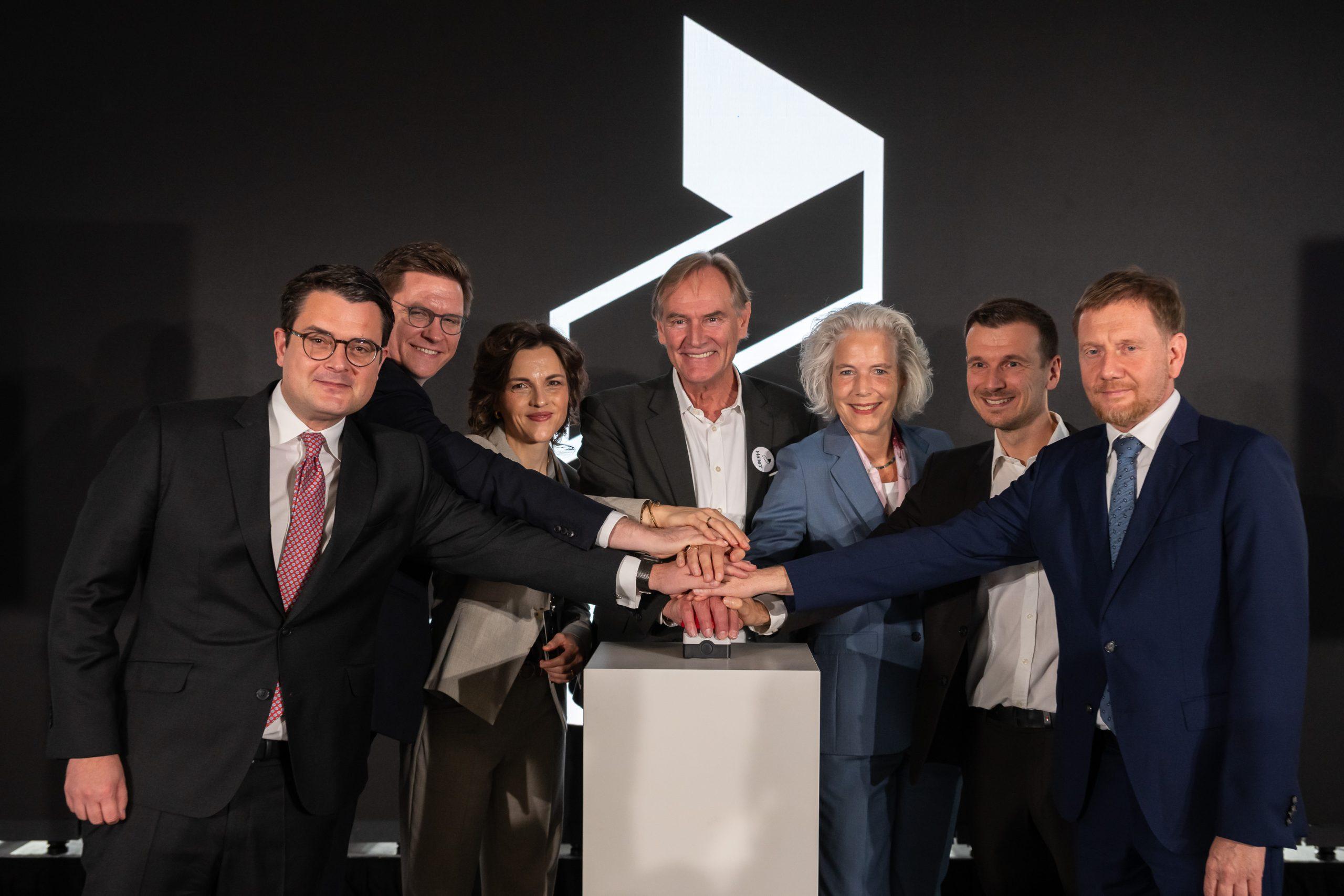
Another aspect is likely to play an important role as well. With the ten federally funded Startup Factories, Germany is currently experiencing the largest coordinated startup initiative in many years.
In addition to the ten selected locations, there are numerous other consortia that applied during the selection process and have already secured substantial funding commitments from the business community, universities, and regional partners. Many of these initiatives continue to operate independently of the competition and are continuously expanding their startup ecosystems.
Never before have aspiring founders had access to as many programs, incubators, accelerators, mentors, and funding opportunities as they do today. The projected startup figures are unprecedented, and those who promise startups must also deliver them.
As a result, starting a business has become easier in many regions of Germany.
More startups do not automatically mean more successful companies
However, this is precisely where the real challenge begins. Starting a business has rarely been easier. Developing a viable business model, securing initial funding, or attracting business angels often happens more quickly today than it did just a few years ago.
But between founding a company and building a sustainable business, there are often five to ten years of intensive development. The real test usually begins only after the first round of financing.
When the product needs to be brought to market, international expansion is on the horizon, and larger teams must be built, capital requirements increase significantly. At the same time, the venture capital market has become more selective. Investors are paying closer attention to robust revenue, sustainable business models, and clear prospects for profitability. Especially in a challenging economic environment, this growth phase becomes the biggest hurdle for many startups.
Germany’s Status as a Business Hub Determines Success
That is why it is not enough to simply produce as many new startups as possible. What matters far more is whether Germany remains an attractive business location in the long term. At the same time, this can only happen if startups develop business models that are successful over the long term.
After all, innovative companies need not only support programs, but above all strong customers, investment-ready small and medium-sized enterprises, functioning supply chains, and a robust capital market.
If, at the same time, industrial jobs are lost, investments are postponed, and companies are forced to cut costs more and more, this will sooner or later affect young growth companies as well. After all, many startups develop their solutions specifically for this economy.
A weaker industrial sector therefore also means less demand for innovation in the long term.
Not a contradiction, but two different perspectives
The seemingly contradictory statistics are therefore less at odds with one another than they initially appear. The rising number of corporate bankruptcies reflects the difficult economic situation facing established companies.
The low number of startup bankruptcies, on the other hand, shows that the German startup ecosystem is currently benefiting from exceptionally strong entrepreneurial momentum, extensive support programs, and alternative exit options. Both developments can be true at the same time.
Now it’s time for the second half
For the German startup ecosystem, the coming years could prove even more decisive than the past ones.
The conditions for starting a business have rarely been better. Policy programs are extensive, regional innovation networks are growing, and with “startup factories,” a new infrastructure for technology-oriented spin-offs is emerging nationwide.
But founding a company is only the first step. The real test begins with scaling, internationalization, and follow-on financing. That is precisely where it is determined whether promising ideas will actually become successful companies.
Germany therefore needs both: strong support for startups and an overall competitive business environment. After all, innovative startups can only grow successfully in the long term if their customers, partners, and investors also operate in an economically healthy environment.
The current figures therefore reveal not so much a contradiction as an important insight: the German startup landscape is currently demonstrating remarkable resilience. Whether this will result in sustainable economic strength, however, depends not only on the startup hubs but on the future of Germany as a business location as a whole.

Newsletter
Startups, stories and stats from the German startup ecosystem straight to your inbox. Subscribe with 2 clicks. Noice.
LinkedIn ConnectFYI: English edition available
Hello my friend, have you been stranded on the German edition of Startbase? At least your browser tells us, that you do not speak German - so maybe you would like to switch to the English edition instead?
FYI: Deutsche Edition verfügbar
Hallo mein Freund, du befindest dich auf der Englischen Edition der Startbase und laut deinem Browser sprichst du eigentlich auch Deutsch. Magst du die Sprache wechseln?