For the first time, Germany has recorded more than 3,000 new startups in just six months

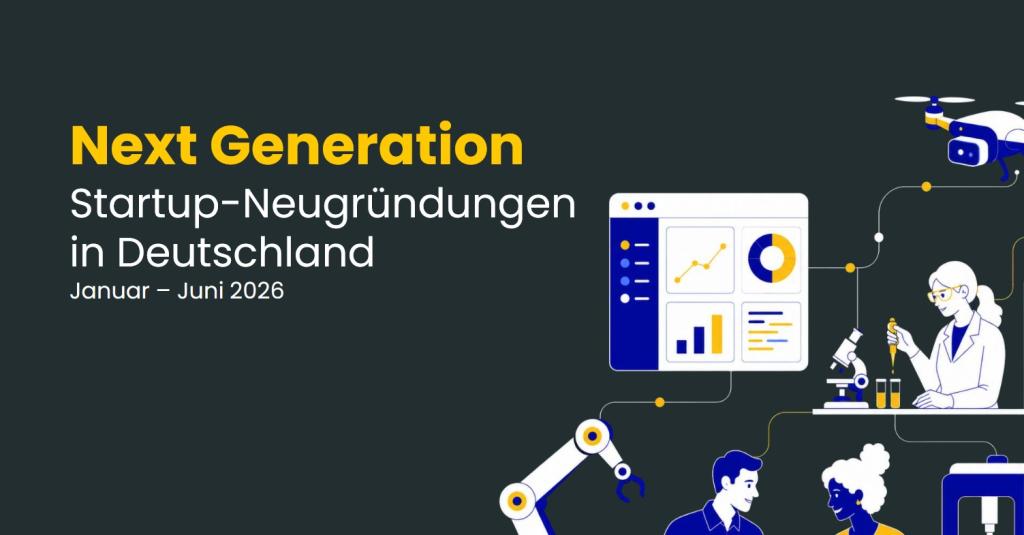
The German startup ecosystem is experiencing the strongest startup boom in its history. Between January and June 2026, 3,053 new startups were founded nationwide. That’s more than in all of 2024. Compared to the second half of 2025, this represents a 52 percent increase.
This is the finding of the latest report,“Next Generation – New Startup Foundings in Germany,” published by the Startup Association.
AI Drives the Startup Boom
Artificial intelligence is considered the most important driver of growth. A total of 1,038 of the newly founded companies have a clear connection to AI. This means that more than one in three startups now relies on AI technologies.
This trend illustrates how significantly generative AI and modern software tools have lowered the barriers to entry for starting a business. At the same time, the weaker economy and a cautious job market are leading more and more skilled workers to decide to take the leap into self-employment.
The sector breakdown also underscores this trend: With 844 new startups, software remains the strongest segment. It is followed by health and medical technologies (274) and food-tech companies (181). The industrial sector is also experiencing particularly dynamic growth, with the number of new startups rising by 125 percent compared to the second half of 2025, to 128 startups.
June Sets a New Record
The upward trend continues to accelerate. In June alone, more than 600 startups were founded. That’s more than in any other month since data collection began in 2019.
As a result, current startup activity is now roughly twice as high as the long-term average.
Startup Boom Spreads Across Germany
Unlike in previous years, growth is no longer concentrated exclusively in the well-known startup hubs. All 16 federal states recorded rising startup numbers.
Most new companies were founded in Bavaria (626), North Rhine-Westphalia (539), and Baden-Württemberg (377). However, Hamburg achieved the largest percentage increase. There, the number of new startups rose by 83 percent to 212. For the first time in several years, more startups were founded in Hamburg than in Munich.
Although Berlin remains Germany’s top city for startups with 429 new companies, its growth rate of 21 percent is significantly slower than that of many other regions.
University towns are also increasingly benefiting from the boom. Aachen, Potsdam, and Heidelberg are now among Germany’s top cities for startup activity, relative to their population.
Fewer bankruptcies—but where are the failed startups?
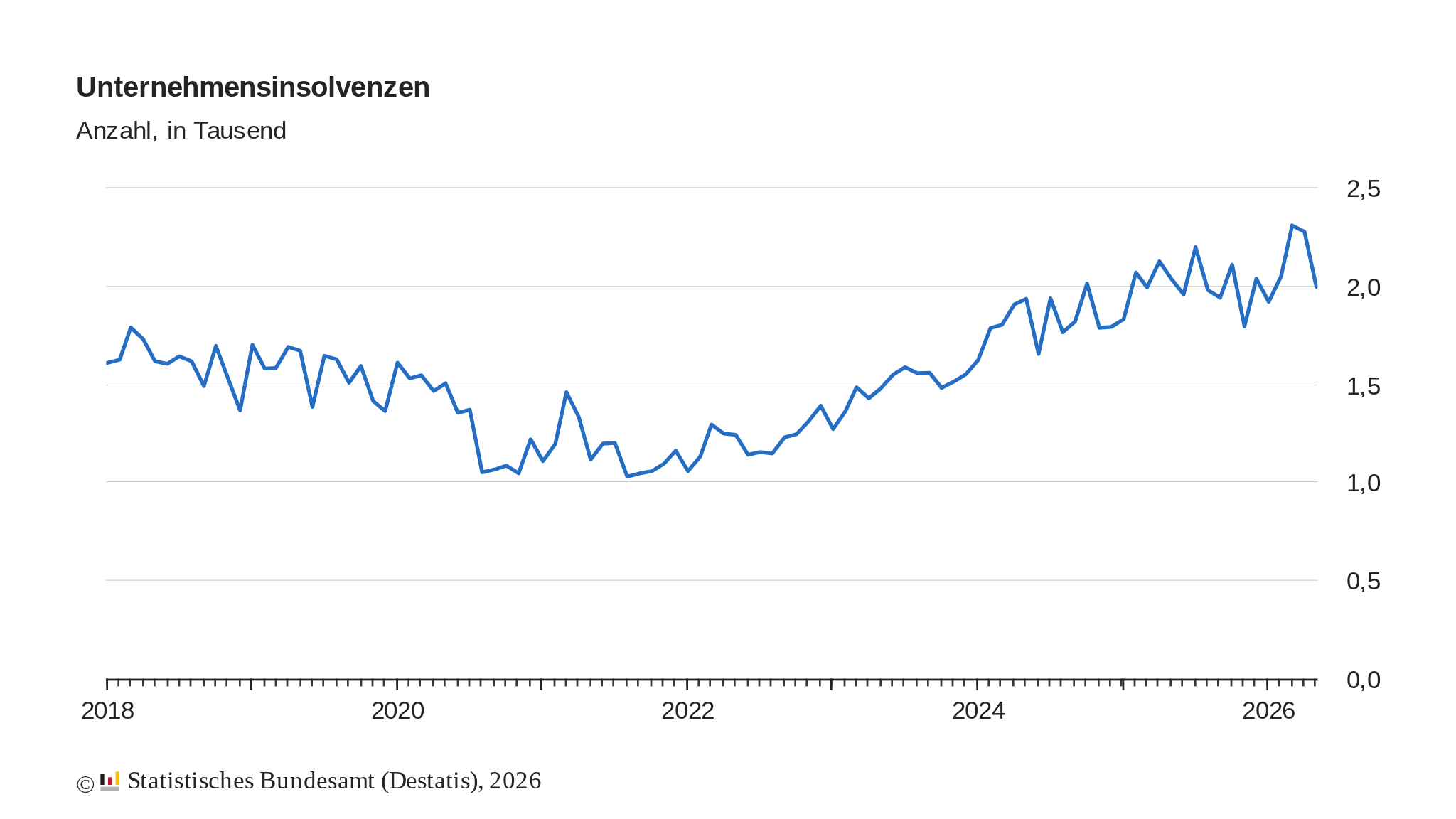
The trend on the other side of the startup lifecycle is also striking. While the number of new startups is rising sharply, startup bankruptcies have been declining steadily since their peak in 2024! This raises an intriguing question: Where have the failed startups gone?
In fact, there is much to suggest the opposite trend. Academic studies have shown for years that about half of all startups disappear from the market within the first ten years. At the same time, the funding environment has recently become significantly more challenging. Venture capital has become more selective, follow-on financing is more difficult to secure, and the pressure on young companies is growing. This makes the sharp decline in bankruptcies all the more surprising.
Nevertheless, this trend remains remarkable. At first glance, rising startup numbers coupled with historically low insolvency rates seem difficult to reconcile. Whether the ecosystem’s resilience has actually improved or whether the failure of young companies is merely shifting to other, statistically less visible forms is likely one of the most interesting questions.
More Unicorns, but Also More Acquisitions
Parallel to the rising number of new companies, the top tier of the German startup ecosystem is also growing. Six new unicorns have emerged since the beginning of the year. In total, Germany now has 36 startups valued at at least one billion U.S. dollars.
By international standards, however, the gap remains significant. In the U.S. alone, there are now around 900 unicorn companies. Furthermore, successful German startups continue to frequently change hands to foreign owners. Most recently, two German unicorns—Tubulis and Contentful—were acquired by U.S. companies.
Now, startups need to turn into growth
The current record shows that Germany is gaining significant momentum in the creation of new startups. The greater challenge, however, begins after the company is founded.
Many young companies still face limitations when it comes to accessing growth capital. Especially in capital-intensive future-oriented fields such as artificial intelligence, deep tech, or climate tech, subsequent financing rounds often determine whether companies grow in Europe or whether international investors and buyers prevail.
The current figures therefore send a positive signal for Germany as a hub of innovation. Whether the record number of startups will give rise to the next generation of internationally successful technology companies, however, will likely depend largely on whether the availability of venture capital and growth financing improves significantly in the coming years.




Newsletter
Startups, stories and stats from the German startup ecosystem straight to your inbox. Subscribe with 2 clicks. Noice.
LinkedIn ConnectFYI: English edition available
Hello my friend, have you been stranded on the German edition of Startbase? At least your browser tells us, that you do not speak German - so maybe you would like to switch to the English edition instead?
FYI: Deutsche Edition verfügbar
Hallo mein Freund, du befindest dich auf der Englischen Edition der Startbase und laut deinem Browser sprichst du eigentlich auch Deutsch. Magst du die Sprache wechseln?