Logistics in transition: key industry between pressure and new beginnings

Today, on Logistics Day 2026, the focus is on an industry that often remains invisible in everyday life and yet is indispensable. Logistics secures supplies, connects markets and keeps global value chains running. At the same time, it is under enormous pressure to change. Between a shortage of skilled workers, rising costs and geopolitical tensions, it has to reinvent itself and offers more opportunities than many people realize.
Backbone of the economy with growing importance
After the automotive industry and trade, logistics is the third largest economic sector in Germany. With more than three million employees, it ensures that goods reach their destination reliably every day. Whether food, medicines or industrial preliminary products, without functioning logistics, social and economic life would quickly come to a standstill.
However, this central role also entails responsibility. In times of global crisis, it becomes particularly clear how resilient and adaptable the industry needs to be. Supply chains are under pressure, markets are changing rapidly and companies have to react flexibly.
Career opportunities with an image problem
A recent study on the working world in intralogistics, presented by Prof. Dr. Christian Kille, paints a positive picture overall: logistics is seen as a future-proof employer with good development and promotion opportunities. Particularly in times of upheaval, many people are looking for stable sectors with prospects and are increasingly finding these in logistics. (ARBEITSWELT (INTRA-)LOGISTIK , published by the initiative "Die Wirtschaftsmacher" together with trade fair organizer EUROEXPO Messe- und Kongress-GmbH on the occasion of LogiMAT 2026)
It is clear that logistics is positioning itself as a future-proof and attractive employer in the face of structural change. The time is ripe for it to compete for the best talent in order to develop as a new key industry
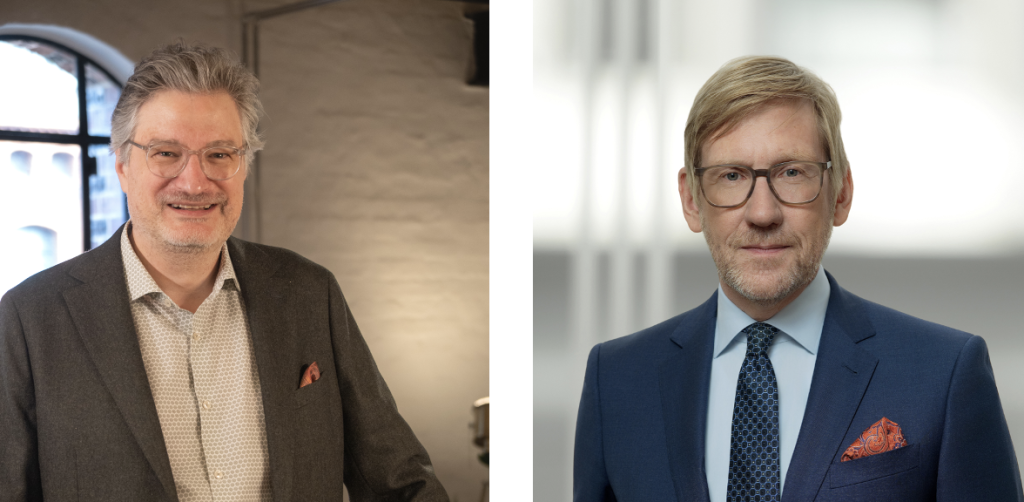
Prof. Dr. Christian Kille from the Würzburg-Schweinfurt University of Applied Sciences
At the same time, however, the study also reveals a clear deficit. Many young people know too little about the diverse job profiles. The spectrum ranges from industrial activities to IT professions and strategic management roles. Modern logistics is no longer just about transportation and warehousing, but also includes digital control, automation and complex planning systems.
In order to attract more skilled workers, targeted information and a more modern public image of the industry are therefore needed.
Innovation as an opportunity for a sustainable future
The role of logistics in the ecological transition is particularly relevant for a green audience. The industry is increasingly investing in low-emission technologies, more efficient processes and digital solutions. This development offers great potential for greater sustainability along the entire supply chain.
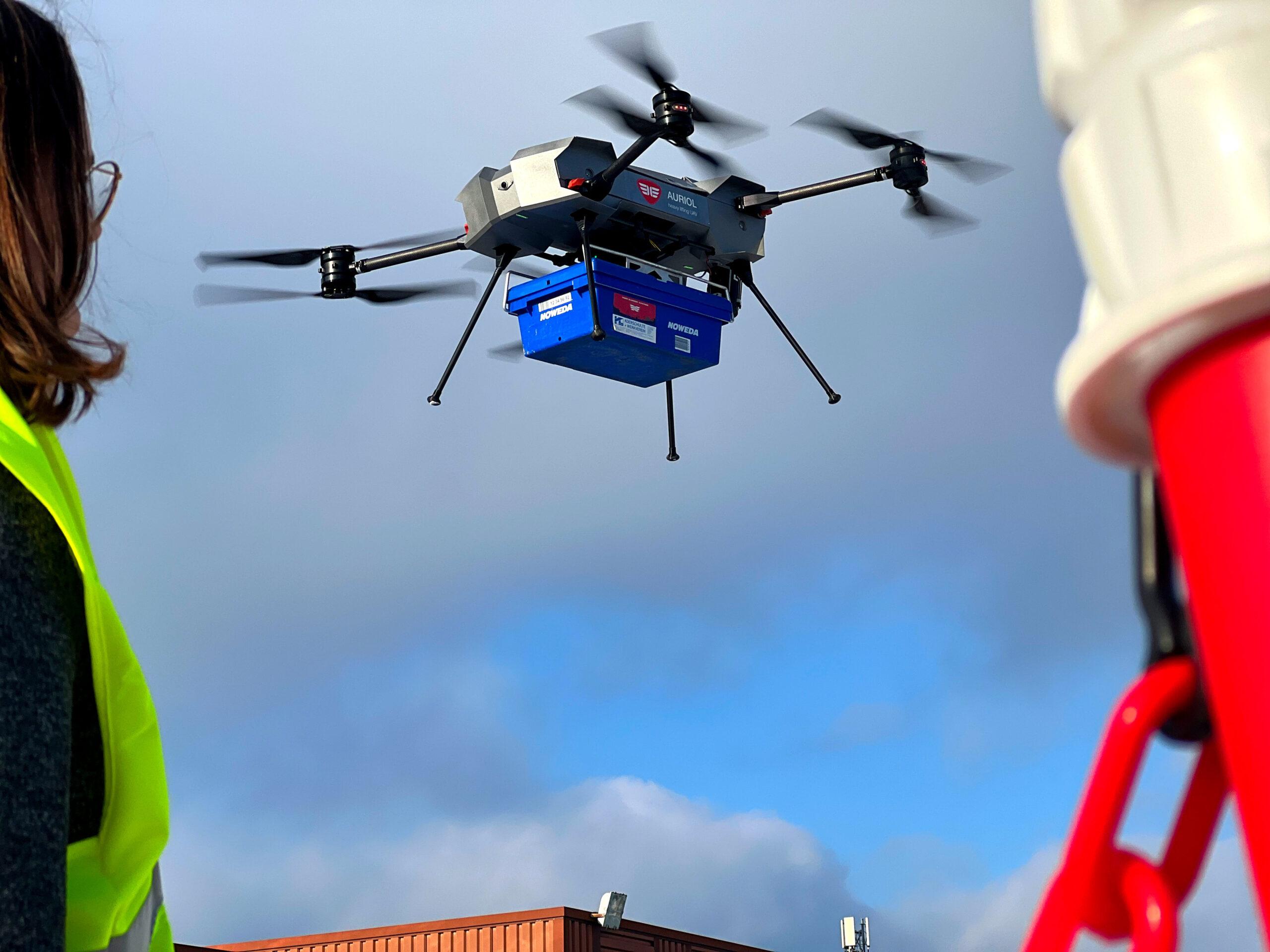
Innovations in intralogistics, such as automated warehouse systems or intelligent route planning, help to save resources and reduce emissions. At the same time, new job profiles are emerging that combine technical expertise with environmental awareness.
Logistics can therefore become an important lever for climate-friendly business - provided the right political and economic framework conditions are created.
Economic pressure and political expectations
Despite these positive developments, the industry is under considerable pressure. Frank Huster describes the situation as tense: rising energy prices, high financing costs, regulatory burdens and volatile demand characterize the everyday life of many companies.
The German logistics sector is a high-performance system that is proving its ability to solve complex problems even in the current crisis.
Frank Huster, DSLV German Freight Forwarding and Logistics Association
At the same time, performance remains high. Goods worth several billion euros are transported across German borders every day. Logistics thus proves its role as a stable system even in times of crisis.
However, this performance is often only recognized when problems arise. The industry is therefore calling for more political support, particularly in the form of relief and less bureaucracy, so that it can continue to invest and transform.
Logistics Day brings the industry to life
Today's day of action offers a good opportunity to get to know logistics up close. Companies across Europe are opening their doors and showing just how diverse and modern the industry really is. Visitors will gain insights into work processes, technologies and career paths.
Since 2008, the German Logistics Association has been pursuing the goal of creating more transparency and strengthening understanding of the systemically relevant function of logistics. It is supported by the "Die Wirtschaftsmacher" initiative, among others. Further information can be found on the website of the German Logistics Association: https://www.tag-der-logistik.de/
Between crisis and confidence
The German logistics sector is undoubtedly going through a difficult phase. Structural crises, geopolitical uncertainties and high pressure to adapt characterize the current situation. At the same time, there is a cautious optimism.
This is because the conditions for a successful future are in place: a strong economic basis, innovative strength and a growing need for sustainable solutions. If we succeed in attracting more skilled workers, driving forward digitalization and seriously implementing ecological transformation, logistics can become one of the key industries of the coming decades.
Start-ups as drivers of innovation and sustainability
Alongside established companies, start-ups are playing an increasingly important role in the future of logistics. Start-ups in particular bring fresh ideas, technological expertise and the necessary speed to develop new solutions. Whether digital platforms for better capacity utilization of transports, AI-supported forecasts for supply chains or sustainable concepts for the last mile. Young companies are starting exactly where traditional structures are often too sluggish. They can not only increase efficiency, but also significantly reduce emissions. They are therefore indispensable for a sustainable transformation of the industry. At the same time, they benefit from a huge market with a growing need for innovation. Logistics is thus increasingly becoming an attractive playing field for green business models, in which economic success and ecological responsibility can and must be considered together.

Newsletter
Startups, stories and stats from the German startup ecosystem straight to your inbox. Subscribe with 2 clicks. Noice.
LinkedIn ConnectFYI: English edition available
Hello my friend, have you been stranded on the German edition of Startbase? At least your browser tells us, that you do not speak German - so maybe you would like to switch to the English edition instead?
FYI: Deutsche Edition verfügbar
Hallo mein Freund, du befindest dich auf der Englischen Edition der Startbase und laut deinem Browser sprichst du eigentlich auch Deutsch. Magst du die Sprache wechseln?