LITILIT Receives 8 Million Euros for High-Performance Femtosecond Lasers

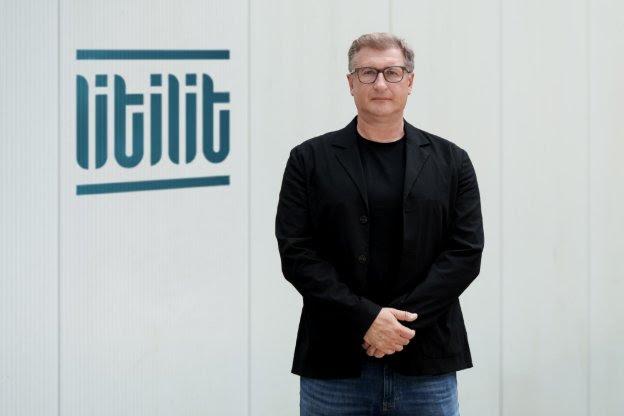
The Lithuanian laser manufacturer LITILIT has secured eight million euros in financing from the state-owned development bank ILTE. The funds will be used to develop FEMODA, a modular femtosecond laser system designed to achieve an average optical power of up to 1,000 watts.
The total budget for the development project is 10 million euros. LITILIT is contributing 2 million euros from its own funds. The commercialization of the new technology is planned for the second half of 2029.
From Precision Lasers to Industrial Mass Production
Femtosecond lasers operate with extremely short light pulses and can process materials without significantly affecting the surrounding structures thermally. This so-called “cold ablation” already makes the technology attractive for high-precision applications today.
Such systems are used, among other things, in chip and display production, as well as in medical applications such as eye surgery or the manufacture of vascular stents. LITILIT now aims to expand the technology’s use for industrial applications involving larger surfaces and higher production volumes.
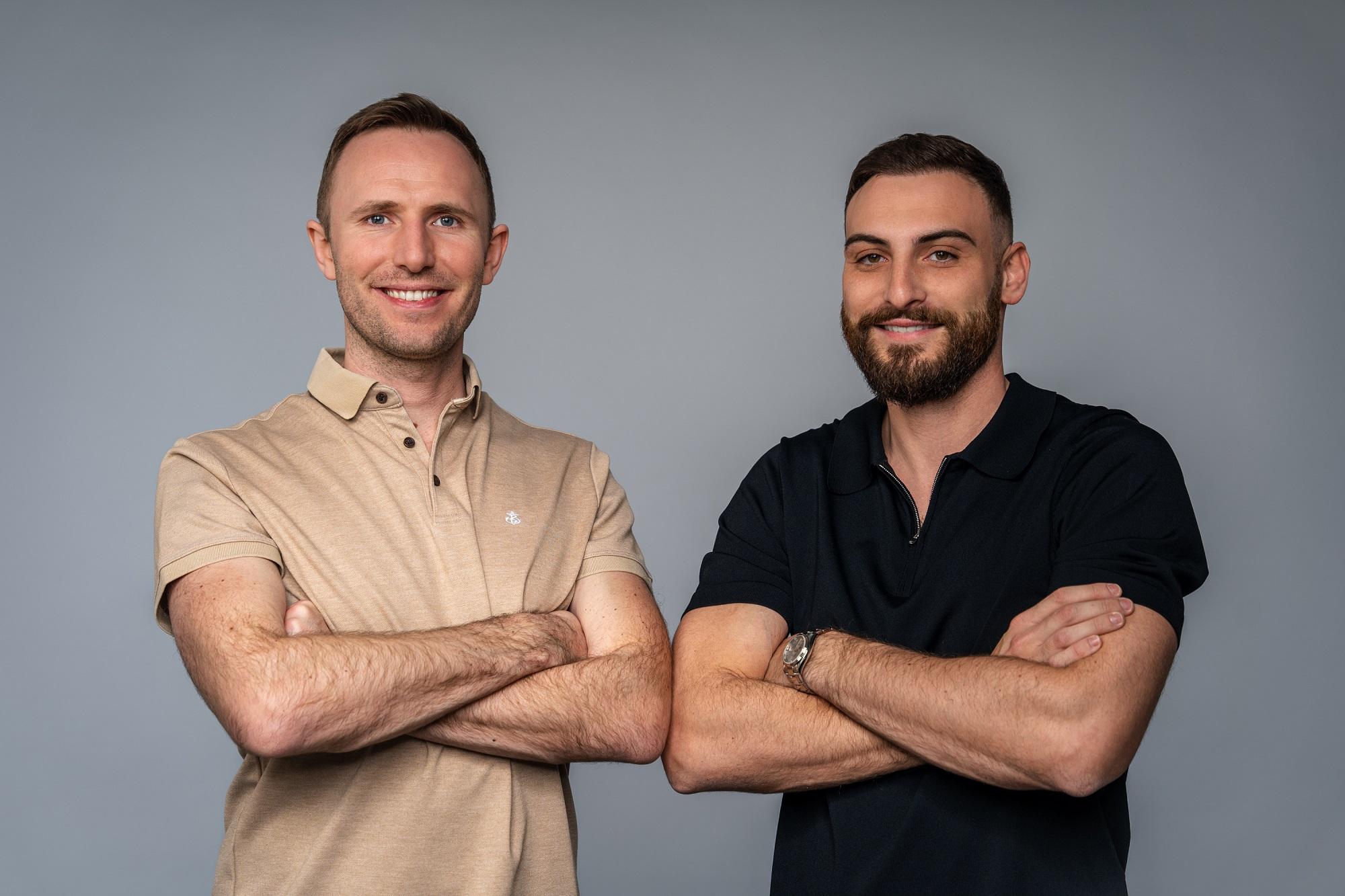
“Currently, femtosecond lasers are mainly used in the manufacture of high-quality small components,” explains CEO and co-founder Nikolajus Gavrilinas. With FEMODA, the mass production of metal tools or special coatings for large surfaces—such as aircraft and vehicle bodies—will become possible in the future.
Up to 1,000 watts and 20 processing points
FEMODA is designed to distribute an average optical power of up to 1,000 watts across ten to 20 separate beam channels. Each of these channels can deliver femtosecond pulses to a different processing point within a production line.
This would allow a single system to serve multiple processing steps or production points in parallel. According to the company, this makes FEMODA one of the most powerful modular industrial femtosecond laser systems available.
Less Infrastructure Surrounding the Laser
However, LITILIT does not view the actual laser power as the only major problem with existing high-power systems. Current systems often require complex water-cooling systems, large optical modules, massive substructures, and controlled environmental conditions. This increases costs and maintenance requirements and makes integration into existing production facilities more difficult.
The startup therefore aims to combine control electronics, optics, and cooling into a single industrial unit. The individual modules are designed to be less sensitive to temperature, humidity, and vibrations. Additionally, individual units can be replaced more easily in the event of a failure.
A New Factory for 3,000 Lasers Per Year
In parallel with the development of FEMODA, LITILIT is significantly expanding its production capacity. In June, the company began construction of a new laser factory in Vilnius. It is scheduled to begin operations as early as this fall and is expected to reach a production capacity of 3,000 femtosecond lasers per year.
In doing so, LITILIT is addressing another bottleneck in the technology. High-performance femtosecond laser systems are complex and have so far been difficult to produce in large quantities. The company therefore aims not only to develop more powerful lasers but also to make their industrial manufacturing more scalable.
Lithuanian DeepTech Company Sets Its Sights on Industrial Production
The project exemplifies how European DeepTech could focus more strongly on modernizing traditional industries. While a large portion of current technology investments are centered on AI and software, new hardware platforms for industrial production are emerging in parallel.
For LITILIT, the opportunity lies in bringing femtosecond lasers from highly specialized precision applications into significantly larger industrial markets. If the company succeeds in scaling up to 1,000 watts while maintaining modular and simple integration, what has been a highly specialized technology could become a much more widely applicable tool for industrial production lines.

Newsletter
Startups, stories and stats from the German startup ecosystem straight to your inbox. Subscribe with 2 clicks. Noice.
LinkedIn ConnectFYI: English edition available
Hello my friend, have you been stranded on the German edition of Startbase? At least your browser tells us, that you do not speak German - so maybe you would like to switch to the English edition instead?
FYI: Deutsche Edition verfügbar
Hallo mein Freund, du befindest dich auf der Englischen Edition der Startbase und laut deinem Browser sprichst du eigentlich auch Deutsch. Magst du die Sprache wechseln?