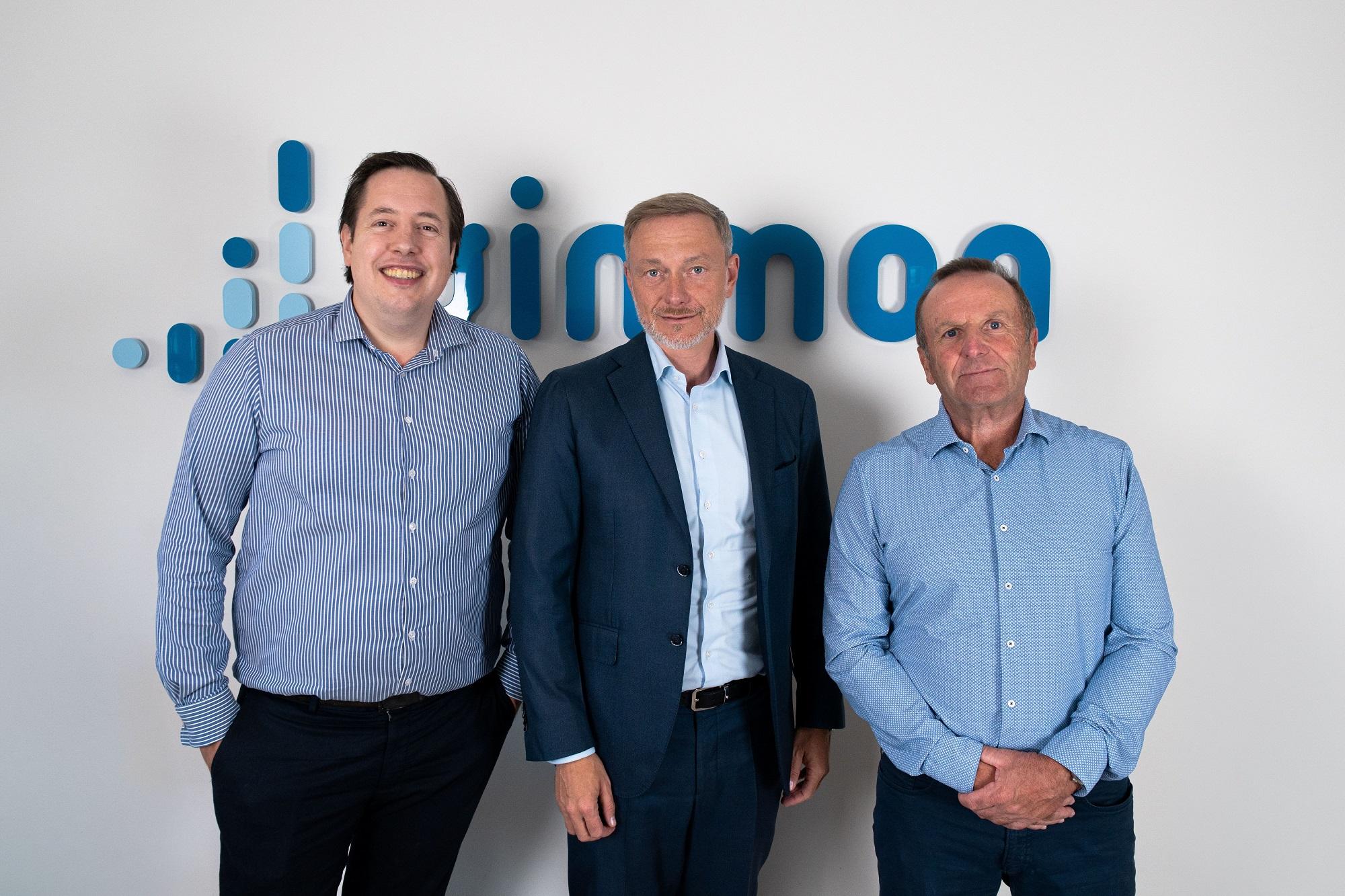
Cotierra Receives $3 Million for Decentralized Biochar Systems

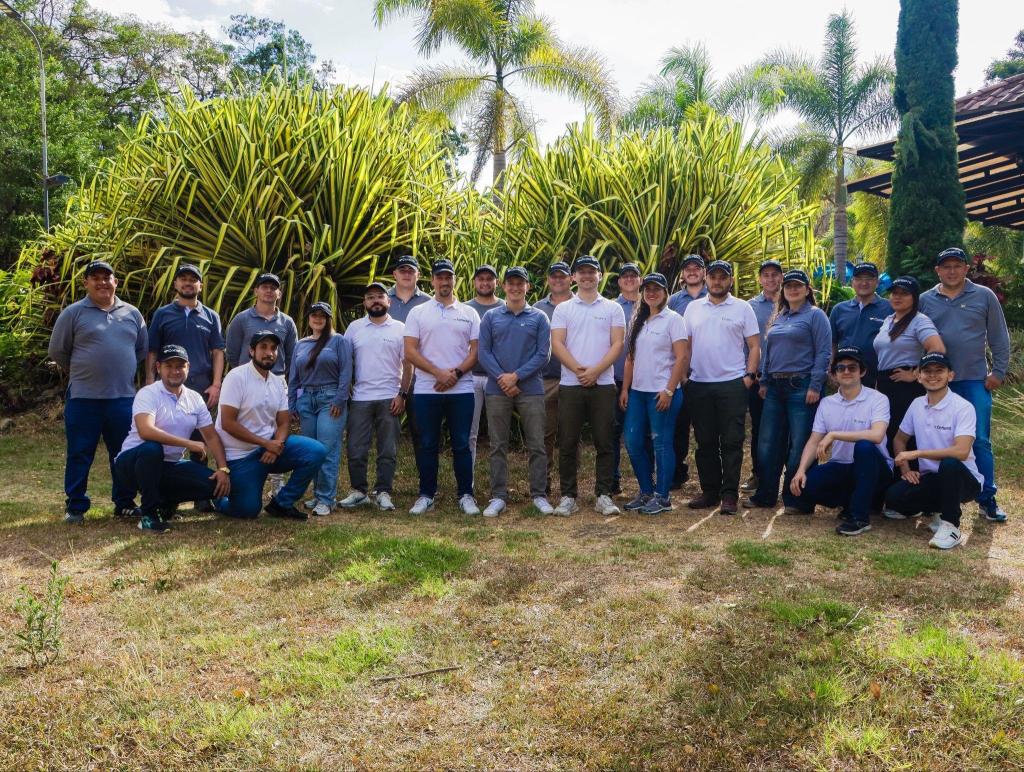
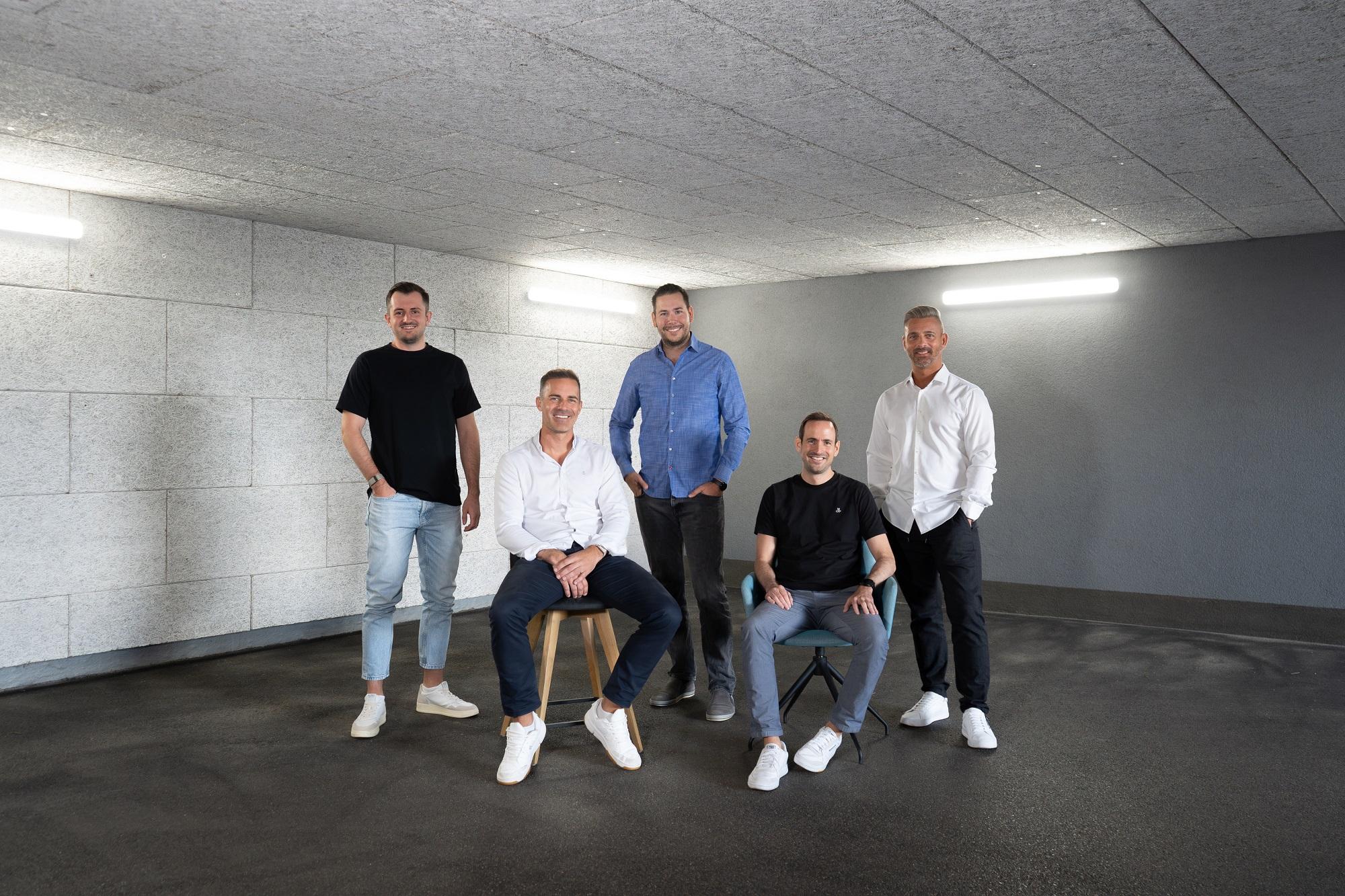
Zurich-based ClimateTech company Cotierra has raised $3 million to further scale its decentralized biochar technology. The funding round is co-led by PINC, the venture arm of food and beverage manufacturer Paulig, and Carbon Removal Partners. Also participating are Zürcher Kantonalbank, Carbon Drawdown Initiative, better ventures, GOTA Ventures, Hungry4Impact, and Triple Impact Ventures, as well as several climate and impact angels. In total, Cotierra has raised approximately $4.75 million since its founding.
Producing biochar right where biomass is generated
Cotierra is developing systems that enable agricultural residues to be processed into biochar on a decentralized basis. Instead of transporting biomass over long distances to central facilities, processing is intended to take place as close as possible to the farms. To achieve this, the company combines its proprietary reactor technology with a digital platform. The software is designed to monitor and document production, operations, and results.
The biochar produced can then be returned to agricultural soils, where it is intended to sequester carbon over the long term while simultaneously improving soil properties. Cotierra is thus tackling two challenges: agricultural residues are to be put to productive use, while agricultural companies can simultaneously make their supply chains more resilient and reduce their emissions.
From Pilot Project to Commercial Rollout
With the new capital, Cotierra now aims to further develop its technology from successful field projects into a standardized and repeatable commercial product. The $3 million will be allocated primarily to the industrialization of the reactor technology and the expansion of the digital platform. The goal is to create an integrated hardware and software offering that can be deployed across different regions.
According to the company, Cotierra already has a substantial order backlog. However, the startup does not provide specific details regarding its volume or revenue. CEO and co-founder Thomas Käslin sees decentralized production as a particular advantage for tropical agricultural supply chains, where residual biomass is often scattered across large areas.
Coffee Serves as the First Use Case
Cotierra initially tested its model in the coffee industry. The company collaborates with coffee traders and producers, among others. This approach is particularly relevant for the strategic investor PINC. PINC is part of the international food and beverage company Paulig and invests in technologies related to future food and agricultural systems.
Following its projects in coffee cultivation to date, Cotierra now plans to expand its system to other tropical agricultural commodities. These include cocoa, cotton, and citrus fruits. The goal is to transform individual biochar projects into a technology platform that can be deployed across various agricultural supply chains.
CO₂ Removal Becomes Part of the Business Model
In addition to agricultural productivity and resilience, carbon removal plays a central role. During the production of biochar, a portion of the carbon previously absorbed by plants is converted into a more stable form.
If this biochar is permanently sequestered in the soil, it can serve as a means of long-term CO₂ removal. For companies in the food industry, this can also represent an opportunity to address emissions within their agricultural supply chains.
Reliable measurement and documentation are crucial here. According to Cotierra, this is precisely where its proprietary digital platform comes into play, designed to monitor and verify biochar production and the associated results.
Scalability Is the Next Challenge
Following successful pilot projects, Cotierra is now entering the more challenging industrialization phase. Decentralized facilities can reduce transportation distances and be operated closer to where the waste materials are generated. At the same time, the company must demonstrate that hardware, operations, and digital monitoring can be standardized economically across multiple locations.
The investment by PINC and Carbon Removal Partners combines two potential growth drivers: more resilient agricultural supply chains and the growing market for permanent CO₂ removal. With this funding, Cotierra now aims to prove that its model—which has so far been tested in coffee cultivation—is scalable beyond individual projects and agricultural commodities.



Newsletter
Startups, stories and stats from the German startup ecosystem straight to your inbox. Subscribe with 2 clicks. Noice.
LinkedIn ConnectFYI: English edition available
Hello my friend, have you been stranded on the German edition of Startbase? At least your browser tells us, that you do not speak German - so maybe you would like to switch to the English edition instead?
FYI: Deutsche Edition verfügbar
Hallo mein Freund, du befindest dich auf der Englischen Edition der Startbase und laut deinem Browser sprichst du eigentlich auch Deutsch. Magst du die Sprache wechseln?