Reverion Raises $175 Million and Builds a Megafactory in Germany

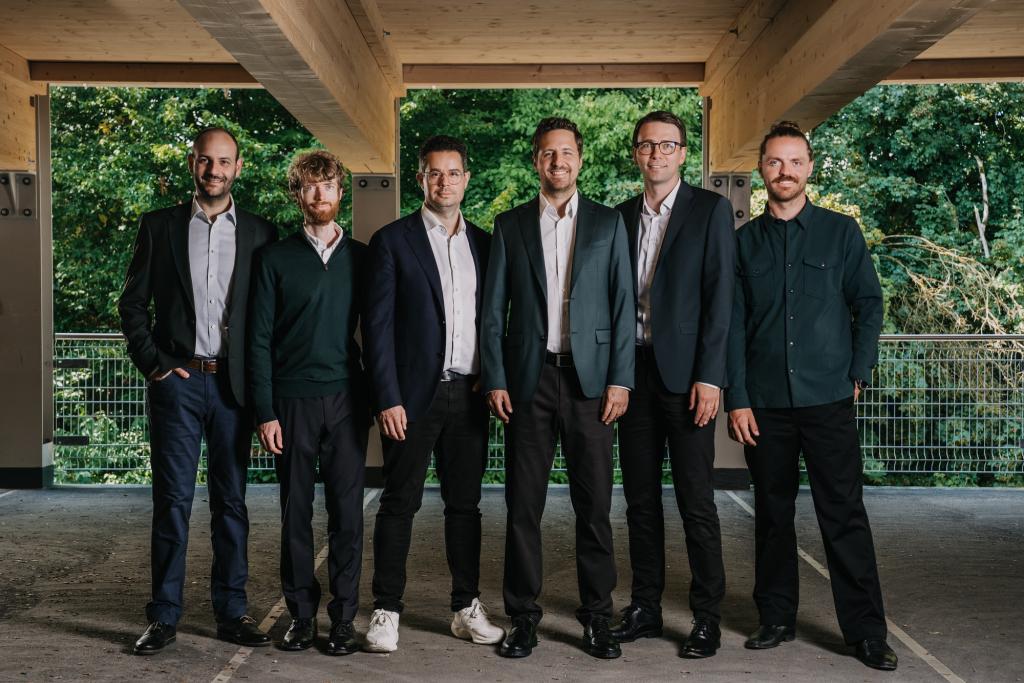
The Bavarian EnergyTech company Reverion has closed a Series B funding round totaling $175 million. The company’s largest funding round to date is led by the European DeepTech and climate fund Kembara. New investors include Allianz, KfW Capital, aurum Capital, and Carbon Equity. Reverion plans to use the capital to bring its reversible fuel cell power plants into large-scale industrial production and, to that end, establish a new production facility in Germany with an annual capacity of 250 megawatts. Up to 800 new jobs could be created there.
For Reverion, this funding round marks, above all, the transition from a DeepTech company to an industrial manufacturer. To date, seven plants are in regular operation at customer sites. Now, production capacity is set to increase tenfold, and the technology will be further developed for projects in the multi-megawatt range.
The target market is also shifting: in addition to biogas plants, energy utilities, and industrial companies, the focus is increasingly turning to energy-intensive data centers.
Kembara Leads Series B
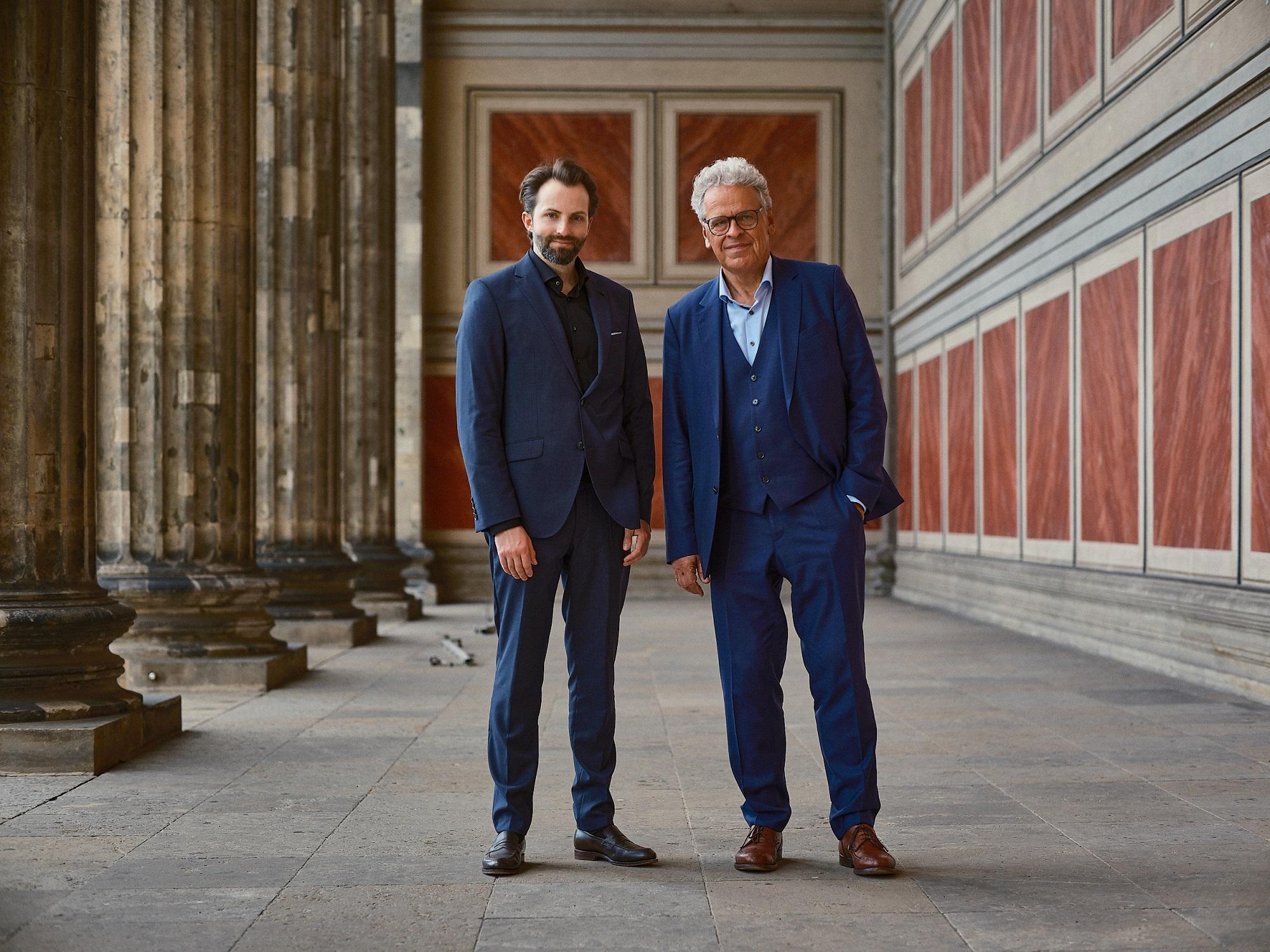
The lead investor in the funding round is Kembara, a European scale-up fund for DeepTech and climate technologies with a portfolio of one billion euros.
New investors on board include Allianz, KfW Capital via an SPV managed by UVC, aurum Capital, and Carbon Equity. Existing investors Extantia, Energy Impact Partners, alfa8, UVC Partners, EIC Fund, and Possible Ventures are also participating again.
With the completion of the Series B round, we are laying the foundation for the large-scale industrial production of our technology.
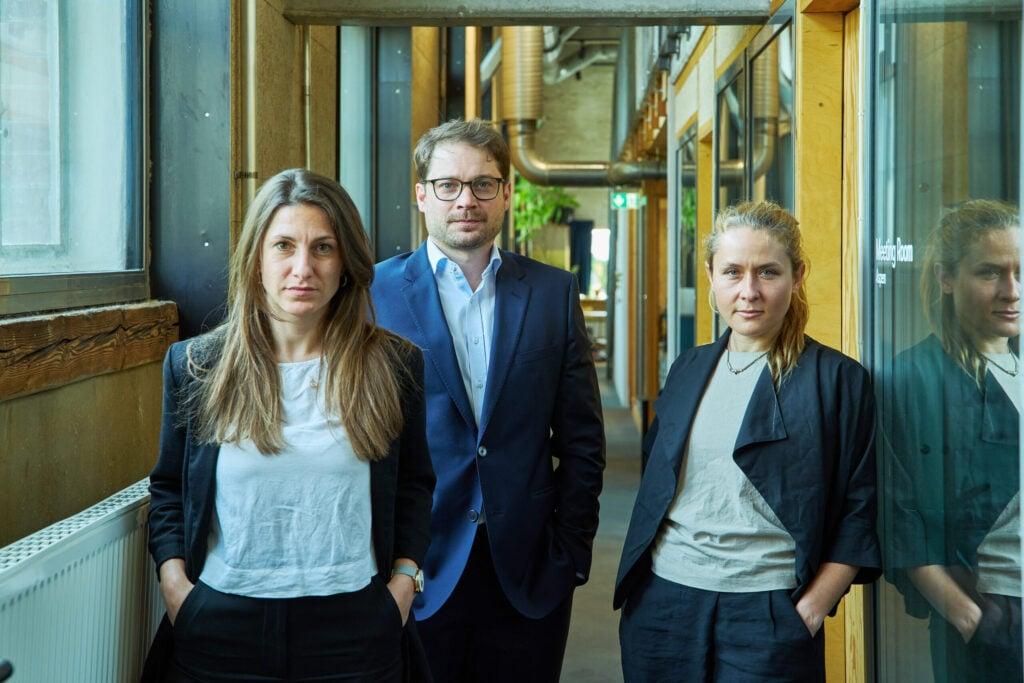
Reverion CEO and Co-Founder Stephan Herrmann
The fresh capital will be used primarily to expand production capacity and scale the technology.
Power plant and energy storage in a single system
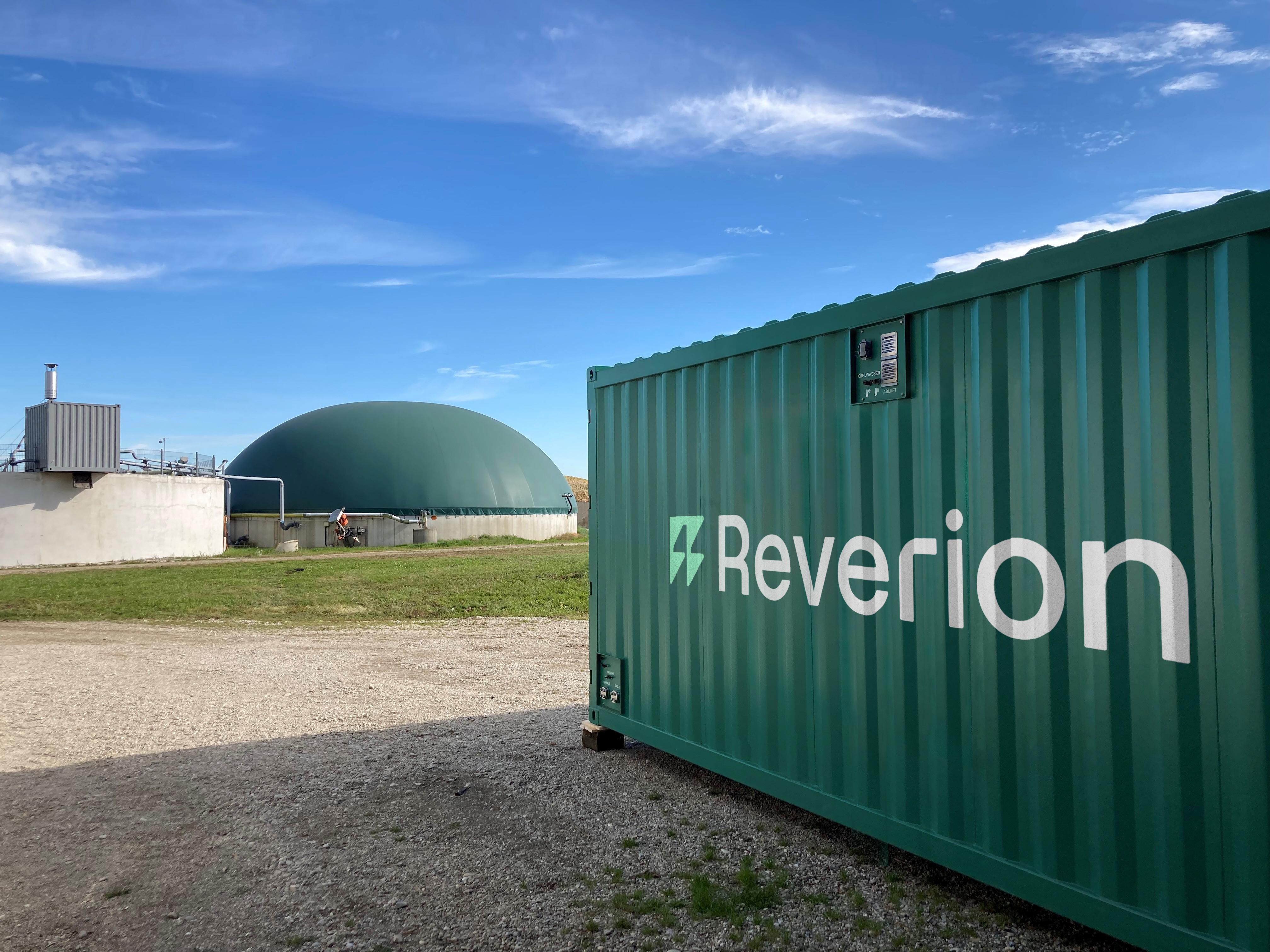
Founded in 2022 and based in Eresing near Munich, the company develops container-based, reversible fuel cell power plants. These can electrochemically convert biogas, natural gas, or hydrogen into electricity. Unlike conventional gas-fired power plants, no traditional combustion takes place. The CO₂ contained in the fuel can be captured in concentrated form. According to Reverion, this makes a negative CO₂ footprint possible when operating with biogas.
The unique feature, however, lies in the system’s reversibility. If a lot of electricity is being produced but little is needed, the process can be reversed: In electrolysis mode, electrical energy is converted back into storable gases. The system can thus function as either a power generator or an energy storage solution depending on the situation and respond to varying prices and availability in the electricity and gas markets.
74.2 Percent Efficiency in Customer Operations
Reverion reports an electrical efficiency of 74.2 percent for its technology, measured during ongoing customer operations. According to the company, this represents a world record for thermal power plants.
This efficiency level is particularly crucial for the technology’s economic viability. The more electrical energy that can be extracted from a given amount of gas, the lower the fuel consumption and operating costs per kilowatt-hour generated.
Currently, seven Reverion power plants are in regular operation at customer sites. The capacity of a single plant is now 500 kilowatts.
With the capital raised in the Series B round, the technology is now set to scale up to the megawatt class.
New Megafactory to Increase Capacity Tenfold
A new production site in Germany is expected to drive this industrial leap forward. The plan is to build a megafactory with an annual production capacity of 250 megawatts.
This is expected to increase current production capacity tenfold.
In terms of staffing, this would also represent a significant step forward. According to Reverion, the company has recently grown from around 100 to more than 200 employees at its headquarters in Eresing. The new production site could create up to 800 additional jobs.
The press release does not yet specify exactly where the factory will be built.
According to the company, the current project pipeline already includes a potential revenue volume of more than two billion U.S. dollars. The first international projects are reportedly in development.
Data centers are becoming a new growth market
Of particular interest is the shift on the customer side. Reverion originally had strong roots in the agricultural biogas sector. The company now sees a growing market among industrial companies and, in particular, data centers.
The rising electricity demand from cloud and AI infrastructures is often met with limited grid capacity in many locations. At the same time, new data centers require a continuous and reliable power supply.
Reverion therefore plans to deploy its systems directly at the point of consumption. Using existing gas infrastructure, they can be supplied with biogas or natural gas and generate energy independently of a grid of sufficient capacity.
This could be particularly attractive to operators in areas where grid connections are becoming a bottleneck for new data center capacity.
“Energy providers and industrial customers are recognizing that true energy security requires controllable, clean electricity,” says COO and co-founder Felix Fischer.
AI Boom Is Increasingly Becoming an Energy Problem
Reverion is thus entering a market that is undergoing fundamental change due to the expansion of AI infrastructure. While competition for more powerful chips and data centers continues, the available energy supply itself is increasingly becoming a limiting factor.
This opens up an additional market for technologies that can provide electricity in a decentralized, continuous, and highly efficient manner.
Lead investor Kembara accordingly views data centers as a key growth driver. Hyperscalers require enormous and reliable amounts of electricity, but at the same time must take their climate goals into account, argues Robert Trezona, head of the climate division at Kembara.
Reverion’s advantage could lie in the combination of several functions: power generation, energy storage, and CO₂ capture are all integrated within a single system.
From Deep Tech Project to Industrial Company
With $175 million in funding, Reverion has reached a scale where the primary focus is no longer on developing a functioning prototype. The task now is to manufacture a complex energy technology on an industrial scale and in large quantities.
It is precisely this transition that ranks among the most challenging phases for European deep-tech companies. Capital requirements, production facilities, supply chains, and staffing needs grow significantly even before the necessary production volumes are reached.
The new factory will therefore be a crucial test for Reverion. An annual capacity of 250 megawatts and up to 800 additional jobs represent a major leap forward for the company compared to its current operations.
At the same time, the rapidly growing energy demand of data centers could prove to be an unexpected catalyst. A technology originally designed for biogas and renewable energy systems could thus increasingly evolve into an infrastructure technology for the digital economy.








FYI: English edition available
Hello my friend, have you been stranded on the German edition of Startbase? At least your browser tells us, that you do not speak German - so maybe you would like to switch to the English edition instead?
FYI: Deutsche Edition verfügbar
Hallo mein Freund, du befindest dich auf der Englischen Edition der Startbase und laut deinem Browser sprichst du eigentlich auch Deutsch. Magst du die Sprache wechseln?