Quint Computing Raises 9.1 Million Euros for Scalable Quantum Computers

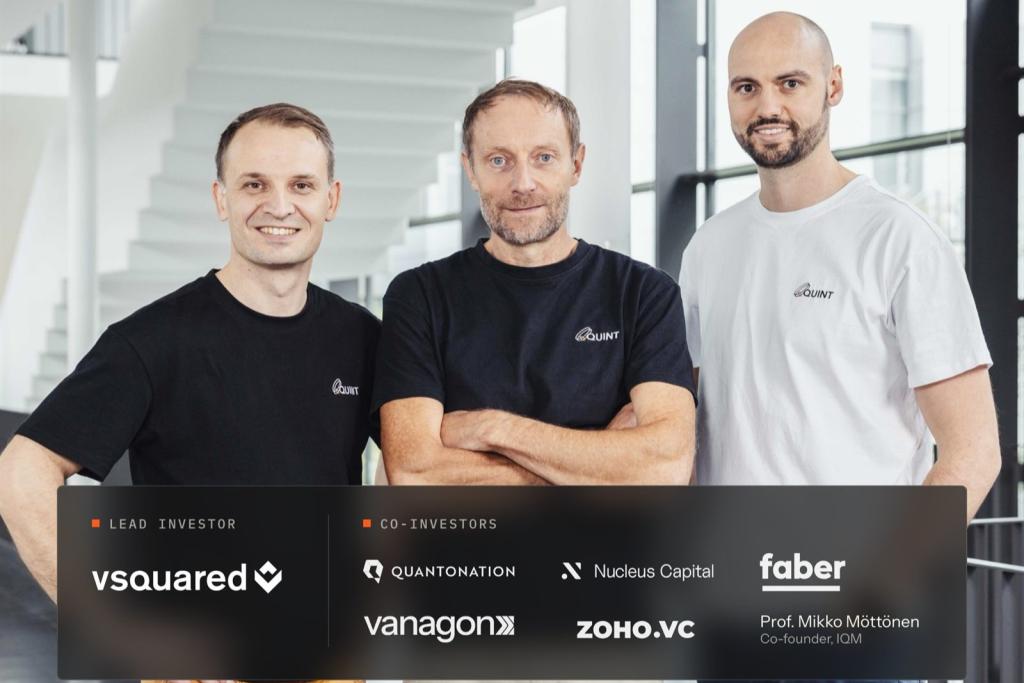
The Erlangen-based deep tech startup Quint Computing has raised 9.1 million euros in its first funding round. According to the company, this is the largest initial funding round to date for a German quantum computing startup. The round is led by Vsquared Ventures. With a novel chip architecture, the company aims to solve one of the biggest problems in quantum technology: the complex task of error correction.
Quantum computers are considered one of the most promising technologies of the future. They could enable complex calculations that even powerful classical supercomputers cannot handle. However, significant technical challenges must still be overcome before they can be widely adopted in industry.
This is precisely where Quint Computing, a startup founded in October 2025 and based in Erlangen, comes in. The company is developing a new architecture for superconducting quantum processors designed to reduce errors at the hardware level. Quint has now secured 9.1 million euros from investors to further develop its technology. The funding round was led by Vsquared Ventures. Other participants include Quantonation, Nucleus Capital, Faber, Vanagon Ventures, and ZOHO.VC, as well as quantum computing expert and IQM co-founder Prof. Mikko Möttönen.
In addition, the company received a Pathfinder grant from the European Innovation Council (EIC) in the amount of 2.2 million euros. This brings Quint’s total funding and grants to 11.3 million euros.
From University Research to a Deep Tech Startup
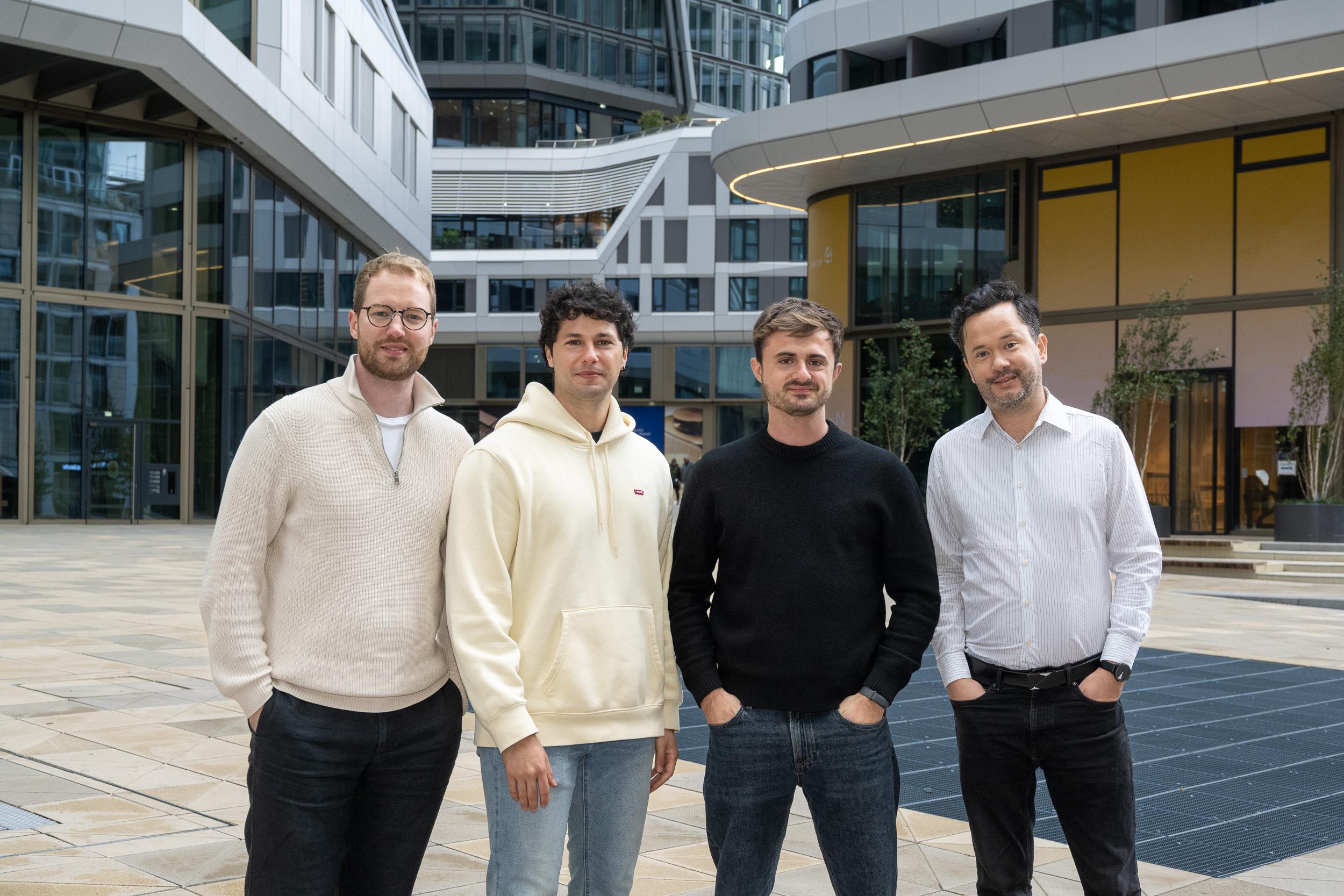
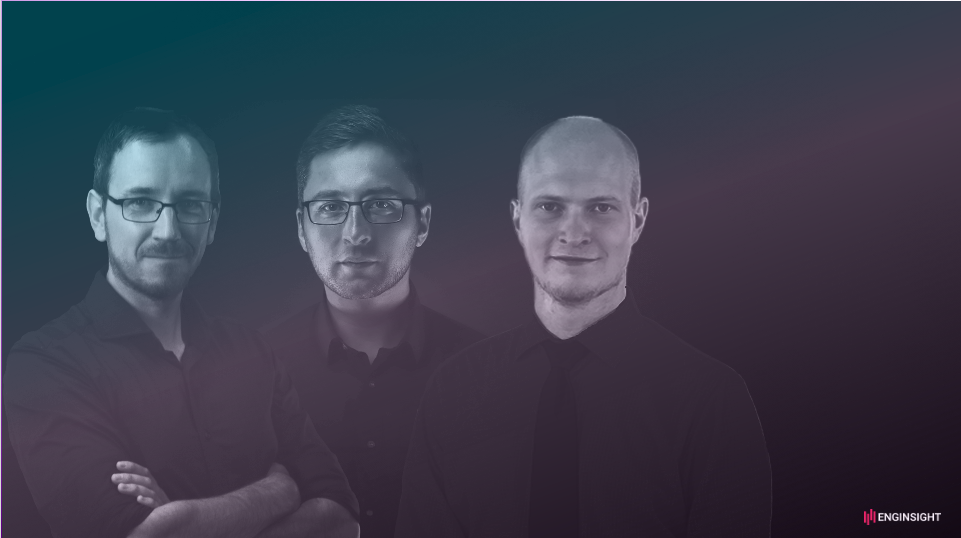
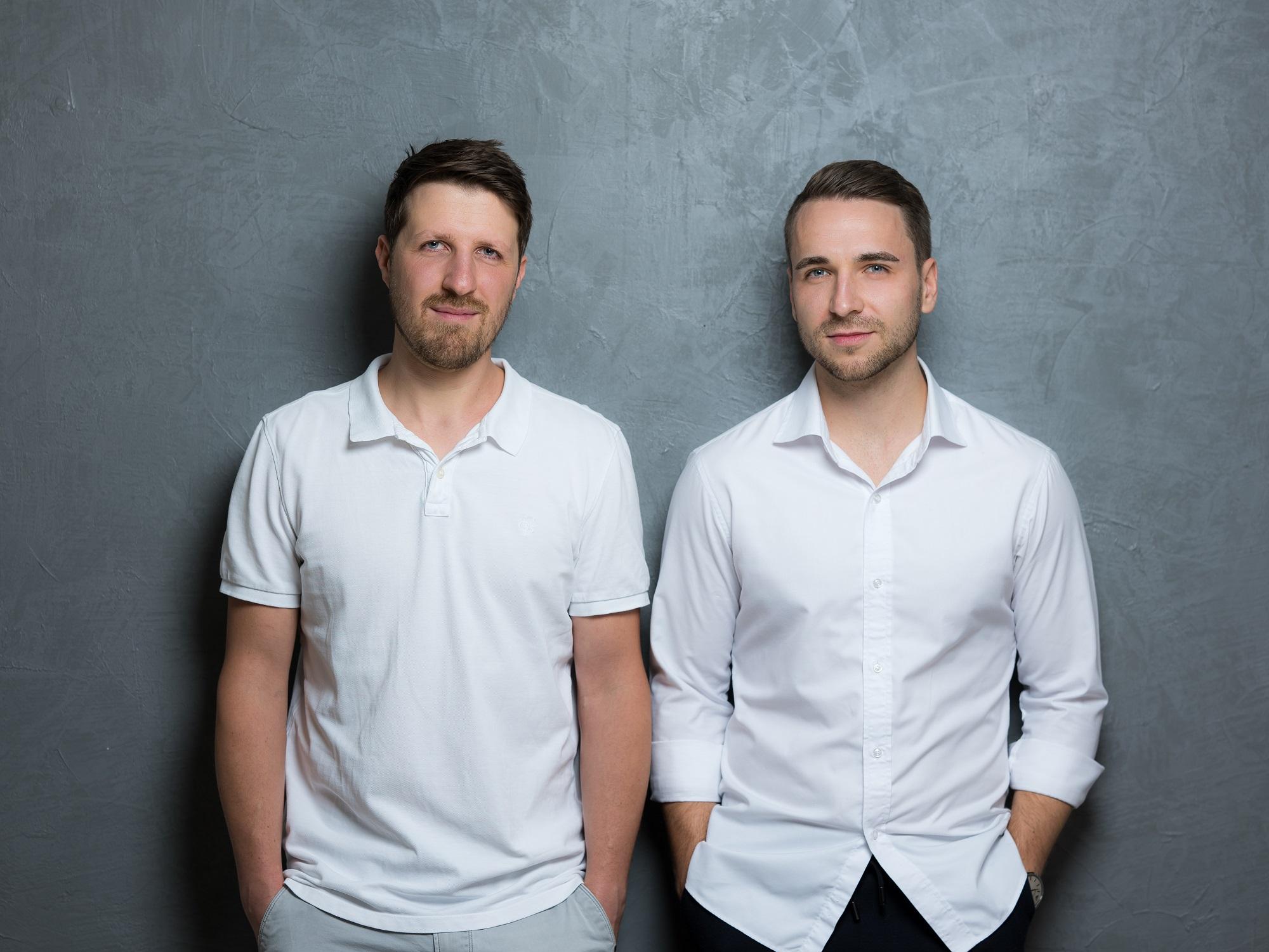
Behind Quint Computing are the two quantum physicists Prof. Michael Hartmann and Prof. Christopher Eichler, as well as economist Dr. Jona Stinner. The company emerged from research conducted at Friedrich-Alexander University Erlangen-Nuremberg and is part of the Munich Quantum Valley ecosystem.
The founding team is supported by an advisory board with expertise in both academia and industry. This includes Prof. Florian Marquardt, director at the Max Planck Institute for the Physics of Light; former Infineon CEO Dr. Reinhard Ploss; and Dr. Markus Hoffmann, formerly responsible for partnerships at Google Quantum AI.
The central technological challenge lies in the error-prone nature of quantum computers. Even the smallest external disturbances can affect calculations. To correct these errors, existing approaches require significant additional hardware and complex procedures.
The patented chip architecture is designed to suppress a large portion of the errors directly within the circuit elements. This could significantly reduce the effort required for additional error correction. According to the company, once fully developed, the technology is expected to reduce complexity, hardware requirements, and energy consumption by a factor of 100 without significantly limiting computing speed. However, these performance goals must first be demonstrated on an industrial scale.
Industrial Applications and Growth Through 2028
Quint plans to use the new capital to expand its research and development capabilities and prepare for its first industrial deployment projects. By 2028, the team is expected to grow to about 40 employees. The company sees potential applications particularly in the chemical industry, pharmaceutical research, logistics, and industrial manufacturing. Quantum computers could, for example, simulate complex molecular interactions and thereby support the development of new drugs.
The founders have already explored these application areas through research collaborations with Bosch, BASF, and Boehringer Ingelheim. The economic potential is substantial. Industry studies estimate the potential economic value of quantum computing by 2035 at up to 2.7 trillion U.S. dollars, provided that fault-tolerant systems can be successfully developed and scaled.
The goal is to develop an industrially viable solution based on a scientifically sound technological approach. The funding provides the young company with the necessary resources to further develop its chip architecture and position itself in the international competition for commercially viable quantum computers.





Newsletter
Startups, stories and stats from the German startup ecosystem straight to your inbox. Subscribe with 2 clicks. Noice.
LinkedIn ConnectFYI: English edition available
Hello my friend, have you been stranded on the German edition of Startbase? At least your browser tells us, that you do not speak German - so maybe you would like to switch to the English edition instead?
FYI: Deutsche Edition verfügbar
Hallo mein Freund, du befindest dich auf der Englischen Edition der Startbase und laut deinem Browser sprichst du eigentlich auch Deutsch. Magst du die Sprache wechseln?