Possible Effects of a Digital Euro on German Entrepreneurs' International Expansion Plans


The digital euro is one of Europe’s most ambitious fiscal policy initiatives. While policymakers, central banks, and the financial sector debate its design, the perspective of startups has often been overlooked so far. Yet young, internationally oriented companies, in particular, could benefit from changes in cross-border payments. As part of his dissertation, Thilo Hett of TU Dortmund University is examining the opportunities, risks, and impacts the digital euro could have on the internationalization of startups. In this guest post, he explains the background of his research and invites founders to contribute their experiences and insights to the academic study. Startbase is pleased to support this research project:
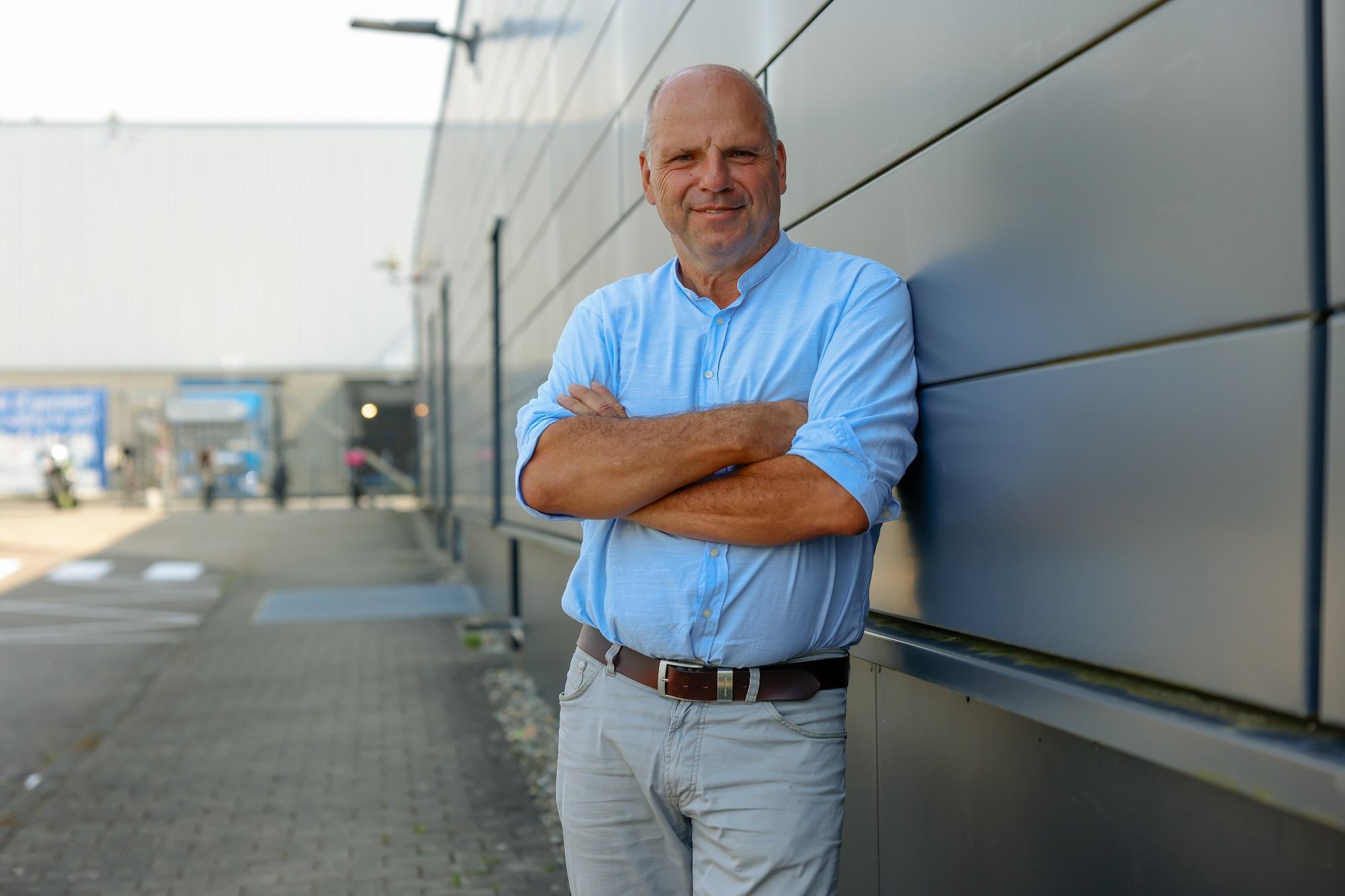
Guest Article by Thilo Hett
When you start a startup, central banks are rarely the first thing that comes to mind. Most of the time, the focus is on the product, the team, and/or funding. But once the first customers abroad start appearing, one issue suddenly becomes very concrete: How does the money actually get from A to B? This is exactly where my dissertation comes in. My path to this topic began with a simple observation: Today, digital business models are often conceived with an international scope from the very start, but the payment infrastructure behind them is not always designed that way. Any young company with customers, suppliers, or partners in multiple countries knows the consequences. These usually include high fees, transfers that take days, and—depending on the country—additional regulatory requirements. For large corporations with their own finance departments, this is part of everyday life that they can manage. For startups with limited resources, however, it can be a real obstacle on the path to expanding abroad.
At the same time, the European Central Bank is working on a digital euro. It is not intended to replace cash, but rather to complement it and offer a digital payment option that is fast, secure, and efficient. The project is still in the development phase but is scheduled to be implemented in 2029. That’s exactly what I found appealing: There are already many debates about technology, data protection, and the role of banks, but surprisingly little research on what all of this means for startups—that is, for those who may later benefit the most from it or face the greatest challenges as a result.
I’m fascinated by the intersection of entrepreneurship, internationalization, and monetary policy. A digital euro could transform cross-border payments, which have often been expensive, slow, and complicated up to now. Whether—and to what extent—this will actually affect decisions regarding internationalization remains to be seen. Would a startup enter new markets sooner if payments were simpler? Or are entirely different factors decisive—such as language, legal frameworks, sales, or customer trust? I also find the question of trust and legal frameworks particularly intriguing. A digital euro promises transaction security, efficiency, and new opportunities for innovation. At the same time, however, there are also concerns. What about data protection? How much government control is conceivable? What regulations will companies face? These questions cannot be answered by consulting the literature alone. That is why I would like to know how startups themselves view these issues—based on their real-world experiences, not just theoretical assumptions.
My research focuses on expert interviews with startups that are either already operating internationally or planning to expand. The interviews last about 30 minutes and are divided into four sections: First, we’ll discuss general understanding and attitudes toward the digital euro, followed by potential
impacts on internationalization. Next, we examine trust and the legal framework, and finally, competitiveness and innovation. It’s important to me to note: No specialized knowledge of the digital euro is required. Even a skeptical, critical, or undecided stance is very welcome. It is precisely these diverse perspectives that help me paint a realistic picture.
I see several benefits for startups in this regard. First, participants get the opportunity to engage early on with a topic that could gain significance in the coming years. Those who start thinking about this now will be better prepared later on, whether it involves opportunities in payment systems, new business models, or regulatory requirements. Second, the study provides an overview of how other startups assess the topic. This allows for a change of perspective and highlights shared concerns and hopes. Third, the results will be incorporated into an academic thesis that brings voices from the field to the forefront. Startups are often only marginally considered in political and economic debates. With my dissertation, I hope to help ensure that their experiences and needs are incorporated into the discussion regarding what a digital euro should look like and how it should function. And finally, anyone who agrees to an interview will, in the process, reflect on their own internationalization strategy. Simply reflecting on payment flows, trust, and competitiveness can spark new ideas for one’s own company. I’d love to hear from startups that are interested in sharing their insights and experiences with me. The interview will take place digitally by appointment and can be easily integrated into your daily work routine. If this sounds like you or if you know someone who might be a good fit, I’d love to hear from you. I’m looking forward to the conversation and to discovering together what the digital euro could mean for the next generation of international startups.
Contact
Thilo Hett
TU Dortmund: Assistant Professor of Entrepreneurship
Email: Thilo.Hett@tu-dortmund.de
LinkedIn: https://www.linkedin.com/in/thilo-hett-bb632720b/

Newsletter
Startups, stories and stats from the German startup ecosystem straight to your inbox. Subscribe with 2 clicks. Noice.
LinkedIn ConnectFYI: English edition available
Hello my friend, have you been stranded on the German edition of Startbase? At least your browser tells us, that you do not speak German - so maybe you would like to switch to the English edition instead?
FYI: Deutsche Edition verfügbar
Hallo mein Freund, du befindest dich auf der Englischen Edition der Startbase und laut deinem Browser sprichst du eigentlich auch Deutsch. Magst du die Sprache wechseln?