How Martina Klement Plans to Make Brandenburg a Winner in the Technological Transformation


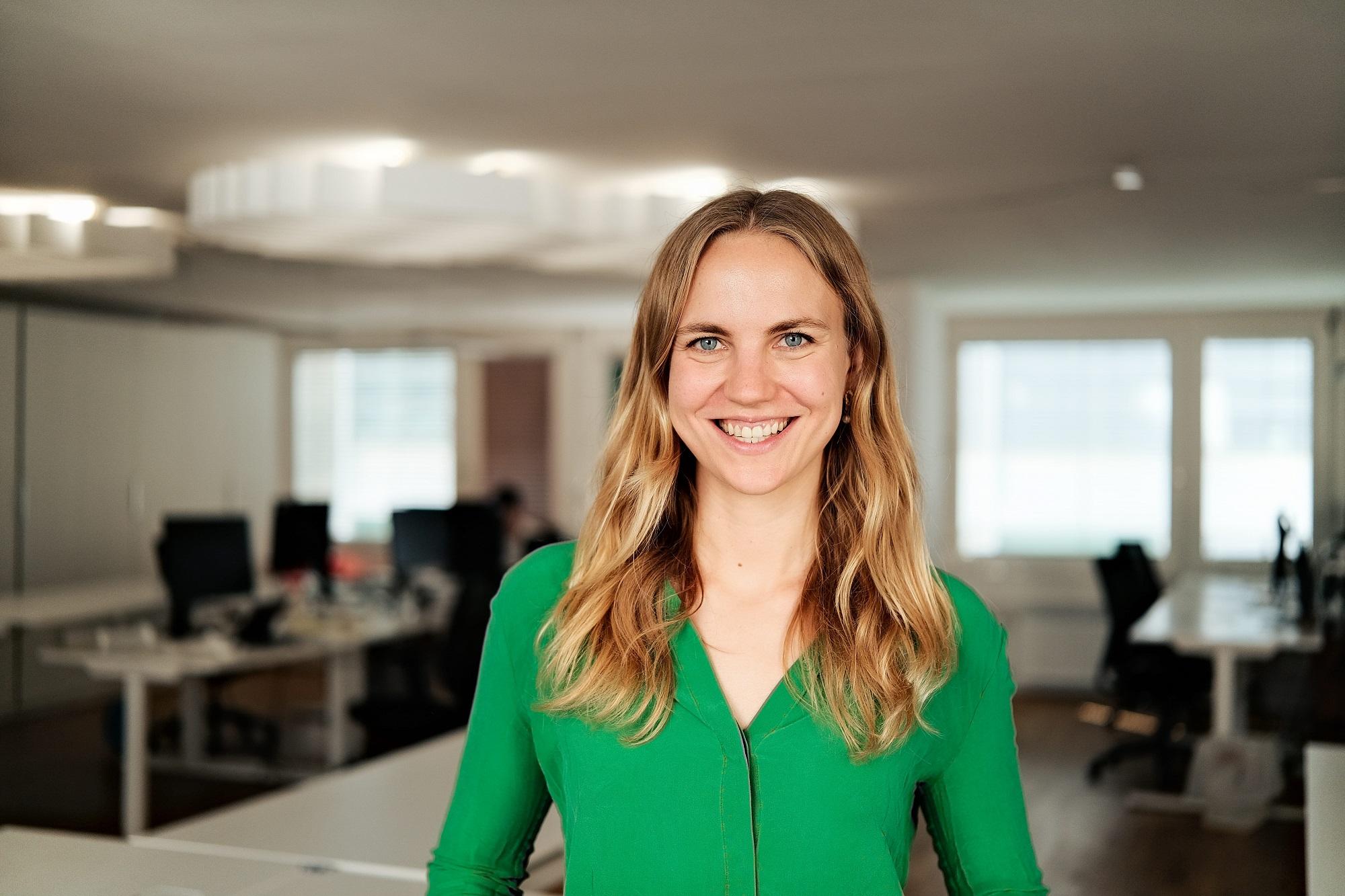
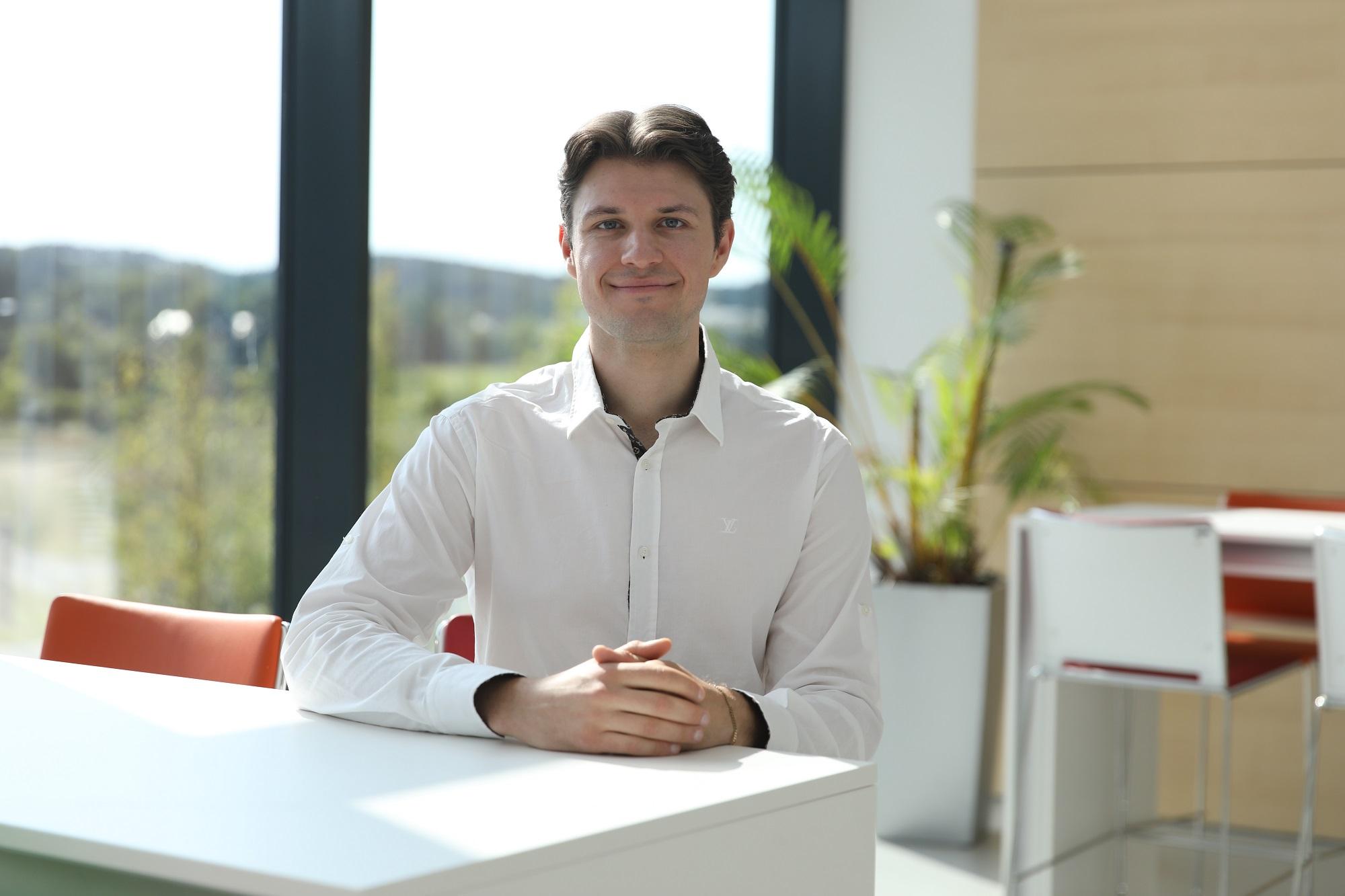
Since March 18, 2026, Martina Klement has headed the Brandenburg Ministry of Economic Affairs, a department at the center of the state’s technological and industrial transformation. Her agenda is to put more innovation into practice, forge closer ties between startups and small and medium-sized enterprises and the academic community, mobilize private capital, and create new value in Brandenburg. In this regard, Klement does not view the state as an extension of Berlin’s economic sphere, but rather as an independent technology and industrial hub with grand ambitions. In this interview, the minister explains where Brandenburg actually stands today, what the state still lacks, and how it can emerge as a winner in the technological transformation.
1. Where does Brandenburg stand economically in 2026—better or worse than it is perceived from the outside?
Our state is in better economic shape than is sometimes perceived. From 2015 to 2025, real GDP rose by 7.5 percent—significantly more than in eastern Germany as a whole and nearly on par with the national average. Per capita income has also risen by a quarter over the past five years.
At the same time, Brandenburg is undergoing a profound transformation. Today, our state is a hub for future technologies, modern industry, renewable energy, science, and innovation. The key now is to further build on this momentum and create even closer links between startups, small and medium-sized businesses, innovative science, and capital.
2. What are the state’s greatest economic strengths today?
Our greatest strength is the combination of knowledge, space, and expertise. Brandenburg combines a strong science and research landscape with high-performing companies and a broad industrial base.
Key sectors include the automotive industry, the energy sector, the food industry, and the metal and mechanical engineering sectors. At the same time, future-oriented fields such as renewable energy, electric mobility, aerospace, pharmaceuticals, biotech, digitalization, and AI are growing.
3. Where does Brandenburg still have real ground to make up?
We can move faster—especially when it comes to translating research into marketable products and successful business models. Good ideas need to turn into companies more quickly.
To achieve this, innovative companies need, above all, better access to growth capital. With the Future Tech Fund Brandenburg, we’ve taken an important step in this direction. At the same time, securing a skilled workforce remains crucial: innovation comes from people—which is why we must attract, train, and retain talent in the state.
4. What role should startups play in the state’s economic strategy?
Startups are a key driver of innovation, growth, and economic renewal. They bring new technologies, markets, and business models into the economy. Our task is to create the best possible conditions for this—through consulting, financing, networks, and close ties to academia and established companies. With the Brandenburg Startup Initiative and our six startup centers, we have established key structures to support this.
5. Brandenburg has strong universities and research institutions. How can we get more of these innovations into businesses?
We must continue to strengthen the bridge between academia and industry. And to encourage more spin-offs, we need strong collaborations between research and industry and even better support for scientists on their path to entrepreneurship. Our goal is clear: more successful companies “Made in Brandenburg.”
6. How can Brandenburg attract more private capital for innovative companies?
Innovative companies need capital to grow. Public funding can provide a boost here, but in the long term, we need more private capital in the state.
We can act as a catalyst for this: we must do an even better job of bringing companies and investors together and raise Brandenburg’s international profile—as a hub for innovative technologies, strong founding teams, and attractive growth prospects.
7. What do you expect from established companies and small and medium-sized enterprises (SMEs) when it comes to innovation and transformation?
Our SMEs are the backbone of Brandenburg’s economy. Many have already demonstrated their ability to adapt to change. Now, innovation must become an even more central strategic priority.
Digitalization, energy efficiency, and new business models are already determining tomorrow’s competitiveness today. Collaborations with startups can make an important contribution here: Young companies bring new technologies and agile ways of working, while established companies contribute experience, customers, and industrial expertise.
8. What economic opportunities does the energy transition offer specifically for Brandenburg?
We have great potential in wind and solar energy, hydrogen, and storage technologies. The energy transition therefore holds significant economic opportunities for Brandenburg.
However, the key point is this: We don’t just want to generate energy; we want to use it to create additional industrial value—for example, in batteries, hydrogen, storage systems, grids, and climate-neutral production. The transformation is therefore not only a challenge but also one of the greatest economic opportunities of our time.
9. Artificial intelligence will transform entire industries. Where do you see particular opportunities for Brandenburg?
AI offers enormous potential, especially for a state like Brandenburg with a strong research landscape—particularly in industry, manufacturing, automation, and energy efficiency, but also in healthcare, public administration, and agriculture.
The key is to use AI as a tool to make our economy more productive, sustainable, and competitive.
10. Many small and medium-sized businesses are looking for successors. Should business succession be viewed more as an issue of innovation and entrepreneurship?
Absolutely. More than 47,000 companies in Brandenburg are currently looking for a successor. This is not only a challenge but also a major opportunity for innovation.
Young entrepreneurs often bring new ideas, digital business models, and fresh perspectives to the table. Successful succession can therefore serve as an important catalyst for innovation across the entire business. We need to attract more people to this entrepreneurial path.
11. Berlin attracts international entrepreneurs and capital. How can Brandenburg benefit more from this without merely being “Berlin’s hinterland”?
Brandenburg benefits from the capital region, but it is an independent economic and innovation hub with its own strengths.
Brandenburg contributes industrial expertise, science, land, infrastructure, and quality of life. The key is to communicate these strengths even more effectively and to present a united front as the capital region.
12. How would you know in 2030 that Brandenburg’s innovation policy had been successful?
Ultimately, what matters is what makes a difference for people and businesses—through new jobs, additional value creation, and sustainable growth.
For me, success means that more innovations from Brandenburg are reaching the market: more growing startups, more spin-offs from science and research, and a small and medium-sized business sector that benefits even more from new technologies.
13. In your opinion, which three people or groups should definitely get to know each other at FUSION?
Founders with innovative ideas and established small and medium-sized enterprises. This is often where the most exciting collaborations emerge. Also, scientists and investors.
After all, good research needs to find its way into practical application—and that requires capital, entrepreneurial courage, and strong networks. Brandenburg’s future takes shape where these people come together and develop solutions collaboratively.
Brandenburg’s future comes together in five days
Martina Klement’s answer to the last question thus leads directly to one of the central points of her economic policy agenda: Brandenburg does not lack ideas, research, or industrial expertise. The key is to bring the right players together —founders, scientists, small and medium-sized businesses, and capital. It is precisely these groups that will come together five days later at the FUSION in Wildau . Joining them will be policymakers, who must create the right framework conditions for this. If Brandenburg truly wants to become a winner in the technological transformation, part of the answer may lie precisely here: connecting the dots.
We’d like to thank Minister of Economic Affairs Martina Klement for the engaging conversation and the insights into her plans for Brandenburg as a hub for business and innovation, and we wish her continued success in her future endeavors. For more information on FUSION, the program, and the event, please visit our event database as well as on the official FUSION website.

Newsletter
Startups, stories and stats from the German startup ecosystem straight to your inbox. Subscribe with 2 clicks. Noice.
LinkedIn ConnectFYI: English edition available
Hello my friend, have you been stranded on the German edition of Startbase? At least your browser tells us, that you do not speak German - so maybe you would like to switch to the English edition instead?
FYI: Deutsche Edition verfügbar
Hallo mein Freund, du befindest dich auf der Englischen Edition der Startbase und laut deinem Browser sprichst du eigentlich auch Deutsch. Magst du die Sprache wechseln?