We don't need more startups. We need better business models.

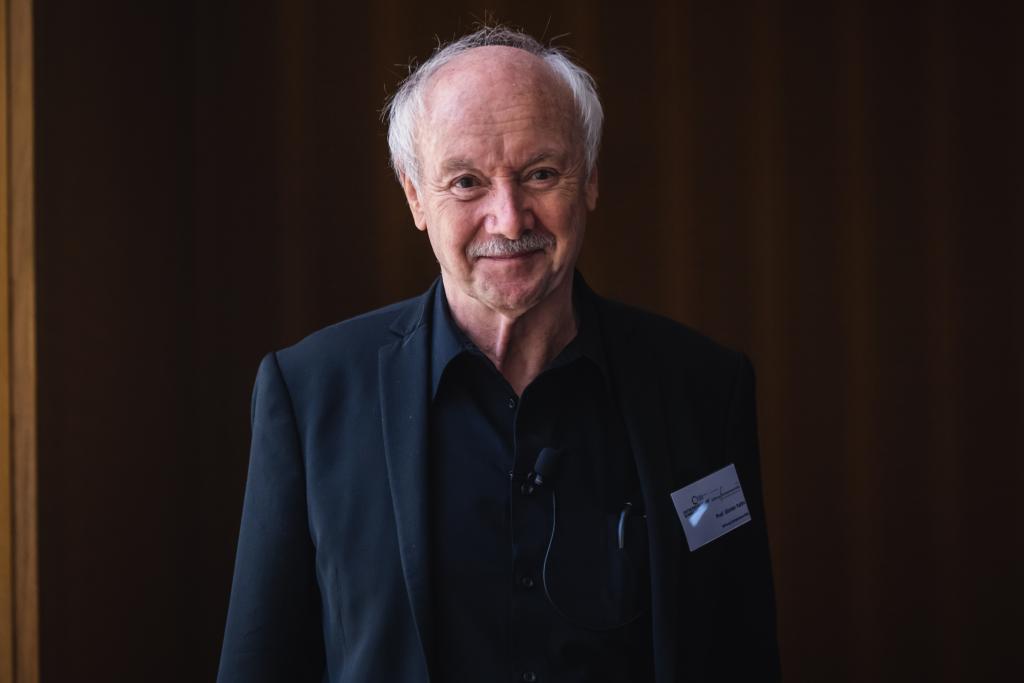
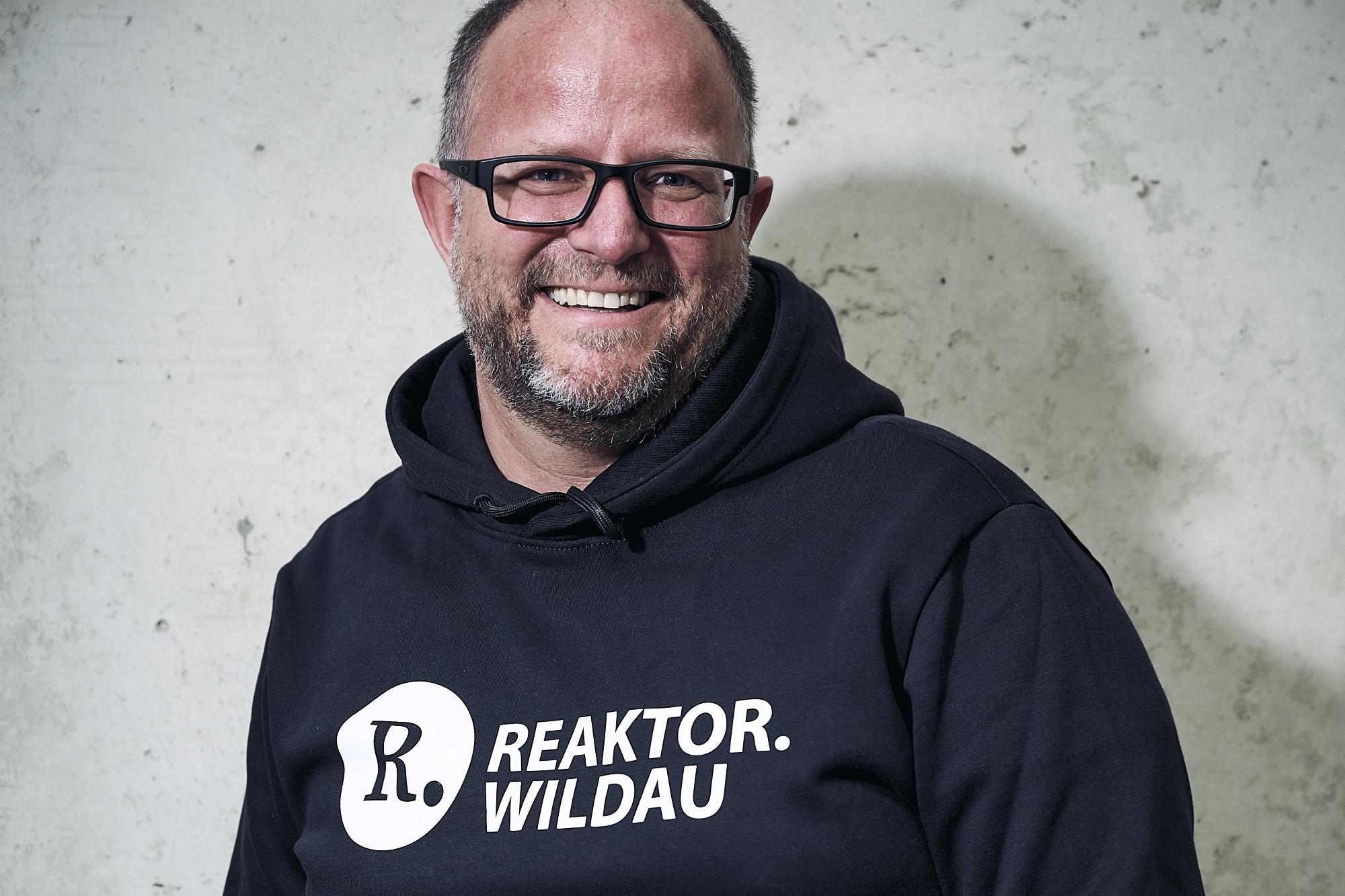
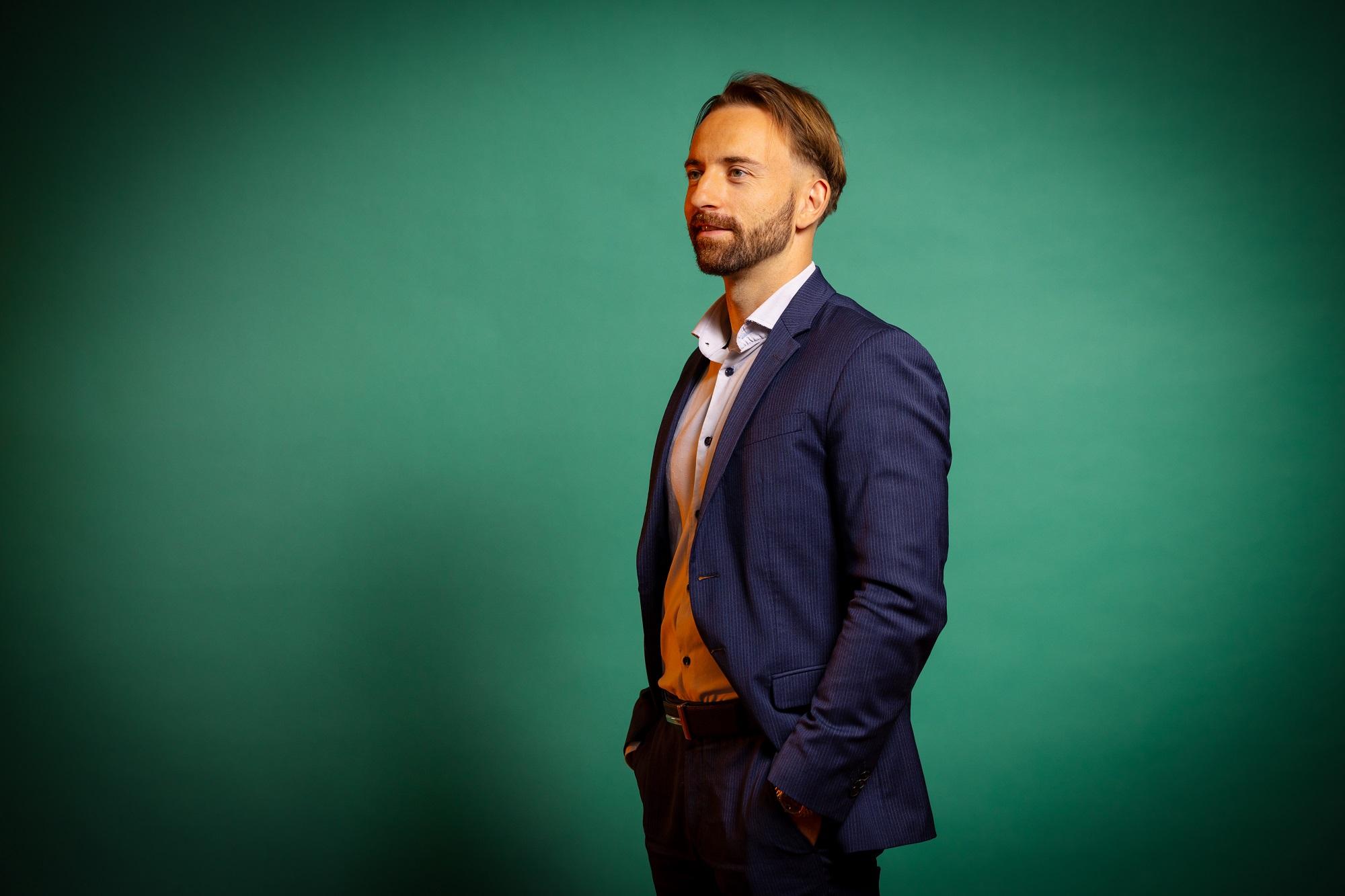
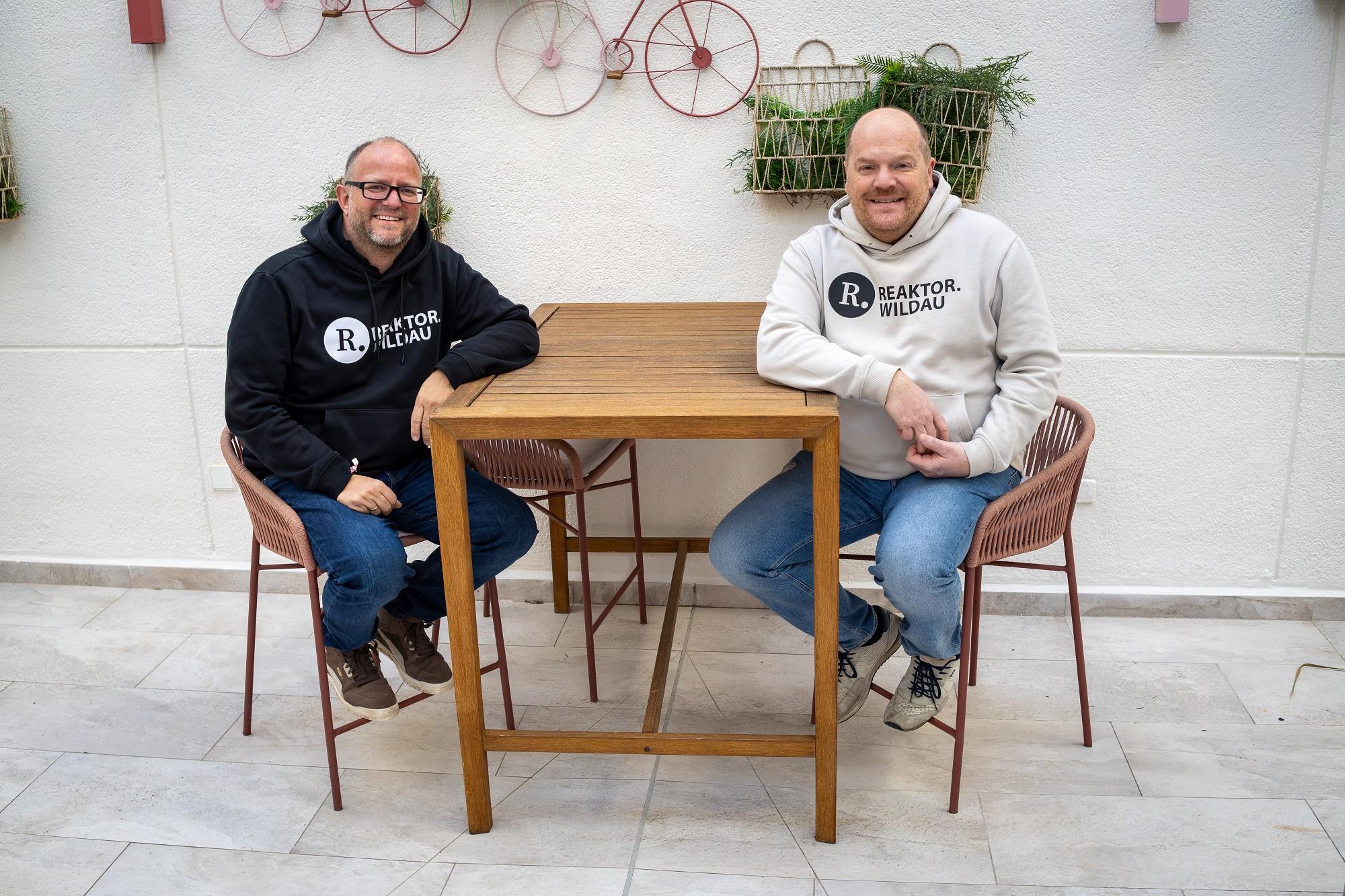
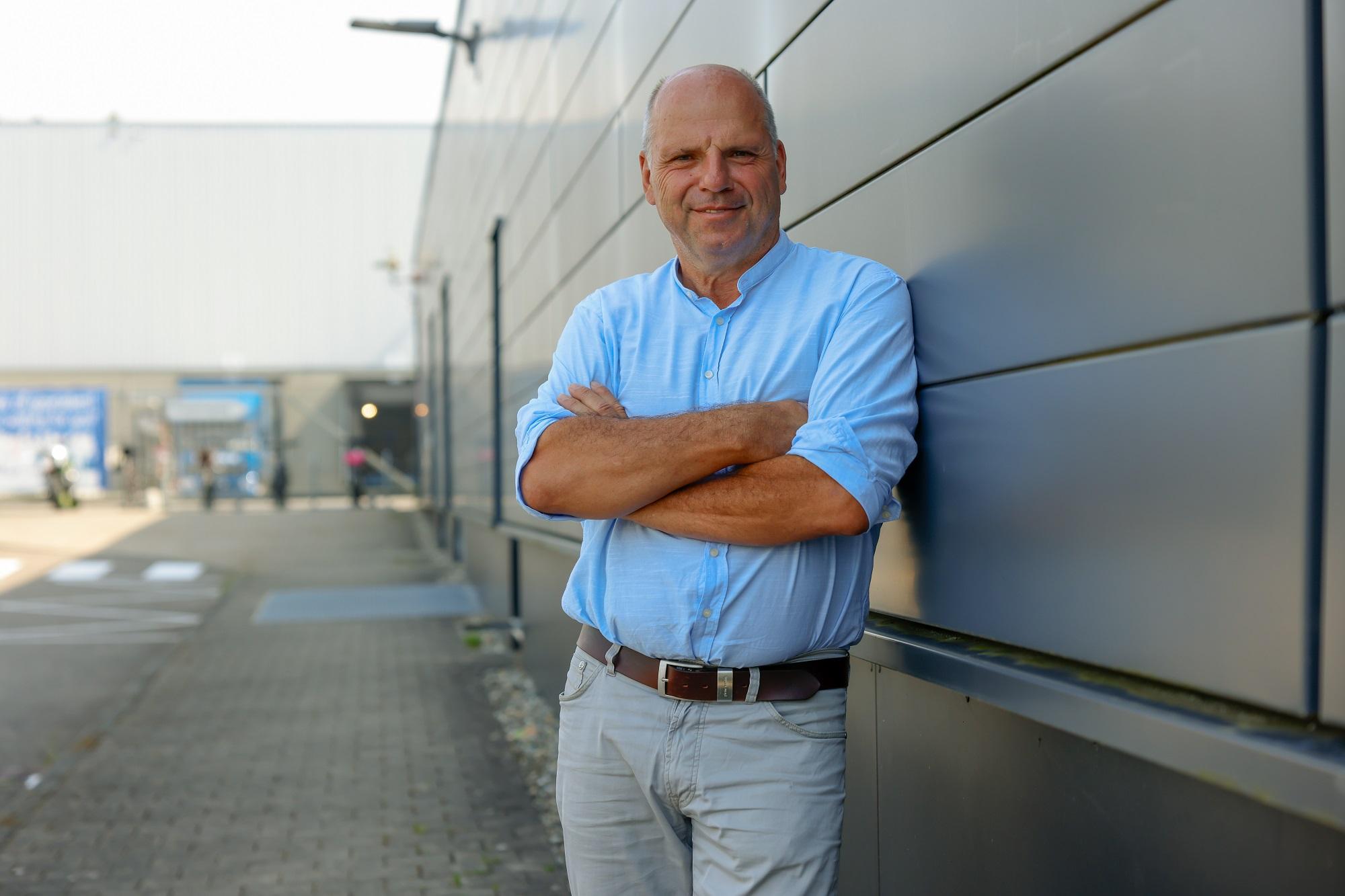
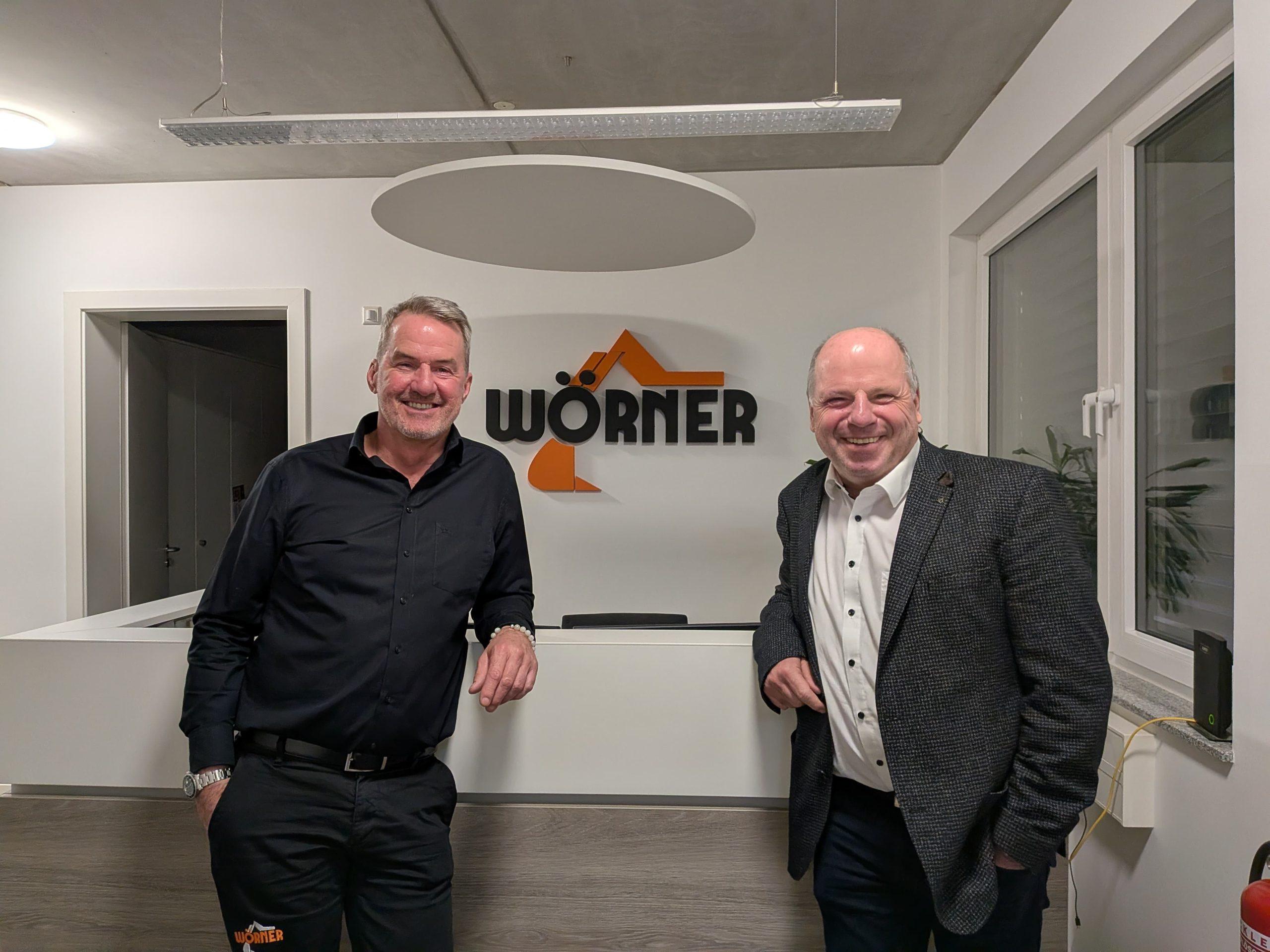
Rafael Kugel, managing director of the Reaktor.Wildau and co-organizer of the upcoming FUSION 2026, met with Prof. Günter Faltin for an interview. The conversation focuses on entrepreneurship and starting a business, the importance of truly good business concepts, and the question of what it takes for founders today to turn an idea into a successful company.
Rafael Kugel: Professor Faltin, we’re living in a time when starting a business has almost become a national pastime. Do you get the impression that people are rushing into starting businesses too quickly these days?
Günter Faltin: There’s some truth to that. The statistics are sobering: 80 to 90 percent of tech startups are no longer in business after five years. The problem is often that people confuse technology with a business model. Technology alone is not a business model—that’s something we need to keep saying out loud. My motto, “Brains beat capital,” means exactly that: You first have to do the mental work to translate an idea into a viable concept. Many people jump on the technology bandwagon too quickly, instead of first circling around the technology to see what can be done with it.
Rafael Kugel: You often talk about the “crazy factor” and the idea that one shouldn’t think solely in terms of technical logic. What does this process look like when you want to develop a truly robust “entrepreneurial design”?
Günter Faltin: I recommend approaching the matter playfully and with a certain degree of detachment. An ideal team isn’t made up solely of the engineers who developed the technology. It also includes people with a completely different perspective. You need social imagination. Before starting a company, you should ask yourself: What could this technology lead to? That’s an investment worth making before you dive into implementation.
Rafael Kugel: When we talk about “deep tech”—that is, highly complex, research-intensive technologies—do the same rules apply?
Günter Faltin: I’d rather ask: Is deep tech really the ideal field for startups? To me, it often belongs in research institutions or at universities. You shouldn’t mix research and entrepreneurship too much. While there are spectacular exceptions, it’s generally better to work in close collaboration with institutions that don’t have to immediately convert every achievement into euros and cents.
Rafael Kugel: Let’s talk about AI. You’ve described the topic as a “gold rush” that’s 100 times bigger than anything we’ve seen before. Is AI fundamentally changing the rules of the game for founders?
Günter Faltin: Absolutely. AI is a highly effective tool. I’m amazed at how creative it is—it offers perspectives you wouldn’t have come up with on your own. Let’s take an example: payment service providers like Visa or Mastercard. They charge merchants fees of 3 to 5 percent, even though the actual technology behind it costs only a fraction of that. With AI, you can now program an app that bypasses this “friction” between producer and customer. That’s a business model based on proven technology that I don’t even have to reinvent.
Rafael Kugel: If technical implementation becomes easier thanks to AI, what still protects a startup? What is the “moat” if the software can be copied?
Günter Faltin: The classic moat has become harder to maintain. Today, the founder’s personality also plays an increasingly important role. You have to be able to “generate buzz”; you have to translate the idea into language and imagery that are convincing. Investors today rightly focus very heavily on personality. I need a founder who is passionate about their idea and sees it as a “total work of art.”
Rafael Kugel: What do you mean by “total work of art”?
Günter Faltin: A business model should stand on multiple pillars. If it rests on just one pillar—say, price alone—it’s dangerous. If someone from China undercuts the price, the whole thing collapses. A robust concept has multiple facets: quality, design, sustainability, fair trade, or emotional aspects. The more legs a concept has, the more resilient it is.
Rafael Kugel: Finally, many people still hold the prejudice that you have to be born an entrepreneur. What’s your take on that?
Günter Faltin: That’s nonsense. It’s like education: People used to say that education was only for certain social classes. Today, education is accessible to everyone. Entrepreneurial thinking is something inherent in every person who wants to shape their own life. We need to break down the prejudice that you have to be aggressive or ruthless. We need more people who “take initiative”—not just on vacation or in their free time, but as part of their lives. That’s what’s close to my heart: opening up entrepreneurship to many more people.
Rafael Kugel: Mr. Faltin, you’ll be giving a keynote speech at FUSION in September. What do you see as the greatest benefit of such conferences for founders?
Günter Faltin: It’s like a refreshing shower. For once, you’re with people who say, “Of course, that’s great!”—instead of constantly hearing concerns about why something won’t work or is forbidden. I’m looking forward to meeting open-minded people there again. We need to establish entrepreneurship as something that goes without saying, and events like this are the place where you can feel that energy and make connections. I look forward to seeing you in person there in Wildau.
Rafael Kugel: Thank you very much for this conversation, Professor Faltin.
Günter Faltin: My pleasure—it’s always fun to talk about these things.
The full interview on video
About Prof. Günter Faltin
Prof. Dr. Günter Faltin is one of the leading figures in the German entrepreneurship landscape. Born in 1944, the professor established the Entrepreneurship program at Freie Universität Berlin and was already deeply engaged with business startups at a time when they were far from being a hot topic in society or economic policy.
Nearly 40 years ago, Faltin founded Teekampagne, thereby demonstrating in practice how a consistently well-thought-out business concept can challenge established structures. In 2001, he founded the Entrepreneurship Foundation, which, among other things, organizes the annual Entrepreneurship Summit in Berlin. For his work as a pioneer of the concept of entrepreneurship, Faltin was awarded the Federal Cross of Merit in 2010. His book *Kopf schlägt Kapital* became a bestseller and was translated into eight languages. He was also actively involved in promoting entrepreneurship internationally and helped establish the College for Digital Innovation and Entrepreneurship at Chiang Mai University over a period of eight years.
Live at FUSION
Anyone who would like to experience Prof. Günter Faltin live and hear his thoughts on entrepreneurship, business models, and the future of startups firsthand will have the opportunity to do so at FUSION 2026. Faltin will take the stage there in September as a keynote speaker. You can find more information about FUSION 2026 in our Events section.



Newsletter
Startups, stories and stats from the German startup ecosystem straight to your inbox. Subscribe with 2 clicks. Noice.
LinkedIn ConnectFYI: English edition available
Hello my friend, have you been stranded on the German edition of Startbase? At least your browser tells us, that you do not speak German - so maybe you would like to switch to the English edition instead?
FYI: Deutsche Edition verfügbar
Hallo mein Freund, du befindest dich auf der Englischen Edition der Startbase und laut deinem Browser sprichst du eigentlich auch Deutsch. Magst du die Sprache wechseln?