DiLT Analytics Secures Seven-Figure Funding

DiLT Analytics has secured a seven-figure round of funding. The funding consists of an equity investment from Noctua Science Ventures and a public grant from Austria Wirtschaftsservice. The Vienna-based deep-tech investor Noctua Science Ventures is a joint venture between Speedinvest and TU Austria. The fund focuses on science-based spin-offs from Austrian universities and research institutions. AWS supports DiLT Analytics through its “Seedfinancing – Deep Tech” program. This program is aimed at technology-oriented companies whose products are based on advanced research and technological innovations. The exact total amount, as well as the respective proportions of equity capital and grant funding, have not been disclosed. No information on the company’s valuation is available either. DiLT Analytics plans to use the funding primarily to build out its team, further develop its software, and acquire additional customers in the DACH region. CEO Theresa Kohl sees the combination of private capital and public funding as a foundation for further commercializing the technology.
Software Detects Hidden Faults in Building Systems
The company’s flagship product is FaciliMind, software for automated fault diagnosis in building systems. The solution is aimed specifically at operators of large and complex real estate portfolios. In such buildings, heating, ventilation, and air conditioning systems continuously provide extensive operational data. Building management systems and energy monitoring systems record, for example, temperatures, energy consumption, operating times, and technical thresholds. Nevertheless, many problems remain undetected during ongoing operations. These include faulty valves, improperly configured controls, or ventilation systems running outside their intended operating hours. Over time, such deviations can lead to additional energy costs and impair the efficiency of the systems. FaciliMind is designed to identify these problems using existing operational data, pinpoint possible causes, and propose specific corrective actions. The results are prioritized based on urgency and forwarded to the responsible technical teams.
Knowledge graphs are designed to accelerate implementation
A key feature of the platform is the largely automated creation of digital system models. According to the company, all that is needed for integration is a device that connects to the existing building management system and reads the operational data. The software then creates a digital representation of the connected technical systems. This is based on a knowledge graph-based software architecture that links information about components, their properties, and their relationships to one another. This enables FaciliMind to recognize the structure of complex building systems and automatically provide appropriate diagnostic procedures. According to the startup, this process can be completed within a few days. With conventional methods, manually setting up comparable analyses for numerous systems can take significantly longer. Independent comparative data on actual implementation times has not been published. According to the company, the software is vendor-neutral and is therefore suitable for real estate portfolios with a variety of technical systems.
Energy-saving potential of between 5 and 30 percent
In addition to automated fault detection, the focus is on reducing energy consumption. DiLT Analytics states that its analyses can reveal energy savings potential ranging from 5 to 30 percent. These figures describe potential savings resulting from identified operational errors and optimization measures. They should not be equated with energy savings that have already been achieved or independently verified across all customers. For operators of large real estate portfolios, identifying such potential can be economically significant. Especially in the case of extensive heating, ventilation, and air conditioning systems, inefficient settings can result in substantial operating costs over time. FaciliMind is designed to help technical teams systematically identify such problems and derive appropriate measures. According to the startup, the Federal Real Estate Corporation (BIG), which is among its customers, highlights the benefits of automated error detection and recommended measures in ongoing building operations.
Clients from the Real Estate Sector, Industry, and Research
DiLT Analytics has already secured several major organizations as clients. These include Graz University of Technology, Vienna University of Technology, the Federal Real Estate Company, and IG Immobilien Management GmbH. According to the company, the software is also being used by the industrial sector. The offering is aimed in particular at operators of extensive building portfolios, including public institutions, airports, industrial companies, and organizations in the pharmaceutical and healthcare sectors. These entities often manage technically complex properties with numerous systems and varying operational requirements. DiLT Analytics aims to use its software to help simplify the monitoring and optimization of such portfolios. Specific details regarding the total number of clients, recurring revenue, or business volume to date have not been disclosed.
Graz University of Technology spin-off combines research and product development
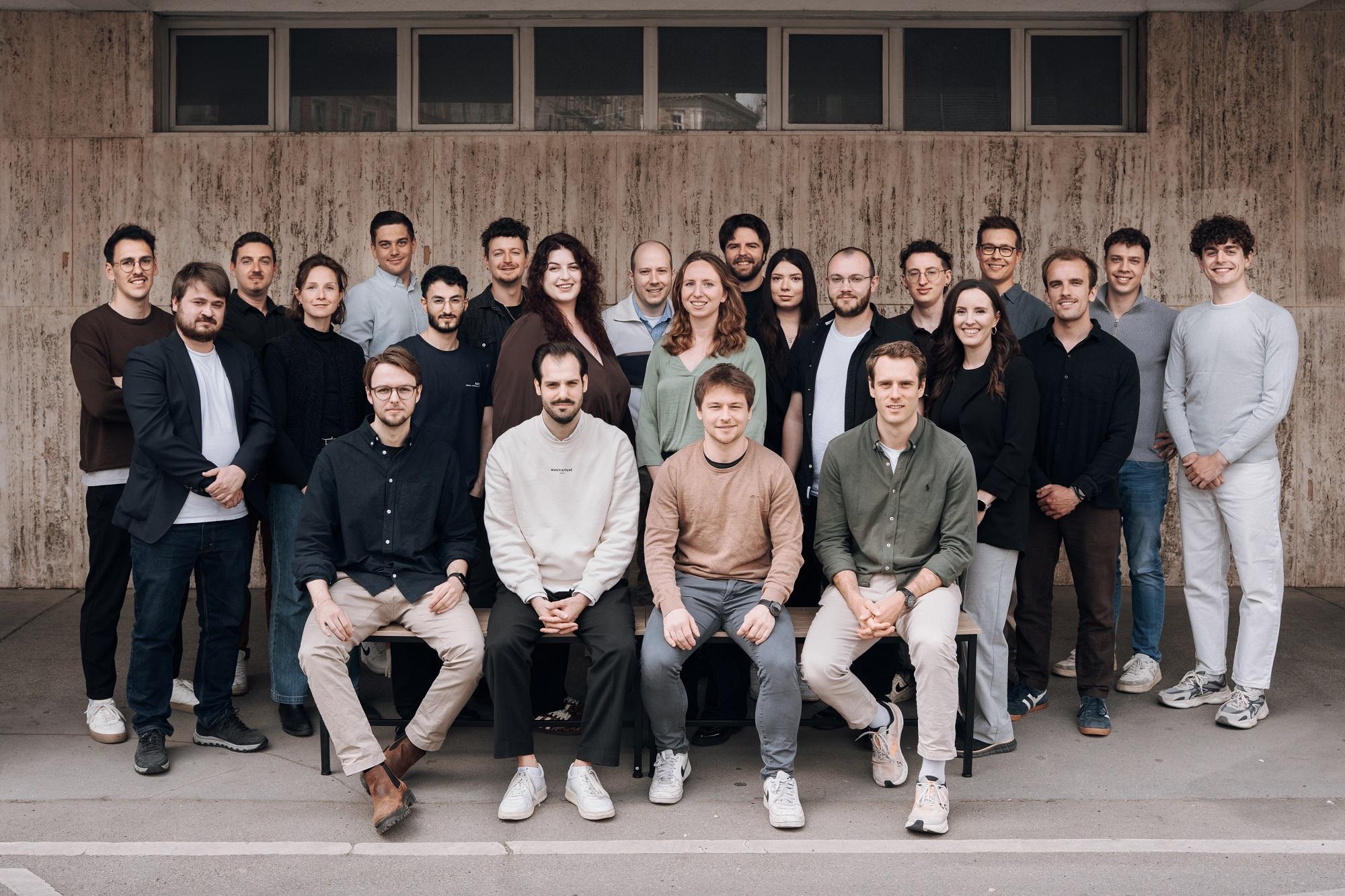
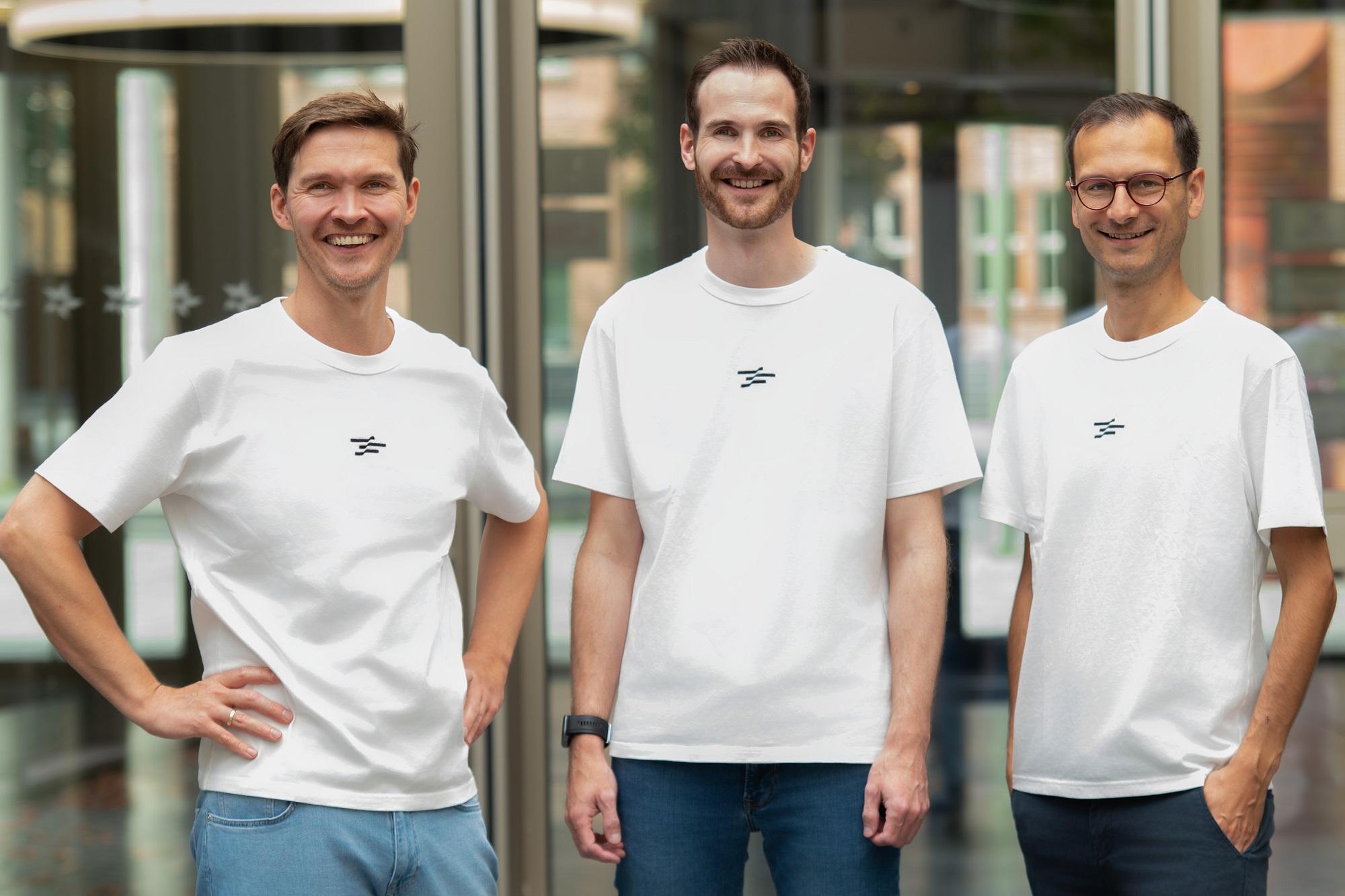
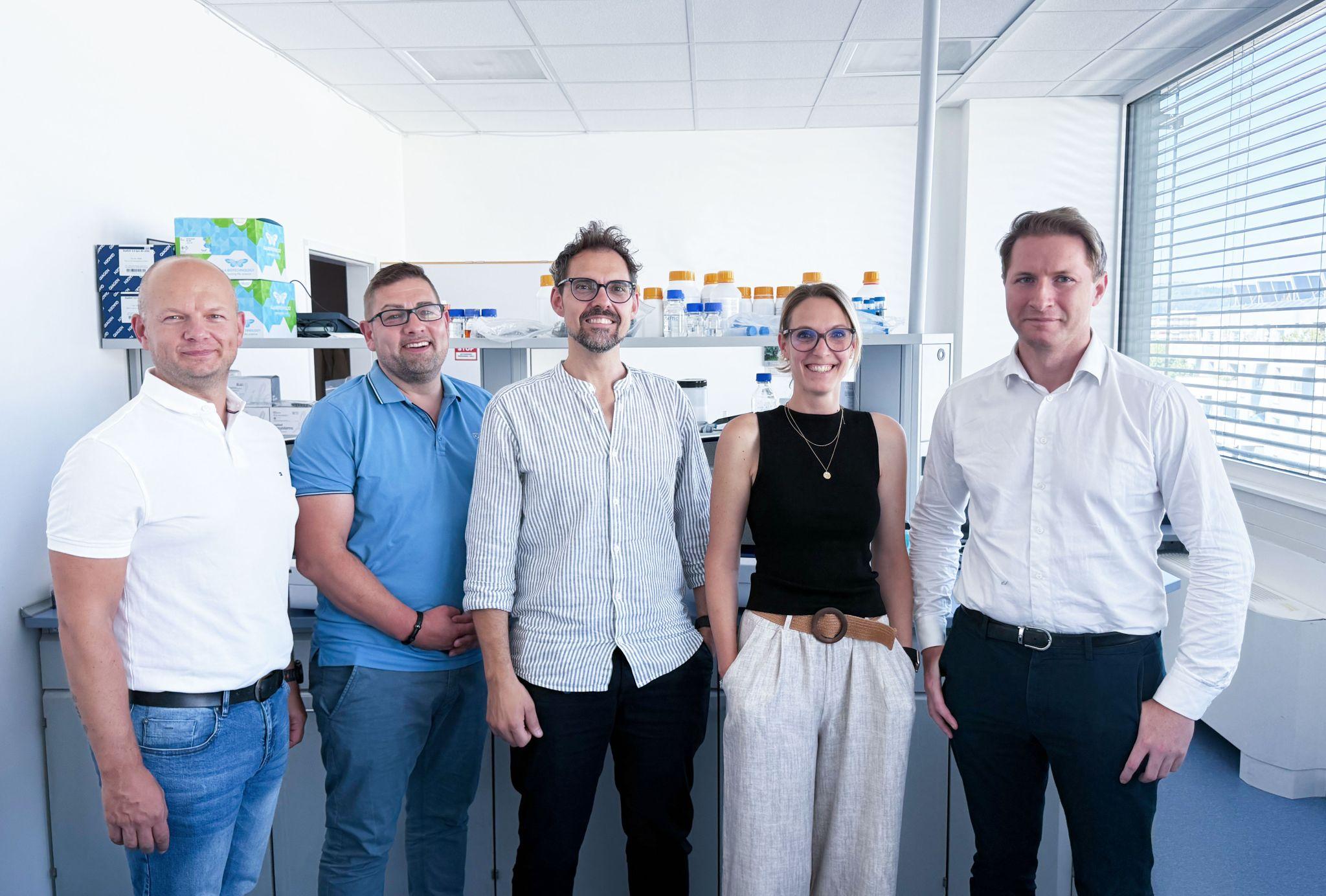
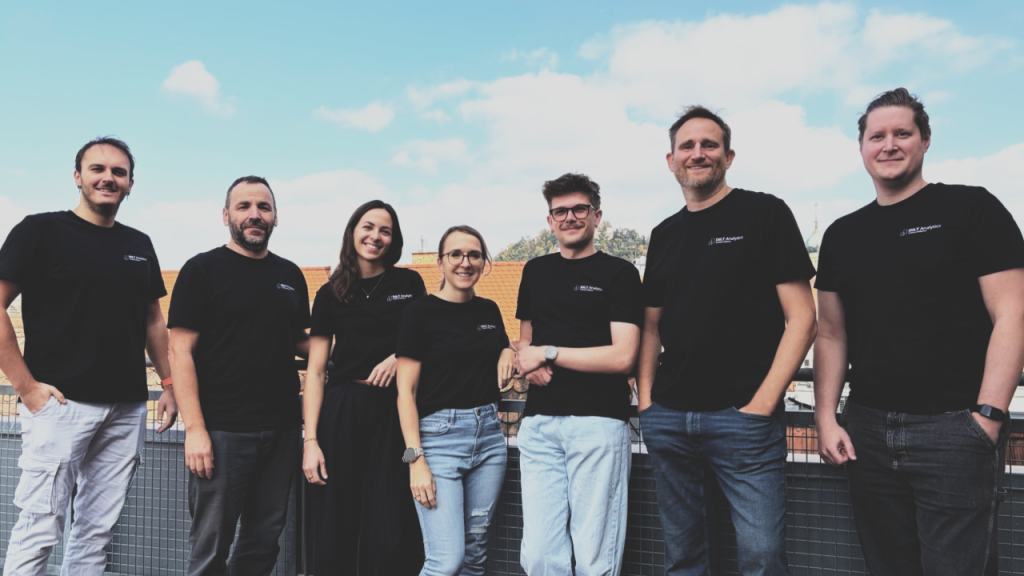
DiLT Analytics was founded in late 2021 by Prof. Franz Wotawa and Prof. Gerald Schweiger as a spin-off from Graz University of Technology. The company emerged from the “Intelligent Systems” research group at the Institute of Software Technology. Among its early projects was Inframonitor, a vendor-neutral IoT data platform for the Inffeldgasse campus of Graz University of Technology. According to the company, it is now involved in more than 20 research projects with over 15 partners. Many of these projects are supported by the Austrian Research Promotion Agency (FFG) and carried out in collaboration with universities in Austria and other European countries. The research findings are incorporated into product development through the DiLT Research division. The current leadership team includes CEO Theresa Kohl, Chris Gray for Business Development and Strategy, CTO Dr. Thomas Hirsch, CPO Reinhard Pertschy, and Head of Software Thomas Schwengler. In 2025, DiLT Analytics was honored with the DREA Award and the ÖGUT Environmental Prize. According to the company, it has also held ISO 27001 certification for information security management since September 2026.
New Features Aimed at Quantifying Economic Benefits
DiLT Analytics plans to use the fresh capital to expand its development and sales capabilities. In particular, the company is seeking additional specialists in building technology and software development. At the same time, the company plans to introduce FaciliMind to additional owners and operators of large real estate portfolios in Germany, Austria, and Switzerland. A key focus of product development is the economic evaluation of proposed measures. In the future, the software will not only identify technical problems but also estimate the potential financial benefits of resolving them. This would enable asset managers and technical decision-makers to prioritize measures more effectively based on their economic impact. In addition, DiLT Analytics plans to release an open-source tool for converting building data into the BACtwin standard. This is a standardized data model for technical building information. In the long term, the startup aims to expand its diagnostic capabilities to include heat pumps, chillers, photovoltaic systems, and battery storage. These enhancements are part of the company’s ongoing product roadmap.
Automation as a Solution for Complex Building Portfolios
With FaciliMind, DiLT Analytics addresses a challenge that is becoming increasingly important for large real estate portfolios. Technical systems generate vast amounts of data, the systematic analysis of which requires significant human resources. At the same time, operators must keep an eye on energy consumption, operating costs, and technical reliability. The Graz-based software is designed to automatically analyze this information and make existing knowledge about system operations available over the long term. The seven-figure funding round now enables the company to further develop its technology and accelerate its commercial rollout. Crucial to the next phase of growth will be how reliably the software can be deployed in various technical environments and what measurable energy and cost savings can actually be achieved for customers.

Newsletter
Startups, stories and stats from the German startup ecosystem straight to your inbox. Subscribe with 2 clicks. Noice.
LinkedIn ConnectFYI: English edition available
Hello my friend, have you been stranded on the German edition of Startbase? At least your browser tells us, that you do not speak German - so maybe you would like to switch to the English edition instead?
FYI: Deutsche Edition verfügbar
Hallo mein Freund, du befindest dich auf der Englischen Edition der Startbase und laut deinem Browser sprichst du eigentlich auch Deutsch. Magst du die Sprache wechseln?