GOe FUTURE Startup Factory Launches in Göttingen

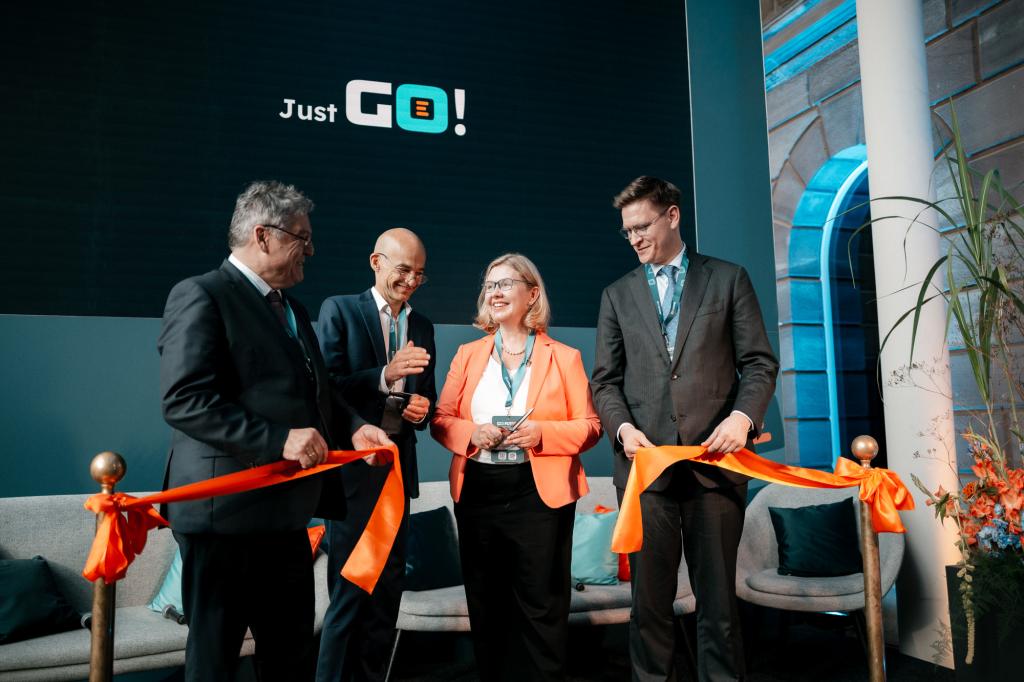
The GOe FUTURE Startup Factory in Göttingen was officially launched with a kick-off event. About 150 guests from the fields of science, business, and politics gathered at the Forum Wissen on September 4. The initiative aims to more systematically translate scientific research in the life sciences into startups and to strengthen Lower Saxony as a hub for life-science startups. Up to 20 million euros will be available for this purpose through the end of 2030.
One of Ten Funded Startup Factories
GOe FUTURE is one of ten Startup Factories supported by the Federal Ministry for Economic Affairs and Energy. Funding has been in place since January 1, 2026, and the official opening now marks the public launch.
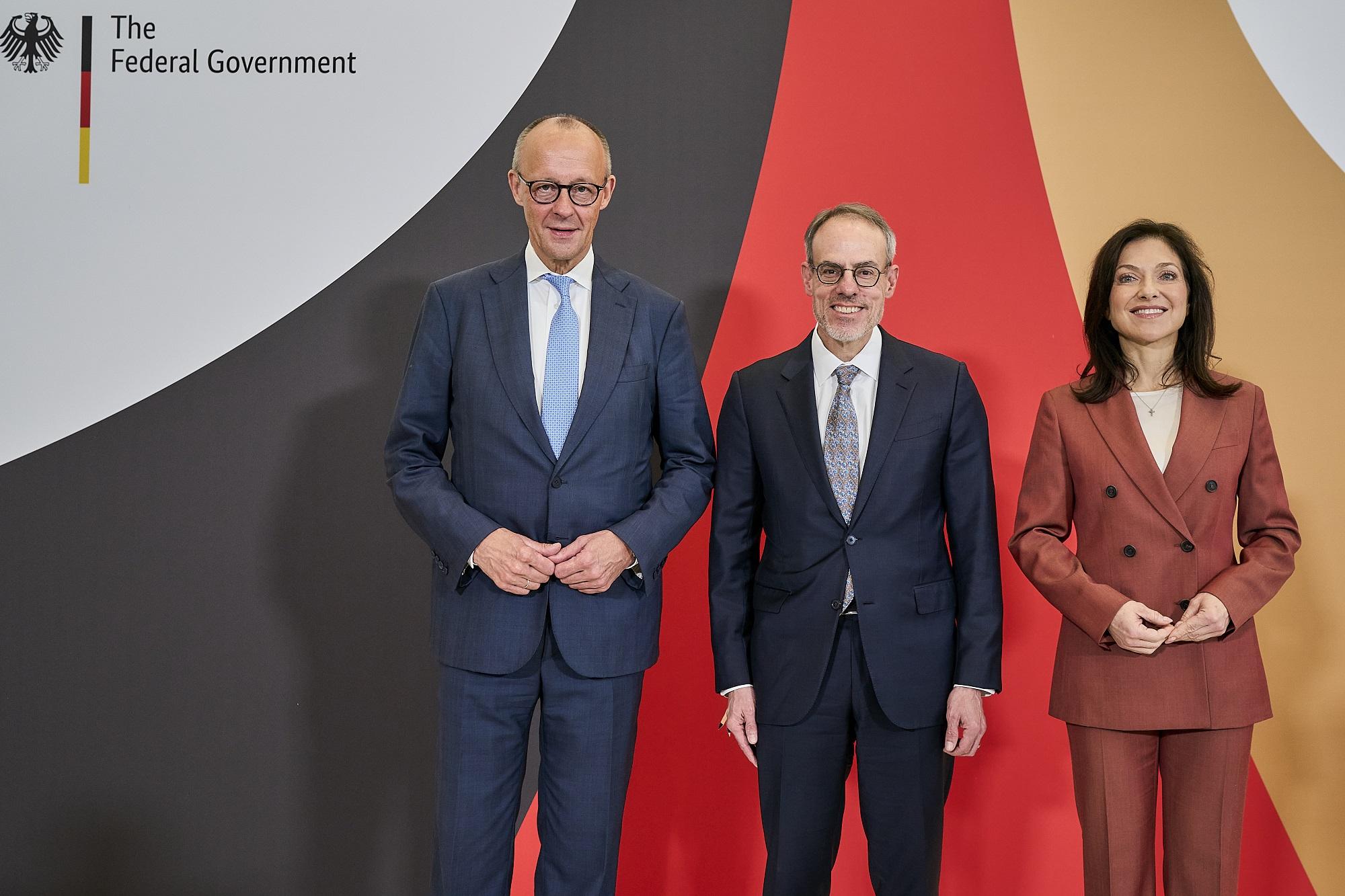
Together with GOe FUTURE CEO Prof. Dr. Elisabeth Zeisberg, Johannes Steiniger, Parliamentary State Secretary at the Federal Ministry for Economic Affairs, Prof. Dr. Joachim Schachtner, State Secretary at the Lower Saxony Ministry of Science and Culture, and Prof. Dr. Andreas Zaby of SPRIND GmbH officially opened the Startup Factory.
The region’s scientific strengths are set to give rise to an internationally networked ecosystem that will translate more research into marketable products and new companies.
Exclusive Focus on Life Sciences
GOe FUTURE stands out from other Startup Factories due to its specialization. The Göttingen-based initiative focuses on the life sciences—a field in which scientific spin-offs face particular challenges. Long development cycles, high technological risks, regulatory requirements, and significant capital needs often make the journey from scientific discovery to a scalable company particularly demanding.
GOe FUTURE transforms scientific potential into a strong pipeline for life sciences startups—in a structured and professional manner, with the goal of fostering the growth of successful companies.
Prof. Dr. Elisabeth Zeisberg, CEO of GOe FUTURE
This is exactly where GOe FUTURE aims to make a difference. The Startup Factory supports founding teams from the initial idea through the development and scaling of the business model all the way to raising capital.
15 research institutions and 90,000 students as a foundation
The scientific foundation is provided by the research triangle of Hanover, Göttingen, and Braunschweig. A total of 15 universities and research institutions are to be integrated into the ecosystem. Approximately 90,000 people are enrolled at the participating institutions. About 20,000 of them are in the life sciences. In the future, this scientific potential will be leveraged more effectively for spin-offs and interdisciplinary startup projects.
The Startup Factory does not intend to replace existing structures. Instead, existing programs will be linked together and specifically supplemented with the building blocks that have been missing in the development of life sciences startups to date.
Up to 20 million euros by 2030
Up to 20 million euros will initially be available through the end of 2030 to establish these structures. Half of the funding will come from federal grants and half from private sources. A particular focus is on access to private capital. Due to long research and development phases, life sciences companies in particular often require significant amounts of funding before their first products reach the market.
Dr. Ralf Amann, co-founder and CEO of Prime Vector Technologies, sees this as a key starting point. GOe FUTURE connects existing expertise, bridges gaps, and improves access to private capital. These are essential prerequisites for successful life-science startups.
Sartorius and Experienced Founders at the Kick-off
At the official launch, it also became clear that GOe FUTURE aims to bring science, established companies, investors, and founders closer together. Dr. Michael Grosse, CEO and Chairman of the Executive Board of Sartorius, spoke about the company’s role in Göttingen’s life sciences ecosystem.
A subsequent discussion on the future of innovation and entrepreneurship in the life sciences included, among others, Tubulis co-founder Dr. Dominik Schumacher, Prime Vector Technologies founder Ralf Amann, Prof. Dr. Wolfgang Brück from the University Medical Center Göttingen, and Dr. Georg Schütte, Secretary General of the Volkswagen Foundation.
In this way, the initiative brings together stakeholders who represent different stages on the path from scientific research to successful companies.
More spin-offs from leading German research
Ultimately, GOe FUTURE addresses a challenge that extends far beyond Lower Saxony: Germany has a strong research landscape but does not always succeed in translating scientific findings into internationally successful companies with the same consistency.
In the life sciences in particular, this transfer is especially capital- and time-intensive. At the same time, successful spin-offs can create new value and highly skilled jobs in the long term. For this reason, the federal government also links the Startup Factories to economic policy goals. At the kick-off event, Johannes Steiniger emphasized the importance of the life sciences for innovation and the transfer of research into practical applications. Lower Saxony’s State Secretary for Science, Joachim Schachtner, sees potential for additional spin-offs particularly in medicine, medical technology, and the food industry.
Göttingen Aims to Become an International Life Sciences Hub
By the end of 2030, GOe FUTURE must now demonstrate whether the existing scientific strength can indeed give rise to more successful companies. The starting point is promising: 15 universities and research institutions, approximately 20,000 students in the life sciences, established companies such as Sartorius, and funding of up to 20 million euros form a solid foundation.
However, the key factor will be how many scientific projects manage to make the leap from research institutions, attract private capital, and subsequently establish themselves as independent companies. It is precisely by this measure that the long-term success of the new Startup Factory will likely be judged.







Newsletter
Startups, stories and stats from the German startup ecosystem straight to your inbox. Subscribe with 2 clicks. Noice.
LinkedIn ConnectFYI: English edition available
Hello my friend, have you been stranded on the German edition of Startbase? At least your browser tells us, that you do not speak German - so maybe you would like to switch to the English edition instead?
FYI: Deutsche Edition verfügbar
Hallo mein Freund, du befindest dich auf der Englischen Edition der Startbase und laut deinem Browser sprichst du eigentlich auch Deutsch. Magst du die Sprache wechseln?