Gravis Robotics Raises $200 Million and Aims to Make Construction Machinery Autonomous

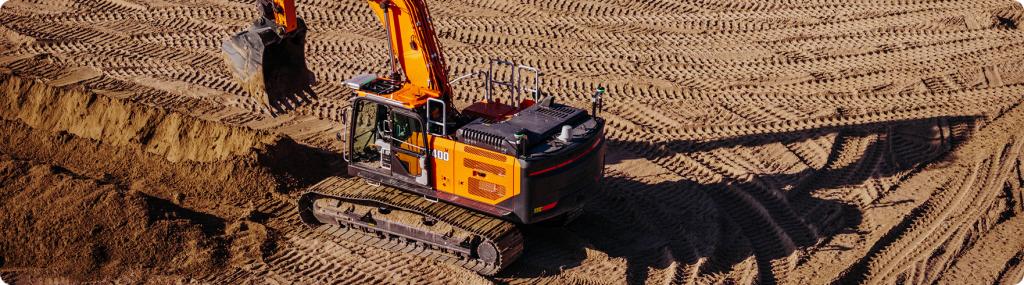
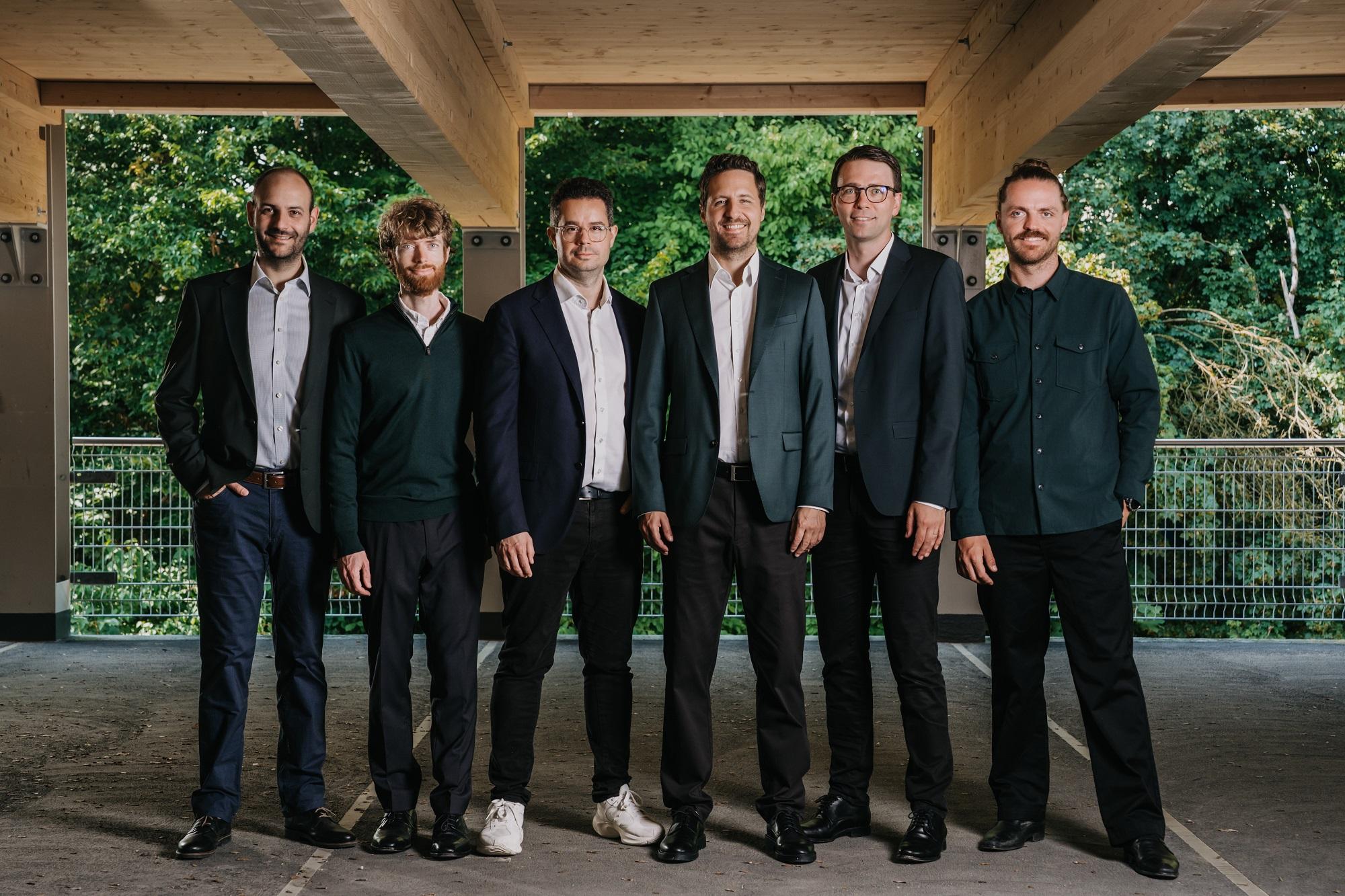
Gravis Robotics, a DeepTech startup spun out of ETH Zurich, has closed an exceptionally large Series A round. SoftBank is investing 200 million U.S. dollars in the company, which was founded in 2022. According to Gravis, this is the largest Series A round to date in the field of construction robotics.
The capital is primarily intended to fund the international scaling of the technology. Gravis develops AI systems that enable existing heavy construction machinery to be operated automatically or fully autonomously.
Physical AI Hits the Construction Site
While much of the current AI boom focuses on software, language models, and digital agents, Gravis is targeting the physical world.
The company aims to transform traditional construction machinery into intelligent and increasingly autonomous machines using software and additional hardware. To this end, Gravis has developed the Gravis Rack, a control system that can be integrated into machines from various manufacturers.
According to the company, the technology has already been deployed on machines from Caterpillar, Case, Develon, John Deere, JCB, Hitachi, Sumitomo, Yanmar, and Volvo. It is precisely this manufacturer-independence that could be decisive for the market. Construction companies often have fleets of various brands that have grown over the years. Instead of having to purchase entirely new machines, Gravis is therefore pursuing a retrofit approach.
An Operating System for Heavy Construction Machinery
Technologically, the task is significantly more complex than traditional automation in controlled environments.
An autonomous vehicle attempts to avoid obstacles. An excavator, on the other hand, must actively alter its surroundings. Soil conditions, rocks, hydraulic resistance, and the characteristics of the respective machine are constantly changing during operation.
Gravis therefore trains its models using, among other things, extensive simulations. The AI is designed to learn to account for different ground conditions and machine characteristics and then apply this knowledge to real construction sites. According to the company, the technology can thereby achieve productivity gains of up to 30 percent compared to manual operation.
From Copilot to Autonomous Excavator
Gravis does not rely exclusively on full autonomy. With Gravis Copilot, for example, machine operators receive 3D assistance and warnings about potential hazards while continuing to operate the machine themselves.
In fully autonomous applications, however, employees can monitor multiple machines from a safe distance. At the same time, the equipped vehicles become mobile sensor platforms that collect data on the construction site, the terrain, and potential hazards while they work. As a result, construction machinery is evolving from a purely mechanical tool into a software-controlled component of a digitized construction site.
Skilled Labor Shortage Meets Infrastructure Boom
The timing could hardly be more opportune for Gravis. Globally, the demand for new infrastructure is on the rise. Power grids must be expanded, data centers built to support the AI boom, housing constructed, and existing transportation routes modernized.
At the same time, the construction industry in many places is suffering from a significant shortage of skilled workers. It is precisely this combination that is making construction robotics an increasingly attractive market for investors: When additional labor is not sufficiently available, the productivity of existing workers and machines must increase.
Gravis therefore positions autonomous construction machines not primarily as a replacement for people, but as a way to deploy existing skilled workers more productively through automation.
$200 million for international expansion
According to Gravis, the technology is already being used in collaboration with major infrastructure companies on four continents.
With the $200 million from SoftBank, the goal is now to build a globally scalable business. The company plans to hire additional engineers and developers and deploy its systems at significantly more construction sites.
Gravis is receiving additional momentum in the United Kingdom. The company was selected there for a CAM Pathfinder project supported by $8 million. In collaboration with Flannery Plant Hire, excavator fleets are to be retrofitted with the Gravis Rack. This would allow construction companies to use autonomous machines in the future without having to purchase entirely new fleets.
When AI Does More Than Just Write Text—It Moves Earth
At the same time, this funding highlights where the current AI investment cycle might be headed. Following generative AI and AI agents, Physical AI is increasingly taking center stage. The goal here is to bring artificial intelligence out of the digital environment and enable machines to act autonomously in the real world. Industry, logistics, agriculture, and the construction sector offer enormous markets for this.
The construction industry appears particularly interesting in this regard: It is capital-intensive, suffers from a shortage of skilled workers, and—despite large fleets of machinery—still relies surprisingly heavily on manual labor in many areas. If Gravis actually succeeds in equipping existing machines from various manufacturers with a common autonomous platform, the result could be far more than just another manufacturer of construction site robots.
Ultimately, Gravis aims to build the operating system for autonomous heavy construction machinery. With $200 million in capital, the company now has the financial resources to test this very ambition on an international scale.

Newsletter
Startups, stories and stats from the German startup ecosystem straight to your inbox. Subscribe with 2 clicks. Noice.
LinkedIn ConnectFYI: English edition available
Hello my friend, have you been stranded on the German edition of Startbase? At least your browser tells us, that you do not speak German - so maybe you would like to switch to the English edition instead?
FYI: Deutsche Edition verfügbar
Hallo mein Freund, du befindest dich auf der Englischen Edition der Startbase und laut deinem Browser sprichst du eigentlich auch Deutsch. Magst du die Sprache wechseln?