AI Enters the Kebab Production Industry

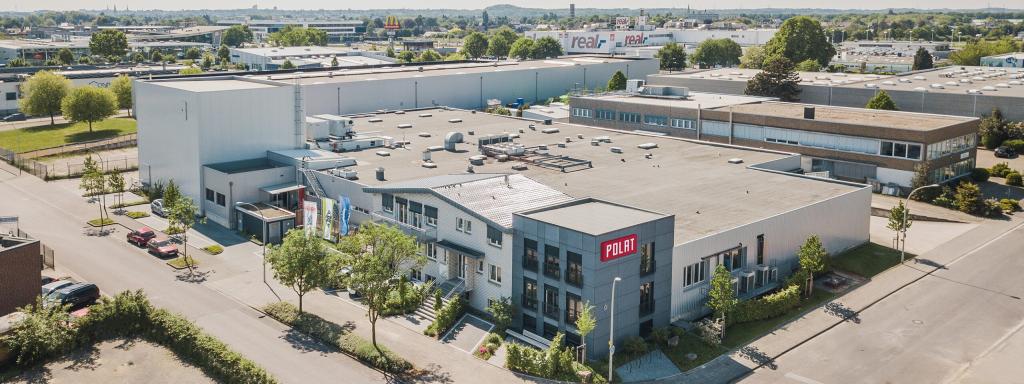
The Bremen-based startup fleXality, in collaboration with Polat Dönerproduktion from Mönchengladbach, demonstrates how existing energy infrastructures can be used intelligently. With its AI-based platform fEnOMS™, fleXality now manages the food manufacturer’s entire energy system. As a result, the company is already achieving energy cost savings of around 12 percent and CO₂ reductions of about 10 percent. On some days, the savings even reach up to 35 percent.
AI Integrates Electricity, Heat, and Cooling into a Single System
The challenge at Polat is typical of many energy-intensive production facilities. The production and storage of döner skewers require numerous refrigeration and freezing processes that must operate reliably around the clock.
The facility operates more than 20 refrigeration and deep-freeze rooms. In addition, there are combined heat and power (CHP) plants, heat storage systems, and other energy systems with a total installed capacity of approximately 1.2 megawatts. Annual energy consumption is in the gigawatt-hour range.
Instead of operating individual energy systems in isolation, fEnOMS™ (the software from fleXality) treats the entire infrastructure as a single, integrated energy system. The platform continuously analyzes electricity prices, gas prices, weather data, load forecasts, and operational requirements. Based on this, the AI automatically optimizes the interplay between electricity, heat, and cooling generation.
Flexibility Becomes an Economic Advantage
A key lever lies in the intelligent control of cooling processes. When electricity prices are particularly low, the software increases the output of the cooling systems and generates additional cold reserves. If electricity prices rise later, the systems are temporarily throttled. The cold stored in the deep-freeze warehouses takes over the supply during this time.
The thermal mass of the storage facilities acts as a natural energy storage system. At the same time, the platform optimizes the operation of the combined heat and power (CHP) plants. In doing so, it takes into account not only current energy prices but also heat demand, storage levels, and technical conditions. The goal is to provide electricity and heat as cost-effectively as possible.
While the average energy cost savings currently stand at around 12 percent, individual systems—such as the CHP plants—have already achieved savings of up to 56 percent.
Energy Is Becoming a Strategic Location Factor
For Polat, this is no longer just about cost reductions. The increasing volatility in the energy and raw materials markets makes a resilient energy supply a decisive factor for the competitiveness of production sites. By intelligently controlling existing systems, the company can better offset price fluctuations and make its energy supply more robust.
AI is making its way into everyday industrial operations
For fleXality, the project exemplifies the potential that already exists in existing industrial facilities today. Many companies already have considerable energy flexibility, but are unable to utilize it economically due to a lack of control systems. The Bremen-based software platform integrates technical, economic, and regulatory frameworks into a single optimization model, making existing flexibility systematically usable for the first time.
Artificial Intelligence Loses Its Magic
With this news, at the very latest, artificial intelligence is losing its magic in Germany—and that’s a positive development.
If AI is now helping to manage the energy supply for a kebab production facility more efficiently, then it has finally arrived where innovation delivers its greatest benefit: in everyday life. Not in futuristic visions, not in glossy presentations, and not in endless debates about the future, but right in the middle of production halls, cold storage rooms, and the practical challenges faced by small and medium-sized businesses.
There’s something pleasantly down-to-earth about this. It shows that the time when we mainly marveled at AI is over. Now it’s time to roll up our sleeves, solve concrete problems, and apply the technology where it creates real added value—whether in energy efficiency, productivity, or competitiveness.
Because one thing is becoming increasingly clear: AI isn’t going away. Nor can it be confined to any single category. Above all, it won’t stop at anything. The crucial question, therefore, is no longer whether we will use AI, but how well we learn to work with it. Those who start creating practical use cases today are actively shaping the future. Those who wait will be caught up by it sooner or later.

Newsletter
Startups, stories and stats from the German startup ecosystem straight to your inbox. Subscribe with 2 clicks. Noice.
LinkedIn ConnectFYI: English edition available
Hello my friend, have you been stranded on the German edition of Startbase? At least your browser tells us, that you do not speak German - so maybe you would like to switch to the English edition instead?
FYI: Deutsche Edition verfügbar
Hallo mein Freund, du befindest dich auf der Englischen Edition der Startbase und laut deinem Browser sprichst du eigentlich auch Deutsch. Magst du die Sprache wechseln?