Oceanloop Raises Up to 38.5 Million Euros

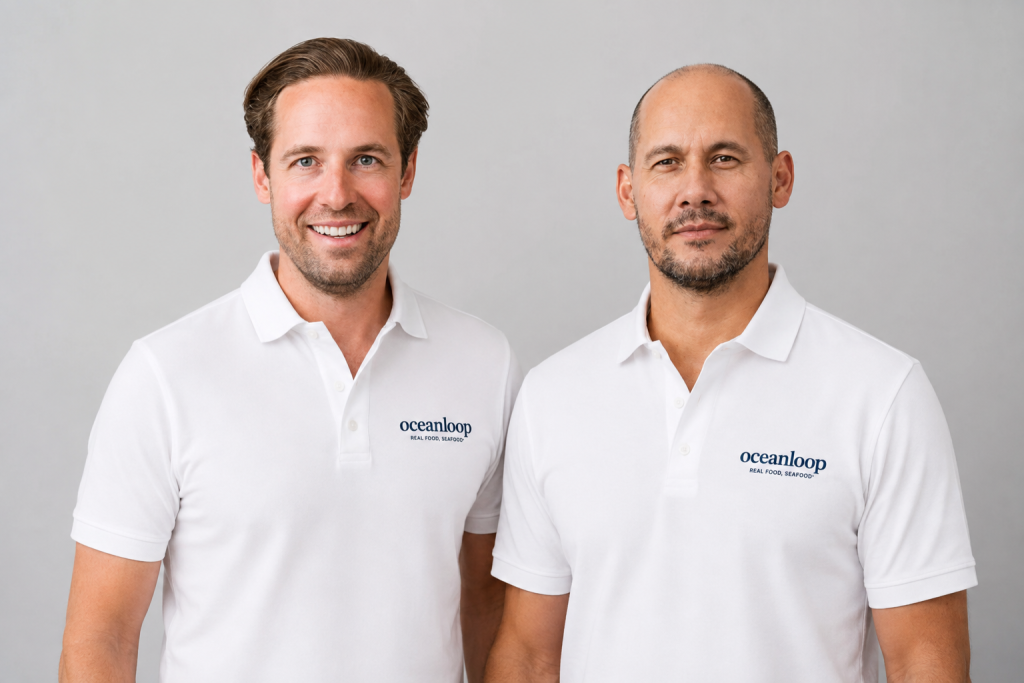
The German aquaculture tech company Oceanloop has secured funding of up to 38.5 million euros. The company plans to use the capital to scale up its land-based aquaculture technology and, for the first time, commercially farm giant groupers in Europe.
Hatch Blue’s Blue Revolution Fund, which specializes in aquaculture, is coming on board as the new lead investor. Stolt Ventures, the venture arm of Stolt Nielsen, is also joining as a strategic investor. The European Investment Bank (EIB) is providing a significant portion of the funding through a 32 million euro venture debt facility.
A new facility with an annual capacity of 250 metric tons near Kiel is set to be followed by a 2,000-metric-ton farm on Gran Canaria.
From Research Project to Commercial Fish Farming
Oceanloop develops software-controlled recirculating aquaculture systems, or RAS for short. In these systems, fish are farmed on land in largely closed systems where water is treated and reused. After several years of biological and technical development work, the company claims to be the first in Europe to have successfully farmed the giant grouper.
Commercial sales from the existing facility in Strande near Kiel have been underway since April 2026 through its sister company, Honest Catch. Oceanloop expects to produce around 20 metric tons this year, with production set to reach approximately 40 metric tons in 2027. The new financing is now intended to enable the transition to an entirely different scale.
250 metric tons of giant grouper from Kiel
Construction of a new facility in Kiel is set to begin by the end of 2026. It is designed for an annual production of about 250 metric tons of giant grouper.
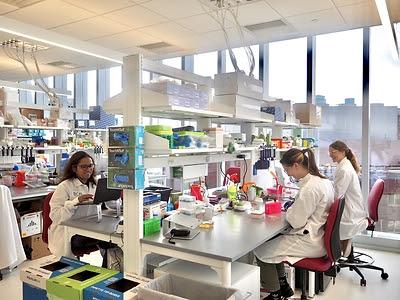
The site is intended to be much more than just a fish farm. Oceanloop plans to combine commercial production there with research, biological optimization, laboratory services, software development, digital monitoring, and the training of facility operators. The facility will thus also serve as a model for future Oceanloop farms.
Data from ongoing operations will be used to further optimize feeding, animal welfare, energy efficiency, and production output, among other things.
This funding marks the beginning of Oceanloop’s industrial scaling.
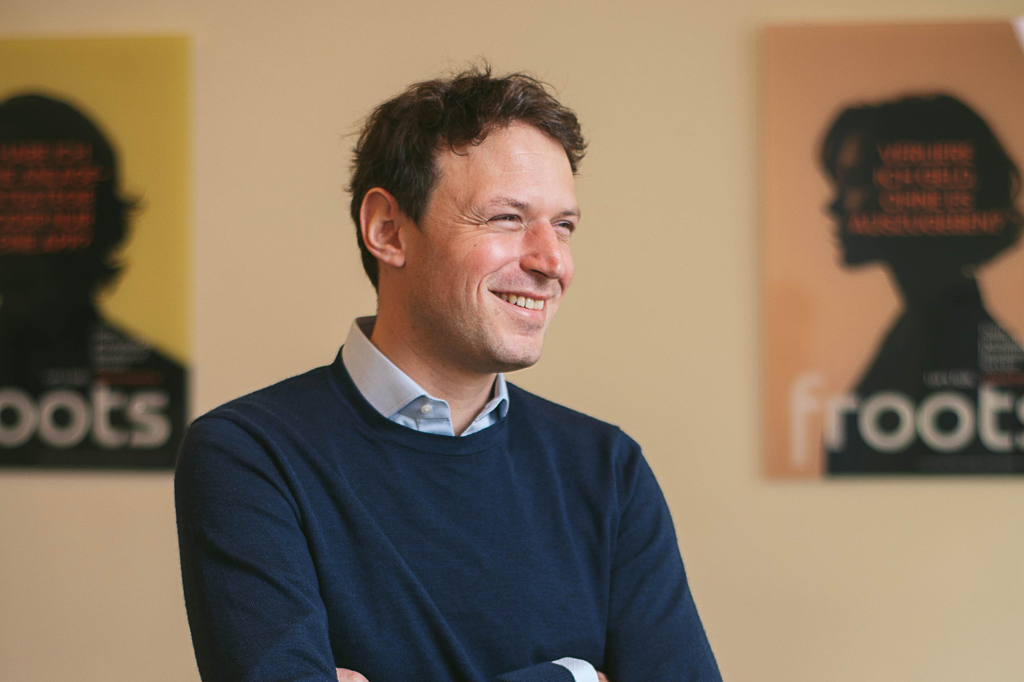
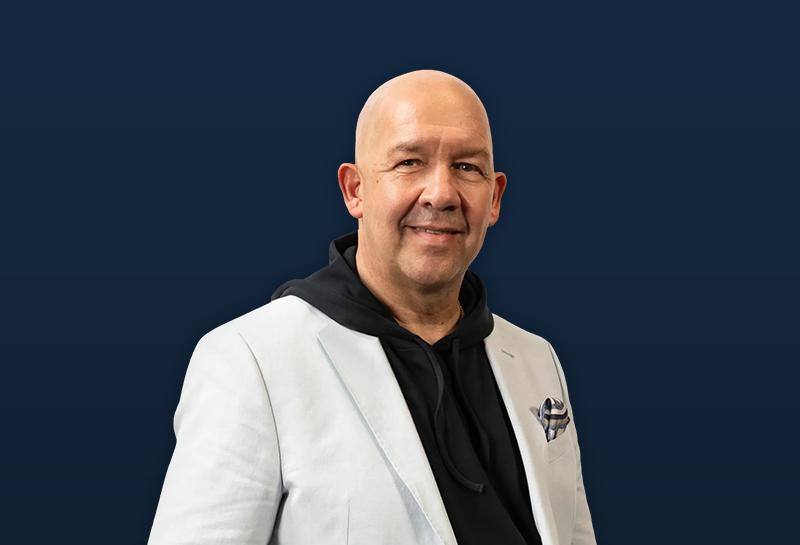
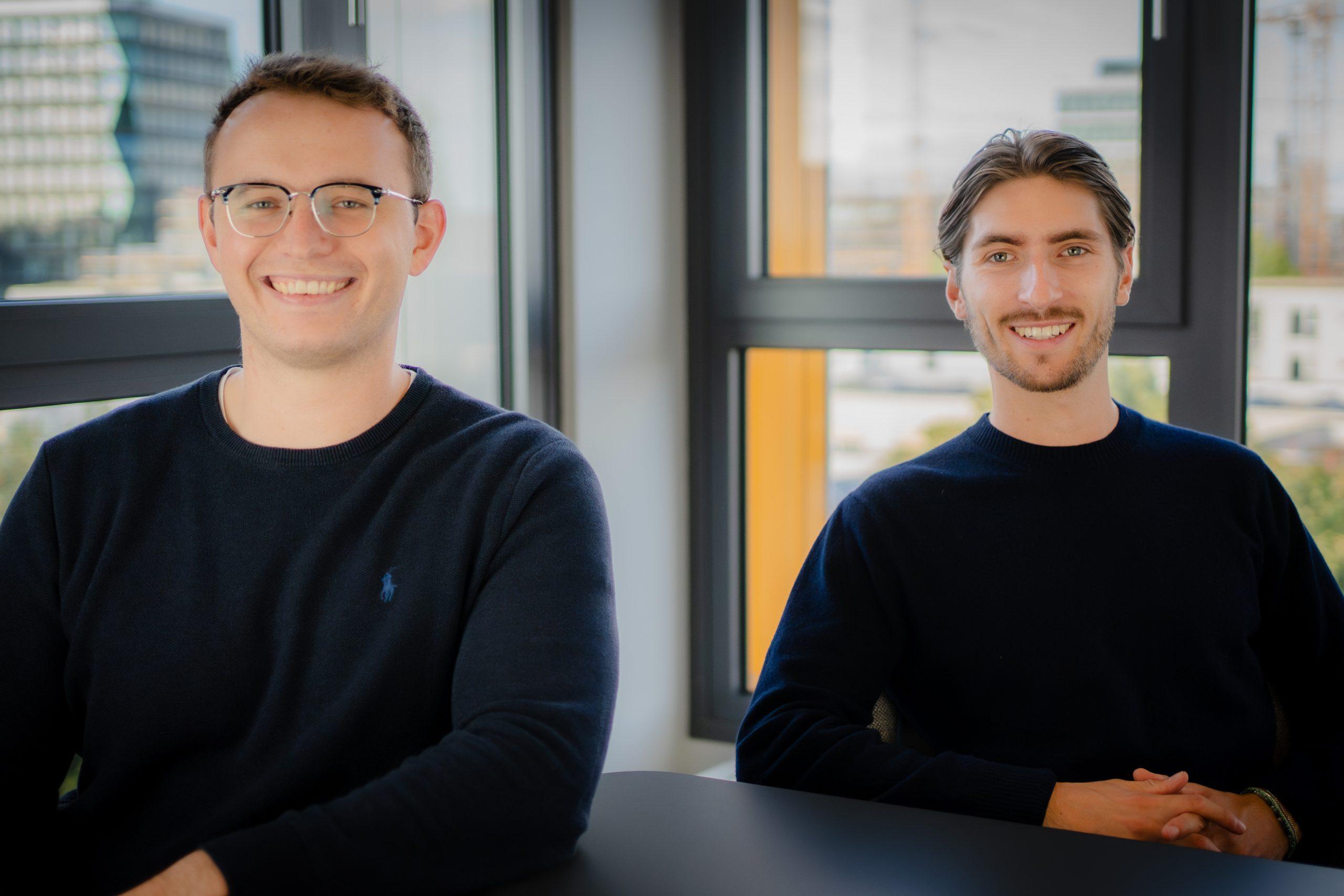
Fabian Riedel, CEO and Founder of Oceanloop
The next step is Gran Canaria
The plans for Spain are significantly larger. A facility with an annual production capacity of approximately 2,000 metric tons of giant grouper is to be built on Gran Canaria. The current timeline calls for construction to begin in 2029.
Oceanloop already has a local subsidiary and is working on planning, site development, and the other prerequisites for the project. The facility is designed to integrate hatchery operations, rearing, processing, digital farm management, and quality control. From the company’s perspective, Gran Canaria offers not only access to seawater but also potential for renewable energy and good connectivity to European markets.
A premium fish is set to become established in Europe
The decision to focus on the giant grouper—scientifically known as Epinephelus lanceolatus—is particularly interesting. This grouper species is among the largest of its kind and is considered a high-quality edible fish, especially in Asian markets.
Oceanloop now aims to develop a new premium category for this fish in Europe as well. Instead of importing the fish via long supply chains, it will be produced under controlled conditions in European facilities in the future. In this way, Oceanloop directly links its technology platform to its own high-quality end product. At the same time, the technology is not intended to be limited to this fish species. The company continues to develop its RAS platform for other species as well and is conducting research into land-based shrimp farming, among other areas.
Internationally, in addition to its own farms, the company plans to pursue licensing models, joint ventures, and strategic partnerships.
Hatch Blue and Stolt Bring Industry Expertise
With these new investors, Oceanloop is specifically bringing aquaculture expertise into the company. Hatch Blue specializes in investments in aquaculture and manages the Blue Revolution Fund, which has a volume of 92 million euros. In addition to capital, the investor is expected to provide support, particularly in scaling up from pilot operations to commercial production.
Stolt Ventures’ involvement has an even stronger operational focus. Through Stolt Sea Farm, the Stolt Nielsen Group has more than 50 years of experience in aquaculture. The company farms turbot and sole, among other species, and brings expertise ranging from hatcheries and biology to processing, biosecurity, and international distribution.
EIB Provides 32 Million Euros in Venture Debt
The largest component of the financing comes from the European Investment Bank. It is supporting Oceanloop with a venture debt facility of 32 million euros. The financing was originally agreed upon in October 2024 and expanded in July 2026 to now also include giant grouper production. It is supported by the European Union’s InvestEU program.
The funds are intended to support research and development in Germany, further technological scaling, and the planned facility in the Canary Islands. This will enable Oceanloop to finance part of its capital-intensive growth without having to rely exclusively on additional traditional equity financing rounds.
Aquaculture Is Becoming an Infrastructure Business
At the same time, this financing highlights one of the major challenges facing food and aquaculture tech: a functioning technology alone is not enough. Anyone seeking to produce food on an industrial scale must invest substantial sums in facilities, biology, energy supply, and operational structures.
For Oceanloop, therefore, the key factor will be whether the scaling up from a few dozen metric tons to 250 metric tons initially—and later 2,000 metric tons—is economically viable. If this leap is successful, the business model could extend far beyond the sale of giant grouper. That’s because Oceanloop would then have established not just a fish farm, but a replicable technology platform for land-based aquaculture that could be rolled out internationally through licenses, partnerships, and joint ventures.

Newsletter
Startups, stories and stats from the German startup ecosystem straight to your inbox. Subscribe with 2 clicks. Noice.
LinkedIn ConnectFYI: English edition available
Hello my friend, have you been stranded on the German edition of Startbase? At least your browser tells us, that you do not speak German - so maybe you would like to switch to the English edition instead?
FYI: Deutsche Edition verfügbar
Hallo mein Freund, du befindest dich auf der Englischen Edition der Startbase und laut deinem Browser sprichst du eigentlich auch Deutsch. Magst du die Sprache wechseln?