seragy Secures 12 Million Euros for New Biomarker Technology to Combat Parkinson's and Alzheimer's


The Hanover-based biotech company seragy has secured 12 million euros in funding. The funds come from Commerzbank, the Mittelständische Beteiligungsgesellschaft Niedersachsen, and the State of Lower Saxony. Founded in 2022 under the name Prosperodes, the company is developing a technology designed to more precisely analyze and quantify pathological protein deposits associated with neurodegenerative diseases. In addition, seragy is receiving a separate research grant from the Michael J. Fox Foundation to develop a Parkinson’s biomarker test.
12 Million Euros for Research and International Expansion
With this funding, seragy aims to accelerate the development of its proprietary biomarker platform, SeRAS, and expand its laboratory and analytical capacities in Hanover. The financing package combines debt, equity, and public funding. Participants include Commerzbank, the Mittelständische Beteiligungsgesellschaft Niedersachsen (MBG), and the State of Lower Saxony. The company did not disclose how the total of 12 million euros is distributed among the individual financing instruments and investors. This is therefore not a traditional venture capital financing round. The funds are also to be used to expand the team and strengthen international collaborations with pharmaceutical and biotechnology companies. At the same time, seragy aims to strengthen its presence in European and international markets.
New Biomarkers for Neurodegenerative Diseases
The research focuses on so-called proteopathies. These are diseases in which proteins undergo pathological changes and aggregate into clusters. This group includes, among others, Alzheimer’s, Parkinson’s, and amyotrophic lateral sclerosis (ALS). A key challenge is that the underlying molecular processes can vary even within the same disease. Different patients may exhibit different forms of pathological protein aggregates. These differences could be relevant for the development and evaluation of new drugs. Existing detection methods can already identify certain pathological protein structures with high sensitivity. However, technical challenges remain when it comes to the quantitative characterization and differentiation of molecular variants. seragy aims to bridge this gap with a technology that goes beyond mere detection to provide additional information about protein aggregation.
SeRAS is designed to reveal molecular fingerprints
The technological foundation is the company’s proprietary SeRAS platform. The acronym stands for “Seed Replication, Analysis, and Subtyping.” The method is based on the targeted amplification of pathological protein aggregates from patient samples. In doing so, seragy exploits the property of certain misfolded proteins to induce further protein molecules to aggregate. Such processes are already used in so-called seed amplification assays, which play an important role particularly in research on neurodegenerative diseases. seragy is further developing this approach by additionally evaluating the aggregation processes quantitatively and recording molecular differences. The resulting measurement data are intended to provide characteristic patterns or molecular fingerprints. With this, the company aims to identify different disease-relevant protein variants and make biological changes measurable as the disease progresses.
MetisOne Analyzer Combines Biochemistry and Automated Analysis
A central component of the SeRAS platform is the MetisOne Analyzer, developed by seragy. The analysis system combines biochemical methods with sensitive optical measurement technology, automated data evaluation, software algorithms, and micromechanical components. The analyzer was designed to quantitatively and reproducibly investigate protein aggregation processes in patient samples. The data obtained are intended to enable conclusions to be drawn about different molecular subtypes as well as changes in the aggregation processes. In pharmaceutical research, for example, such information could help investigate drug candidates in a more targeted manner or more accurately assess the biological effects of a treatment. seragy therefore positions the platform as a tool for translational biomarker development. According to the company, the platform’s applications range from early-stage drug discovery through preclinical studies to clinical development. The press release does not contain specific details regarding the technology’s diagnostic performance, clinical validation, or regulatory approval.
Michael J. Fox Foundation Funds Parkinson’s Project
In addition to the 12 million euro in funding, seragy is receiving a separate research grant from the Michael J. Fox Foundation for Parkinson’s Research. The company is one of five selected grant recipients under the Seed Amplification Assay Innovation Program. The funding is intended to support the development and evaluation of a quantitative, SeRAS-based biomarker test for Parkinson’s disease. The grant thus focuses on a specific application of the platform. The goal is to improve the analysis of pathological protein aggregation in Parkinson’s disease and to provide additional information for the development of new therapies. The specific amount of the grant awarded to seragy has not been disclosed. Nor has a timeline been published for the completion of development or potential clinical applications.
Biomarkers Are Intended to Support Drug Development
The business model focuses on collaboration with pharmaceutical and biotechnology companies. seragy intends to use its technology to better characterize biological disease mechanisms and provide new biomarkers for drug development. Such biomarkers can serve various functions in drug research. For example, they can help identify suitable patient groups, track disease-related changes, or investigate the effects of experimental treatments. This is particularly important in the case of neurodegenerative diseases, because different molecular disease mechanisms can complicate the development of targeted therapies. The SeRAS technology is intended to help map these differences more accurately. Whether this will actually result in higher success rates in drug development remains to be seen in further research and development projects.
Prosperodes Becomes seragy
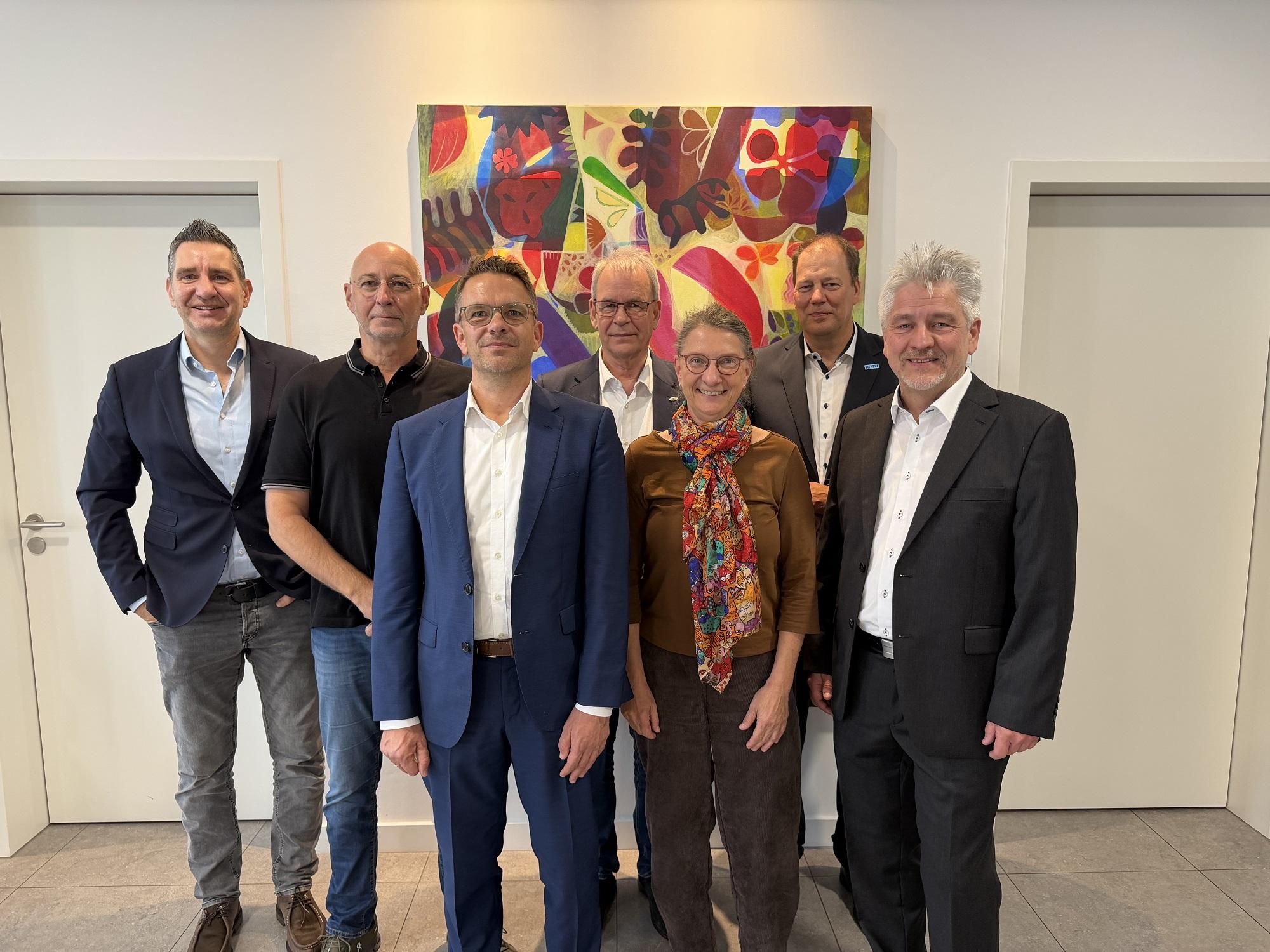
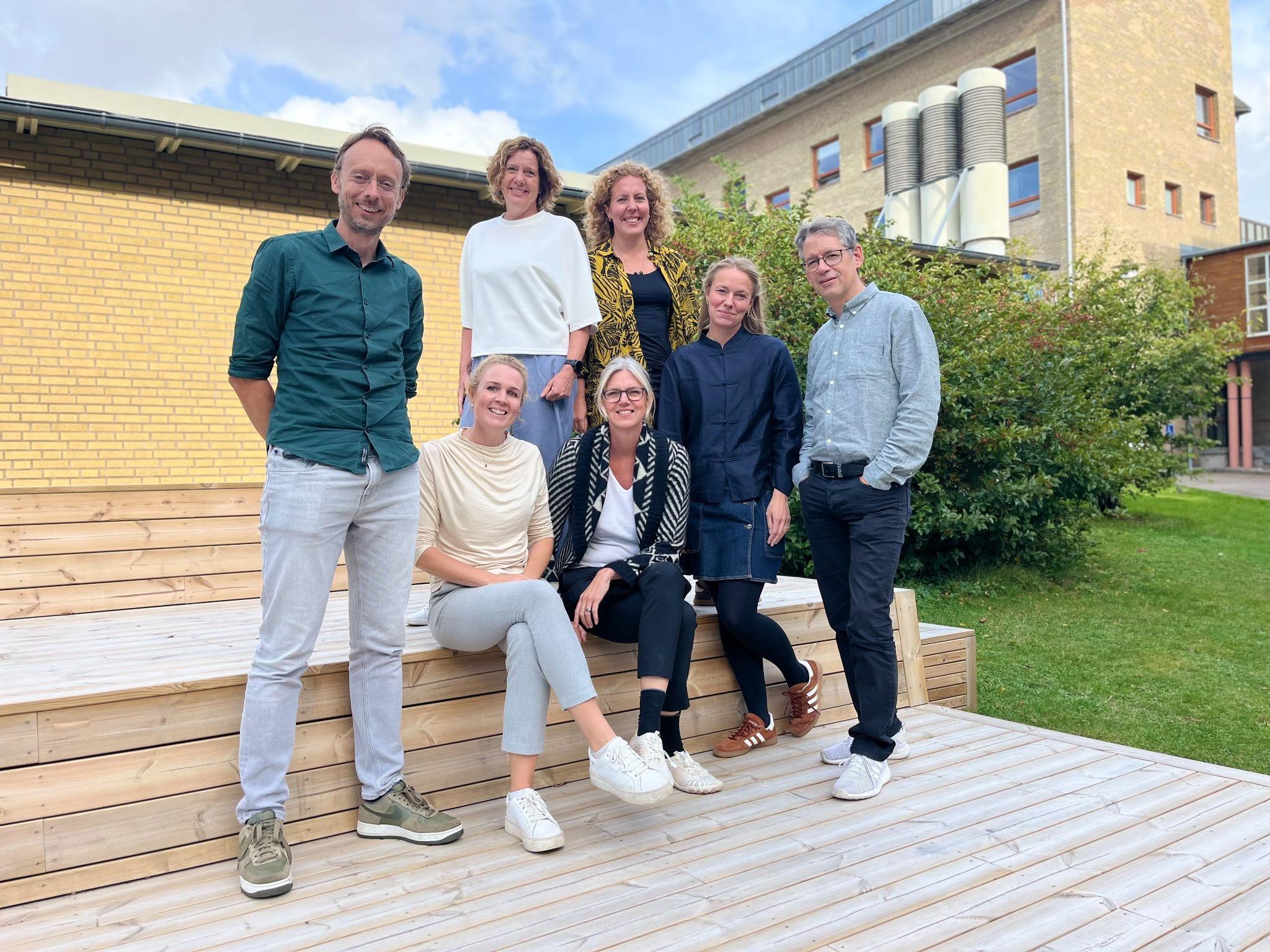
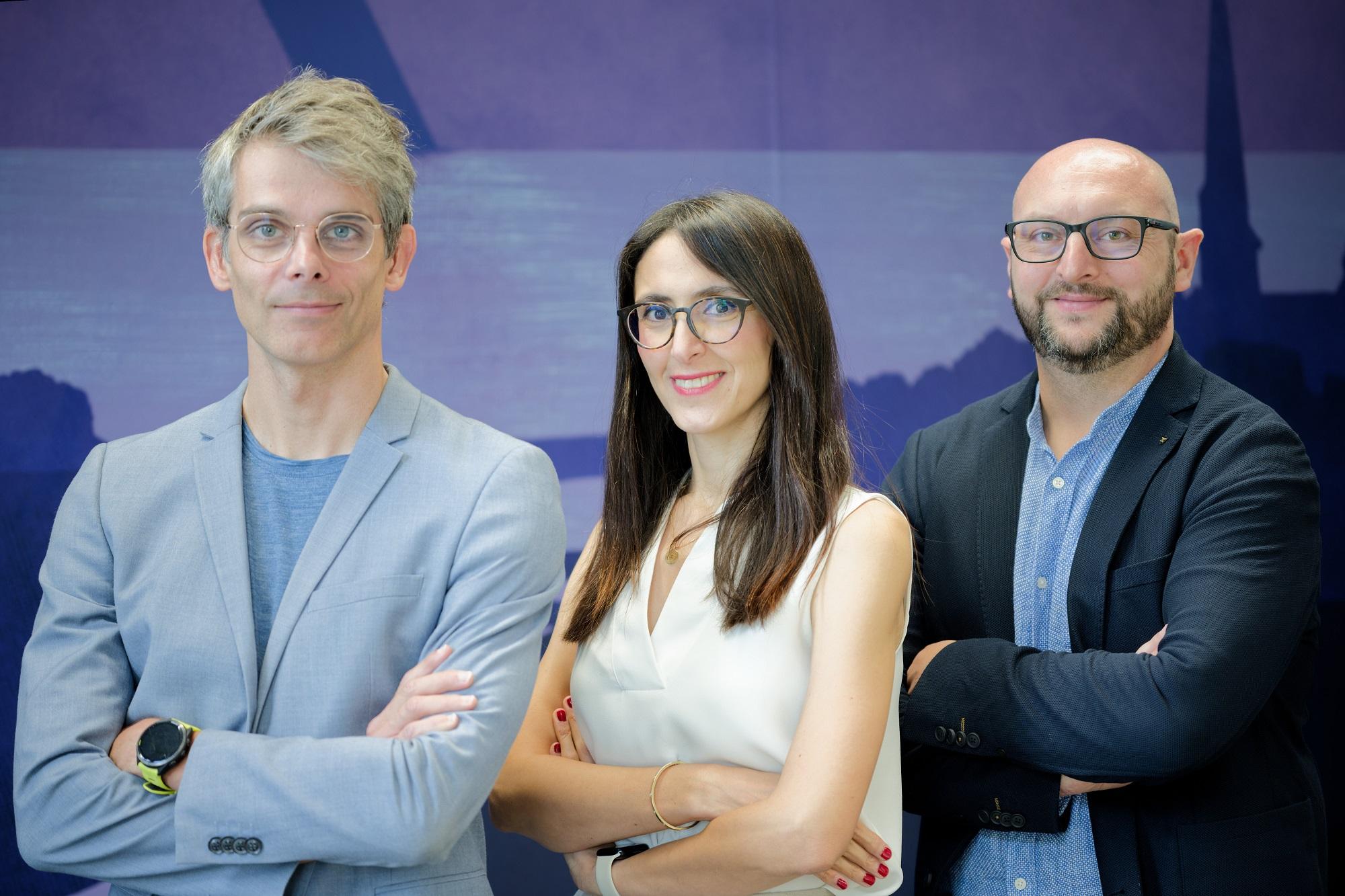
The company was founded in 2022 under the name Prosperodes GmbH and now operates as seragy holding GmbH. Scientific leadership is provided by Dr. Christiane Ritter and Dr. Thorsten Lührs, who together have nearly three decades of experience in researching protein aggregation processes. The leadership team is complemented by Arne Ungruh, the finance and business manager. The holding company holds the intellectual property rights, manages core corporate functions, and grants the corresponding technology licenses. Operational activities—including research projects and services for partner companies—are primarily carried out through the wholly-owned subsidiary seragy analytics GmbH. The company plans to use the new funding to expand its technology development and international business operations. The combination of financing, research funding, and collaborations with the pharmaceutical industry is intended to lay the groundwork for further developing SeRAS as a platform for quantitative biomarkers in neurodegenerative diseases.

Newsletter
Startups, stories and stats from the German startup ecosystem straight to your inbox. Subscribe with 2 clicks. Noice.
LinkedIn ConnectFYI: English edition available
Hello my friend, have you been stranded on the German edition of Startbase? At least your browser tells us, that you do not speak German - so maybe you would like to switch to the English edition instead?
FYI: Deutsche Edition verfügbar
Hallo mein Freund, du befindest dich auf der Englischen Edition der Startbase und laut deinem Browser sprichst du eigentlich auch Deutsch. Magst du die Sprache wechseln?