Politics Meets Student Startup Initiatives: How Is Bavaria Supporting the Next Generation of Entrepreneurs?

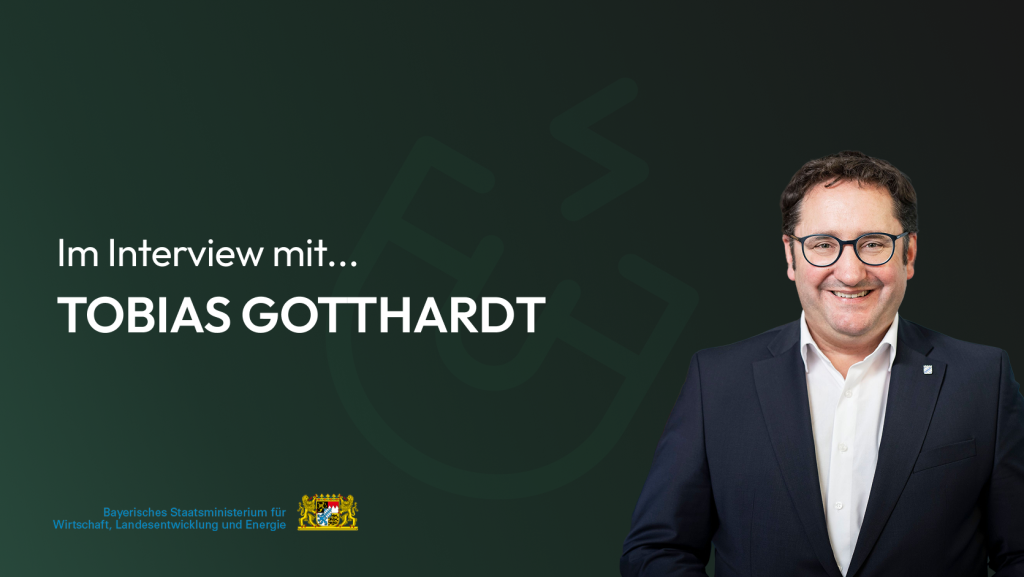
Guest Column: Gründungsmagnet — Gründungsmagnet connects and represents student startup initiatives in the DACH region. Today’s interview with Tobias Gotthardt on startup culture, political support, and the role of student startup initiatives sheds further light on this political representation. Tobias Gotthardt has served as State Secretary in the Bavarian State Ministry of Economic Affairs, Regional Development, and Energy since 2023.
Startup Culture Begins at the University
Why do you think a strong startup culture at universities is more important today than ever before, and what role do student startup initiatives play in this?
Tobias Gotthardt:“A vibrant startup culture is today the key driver of economic sustainability, innovation, and social change. In a world undergoing rapid change due to digitalization, decarbonization, and global competition, established structures alone often cannot keep pace with these changes quickly enough. Start-up culture at Bavaria’s universities acts as a particle accelerator in this context: Start-ups bring disruptive technologies such as artificial intelligence, quantum computing, or biotechnology to market faster than large corporations. Start-ups create new, highly skilled jobs in promising industries. Regions with a high density of start-ups attract international capital and talent, which strengthens the entire business environment.
Colleges and universities contribute to a strong startup culture, as they are the central incubators for innovation and the economic sustainability of our state. They have long since ceased to be merely places for the transmission of knowledge; rather, they serve as drivers of structural and technological change. The entrepreneurship activities and stakeholders at all Bavarian higher education institutions are connected through the HOCHSPRUNG entrepreneurship network. HOCHSPRUNG supports the startups initiatives of these institutions by providing information, facilitating exchange, and offering training, and organizes various events that promote networking.”
But a strong startup culture alone is not enough. It is also crucial how easily the transition from the initial idea to the actual founding of a company can be made—and what hurdles young people still face in the process.
Good ideas, too many hurdles?
Where do you currently see the biggest hurdles for young people who want to start a business based on an idea, and how can startup initiatives address these specific challenges?
Tobias Gotthardt: “First of all, in my view, we need practical entrepreneurship education during schooling to foster entrepreneurial thinking and action early on. This knowledge should therefore already be taught in school. Startup initiatives are invaluable for fostering a startup-friendly culture through their networks, raising the visibility of founders, conveying a positive image of entrepreneurship, and promoting an open culture of learning from mistakes. In this way, startup initiatives can help minimize the uncertainties that arise before launching a business. Furthermore, the startup process must become faster and simpler. Our goal: 24-hour startups. Nationwide.”
What concrete steps can policymakers take?
In addition to a startup culture, we need structures that provide concrete support for startup initiatives. Access to capital, knowledge, and relevant networks, in particular, often determines whether an idea actually develops into a business. This is where policymakers must step in.
What role can policymakers play in making it easier for student startup initiatives to access capital, knowledge, and networks?
Tobias Gotthardt: “In Bavaria, there is already a robust set of tools to bridge the funding gap between the initial idea and an investment-ready startup: Bayern Kapital can support innovative startups with equity capital starting as early as the seed phase and mobilize private capital as a co-investor. For founders who are creditworthy and eligible for bank financing, low-interest loan financing is generally available through the LfA Förderbank Bayern’s “Gründungskredit” and “Gründungskredit Smart” programs. Funding programs such as FLÜGGE, the m4 Award, and the Medical Valley Award aim to support university-based startups in Bavaria in the fields of innovation, research, and technology. Through the Bavarian Business Plan Competitions organized by BayStartUP, innovative founders benefit from market-oriented, professional feedback on their ideas at a very early stage. The Bavarian Startup Advisor at Bayern Innovativ also serves as a central point of contact for questions regarding financing & funding, consulting & coaching, networks & infrastructure.”
Working Together for Student Startups
Funding programs are part of a functioning startup ecosystem. Equally crucial, however, is that young founders and student initiatives network across university and state boundaries and collectively raise awareness of their perspectives.
Initiatives such as Gründungsmagnet connect young founders throughout the DACH region outside of traditional structures. How do you assess the contribution of such civil society networks to Germany as a startup hub?
Tobias Gotthardt: “Civil society networks like Gründungsmagnet make a very important contribution to Germany as a startup hub because they foster a vibrant and sustainable culture of entrepreneurship throughout the German-speaking world.”
How Bavaria Plans to Strengthen Student-Led Startups
What specific measures are you planning to promote student startup initiatives in a more targeted way and to better translate research into viable startup ideas?
Tobias Gotthardt: “Bavaria has a strong, regionally rooted, and actively networked startup ecosystem. This also includes student startup initiatives. In June 2026, the StMWi and StMWK launched a Bavaria-wide initiative to further increase the impact of the Bavarian startup ecosystem by optimizing the networking of local startup supporters. Student startup initiatives are also warmly invited to become an active part of “Gründerland Bayern” and thus contribute to comprehensive support across the state.”
Just do it! The first step toward starting a business
What advice would you give to young people who have a business idea but don’t yet dare to take the first step, and what role can initiatives like Gründungsmagnet play in this process?
Gotthardt: “Go to business incubators, startup meetups, or university incubators. There, in addition to our Gründerland Bayern website, young people can get important information and meet others who are at the same stage as they are—that’s incredibly motivating. For high school students, there’s STARTUP TEENS, which provides access to entrepreneurship and innovation topics regardless of background or type of school. Here, too, initiatives like Gründungsmagnet play a vital role in strengthening the startup ecosystem, sharing information, and raising awareness about starting a business.”
Networking, advocating, and shaping startup culture together
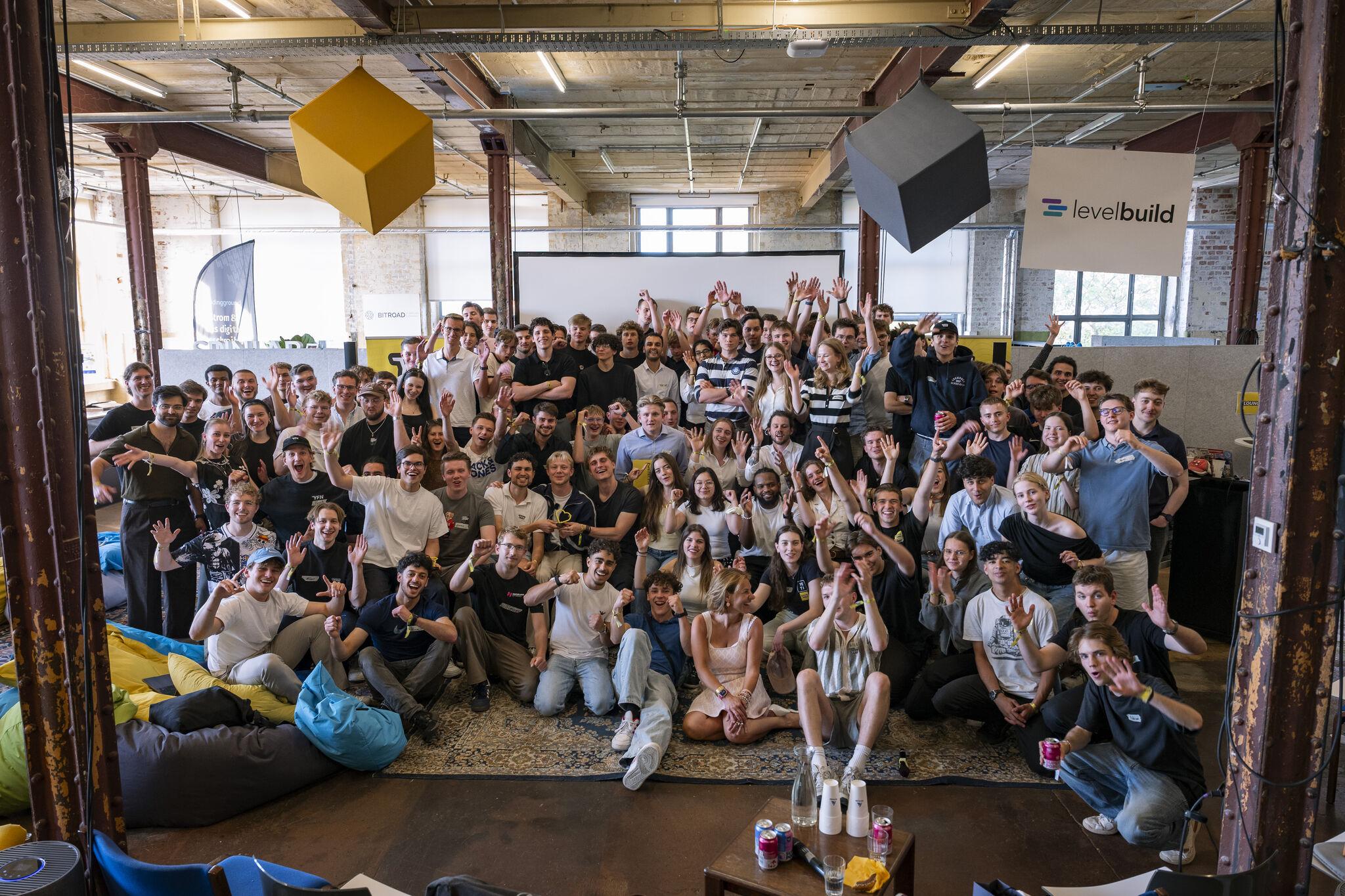
Student startup initiatives have long been more than just meeting places for students interested in starting a business. They create networks, share knowledge, raise the profile of entrepreneurship, and bring together the perspectives of the next generation of founders. At the same time, the conversation with Tobias Gotthardt shows that their impact is closely linked to the political and structural conditions of the startup ecosystem.
Networking across university boundaries is an important step, as is giving student startup initiatives a political voice and bringing their perspectives more strongly into the conversation. The Startup Magnet creates a space for this, where initiatives can exchange ideas, learn from one another, and gain visibility together.






Newsletter
Startups, stories and stats from the German startup ecosystem straight to your inbox. Subscribe with 2 clicks. Noice.
LinkedIn ConnectFYI: English edition available
Hello my friend, have you been stranded on the German edition of Startbase? At least your browser tells us, that you do not speak German - so maybe you would like to switch to the English edition instead?
FYI: Deutsche Edition verfügbar
Hallo mein Freund, du befindest dich auf der Englischen Edition der Startbase und laut deinem Browser sprichst du eigentlich auch Deutsch. Magst du die Sprache wechseln?