Christian Lindner Invests in Frankfurt-Based Cybersecurity Startup QuoIntelligence


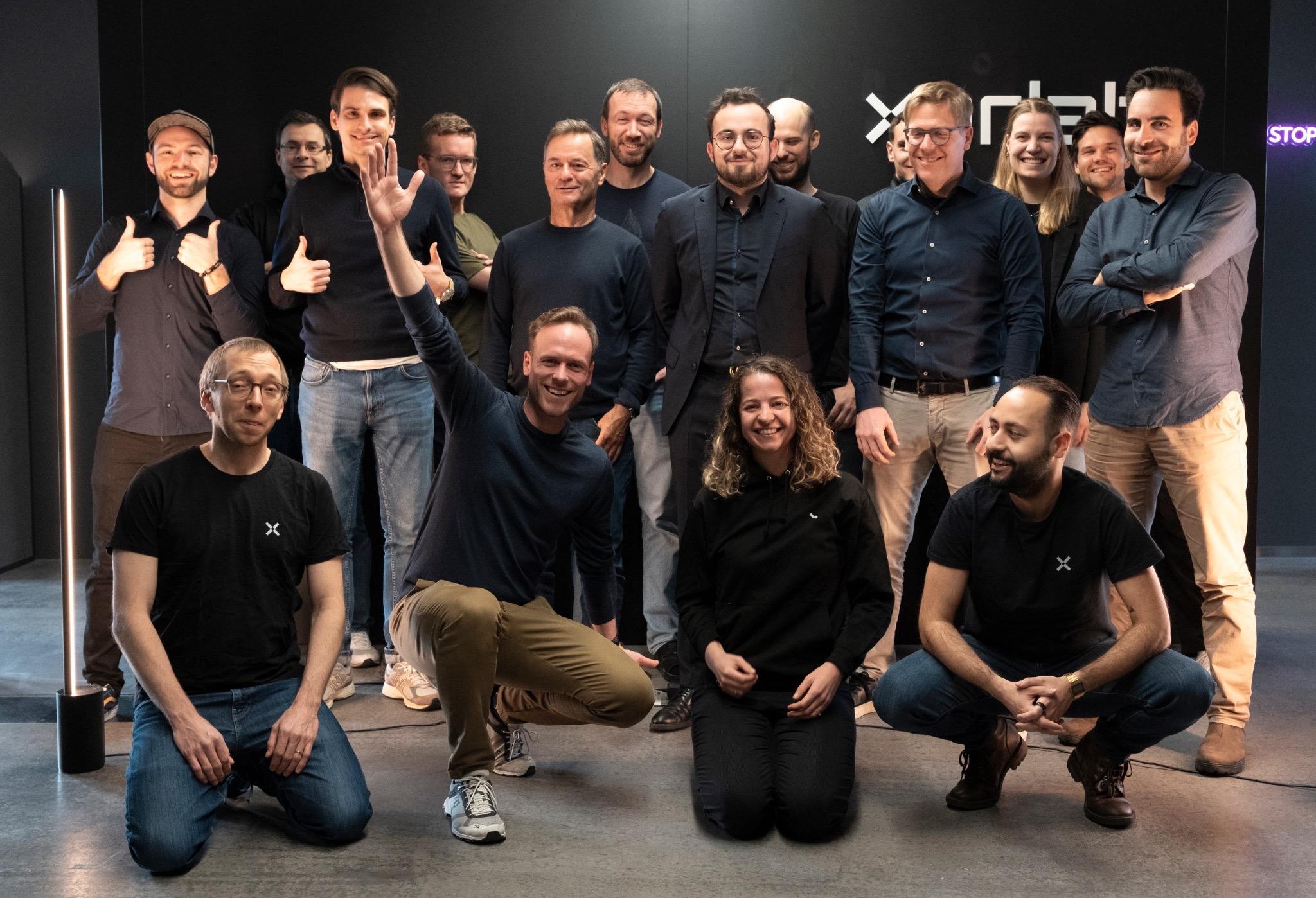
The Frankfurt-based cybersecurity company QuoIntelligence has secured another investor. Christian Lindner is investing in the startup, which was founded in 2020, through Christian Lindner Beteiligungsgesellschaft. The investment supplements previous funding from investors such as Elevator Ventures, BMH, eCAPITAL, and Mercurius. QuoIntelligence had already closed a Series A funding round totaling 7.3 million euros in April 2026. Lindner’s investment, which has now been announced, follows this funding round. The press release does not specify whether this involves an additional capital increase or the acquisition of existing shares. Nor were the amount of the investment, the company’s valuation, or the percentage of shares acquired disclosed. Lindner views QuoIntelligence as a European technology company with growth potential in a strategically important market. He cites the combination of human security analysis with AI-powered technology and the company’s focus on European customers as decisive factors.
Recognized as a Promising European Cybersecurity Startup
In 2026, QuoIntelligence received an award from the European Cyber Security Organization (ECSO). The organization recognized the company as Europe’s most promising cybersecurity startup of the year. The award underscores the company’s standing within the European cybersecurity ecosystem. QuoIntelligence is positioning itself in a market where companies are increasingly reliant on specialized security intelligence. Cyberattacks, digital espionage, and geopolitical risks present organizations with complex challenges. In addition to the technical detection of individual attacks, this also involves assessing threats in the context of a company’s own business model and its various locations. To this end, QuoIntelligence aims to consolidate information from various sources and process it in such a way that companies can derive concrete measures from it.
Mercury Platform Combines Cyber Threat Intelligence and Risk Analysis
The startup’s flagship product is the Mercury platform. It combines several areas of security and risk analysis, including cyber threat intelligence—that is, the systematic collection and evaluation of information about digital threats. In addition, the platform offers digital risk protection features. These are designed to help companies identify risks arising, for example, from the misuse of digital identities, exposed information, or other threats to their digital presence. Another component is risk intelligence. This area takes into account not only digital attacks but also geopolitical, physical, and regulatory risks. QuoIntelligence aims to provide a more comprehensive picture of the threat landscape. According to the company, the information is processed by specialized analysts. Customers thus receive not only automatically collected data but also evaluated information that can be used to make concrete decisions.
AI and Human Analysts Work Together
QuoIntelligence’s business model is based on combining technological automation with human expertise. AI-powered systems assist in processing and analyzing large volumes of data. Specialized analysts evaluate the results and place them in their respective context. This approach is designed to help companies distinguish relevant threats from less important information. Such a service may be particularly appealing to organizations that do not have their own specialized cyber threat intelligence team. Building the necessary internal capabilities requires qualified personnel and ongoing investment in technical infrastructure. QuoIntelligence aims to provide these capabilities as an external service. The platform is thus designed to enable companies to integrate systematic threat analyses into their security processes. The announcement does not provide specific details on the extent to which the analysis is already fully automated or on the productivity gains achieved through AI.
European Data Processing as a Competitive Advantage
A key component of the company’s strategy is its European focus. QuoIntelligence conducts its security analyses with teams in Germany, Italy, and Spain. According to the company, customer-specific intelligence data remains within the European Union. With this approach, the company aims to appeal in particular to organizations that place high demands on data protection, information security, and digital sovereignty. The origin and processing of security-related information are becoming increasingly important for European companies. This applies in particular to critical infrastructure, financial service providers, and public institutions. QuoIntelligence positions itself here as a European provider that combines technological security solutions with regional expertise. The company is ISO 27001 certified. The certification pertains to an information security management system and is a key component for the structured handling of sensitive information.
NIS2 and DORA Raise Requirements for Companies
QuoIntelligence sees additional market opportunities arising from new European security regulations. The NIS2 Directive expands the requirements for cybersecurity and risk management for numerous companies and organizations. In Germany alone, according to estimates cited in the company’s press release, approximately 29,500 organizations fall within the scope of the directive. The financial sector is also subject to the requirements of the Digital Operational Resilience Act, or DORA for short. Among other things, the regulation requires affected financial institutions to systematically manage risks to their information and communication technology and to strengthen their digital resilience. For many organizations, this means additional requirements for the identification, assessment, and documentation of cyber risks. QuoIntelligence aims to offer its platform as a tool to support the implementation of these security processes. However, using a threat intelligence solution alone does not ensure full compliance with legal requirements. Additional organizational, technical, and regulatory measures are necessary for this.
ENISA Awards Contract Worth 1.4 Million Euros
QuoIntelligence already serves clients from various sectors of the economy. These include companies and organizations in transportation, manufacturing, finance, and retail, as well as European Union institutions. A key reference contract comes from the European Union Agency for Cybersecurity (ENISA). In 2025, the European agency awarded QuoIntelligence a four-year contract worth 1.4 million euros through an open tender. The contract demonstrates that the company is capable of offering its services within the European institutional landscape. For a relatively young cybersecurity company, such a reference can be helpful in gaining access to additional public and private-sector clients. The contract value of 1.4 million euros refers to the entire four-year term and does not equate to annual revenue of that amount. No further specific details regarding the number of clients, total revenue, or profitability were disclosed.
Founder Marco Riccardi Aims for European Market Leadership
QuoIntelligence was founded in Frankfurt in 2020 and is led by founder and CEO Marco Riccardi. The company’s goal is to become a leading European provider of cyber threat intelligence. With the Series A funding round in April and the new investment from Christian Lindner, the startup is receiving additional support for its continued growth. Riccardi particularly highlights Lindner’s entrepreneurial perspective. He noted that the discussions focused on market potential, the business model, and the team. For QuoIntelligence, the new investor relationship is expected to help drive further expansion in the European market. No specific new countries, planned hires, or additional product developments were announced in connection with the investment.
Cybersecurity Is Becoming a Strategic Growth Market
The investment in QuoIntelligence demonstrates private investors’ interest in European cybersecurity companies. With increasing digitalization, rising regulatory requirements, and a more complex threat landscape, the need for specialized security services is growing. QuoIntelligence relies on a combination of AI-powered technology, human analysis, and European data processing. Its track record to date includes a Series A funding round of 7.3 million euros, an award from the ECSO, and a multi-year contract with the European cybersecurity agency ENISA. Christian Lindner is now joining as another investor. The next phase of development will hinge on whether QuoIntelligence can expand its position in the European market and translate the demand for specialized threat analysis into sustainable growth.


Newsletter
Startups, stories and stats from the German startup ecosystem straight to your inbox. Subscribe with 2 clicks. Noice.
LinkedIn ConnectFYI: English edition available
Hello my friend, have you been stranded on the German edition of Startbase? At least your browser tells us, that you do not speak German - so maybe you would like to switch to the English edition instead?
FYI: Deutsche Edition verfügbar
Hallo mein Freund, du befindest dich auf der Englischen Edition der Startbase und laut deinem Browser sprichst du eigentlich auch Deutsch. Magst du die Sprache wechseln?