Limetax Raises 36 Million Euros for AI-Driven Tax Firm Group


The Berlin-based tech startup Limetax has raised 36 million euros in funding to build a Germany-wide network of digital tax advisory firms. The funding consists of a €6 million pre-seed equity round led by Motive Partners, as well as a €30 million credit line from a consortium of German banks. In addition to Activant and Heliad, several well-known angel investors are participating, including former German Federal Minister of Finance Christian Lindner.
Limetax is taking an approach that differs from traditional TaxTech startups. Instead of simply selling software to existing firms, the company partners with tax advisory firms and integrates its own platform—featuring specialized AI agents—directly into their workflows.
Motive Partners Leads €6 Million Pre-Seed Round
Of the total 36 million euros, six million euros are in equity. The lead investor is Motive Partners, with Activant and Heliad also participating. Several angel investors are also involved. These include former German Federal Minister of Finance Christian Lindner, former Rocket Internet executive and 468 Capital co-founder Alexander Kudlich, as well as Moss founders Anton Rummel and Ante Spittler.
A consortium of German banks is providing an additional 30 million euros through a financing facility. The capital is intended to be used, on the one hand, for the further development of the company’s own AI platform and, on the other hand, for additional partnerships with tax firms.
Four Firms and 150 Employees After Eight Months
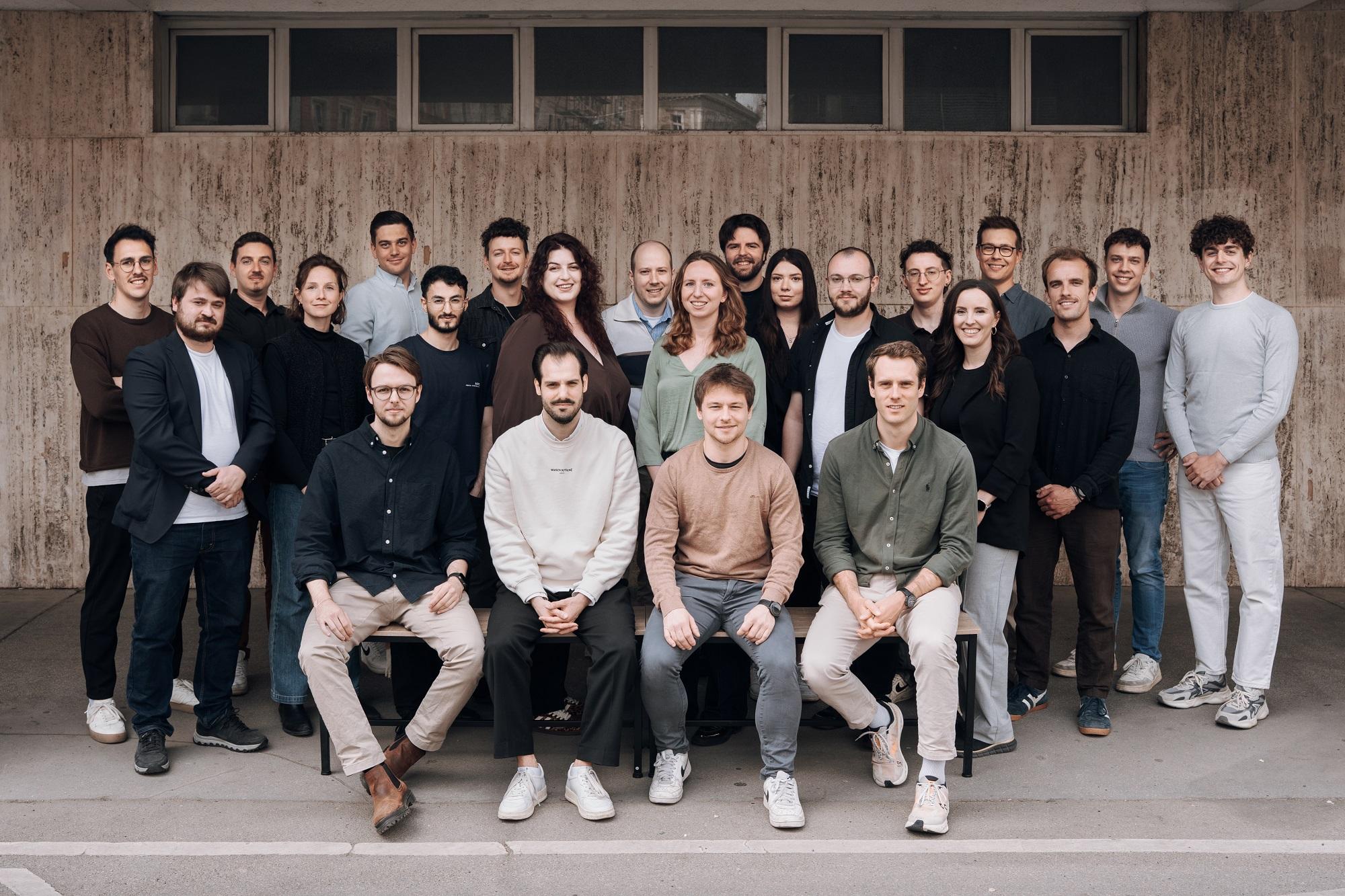
Limetax was founded as recently as January 2026. Eight months later, according to the company, the group already includes four firms with seven locations and approximately 150 employees. According to Limetax, annualized revenue is now in the double-digit millions. The company’s proprietary AI platform is already in use at all of the group’s firms.
The company is thus positioning itself as both a technology provider and a consolidation platform for a highly fragmented market. According to Limetax, there are nearly 54,000 tax consulting firms in Germany. Many are struggling with a shortage of skilled workers, increasing regulatory requirements, and the growing complexity of tax law.
AI agents handle routine tasks
The technological foundation of the model is a so-called agent-based platform. This platform is built on DATEV and coordinates various specialized AI agents, which are designed to handle tasks related to bookkeeping, payroll, and annual financial statements. This particularly involves repetitive activities such as compiling data, processing documents, or performing preparatory steps.
The results are then reviewed by an audit team. Professional responsibility thus remains with the staff of the respective tax firm. Accordingly, Limetax does not intend to position AI as a replacement for tax advisors, but rather to create additional capacity. The time saved is to be devoted more heavily to consulting and more complex client issues.
From 20 to six hours of processing time
Initial internal figures are expected to show just how significant this impact could be. According to the company, for some individual accounting cases, the monthly processing time was reduced from around 20 to six hours through the use of AI agents. Whether such productivity gains can be replicated across different clients, firms, and more complex cases is likely to be one of the key questions for further scaling.
Unlike pure-play software providers, Limetax must not only scale its technology. At the same time, new law firms must be integrated, processes standardized, and professional quality ensured across different locations.
Tax firms will remain locally based
In doing so, Limetax does not rely on complete centralization. Existing firms are expected to maintain their local presence and personal contact with their clients.
The future of tax consulting won’t be shaped by yet another AI tool.
Christoph Gamon, CEO and Co-Founder of Limetax
According to Gamon, what is crucial is to develop firms and technology together and make the agent-based platform the technological backbone of daily work. The model thus combines two developments: the consolidation of a highly fragmented professional services market and the automation of knowledge-intensive processes through AI.
Founder Team with Experience at Razor, N26, and in FinTech
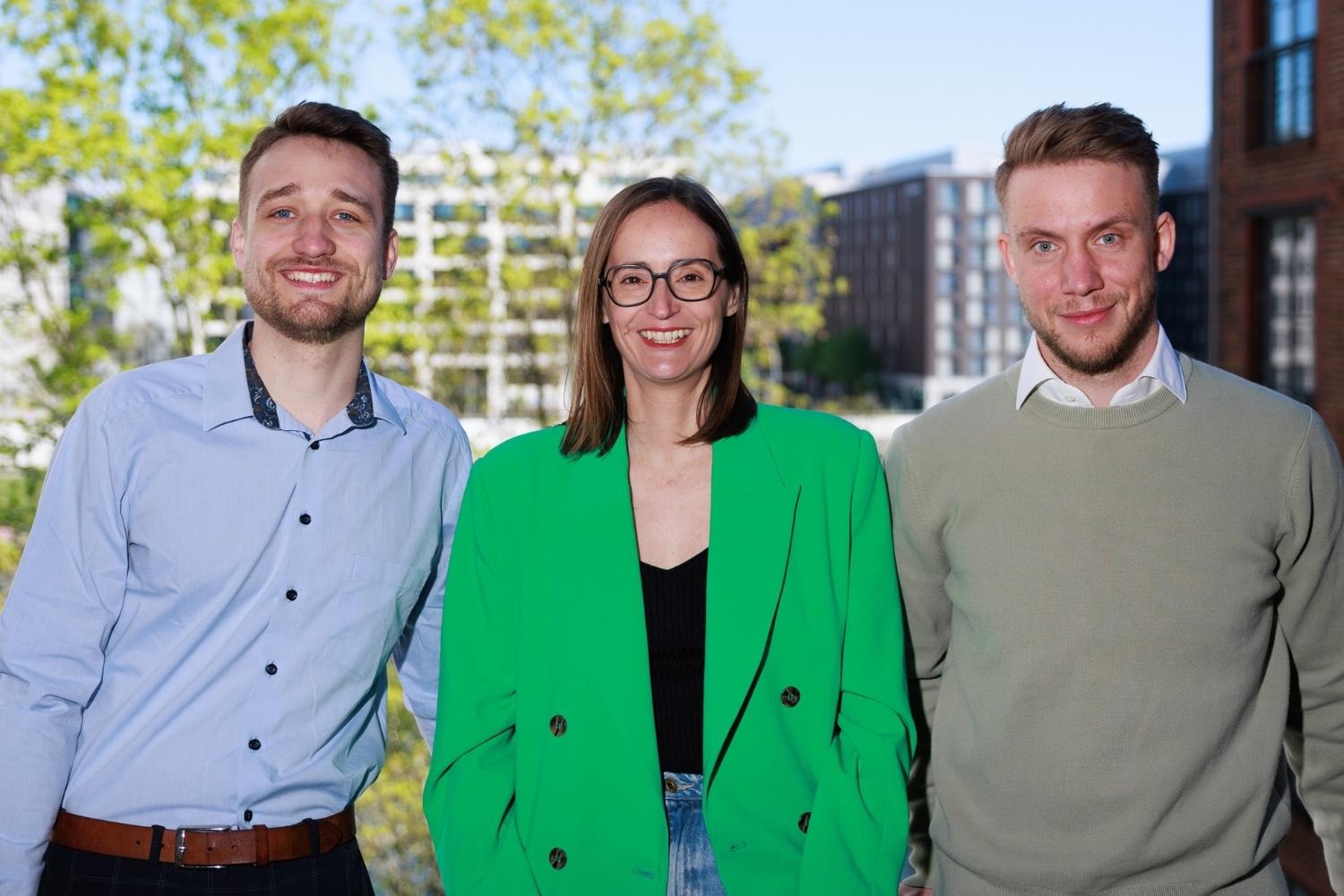
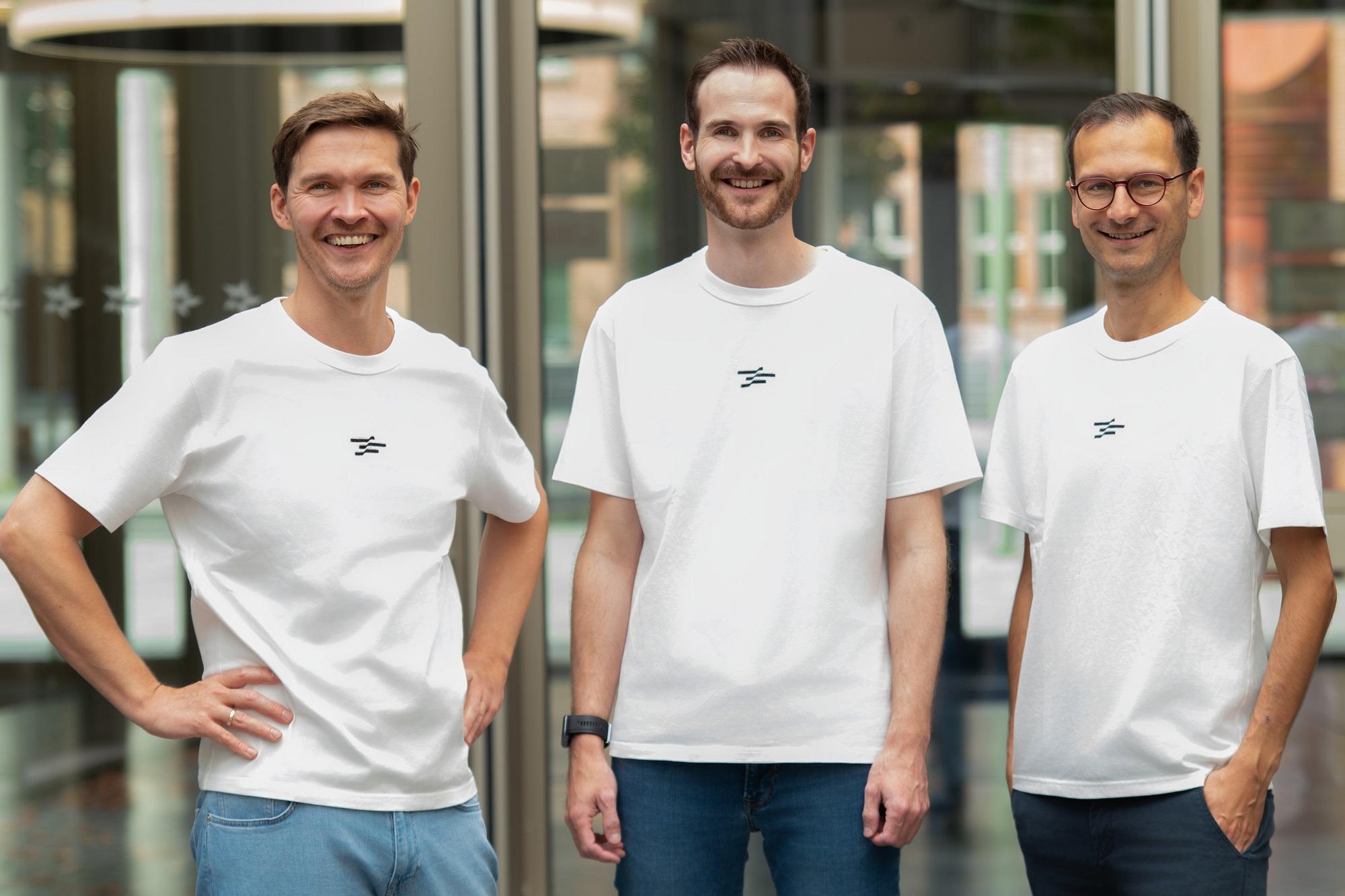
Limetax was founded by Christoph Gamon, Maximilian Meyer, and Christoph Dansard. Gamon was previously a co-founder and CFO of the Razor Group and, before that, worked at Rocket Internet and UBS, among others. Meyer was also part of the Razor Group’s founding team, where, as SVP of Operations, he managed more than 100 employees. Prior to that, he worked at Lazard and N26.
Dansard has a stronger background in technology. He was a founding engineer at the fintech company Augustus, which previously operated under the name Ivy. The Berlin-based team also includes employees with experience at companies and consulting firms such as Taxfix, McKinsey, EY, Buena, Raisin, and ETL.
AI Meets a Fragmented Billion-Dollar Market
The timing for this business model is favorable. Tax firms face high demand in many regions, yet a shortage of skilled professionals limits the number of client engagements they can handle profitably. This distinguishes the industry from markets where technology must primarily generate new demand. For tax advisors, increased productivity can directly create additional capacity.
This is precisely what Michael Hock, Venture Partner at Motive Partners, points out: In tax consulting, the central bottleneck is not demand, but available capacity. Limetax is attempting to solve this problem not only through software, but by becoming an integral part of the firms’ operational structure.
The real test begins with scaling
The 36 million euros provide Limetax with considerable financial leeway early on. At the same time, a distinction should be made between the 6 million euros in equity and the 30 million euros in bank financing. The credit line, in particular, is likely to play an important role in further partnerships with firms and the expansion of the group.
This creates a model that is increasingly being observed in other professional services industries as well. Capital finances the consolidation of a fragmented market, while proprietary AI is intended to boost the productivity of the acquired or affiliated firms.
Whether this will actually give rise to a new generation of tax firms therefore does not depend solely on the performance of the AI agents. The decisive factor will be whether Limetax can quickly integrate firms, maintain quality standards, and replicate the promised efficiency gains across an ever-larger group.
From the perspective of founders and companies, however, the truth is that the business model is ultimately based on a bureaucratic monster created by the government itself. If bureaucracy were consistently reduced and companies were relieved of avoidable administrative burdens, enormous amounts of time would be freed up for what it should actually be all about: genuine value creation!
For founders in particular, working time is one of the scarcest resources of all, alongside capital. If this time is instead spent on KiStA reports, sales tax returns, or digitizing thermal paper receipts, something is fundamentally wrong. The fact that companies must devote a growing portion of their productivity to fulfilling government-imposed documentation and reporting requirements is economically untenable. What is needed here is not only digital solutions for existing bureaucracy, but above all the political will to consistently eliminate unnecessary bureaucracy.



Newsletter
Startups, stories and stats from the German startup ecosystem straight to your inbox. Subscribe with 2 clicks. Noice.
LinkedIn ConnectFYI: English edition available
Hello my friend, have you been stranded on the German edition of Startbase? At least your browser tells us, that you do not speak German - so maybe you would like to switch to the English edition instead?
FYI: Deutsche Edition verfügbar
Hallo mein Freund, du befindest dich auf der Englischen Edition der Startbase und laut deinem Browser sprichst du eigentlich auch Deutsch. Magst du die Sprache wechseln?