NRW.BANK Invests in Biotech Startup Phagestack

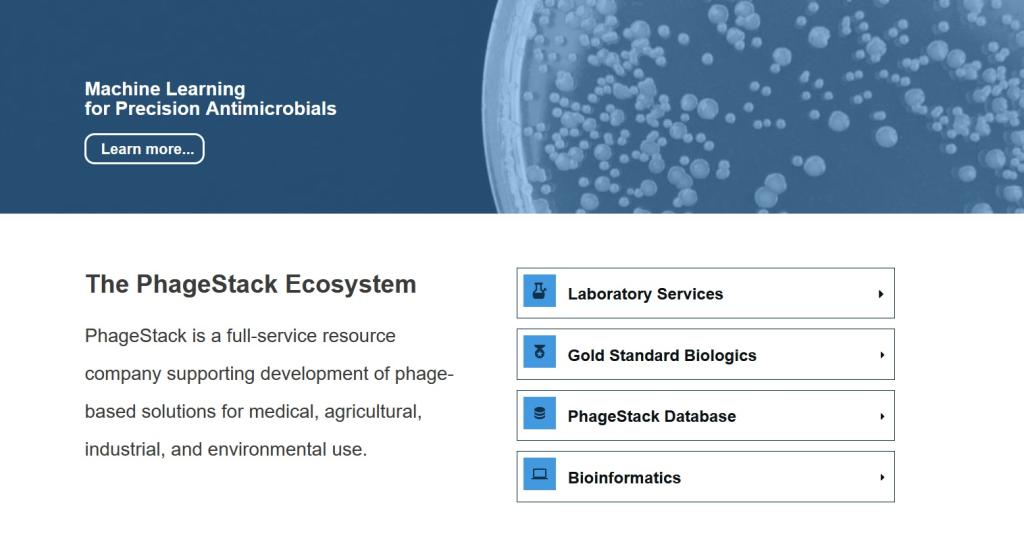
Through its NRW.SeedCon program, NRW.BANK is investing in the biotech startup Phagestack, based in Pulheim. Founded in 2023, the company combines machine learning, databases, and bacteriophages to develop targeted antimicrobial agents against specific harmful bacteria. With this funding, Phagestack has now opened its own laboratory at BioCampus Cologne. No details were provided regarding the amount of the investment.
AI and Bacteriophages Against Drug-Resistant Bacteria
Phagestack’s technology addresses the growing resistance of bacteria to traditional antibiotics. The focus is on bacteriophages—viruses that infect specific bacteria and can therefore be used to target them specifically. The startup combines biological agents with databases and machine-learning algorithms. Based on this, the goal is to identify suitable bacteriophages and target structures and use them to develop antimicrobial solutions.
This approach thus differs from traditional broad-spectrum antibiotics, which can affect other bacteria in addition to pathogens. Phagestack aims to target harmful bacteria as precisely as possible while preserving beneficial bacteria and microbial ecosystems. This is also intended to reduce the risk of further resistance developing as a result of the use of antimicrobial agents.
In-House Laboratory at BioCampus Cologne
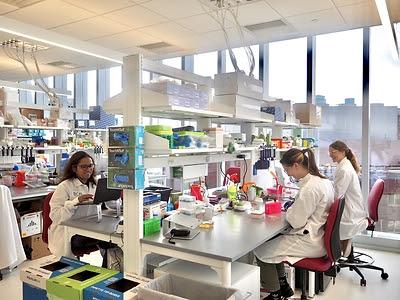
With funding from NRW.BANK, Phagestack is now expanding its existing digital capabilities to include its own laboratory facilities. To this end, the company has opened a laboratory at BioCampus Cologne. To date, a significant part of the approach has involved the data-driven identification of potential active compounds and target structures. In the future, suitable candidates can also be directly investigated and validated in the company’s own wet lab.
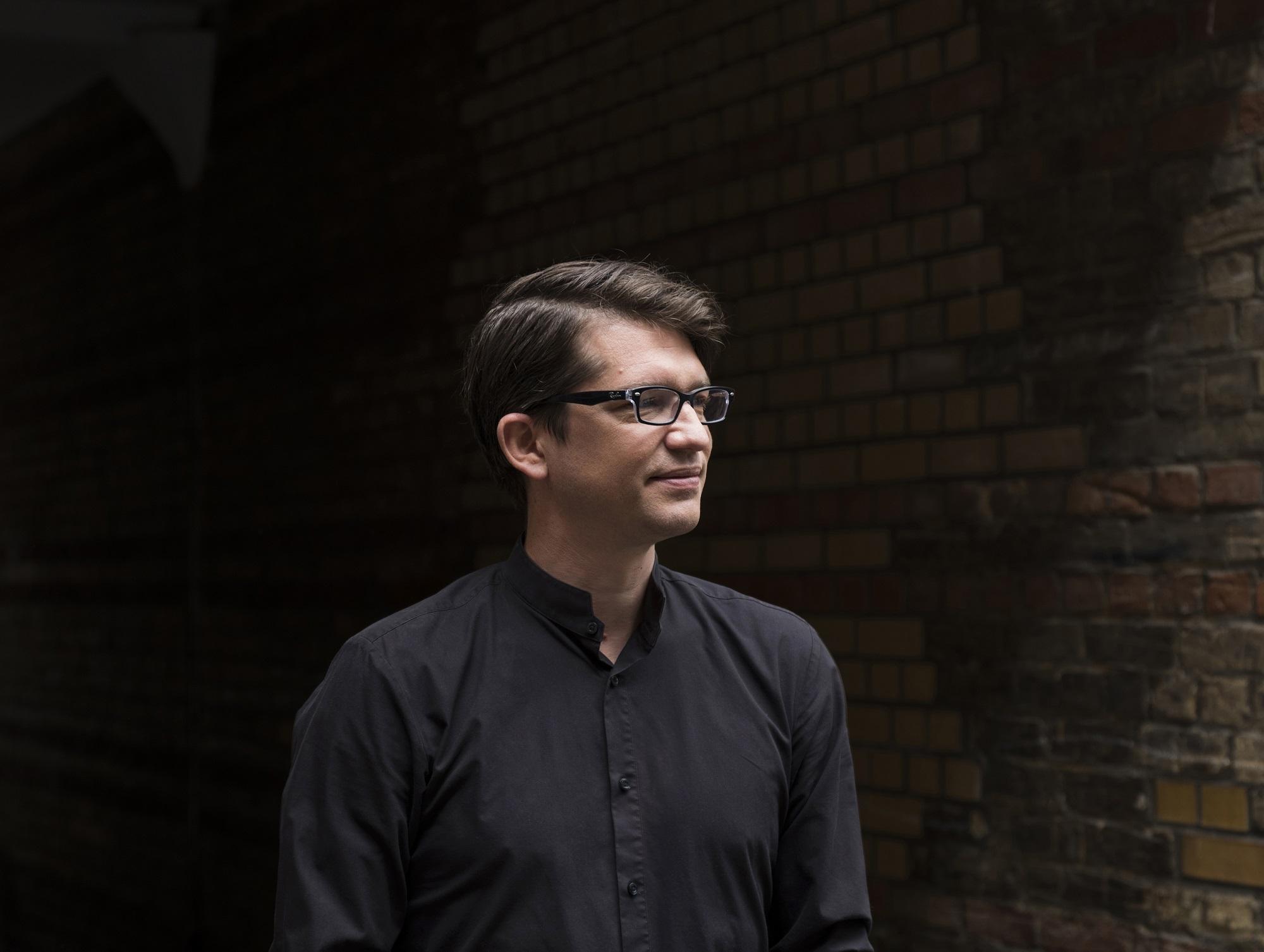
“By underpinning our artificial intelligence algorithms and databases with robust, hands-on validation in the wet lab, we can offer our partners comprehensive support.”
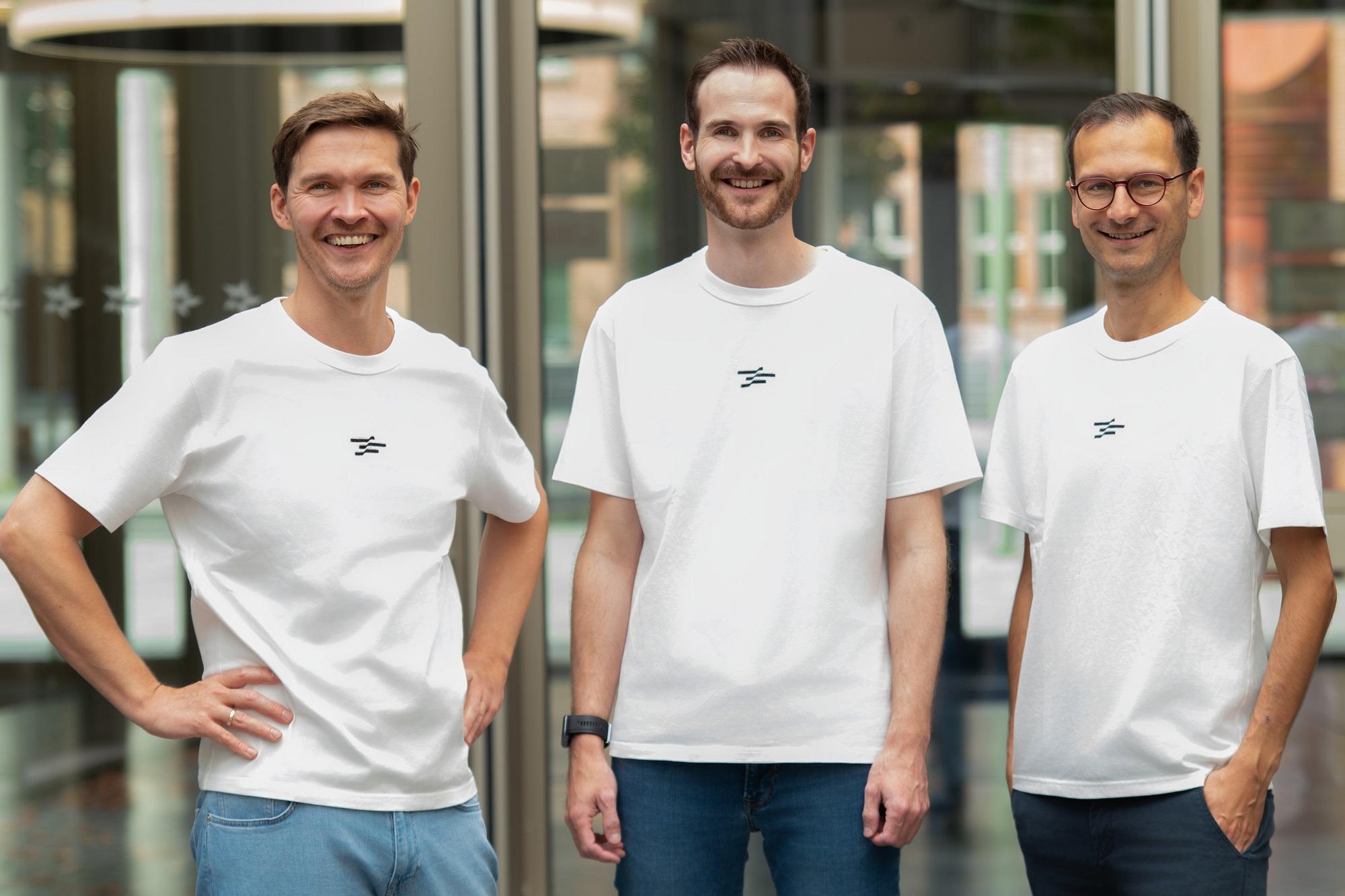
Ewald Fernbach, Managing Director of Phagestack
The service offering will thus range from the identification of suitable host-pathogen target structures to the provision of standardized bacteriophage preparations. With its own laboratory, the startup is simultaneously expanding its service portfolio. This will include the customized isolation and characterization of phages, as well as in vitro screenings and genomic verifications.
In addition, the company offers services related to the production of biological active ingredients. Phagestack can thus handle several steps of the development chain in-house: from data- and AI-driven candidate screening through biological analysis to validation in the laboratory.
Applications Beyond Medicine
The technology is not intended exclusively for medical applications. Phagestack also sees potential applications in aquaculture, agriculture, and food production. Wherever harmful bacteria need to be combated, specialized phages could serve as an alternative or supplement to conventional antimicrobial methods.
This targeted approach is particularly crucial for Phagestack. Instead of combating as many bacteria as possible at once, the goal is to develop agents that target specific unwanted bacteria.
NRW.BANK Funds Expansion of Laboratory Capabilities
The investment is being made through NRW.BANK’s NRW.SeedCon program. The funding specifically supports the development of new laboratory capacities. The development bank has not disclosed a specific investment amount.
Phagestack combines artificial intelligence with its own laboratory research.
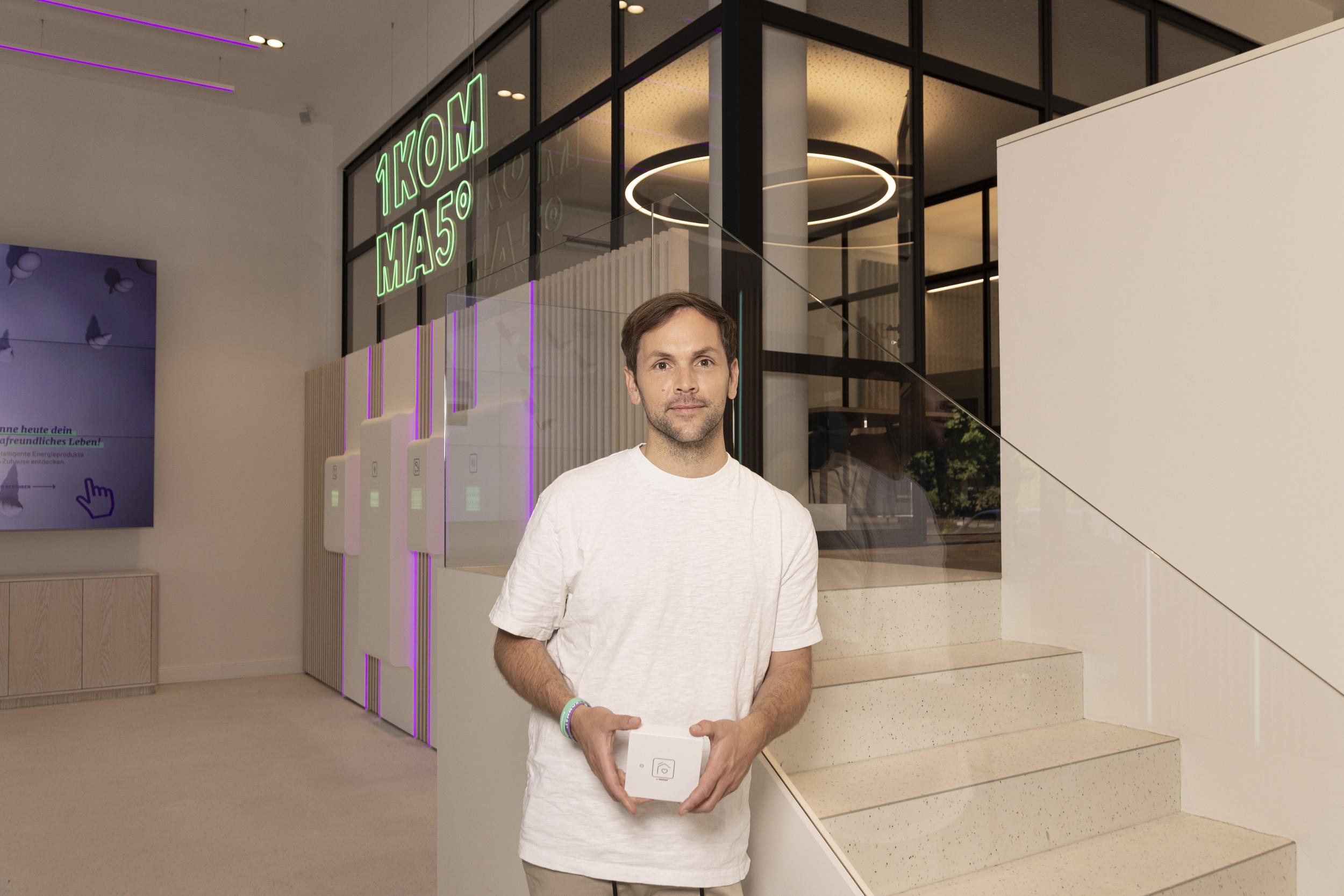
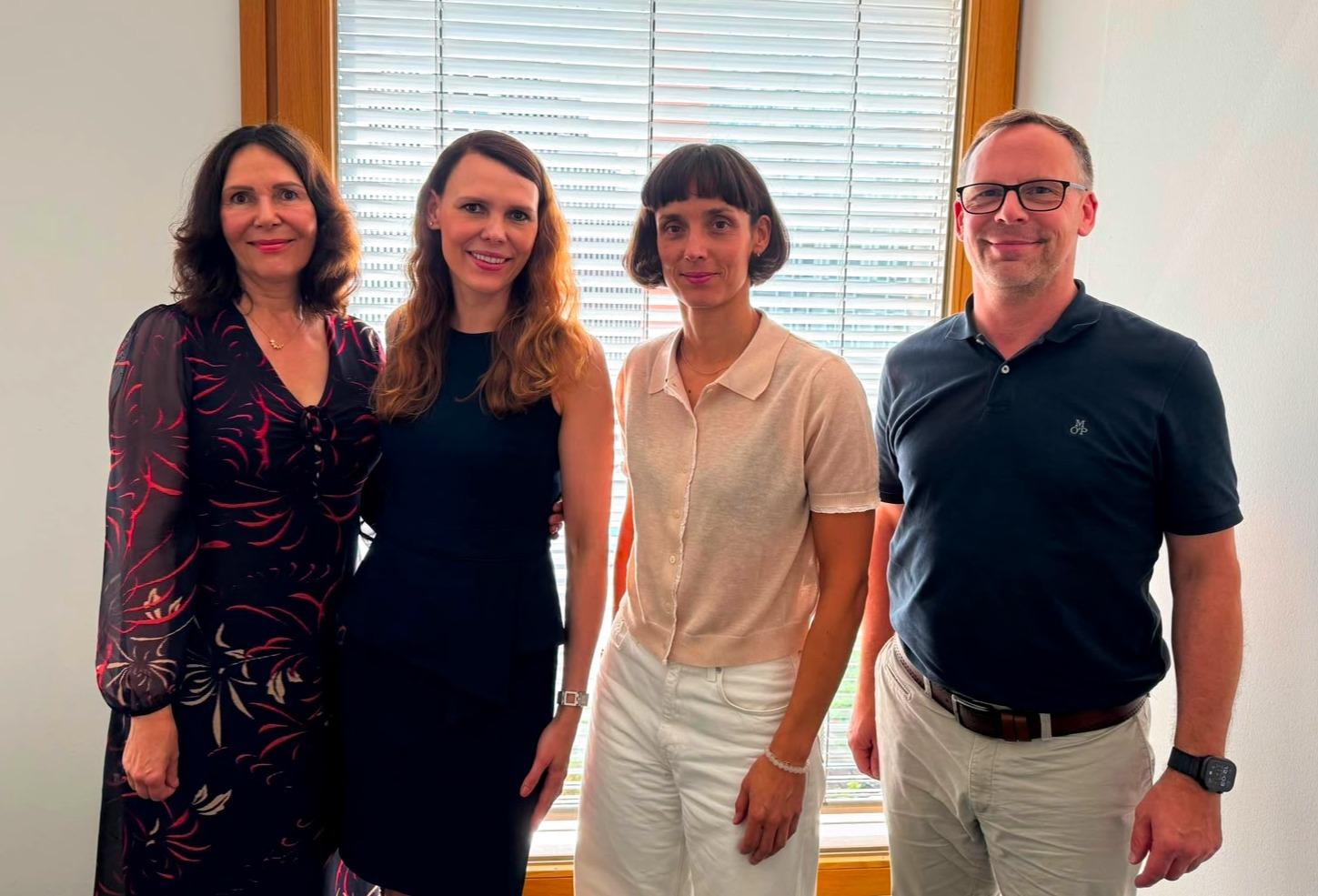
Antonie Tjaden-Schulte, Member of the Executive Board at NRW.BANK
According to Tjaden-Schulte, the investment is intended to help further develop the approach and advance new solutions in the fight against antibiotic resistance. The company receives additional support from the regional startup ecosystem as well as through the Gateway Factory.
From Data Model to In-House Lab
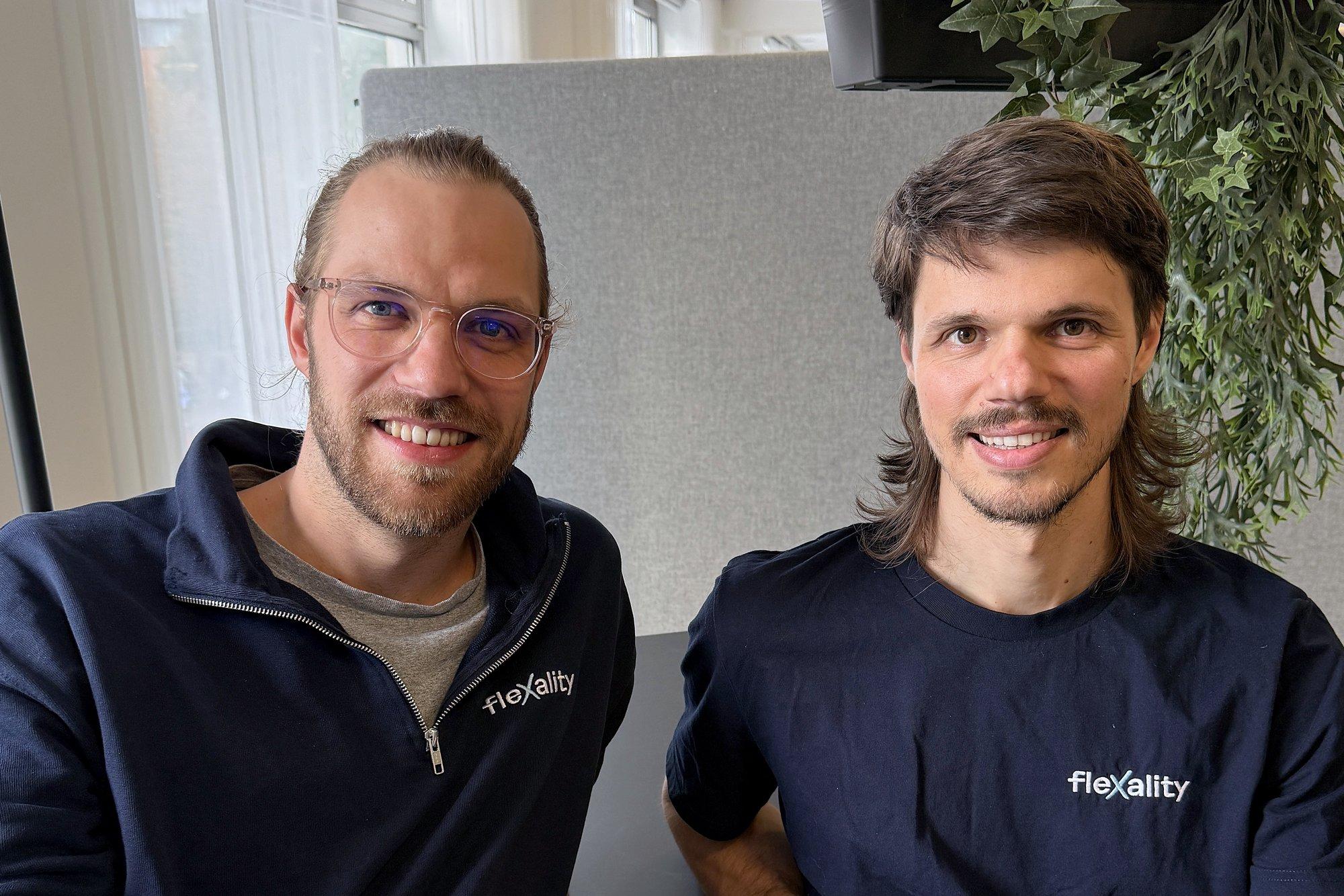
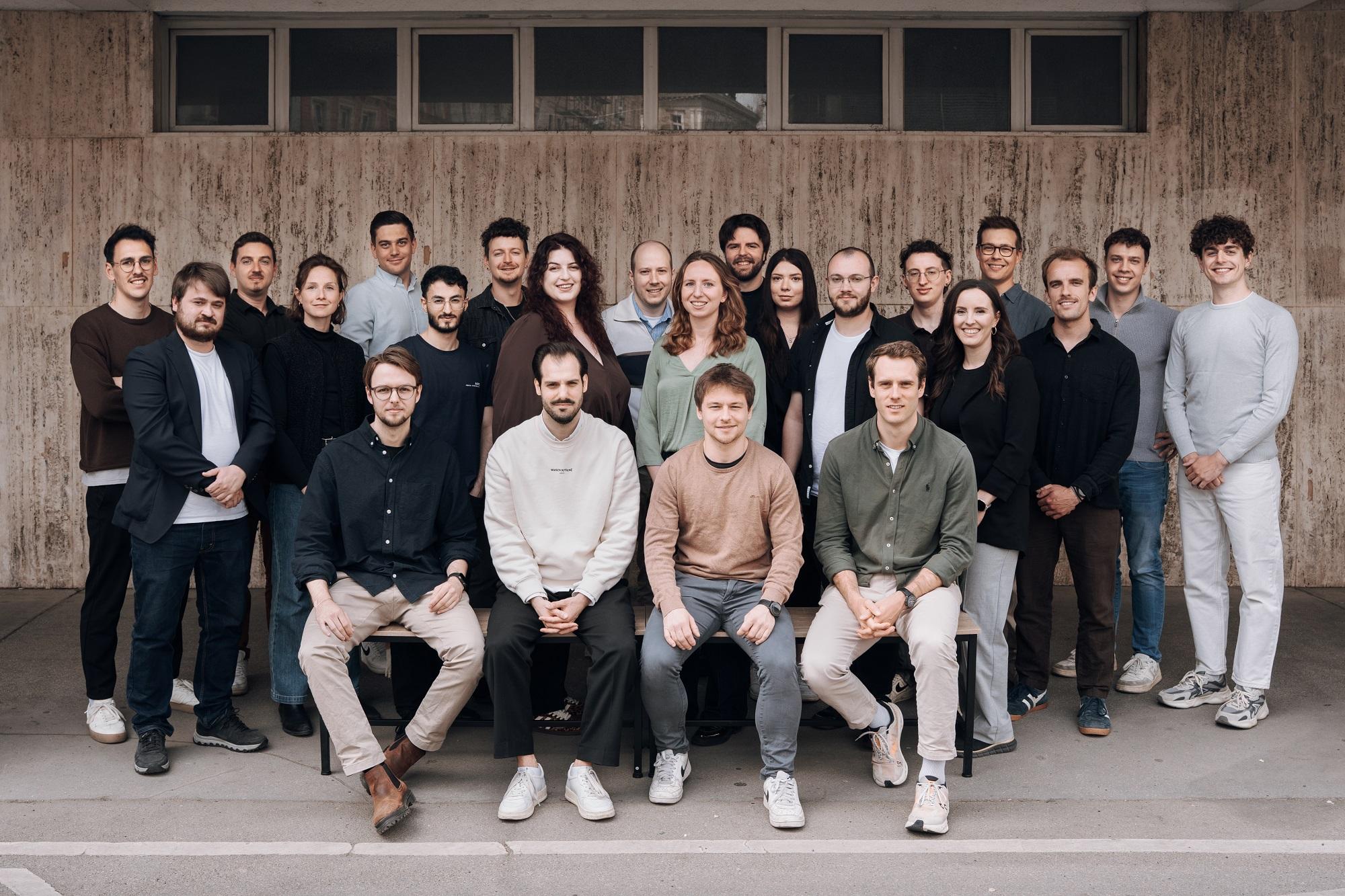
Phagestack was founded in 2023 by Ewald Fernbach, Jonas Fernbach, and Robert Faber. With its own laboratory, the young company is now taking an important step forward in its development. For a biotech startup, the combination of digital drug discovery and in-house experimental validation is particularly relevant. This is because it is only in the lab that it can be verified whether the candidates identified by algorithms actually exhibit the expected biological effect.
Phagestack is thus attempting to bridge two rapidly growing fields: data-driven drug discovery and phage therapy. Whether this leads to scalable products will depend largely on how successfully the startup can experimentally validate its digital predictions and subsequently translate them into standardized applications.



Newsletter
Startups, stories and stats from the German startup ecosystem straight to your inbox. Subscribe with 2 clicks. Noice.
LinkedIn ConnectFYI: English edition available
Hello my friend, have you been stranded on the German edition of Startbase? At least your browser tells us, that you do not speak German - so maybe you would like to switch to the English edition instead?
FYI: Deutsche Edition verfügbar
Hallo mein Freund, du befindest dich auf der Englischen Edition der Startbase und laut deinem Browser sprichst du eigentlich auch Deutsch. Magst du die Sprache wechseln?