Isar Aerospace Reaches Orbit on Its Second Flight and Deploys Satellites

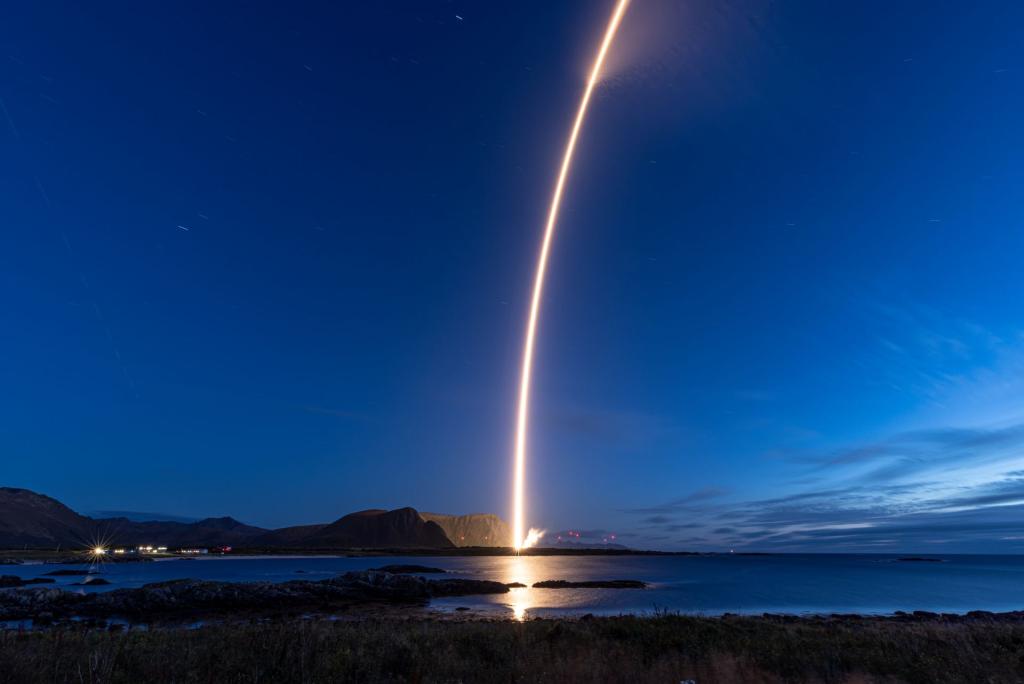
The German space technology company Isar Aerospace has reached orbit for the first time with its Spectrum launch vehicle and deployed payloads. The company’s second flight launched on September 5, 2026, from the Andøya Spaceport in Norway. With this achievement, the Munich-based company has reached a crucial milestone on the path to commercial European access to space.
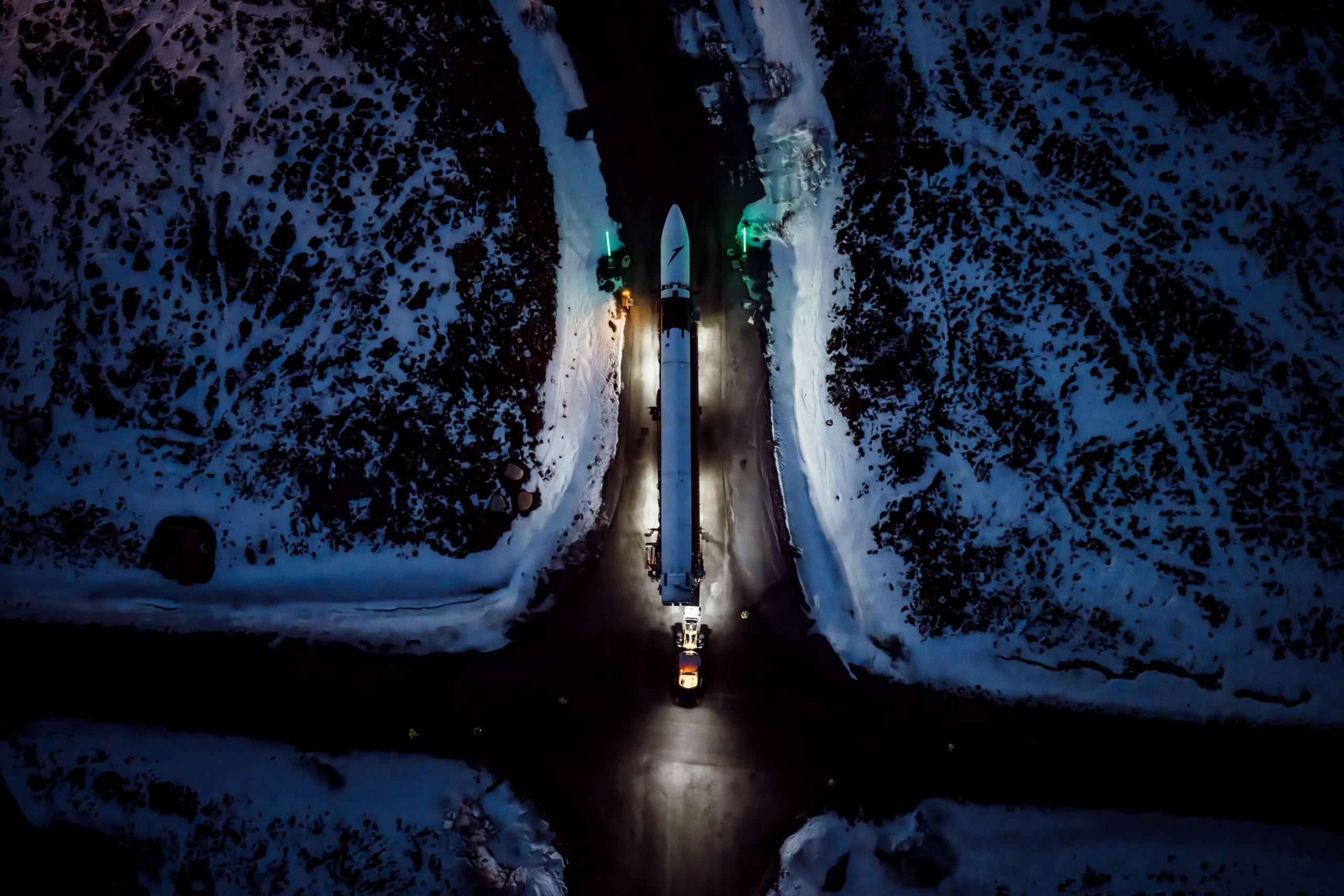
The“Onward and Upward” mission launched at 10:12 p.m. CEST from the company’s own launch complex on Andøya. According to Isar Aerospace, Spectrum reached its intended orbit and subsequently deployed the payloads it was carrying. The company is now working with its customers to verify the status of the satellites.
Second Flight into Orbit
For Isar Aerospace, the successful flight represents a significant technological leap. According to the company, it succeeded in completing the entire flight sequence—up to the deployment of the payloads—on just its second launch attempt. Spectrum first passed through the region of maximum aerodynamic load, known as MaxQ. This was followed by the shutdown of the first-stage main engines, stage separation, and the scheduled ignition of the second stage.
We have opened a new chapter for European spaceflight.
Daniel Metzler, CEO and Co-Founder of Isar Aerospace
The rocket then crossed the Kármán line at an altitude of 100 kilometers and jettisoned the payload fairing. After reaching orbital velocity and performing a further maneuver to circularize the orbit, the satellites were deployed. This marked the first practical demonstration of Isar Aerospace’s orbital launch capability. The focus now is on rapidly ramping up production of the launch vehicles and fulfilling the existing order pipeline.
Payloads from the German Microlauncher Competition
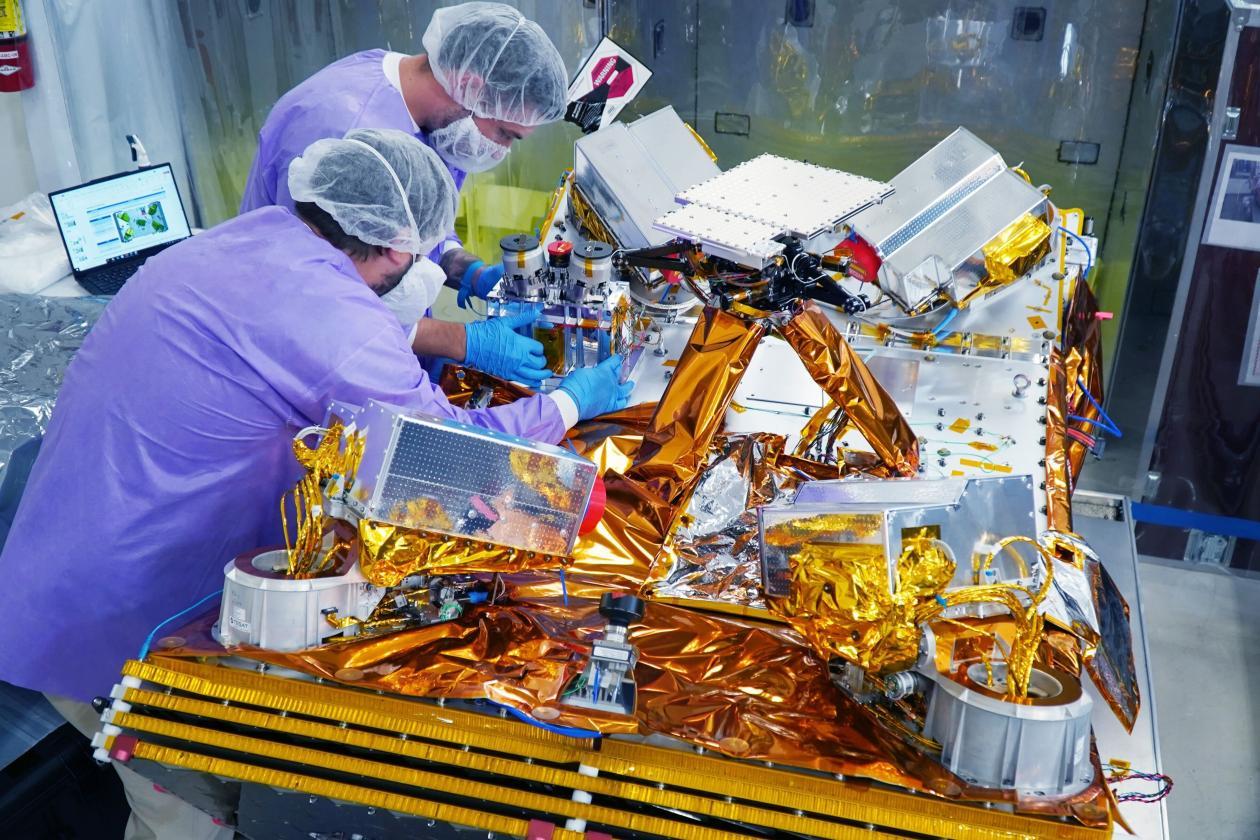
The payloads carried on the mission originated from the Microlauncher Competition organized by the German Space Agency (DLR). The competition is designed to provide educational institutions and startups, in particular, with more cost-effective access to space. The program is funded through ESA Boost!.
The successful flight is therefore significant not only for Isar Aerospace. The mission also delivered satellites from European companies into orbit using a commercial launch vehicle from a European launch site.
Spectrum is set to become a commercial launch vehicle
For Isar Aerospace, the technical success is now followed by a crucial economic phase. The business model is not based on individual demonstration flights, but on launch operations that are as regular and scalable as possible. Spectrum was developed to transport small and medium-sized satellites as well as satellite constellations. Isar Aerospace aims to serve commercial companies as well as institutional and government customers.
The demand is there: Satellites are needed for communications, Earth observation, navigation, research, and, increasingly, security and defense applications. At the same time, access to orbit remains a bottleneck for the industry. Isar Aerospace aims to establish itself as a European alternative in the international launch market.
Rockets 3 through 7 Already in Production
The company is therefore already preparing for additional launches. According to the company, Spectrum launch vehicles numbers three through seven are already in production. At the same time, a new production facility covering approximately 40,000 square meters is under construction. Once fully operational, Isar Aerospace aims to have the capacity to manufacture up to 40 launch vehicles per year there.
The startup is relying on largely vertically integrated production and a high degree of automation. As many key components and production steps as possible are to be controlled within its own facilities. This approach is intended to enable technological independence and also lay the groundwork for industrial-scale series production of launch vehicles.
Second Launch Site in Canada
Isar Aerospace is also expanding its infrastructure geographically. In addition to the existing launch complex in Andøya, Norway, another site is being built in Nova Scotia, Canada. Missions to medium and high inclinations will also be possible from there. Such orbits are particularly relevant for Earth observation and communications satellites.
By having multiple launch sites available, Isar Aerospace aims to increase its flexibility and enable a higher launch frequency in the long term.
From European Rocket Project to Launch Service Provider
For Isar Aerospace, the second Spectrum flight significantly changes the playing field. Until now, the company primarily had to prove that its in-house developed rocket was fundamentally capable of orbital flight. With the successful deployment of payloads, the challenge now shifts toward reliability, repeatability, and scalability.
After all, a successful orbital flight alone does not make for a competitive launch service provider. Customers need predictable launch dates, reliable missions, and competitive prices. That is precisely why the next Spectrum rockets, which are already in production, are likely to become at least as important as the current success.
An Important Step Toward Europe’s Independent Access to Space
The strategic significance extends beyond Isar Aerospace. For years, Europe has been striving to strengthen its independent access to space. At the same time, commercial satellite constellations and geopolitical developments are increasing the importance of having its own rapidly available launch capabilities.
With the second Spectrum flight, Isar Aerospace has now provided genuine technical proof of concept. A successful rocket launch must lead to regular commercial launch operations. The groundwork for this is already being laid. Rockets three through seven are currently in production; a 40,000-square-meter factory is set to provide capacity for up to 40 Spectrum rockets per year; and a second launch site is being established in Canada.
Having reached orbit, Isar Aerospace is now entering a phase that may prove even more challenging: transforming this technical success into a scalable European space business.





Newsletter
Startups, stories and stats from the German startup ecosystem straight to your inbox. Subscribe with 2 clicks. Noice.
LinkedIn ConnectFYI: English edition available
Hello my friend, have you been stranded on the German edition of Startbase? At least your browser tells us, that you do not speak German - so maybe you would like to switch to the English edition instead?
FYI: Deutsche Edition verfügbar
Hallo mein Freund, du befindest dich auf der Englischen Edition der Startbase und laut deinem Browser sprichst du eigentlich auch Deutsch. Magst du die Sprache wechseln?