Sunshine for the Trailer: How MOVOLTA Is Electrifying Refrigerated Logistics

Startbase Supports Startups from Reaktor Wildau – Today: MOVOLTA
In our exclusive series on the startups from the second batch of Reaktor Wildau, we feature one of the 14 participating companies every Saturday. We follow their progress throughout the accelerator program and show how innovative ideas are transformed into marketable products and successful business models.
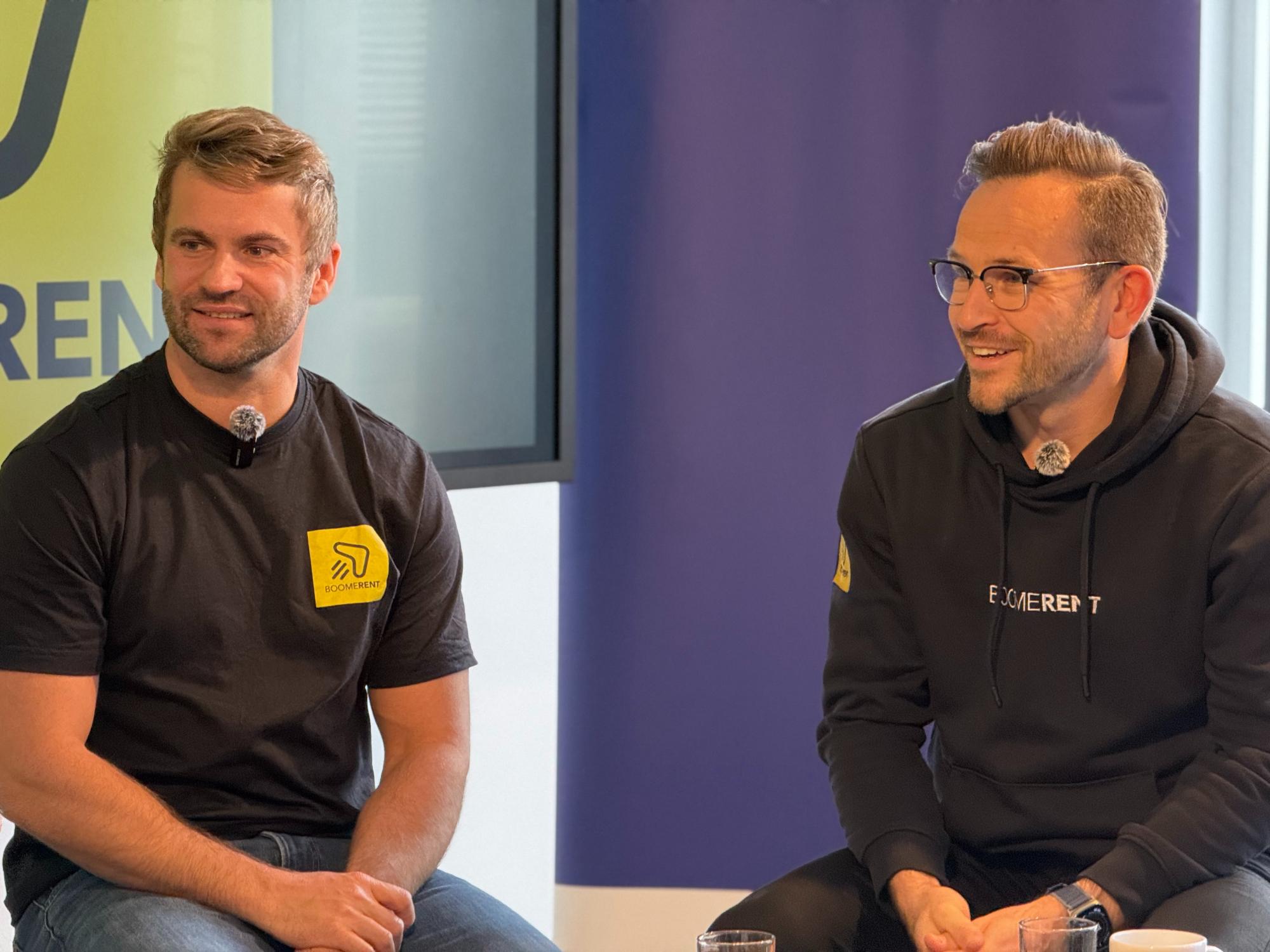
Following our kickoff feature on the PropTech company Boomerent, today we’re featuring MOVOLTA is in the spotlight. The startup develops solar solutions for commercial vehicles that, among other things, enable more energy-efficient cooling systems for trucks.
The connection to Reaktor Wildau began at deGUT 2025, when MOVOLTA was still in the early stages of development. A lot has happened since then: The startup was accepted into the second batch of Reaktor Wildau, won the second round of the Berlin-Brandenburg Business Plan Competition, and has since put its first truck with solar panels on the roof on the road.
In today’s interview, the startup explains how MOVOLTA has evolved from the initial idea to practical application, what challenges the team had to overcome along the way, and what goals lie ahead.
When people think of solar energy on vehicles, they usually picture futuristic electric cars. But the real revolution is currently taking place on the highways—specifically on the roofs of refrigerated trailers. This is where the startup MOVOLTA comes in. The mission: to drastically reduce the diesel consumption of refrigeration units and make food transportation quieter and cleaner.
The problem: A “dirty” engine in the shadows
Refrigerated trailers are self-sufficient units in logistics. They have their own refrigeration unit with its own diesel tank, which operates completely independently of the tractor unit. The problem with this is that the diesel engine primarily serves to drive an alternator, which in turn supplies electricity to the refrigeration compressors. This is an inefficient detour that also results in “dirty” combustion, since these units often do not meet modern emissions standards. Added to this is the noise: Anyone who has ever had to spend the night next to a parked refrigerated truck knows that having a conversation—let alone getting any sleep—is virtually impossible.
The Team: Solar Experts with a Background in Logistics
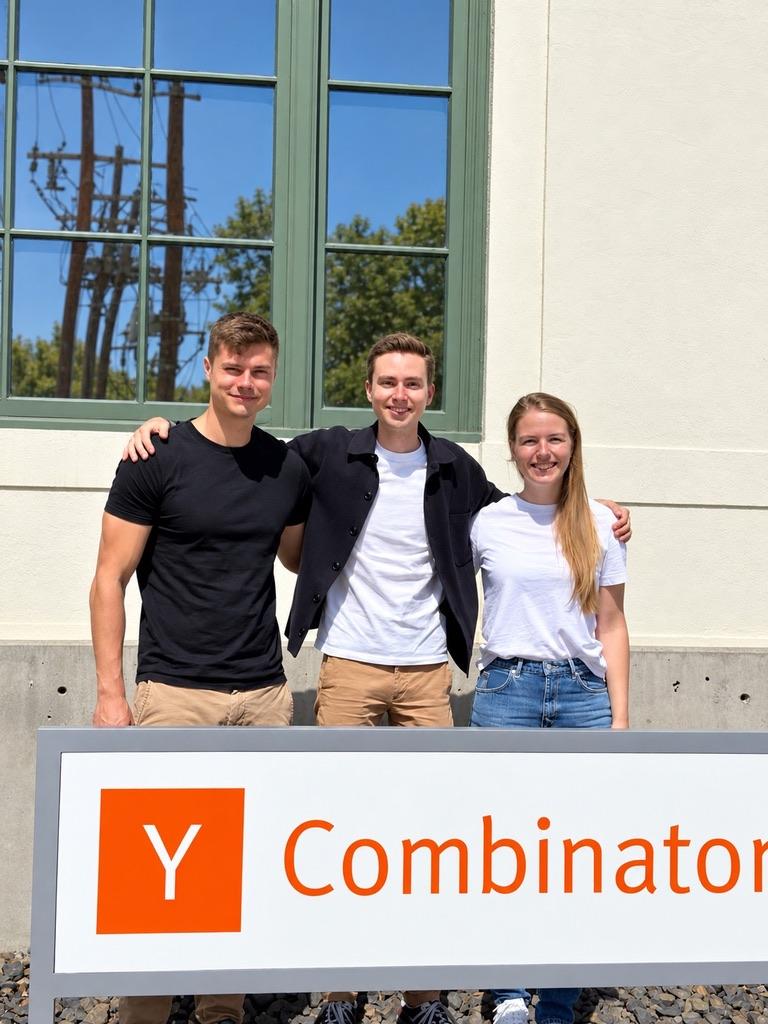
Behind MOVOLTA are three founders who understand each other perfectly: Christoph Sekura, Hanno Siemer, and Joachim Ranzmeyer. They know each other from their time together in the solar industry.
- Joachim Ranzmeyer is the team’s technical expert; he’s a physicist and engineer. He brings expertise ranging from solar cell development to real-world applications on the road.
- Hanno Siemer is the man for scaling up operations. Ten years of experience in fulfillment at Amazon have taught him how to build operational processes that work even at high volumes.
- Christoph Sekura is the creative force and the brains behind MOVOLTA; he rounds out the trio with 20 years of industry experience and a keen eye for the economic business case.
From “Click” to Success: The Learning Curve
The company’s founding just under half a year ago was not a linear process. The founders still vividly remember a Friday afternoon in a workshop when their first prototype immediately broke down during a test run. The electronics shut down with a loud “clack” due to an overload—the inrush currents of the cooling unit were simply too high.
Instead of burying their heads in the sand, the team demonstrated what makes an agile startup: They analyzed the error, revised the setup, and were back in the workshop two weeks later. This time, the system ran “like a charm.” This experience shaped their
philosophy: “Don’t spend too much time planning at your desk; get out into the field, build prototypes, and learn.”
The Solution: A Solar Retrofit Kit for the Fleet
MOVOLTA’s product is a modular system consisting of solar panels on the roof and a battery and control unit housed in an unused pallet box on the trailer. The key feature: The system is reversible. This is crucial for the industry, as many trailers are leased or rented.
The proof of concept has been demonstrated, and type certification has been granted. Now it’s time to scale up. The goal for the next 12 months: to install ten systems in pilot fleets. But the founders are thinking bigger. A successful pilot with a major logistics provider could pave the way for a rollout in fleets with hundreds of vehicles.
Looking ahead: Seeking “smart money”
MOVOLTA has grown entirely through bootstrapping so far. To accelerate product development and sales, the team is now seeking 500,000 euros in venture capital. For the founders, it’s not just about the money. They’re looking for “smart money”—investors who
want to grow with the company and bring a network that helps MOVOLTA make solar energy on vehicles the new standard in Europe.
The signs point to growth. While diesel prices are weighing on the industry, MOVOLTA offers a sustainable solution that pays off—completely independent of political fuel subsidies. The founders are convinced: The future of logistics is electric, quiet, and comes directly from above.
“We want to make solar energy on vehicles the norm”—A conversation with the founders of MOVOLTA
Rafael Kugel (Reaktor Wildau): Great to have you here—welcome! Maybe let’s start with this: Who exactly is MOVOLTA? Who are you guys? Tell us about yourselves.
Christoph Sekura: Thank you very much for the invitation, Rafael. Who are we? We’re Joachim, Christoph, and Hanno. Some of us have been working in the solar industry for a long time—I’ve been in the field for 20 years myself. The three of us know each other from our time at Enpal. We came up with the idea that it would make sense to use solar systems in vehicles to save electricity, reduce emissions, and generate a business case from it. That’s how the idea for Movolta came about.
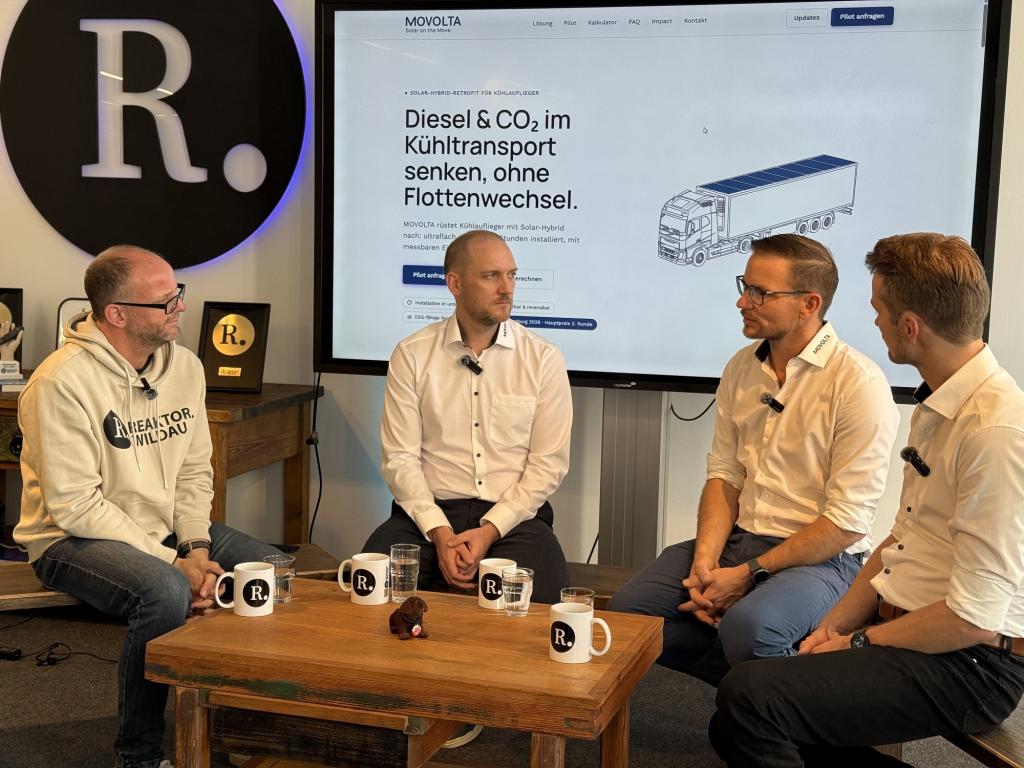
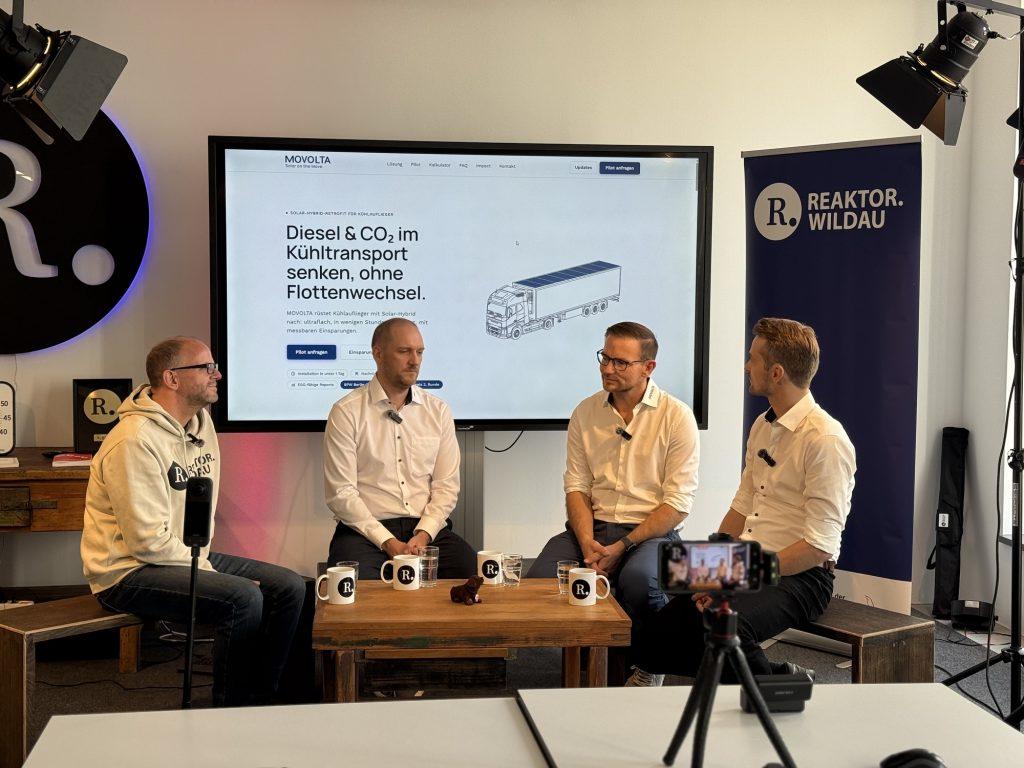
Rafael Kugel: Now, in the background of this picture, you can see the refrigerated trailer attached to the truck. That’s the one you’re using to get started, right?
Hanno Siemer: Exactly, that’s one of the first use cases. To put it simply: It’s a solar retrofit kit for refrigerated trucks. These trucks have a refrigeration unit that runs on diesel. We want to install a solar system on the trailer to power this unit and reduce diesel consumption.
Rafael Kugel: Is the refrigerated unit’s diesel consumption separate from the actual vehicle?
Christoph Sekura: Yes , it has its own tank and its own unit. It’s basically independent of the tractor unit. Sometimes you’ll see the tractor unit drive off, while the trailer stays parked somewhere on the side of the road and the refrigeration unit continues to run on its own. The diesel engine in this refrigeration unit actually runs only to generate electricity—which results in a huge loss of efficiency. In addition, the engine burns fuel relatively inefficiently because it doesn’t meet any Euro standards. We simply generate the electricity directly.
Rafael Kugel: I’ve often seen refrigerated trucks parked in front of houses at night—that’s relatively loud. Would that go away?
Joachim Ranzmeyer: In fact, by far the loudest part is this generator and the burning of diesel. When it runs purely on electricity, it’s significantly quieter. That confirms your assumption: The main source of noise comes from diesel operation.
Rafael Kugel: What does the product look like? Solar panels on the roof and then a battery?
Christoph Sekura: Exactly—the modules are mounted on the roof. We currently have a pallet box where we install our electronics, the battery, and the communication boards. That’s a very practical location, since Euro pallets are rarely stacked there these days.
Rafael Kugel: Is the system reversible? If the truck is scrapped, can you move the system to the next one?
Hanno Siemer: Yes, it’s reversible. That’s very important in the industry because we’re also targeting the market for leased and rental trailers.
Rafael Kugel: How is your team structured?
Christoph Sekura: We founded the company just under half a year ago. Hanno and I came up with the idea; Joachim joined us at the founding. We all know each other from our former employer.
Joachim Ranzmeyer: For me, that was a key reason for joining the team—because we feel comfortable working together and it’s just fun. In terms of our skills, we’re well-positioned: I’m an engineer who specializes in semiconductor physics and solar cells, and I’m responsible for the technical side.
Hanno Siemer: I’m probably the one responsible for scaling. I worked for ten years at Amazon in fulfillment and know how to quickly ramp up operational capacity.
Rafael Kugel: What have been the highlights and low points of your startup journey so far?
Christoph Sekura: The low point was a Friday afternoon. We’d put together our first technical setup, drove to a cooling unit manufacturer, fired up the unit—and our electronics immediately went into overload and shut down.
Rafael Kugel: So it was a quick test.
Christoph Sekura: Yes, a very short test. But we revised the setup, went back there two weeks later, and then the thing ran like a charm. That was the most positive moment of the last few months. You have to get out in the field, you have to build prototypes, and not spend too much time planning at your desk.
Rafael Kugel: How many customers do you have? Who are you looking for?
Joachim Ranzmeyer: We now have installations on vehicles provided to us by our anchor customer. The type certification is complete. The next step is to onboard more customers. We’re looking for refrigerated freight carriers with high diesel consumption, preferably in the food sector.
Rafael Kugel: Hardware is expensive. Do you need to finance that?
Hanno Siemer: Yes, we won’t get very far with bootstrapping. We’re looking for venture capital; we’re aiming for 500,000 euros.
Rafael Kugel: What should an investor bring to the table?
Joachim Ranzmeyer: We need someone who wants to grow with us. Ideally, it’s “smart money”—someone who brings a network to the table and is eager to support us.
Rafael Kugel: What would need to happen in two or three months for you to say, “That went great”?
Christoph Sekura: That we’ve collected good data, the system is running smoothly, and the customer is satisfied.
Joachim Ranzmeyer: And that we have at least LOIs (Letters of Intent) or orders, that funding is secured, and that we have a concrete idea for the next product generation.
Rafael Kugel: I’m really excited to see how this goes and I’m keeping my fingers crossed! We’ll meet again in a few months. Thanks, everyone!
The Founders: You’re very welcome—thank you!
If you’d like to read more from the series, you can find the first part about Boomerent!





Newsletter
Startups, stories and stats from the German startup ecosystem straight to your inbox. Subscribe with 2 clicks. Noice.
LinkedIn ConnectFYI: English edition available
Hello my friend, have you been stranded on the German edition of Startbase? At least your browser tells us, that you do not speak German - so maybe you would like to switch to the English edition instead?
FYI: Deutsche Edition verfügbar
Hallo mein Freund, du befindest dich auf der Englischen Edition der Startbase und laut deinem Browser sprichst du eigentlich auch Deutsch. Magst du die Sprache wechseln?