Don't just study. Take action. Why do students even launch startup initiatives?

When people think of Germany’s startup scene, the first things that come to mind are founders, funding rounds, and the next big business idea. But entrepreneurship actually begins much earlier—at universities and even in high school—in student communities and at events organized by students and high schoolers themselves.
How will the next Isar Aerospace emerge?
The Stifterverband’s latest Startup Radar shows just how much startup support at German universities has grown in recent years. In 2023 alone, 2,927 supported startups were registered at German universities, up from 2,779 in 2021. Of these, 1,184 were startups involving knowledge and technology transfer. Behind these figures lies a generation for whom entrepreneurship is becoming relevant at an increasingly early age.
A look at Munich reveals just how widespread student engagement actually is. At the Technical University of Munich alone, there are now more than 250 student initiatives. Their scope ranges from entrepreneurship and sustainability to social projects, technology, research, art, and culture.
The story of Isar Aerospace also shows that such engagement can lead to greater achievements later on: Co-founder Josef Fleischmann was already developing rocket systems at WARR while still a student before he founded the space company—now known as Isar Aerospace—together with two fellow students.
Gen Z Is Starting More Businesses
The KfW Startup Monitor 2026 paints a clear picture: In 2025, 40 percent of founders in Germany were younger than 30. In the early 2000s, this figure was still at 30 percent. More than one-fifth of young founders in 2025 even launched their businesses immediately after graduating from college. In total, KfW recorded approximately 690,000 new business founders in Germany for 2025.
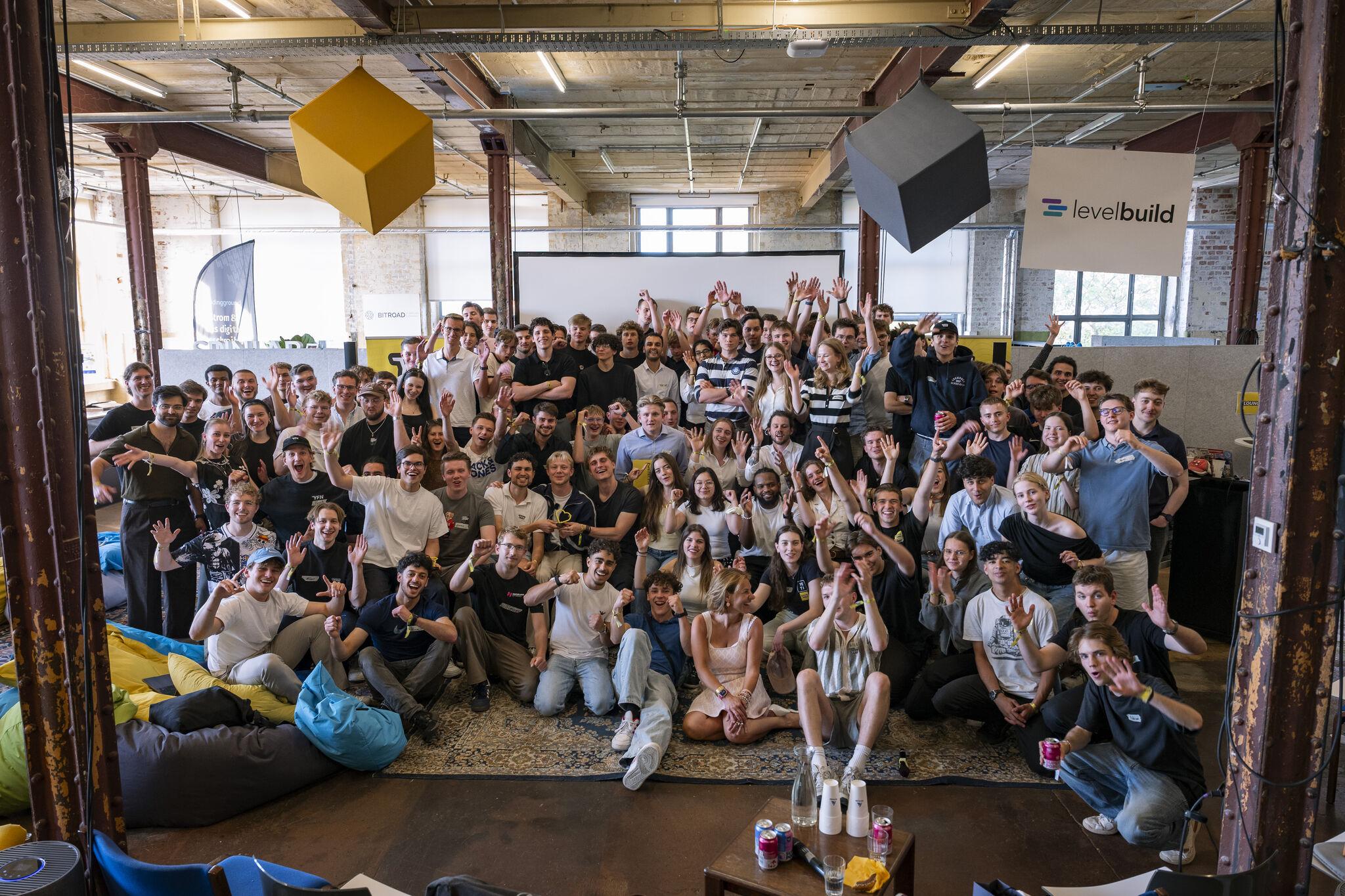
As a result, student organizations are turning universities and schools into crucial places where young people first come into contact with entrepreneurship. However, a startup culture does not emerge there solely through courses, entrepreneurship centers, or funding programs. Part of this culture is created by the students themselves. They organize pitch nights and ecosystem tours, bring students together with founders, venture capitalists, and companies, host workshops, or create spaces—such as the YFN Incubator for founders under 25—where an initial idea can evolve into a business model.
What makes this special is that the people behind these initiatives don’t necessarily have to have founded a company themselves. They get involved because they want to learn about entrepreneurship, take on responsibility, build networks, or simply make a difference together.
Doing, Not “Just” Studying
Organizing an event, securing partners, managing social media, leading teams, or putting together a conference with several hundred participants: In many places, student startup initiatives act as catalysts for hands-on experience.
In doing so, they offer something that’s hard to convey in a lecture hall: the opportunity to take responsibility for projects.
At the same time, networks form. Connecting with a founder during a fireside chat, an investor after a panel discussion, or other students at the next community event can be the starting point for an internship, a joint project, or—someday—even your own business.
Student startup initiatives complement institutional structures with something crucial: a community created by students for students. This is exactly where the Startup Magnet comes into play.
The People Who Make It Happen

Today, more than 50 startup initiatives in the DACH region are part of the Gründungsmagnet. These include organizations with a wide variety of focuses within the entrepreneurship ecosystem.
The basic idea behind it is simple: An initiative in Munich may face the same challenges as one in Berlin, Vienna, or Zurich. So why start from scratch every time? By sharing knowledge, contacts, and experiences, many local initiatives can come together to form a shared network and foster new collaborations.
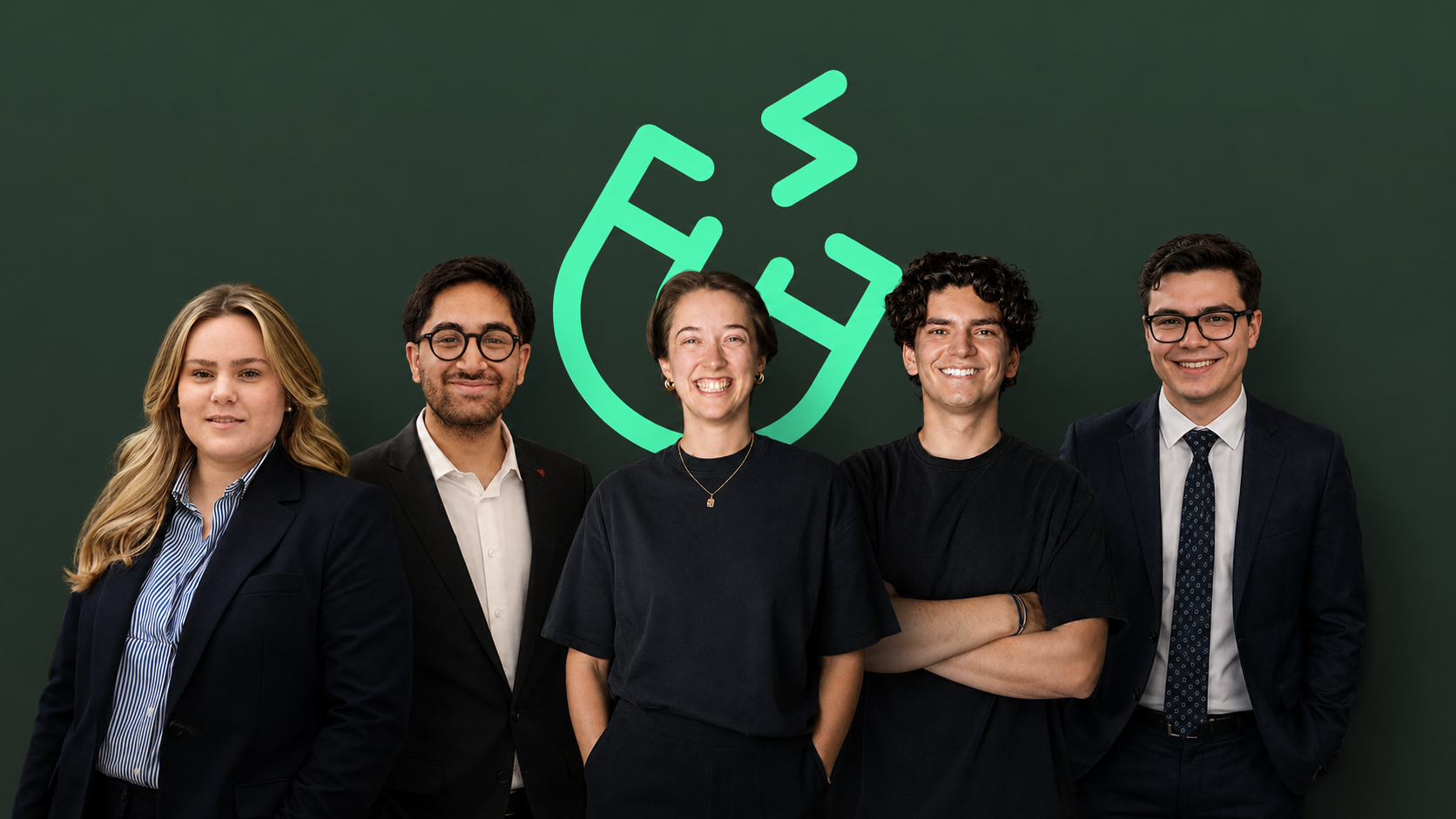
But what drives the people who are committed to this cause? To find out, we spoke with Luca Mittermaier, 1st Chair of Gründungsmagnet, and Alexandra Bethke, 2nd Chair. Both serve as volunteers on the umbrella organization’s board.
Why are you personally committed to student startup initiatives?
Luca Mittermaier: “The community makes all the difference. The strongest impetus often comes from an inspiring environment where people support and motivate one another.”
Alexandra Bethke: “That’s exactly where interest turns into enthusiasm. We bring people together who don’t just want to discuss ideas, but actually want to put them into action. That energy still inspires me to this day.”
What can students learn through this involvement that a traditional degree program cannot teach them?
Luca Mittermaier: “Through their network and with programs like incubators or hackathons, they show that getting things done is often much easier than you’d think. These startup initiatives deserve a bigger stage.”
Alexandra Bethke: “In an initiative, you suddenly take on responsibility, build projects from scratch, work as a team, and realize that things don’t always have to work on the first try. No lecture hall can replace this kind of learning by doing.”
Why is there a need for an umbrella organization for student startup initiatives in the DACH region?
Luca Mittermaier:“It’s the place where young founders, startup supporters, university initiatives, and doers from all over Germany can network, exchange ideas, and shape the future together.”
Alexandra Bethke:“Together, we can achieve more. When initiatives share knowledge and experiences, learn from one another, and connect their networks, new collaborations and opportunities emerge that strengthen the entire startup ecosystem.”
And what would you say to students who are considering joining a startup initiative themselves?
Luca Mittermaier: “Risk and uncertainty teach us courage and confidence. That’s exactly why young people should take on responsibility and risks early on—as they learn to do, for example, in student startup initiatives or incubators.”
Alexandra Bethke: “Just go for it. A single event, an encounter, or joining an initiative can open doors you didn’t even know existed.”
Stronger Together
Perhaps that’s why the significance of student startup initiatives can’t be measured solely by how many startups emerge directly from them.
It’s also about the student giving a pitch for the first time. About the student who suddenly finds herself leading a team. And about the connections and friendships that last far beyond college.
At the same time, the numbers show why this engagement matters: Young people today account for a significant portion of Germany’s startup scene, and university-based startups are on the rise.
The next generation of founders, therefore, does not emerge only upon entry into the commercial register. It emerges where young people first experience that they themselves can build something and bring about change.
A culture of entrepreneurship doesn’t emerge on its own. It is created by the people who are committed to it. Stronger together.






Newsletter
Startups, stories and stats from the German startup ecosystem straight to your inbox. Subscribe with 2 clicks. Noice.
LinkedIn ConnectFYI: English edition available
Hello my friend, have you been stranded on the German edition of Startbase? At least your browser tells us, that you do not speak German - so maybe you would like to switch to the English edition instead?
FYI: Deutsche Edition verfügbar
Hallo mein Freund, du befindest dich auf der Englischen Edition der Startbase und laut deinem Browser sprichst du eigentlich auch Deutsch. Magst du die Sprache wechseln?