From the Classroom to the Cap Table: How Innovis VC Is Shaping Munich’s Next Generation of Venture Capital

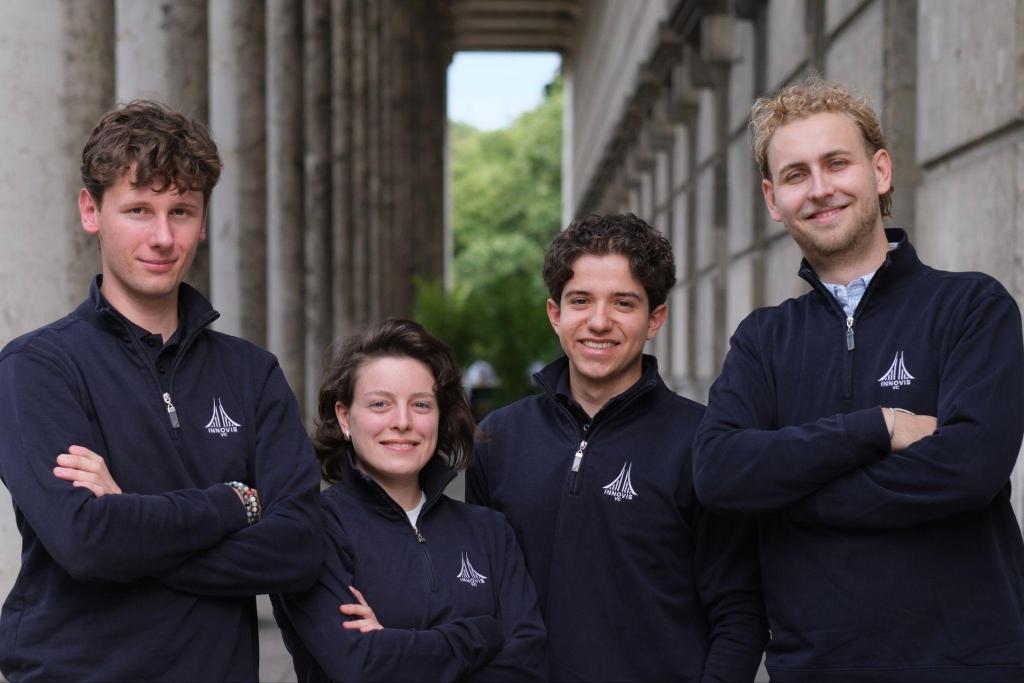
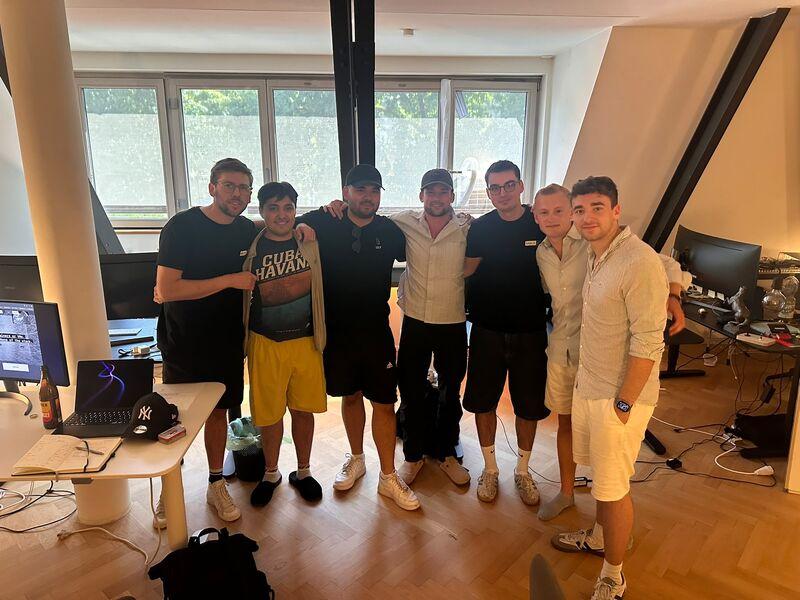
Guest Post: Gründungsmagnet - Five years ago, Innovis VC began as a small student project in Munich. Since then, the organization has grown into a European network with nine hubs, and the Munich Hub—the one that started it all—remains one of the largest and most active. Here’s an update on what the founding hub has been working on over the past two semesters.
An Update on the Past Two Semesters from the Munich Hub
Innovis VC was founded in Munich in March 2020 as a student club focused on venture capital. Today it operates across nine hubs in Europe, with roughly 400 active members and more than 950 students who have participated in its programs since its founding. Munich remains the founding hub and one of the largest in the network.
Members join through the Analyst Academy, an onboarding program that trains them in sourcing and evaluating startups from the ground up. From there, they move into the hands-on side of the organization: weekly deal meetings, due diligence work, and direct exposure to the funds and startups in their respective city’s ecosystem. The core idea has remained consistent since 2020: students shouldn’t just learn about venture capital in theory; they should get close enough to it to actually practice it.
Office Visits and Sourcing
Over the past two semesters, the Hub has visited the offices of funds and startups, including Picus Capital, Burda Principal Investments, and CDTM Ventures, among others. These visits are a core part of the program: members get to observe firsthand how a fund or founding team actually makes decisions, rather than just hearing about it secondhand.
Alongside these visits, sourcing remains one of the Hub’s core activities. Members source and evaluate startups on an ongoing basis throughout the semester, discussing and voting on promising leads much like an investment team would in a partner meeting. This semester, that work resulted in 158 sourcing opportunities, 81 of which were passed on to partner funds for further review, ensuring that the Hub remains a genuinely useful sourcing channel for the funds it works with—not just a place to discuss deals.
VC Arena
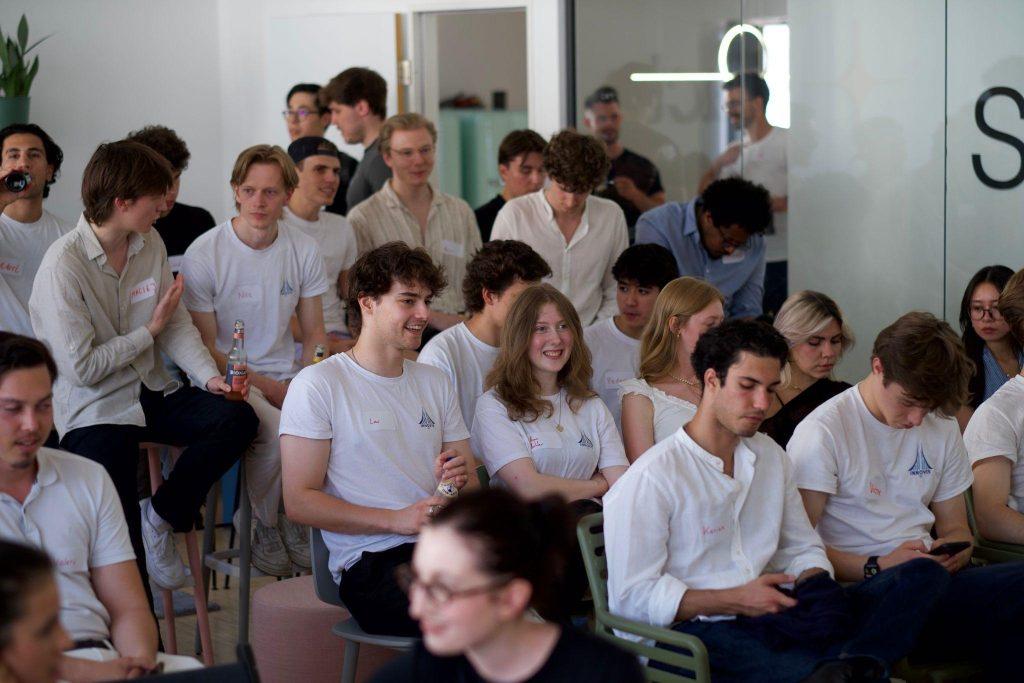
This year, the Munich Team launched the VC Arena, its own startup pitching competition. Founders pitch live in front of a jury composed of investors from the Hub’s partner funds, and members are directly involved in organizing and running the event from start to finish—from selecting startups to coordinating the jury.
The VC Arena has been held three times so far: in November 2025, January 2026, and June 2026, and the list of participating funds has grown with each edition—from Earlybird and Picus Capital in the first round to UVC Partners, Ulmani Ventures, Venture Stars, Matterwave Ventures, Ventech, Senovo, Freiraum Ventures, and UnternehmerTUM joining in the following two. For members, it’s a chance to witness evaluation and deal decisions in real time, and for the Hub, it has become one of the clearest ways to showcase the caliber of startups and students moving through the community.
First Innovis Offsite
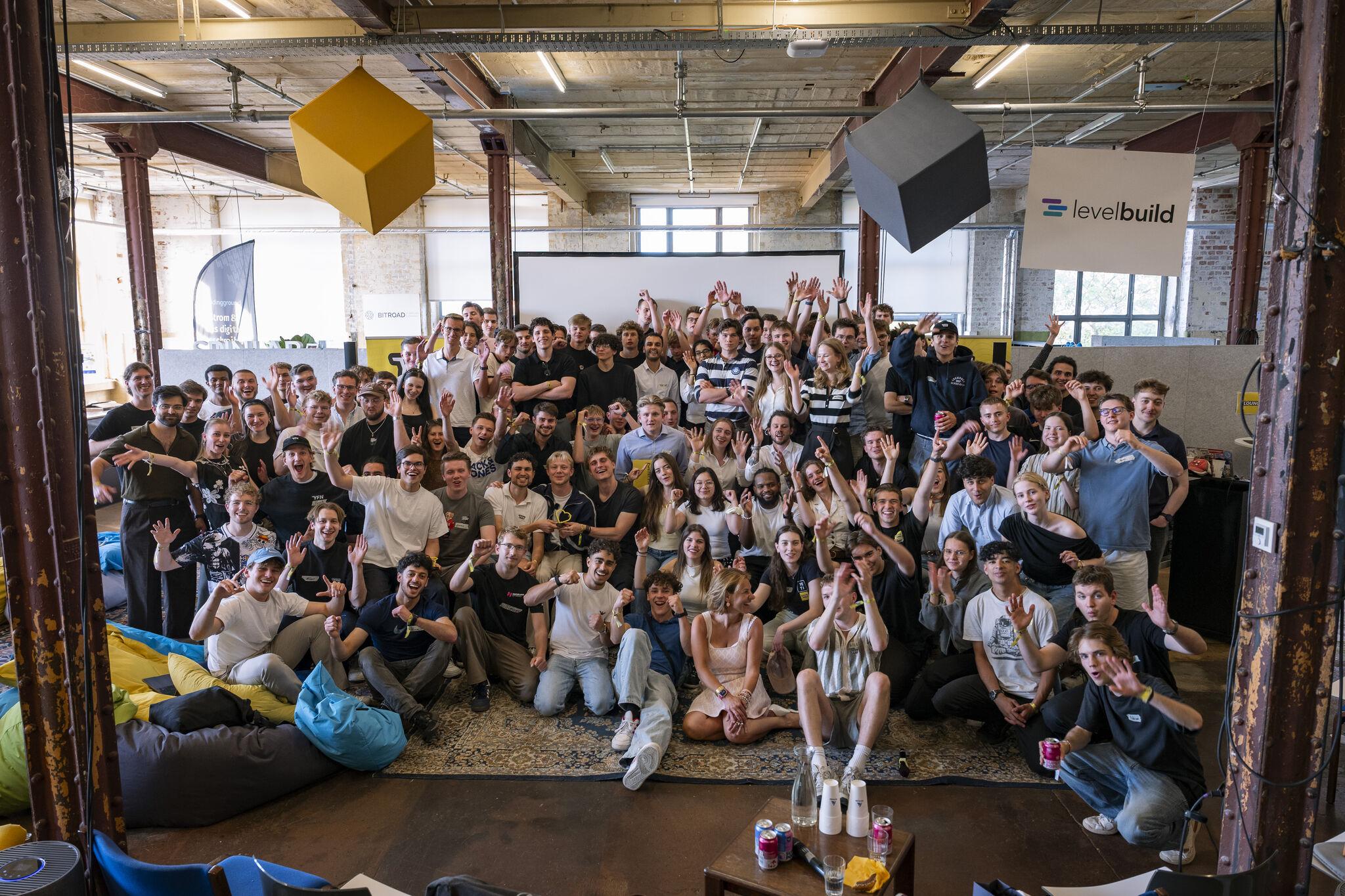
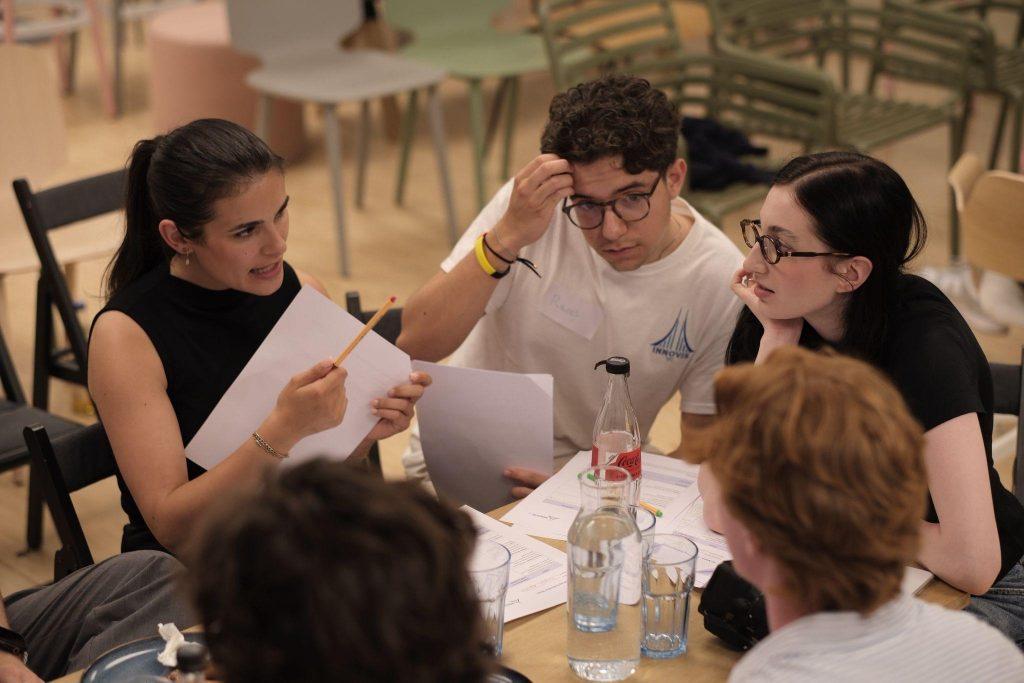
In May 2026, the Munich Hub held its first-ever offsite: a weekend outside Munich for the wider community, combining a hands-on workshop on cap tables with time to connect beyond the usual weekly sessions. It was the first event of its kind for the Hub, and the team plans to repeat and build on this format going forward.
Startup Consulting
Alongside their work with funds, they also take on consulting-style projects directly for startups, covering areas such as market sizing, competitive analysis, and business model questions. Project teams approach the work the way an internal strategy or investment team would, giving members the chance to apply what they’ve learned to a real company and a real deliverable rather than a case study.
Where This Is Headed
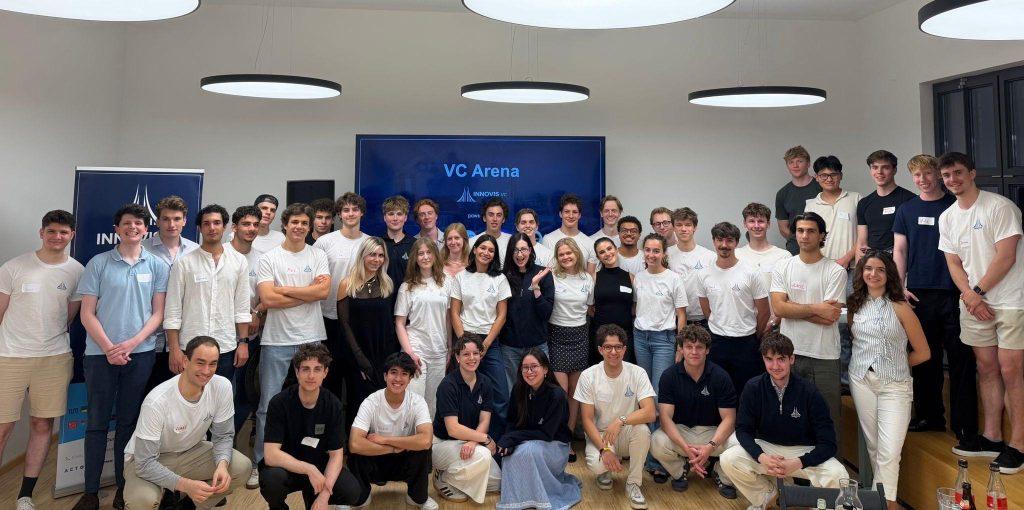
None of this changes what Innovis VC set out to do from the start: give students genuine, hands-on access to venture capital—not just a club that talks about it from the sidelines. What has changed is the range of ways members now gain that access—through sourcing and due diligence for partner funds, through formats like VC Arena that our Hub has developed itself, and increasingly through direct work with startups. As the network of hubs across Europe continues to grow, Munich’s role as the founding hub is to keep pushing the boundaries of what that access can look like.
Looking ahead, the plan is to host additional editions of VC Arena, hold a second offsite, and establish regular alumni events to keep the growing network of former members connected to current developments. The first alumni meetup took place in July; the next is scheduled for January.
Thank you to everyone who has been part of this so far. On to what’s next.








Newsletter
Startups, stories and stats from the German startup ecosystem straight to your inbox. Subscribe with 2 clicks. Noice.
LinkedIn ConnectFYI: English edition available
Hello my friend, have you been stranded on the German edition of Startbase? At least your browser tells us, that you do not speak German - so maybe you would like to switch to the English edition instead?
FYI: Deutsche Edition verfügbar
Hallo mein Freund, du befindest dich auf der Englischen Edition der Startbase und laut deinem Browser sprichst du eigentlich auch Deutsch. Magst du die Sprache wechseln?