Sona8: What Companies Don't Know About Themselves

A new process may be fully implemented on paper, while the teams have long since gone back to using their old checklists. Maybe a feature is missing. Maybe the workflow doesn’t work at a particular location. If you want to know what’s really going on, you have to ask the people who work with it every day.
Anton Hantel and Thilo Tamme are familiar with this task from their consulting work. They’ve interviewed employees themselves and developed recommendations based on those conversations. But it remained unclear what the people who weren’t on the interview list might have said. With Sona8 , they aim to conduct such conversations at scale and stay on top of things even during implementation.
From Interview to Implementation
Employees receive a link and speak with a voice agent about their daily work. They describe processes in their own words. If someone mentions a workaround, the agent asks: What information is missing? Who has to step in? Why is a step still being done manually?
Sona8 uses this information to create process maps and a prioritized overview of pain points by team and location. The platform is designed for transformation and strategy teams, consulting firms, and private equity firms. After a rollout, the agent can follow up to ask what has changed. This helps project managers recognize when a measure merely shifts the problem to another team.
Participation is voluntary. A conversation with AI does not automatically guarantee openness. For the team, therefore, data protection, employee participation, and security are integral parts of the product. Employees must understand who can see their statements and how they will be used.
Building a Company from Consulting
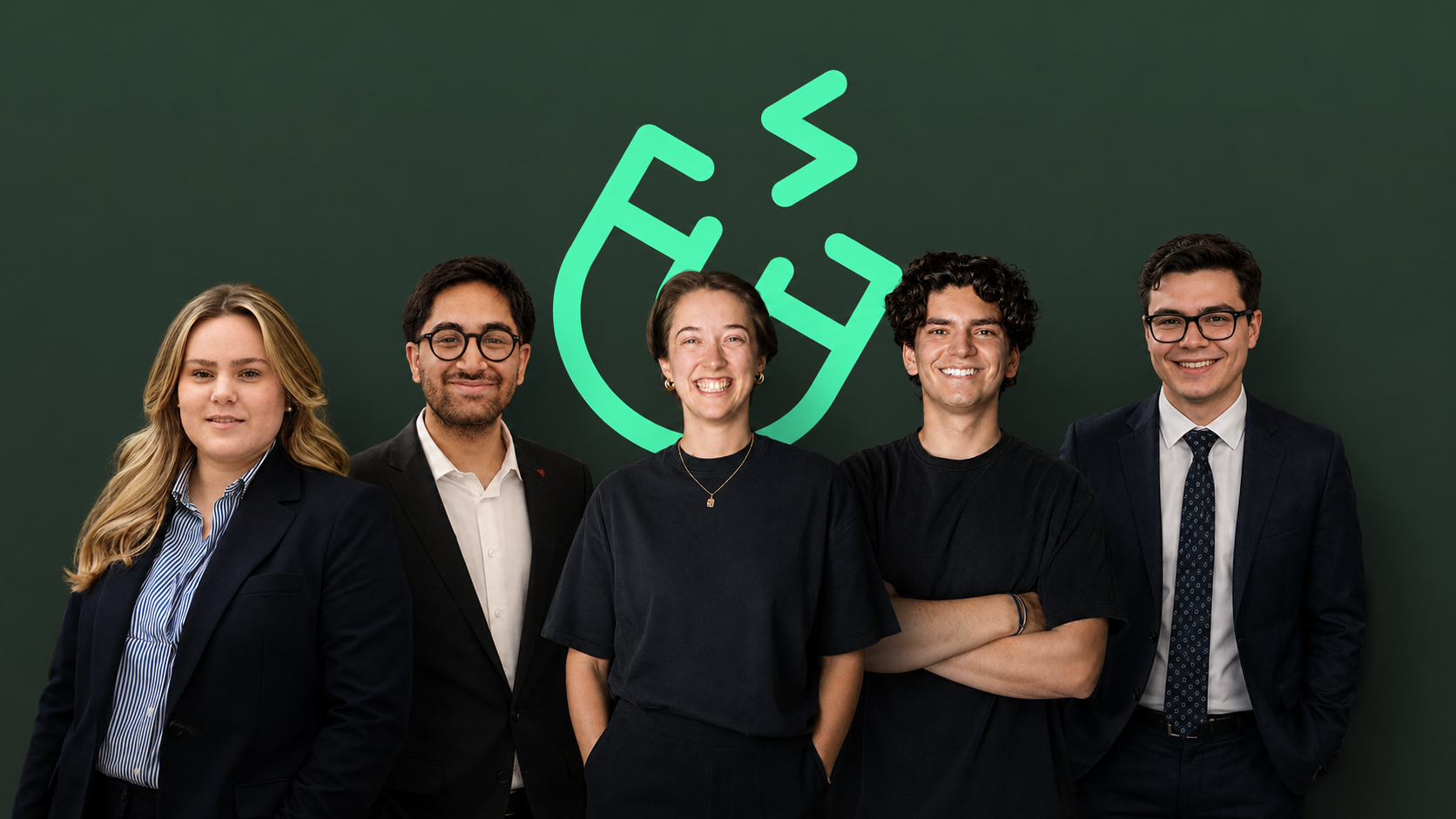
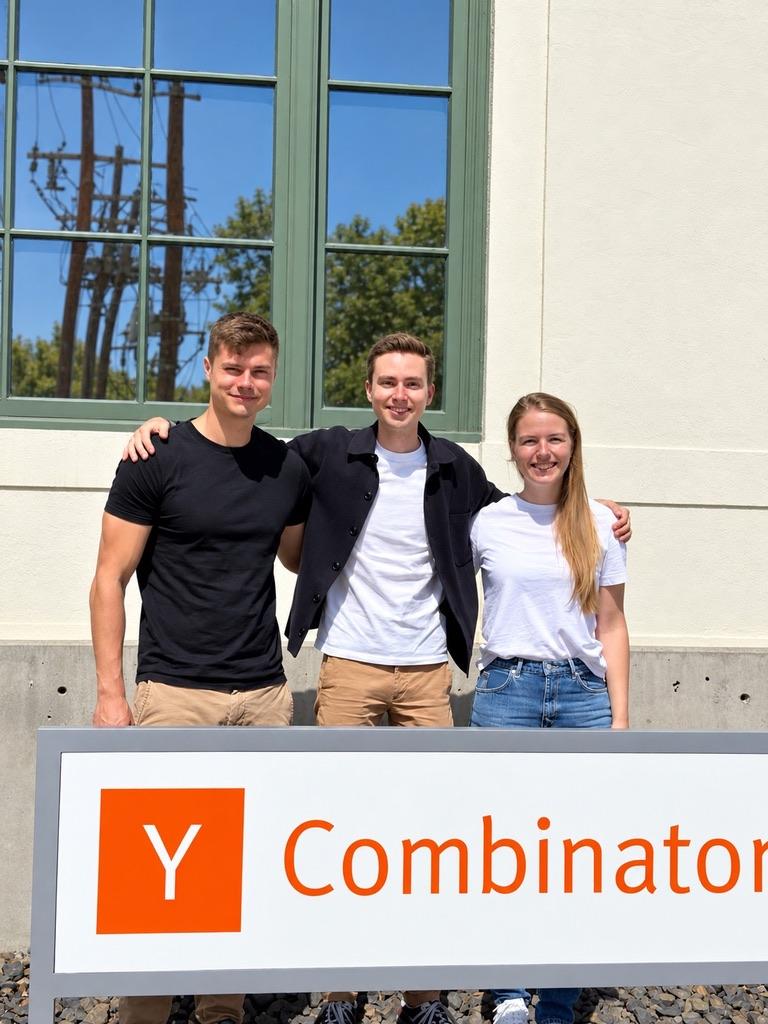
Anton grew up in Munich and the surrounding area. After BCG, he began an MBA at MIT. Thilo studied at TUM, worked at BCG X, and conducted research on conversational AI at TUM. Initially, the two built Sona8 alongside their studies and doctoral work. When the first pilot projects got underway, they decided to dedicate themselves to the company full-time. Anton dropped out of the MBA program, and Thilo withdrew from his doctoral program.
As CEO, Anton focuses on sales and also handles fundraising. He has built relationships with investors and accelerators, including Y Combinator. Together with Thilo, he is also working on papers on AI voice and organizational intelligence in the field of information systems. A joint paper with additional authors was published at the European Conference on Information Systems.
Thilo works as CPO on the product and iterates on it in direct collaboration with the pilot partners. The third co-founder is Madeleine Malmsten. The Swedish native was an AI engineer at QuantumBlack, McKinsey’s AI unit, and is now CTO of Sona8. She actively contributes to product development and brings experience in developing software and AI for large corporations.
Today, the team is based in San Francisco and is part of Y Combinator’s Fall Batch 2026. For the team, speed and access to capital are top priorities there. Germany remains an important market, thanks to its early customers and contacts from their consulting days.

Madeleine and Jakob are building the product
Jakob joined the team early on and, as a founding engineer, built Sona8’s first platform. He also studied at TUM, graduated with a bachelor’s degree as the top student in his class, and brings experience from Volkswagen’s Group IT, where he worked on systems for vehicle production. Today, he works with Madeleine on the product and is responsible for the platform, from architecture to deployment.
He is responsible for the AI engineering behind it all, from the agent’s voice models to the analysis of the conversations. When many interviews are summarized, the crucial details can easily get lost. What blocks a process at one location might barely show up in an overview of the most common topics.
Jakob designed the analysis so that such insights are preserved through every stage of the evaluation, rather than letting frequency determine what reaches management. The findings show where a problem lies, who it affects, and under what conditions it occurs. Simply condensing many transcripts into a shorter text isn’t enough to achieve this.
The Long-Term Vision Behind Sona8
The long-term vision goes beyond the current product: the goal is to create a “Live Map” of the company based on conversations and information from existing tools. The idea behind this is that every major decision is a choice between alternatives. Which ones you see depends on your context. Sona8 aims to bring the insights from day-to-day work to the decision-making table and keep them constantly up to date.
Sona8 is designed to filter out and organize the relevant insights for a specific question. Transformation, strategy, and consulting teams could use it to evaluate alternatives instead of first having to piece together the same context from scratch. The goal is to move more quickly from analysis to implementation with smaller teams.
This vision also includes a synthetic layer designed to model employees’ perspectives and interdependencies. Teams could use it to assess the potential consequences of their options for different locations before a rollout. Whether the assumptions are correct would then become apparent during implementation.
In the long term, this map could also serve as a context layer for AI agents. An agent would consult it to see how a process currently operates, who is involved, and why certain exceptions exist before making any changes. Sona8 aims to become the place where this knowledge remains accessible. The starting point is the people who already possess it today.

Newsletter
Startups, stories and stats from the German startup ecosystem straight to your inbox. Subscribe with 2 clicks. Noice.
LinkedIn ConnectFYI: English edition available
Hello my friend, have you been stranded on the German edition of Startbase? At least your browser tells us, that you do not speak German - so maybe you would like to switch to the English edition instead?
FYI: Deutsche Edition verfügbar
Hallo mein Freund, du befindest dich auf der Englischen Edition der Startbase und laut deinem Browser sprichst du eigentlich auch Deutsch. Magst du die Sprache wechseln?