Federal Government Launches 330-Million-Euro Competition for New High-Tech Locations


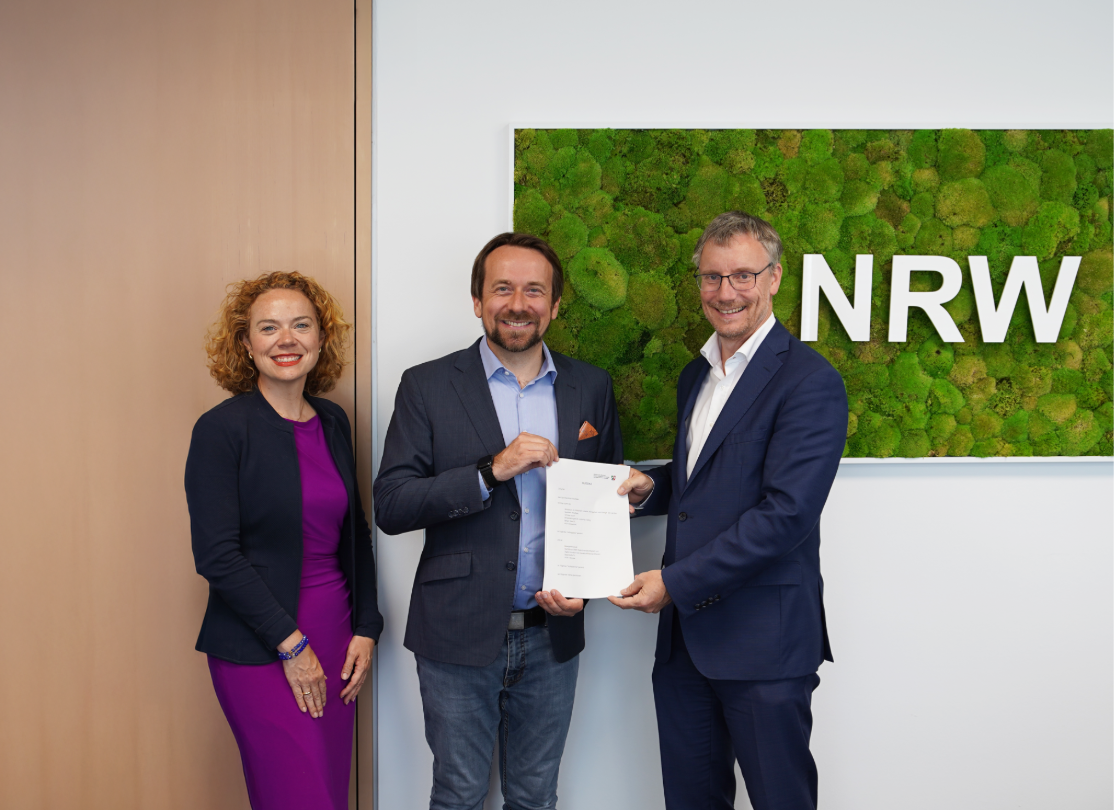
The Federal Ministry of Research, Technology, and Space (BMFTR) is launching a competition for so-called “High-Tech Spaces.” Up to four regions in Germany are to be developed into internationally recognized centers for future technologies. The federal government is providing a total of up to 330 million euros for this purpose. However, this requires substantial additional investments from companies and public partners.
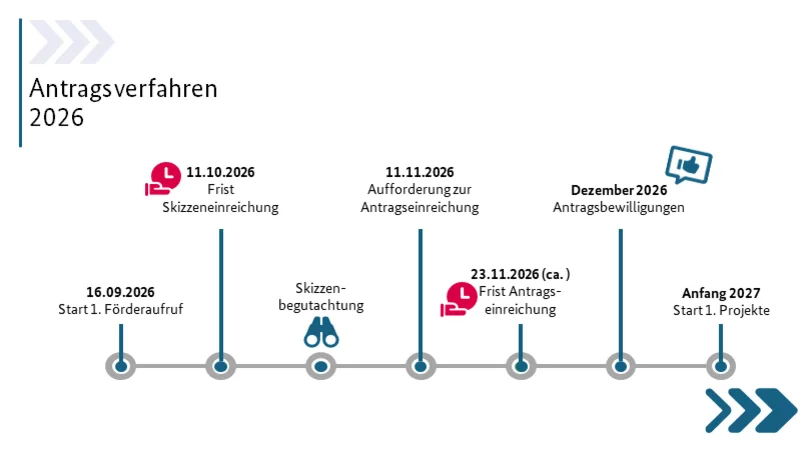
The High-Tech Spaces are part of the High-Tech Agenda for Germany and are intended to foster closer regional collaboration among research institutions, startups, established industry, universities, and public sector actors. Interested consortia can express their interest in the competition by November 10, 2026. The complete proposals must be submitted by February 19, 2027.
Up to four High-Tech Spaces in Germany
With this program, the federal government is deliberately focusing on regional innovation ecosystems. Instead of building new structures entirely from scratch, the High-Tech Spaces are to be established where specialized scientific and industrial expertise already exists.
These strengths are to be pooled and further developed. Companies, startups, universities, and research institutions are to jointly develop and test technologies and bring them to market more quickly.
At the same time, state and local governments are to be involved to create better framework conditions for innovation at the local level. This explicitly includes addressing how procedures can be simplified and regulatory or administrative barriers removed. Successful approaches are then intended to serve as models for other regions in Germany.
330 million euros combined with additional private capital
The BMFTR is providing up to 330 million euros for the High-Tech Spaces initiative. However, federal funding alone is not sufficient for a successful application.
The program explicitly requires strategic engagement from private actors as well as the states and other levels of government. Over the entire duration of the program, private partners—in some cases together with the states—are expected to at least double the federal funding through their own investments. Regional consortia are sought that, in addition to scientific excellence, can also mobilize companies and capital for their strategy.
Research Should Be Transformed into Businesses and Products More Quickly
A core problem of the German innovation system is not necessarily a lack of good research. The challenge often lies in the transfer of research from universities and research institutions into marketable products and companies.
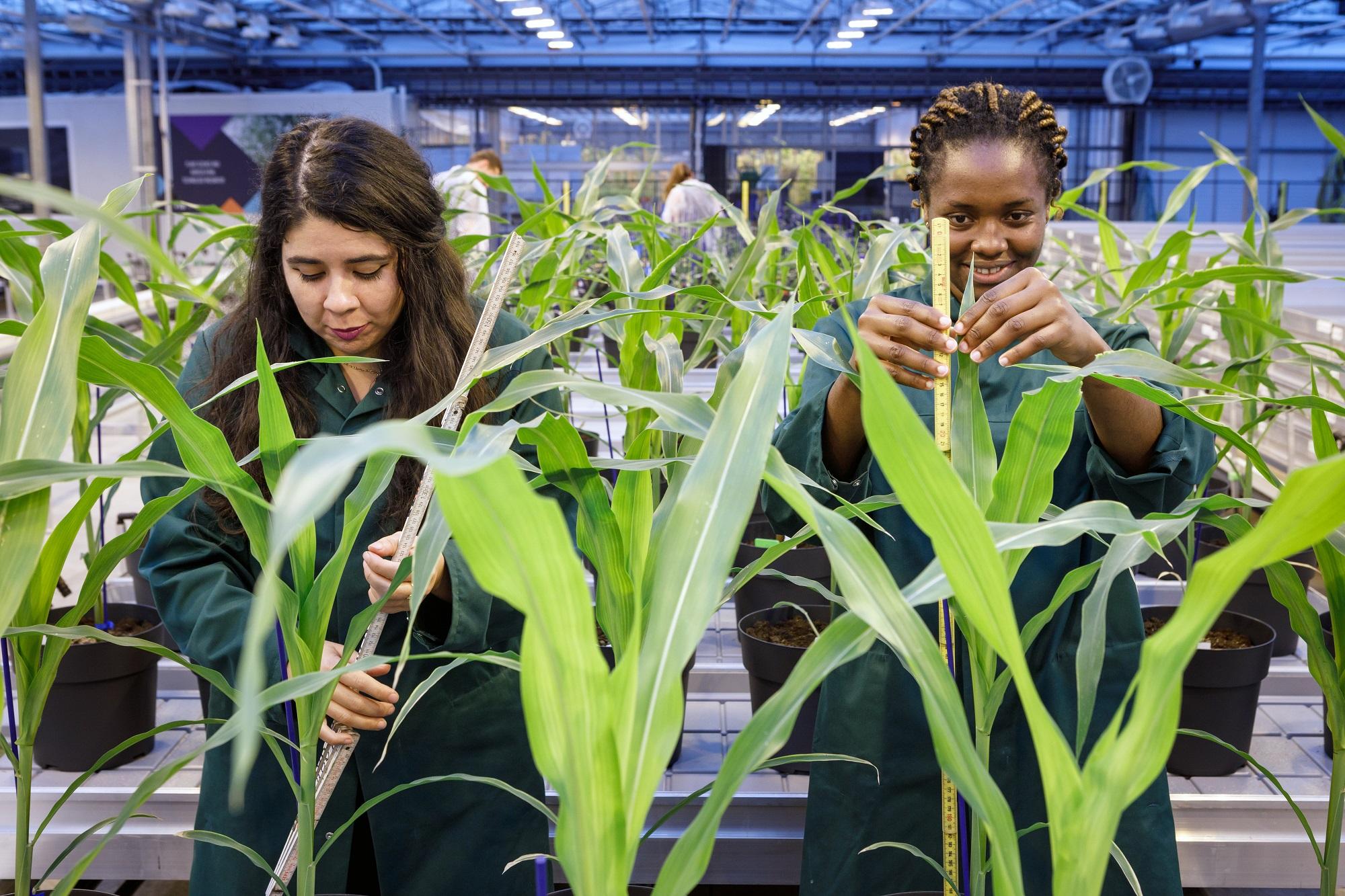
This is precisely where the High-Tech Spaces are intended to come into play. Science and industry should collaborate more closely—both spatially and organizationally—to test technologies more quickly, facilitate spin-offs, and bring new business models to market.
For startups, this could lead to the creation of regional ecosystems that connect research infrastructure, industry partners, and public stakeholders. Such access can be crucial, particularly for capital- and research-intensive deep-tech companies.
Call for proposals open until February 2027
Selection will take place through a multi-stage process. Interested consortia must first express their interest in participating by November 10, 2026.
They will then have until February 19, 2027, to submit a joint strategy. An independent jury will evaluate the proposals. The decision on the up to four winners is scheduled for the second quarter of 2027.
The selected High-Tech Spaces will then receive support in implementing their strategies from 2027 to 2031.
Competition Among Regions for the Best High-Tech Ecosystems
With the High-Tech Spaces initiative, the federal government is not only establishing another funding pool but is also sparking competition among Germany’s innovation regions.
A key factor is likely to be which locations can already demonstrate a compelling combination of cutting-edge research, startups, industry, capital, and political support. This is because the requirement for significant additional investment means that a scientifically compelling application alone is unlikely to suffice.
The exciting question, therefore, will be which regions manage to actually combine their existing individual strengths into a shared ecosystem. With up to 330 million euros in federal funding and at least as much in complementary investments, the stakes are high—and, in the long term, this will determine where in Germany new centers for deep tech and industrial innovation will emerge.

Newsletter
Startups, stories and stats from the German startup ecosystem straight to your inbox. Subscribe with 2 clicks. Noice.
LinkedIn ConnectFYI: English edition available
Hello my friend, have you been stranded on the German edition of Startbase? At least your browser tells us, that you do not speak German - so maybe you would like to switch to the English edition instead?
FYI: Deutsche Edition verfügbar
Hallo mein Freund, du befindest dich auf der Englischen Edition der Startbase und laut deinem Browser sprichst du eigentlich auch Deutsch. Magst du die Sprache wechseln?