VisionSpace Receives Over 300,000 Euros in Funding for Its Own Satellite Computer

The Darmstadt-based aerospace company VisionSpace Technologies is receiving more than 300,000 euros in research grants to develop its own onboard computer for satellites. The Research Grant Certification Office has recognized the company’s research and development work as eligible for funding. VisionSpace was supported throughout the process by re:fund, a consulting firm specializing in research grants.
For VisionSpace, the project represents more than just the development of a single hardware component. The company, which originally specialized in software for satellite operations, has thus expanded its business into hardware. The research work has also led to a new focus in the area of cybersecurity.
From Software Company to Hardware Developer
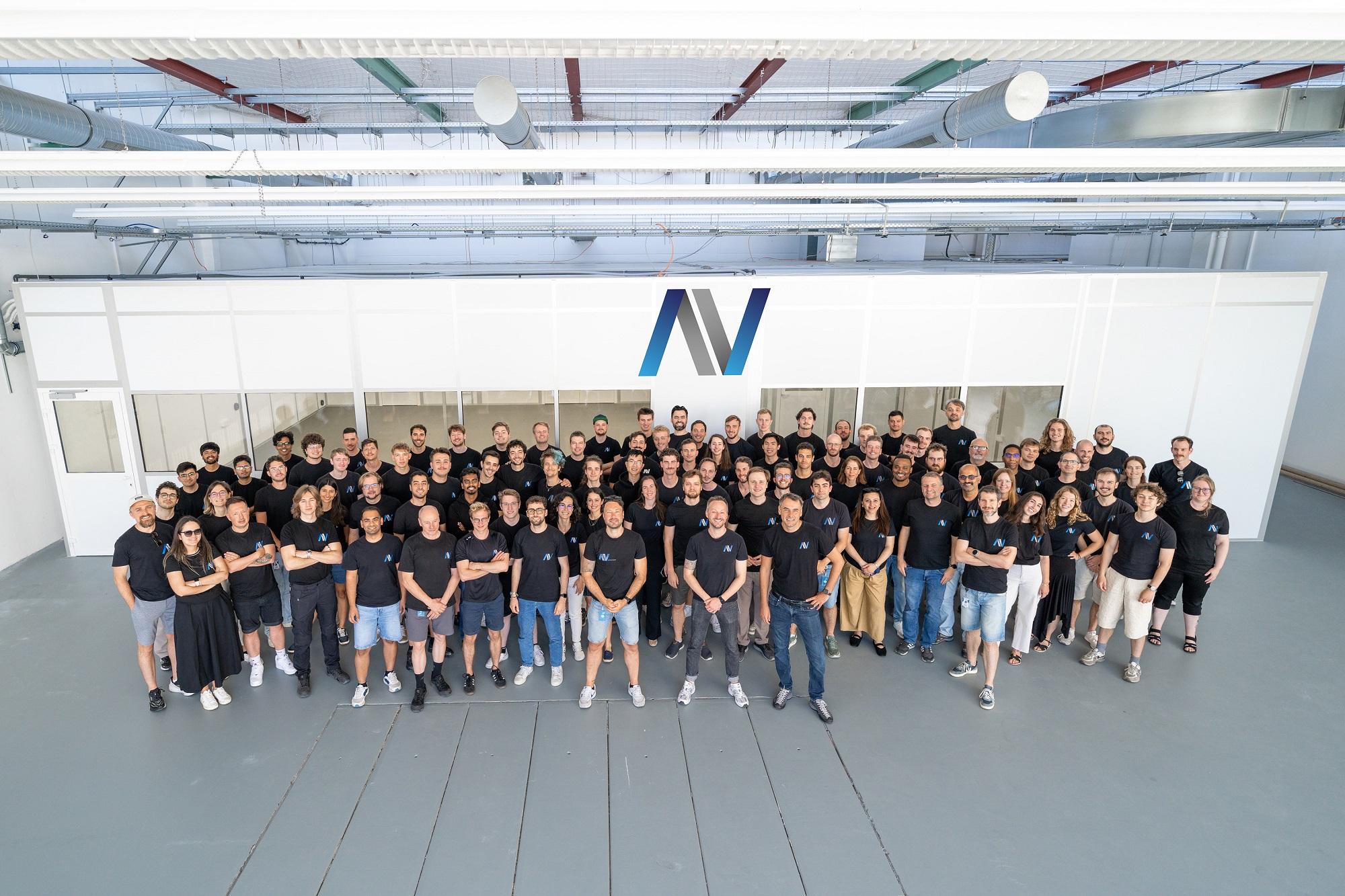
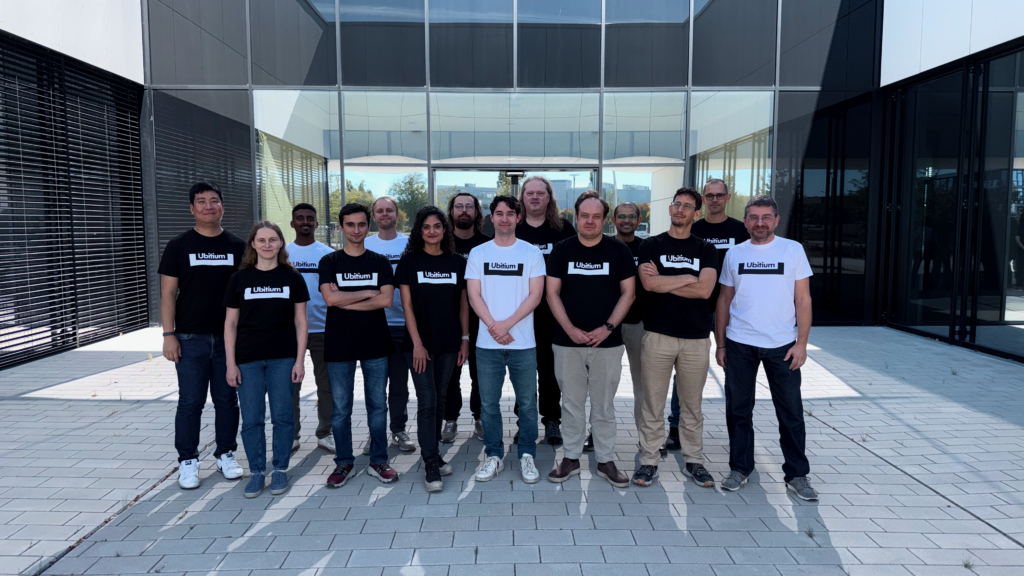
VisionSpace was founded in 2011 by Tiago Carvalho and Miguel Lordelo. Both have many years of experience working with the European Space Agency (ESA). The company’s headquarters are located in Darmstadt, in close proximity to ESA’s control center, ESOC. It also has offices in Figueira da Foz, Portugal, and, since 2024, in Madrid.
Originally, VisionSpace focused on software for satellite operations. This includes, in particular, mission control systems and simulators used to prepare satellites for deployment. According to the company, its clients include ESA, EUMETSAT, Telespazio, and Starion, among others.
However, alongside its contract work, the company began its own research and development projects. One of these led VisionSpace to venture into hardware for the first time, moving beyond pure software development.
A Computer for Extreme Conditions in Orbit
The company developed its own onboard computer for satellites. Put simply, it is a circuit board that performs tasks similar to those of a computer’s motherboard on Earth, but under significantly more challenging conditions.
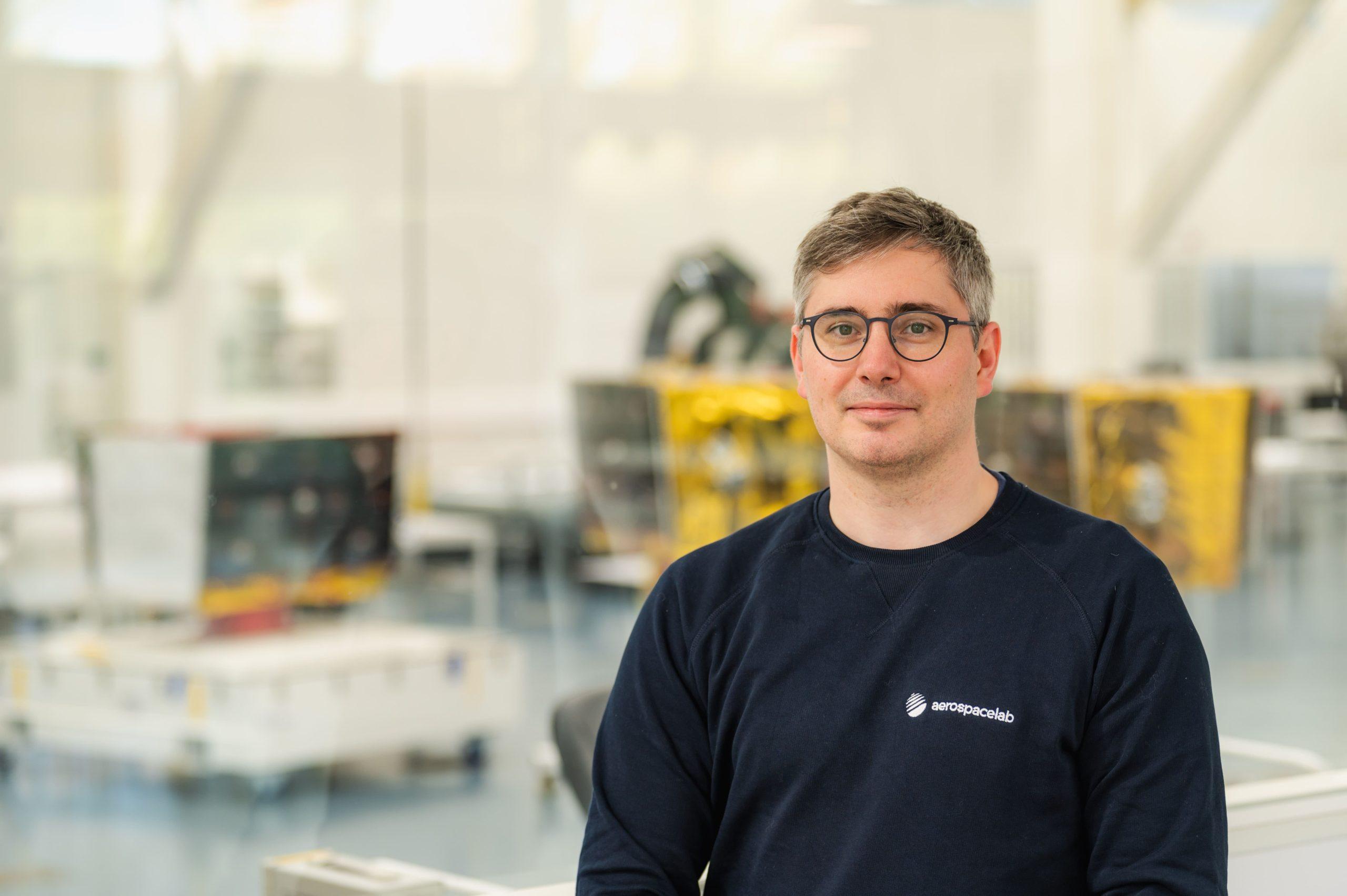
The big challenge for us was to move from the standard boards used on the ground to something that would function in space and survive there for many months or for the entire duration of the mission.
Tiago Carvalho, CEO of Visionspace
Among other things, the hardware must withstand radiation, extreme temperature fluctuations, and the vibrations during a rocket launch. At the same time, it must function reliably for months or even the entire duration of a mission. Repairs in orbit are generally not possible. VisionSpace therefore had to develop both the hardware and the associated software.
More than 300,000 euros through the research grant
The development is supported by the federal government’s research tax credit. VisionSpace is receiving more than 300,000 euros for this purpose.
This tax incentive is available to companies regardless of industry or profit situation and is intended to offset a portion of research and development costs. The application process consists of two stages: First, the Research Tax Credit Certification Office assesses whether a project meets the requirements for research and development. Subsequently, the tax assessment is carried out by the responsible tax office.
For VisionSpace, this required separating development work spanning several years, documenting technical uncertainties, and providing verifiable evidence of the expenses incurred. re:fund supported the company in structuring and documenting the grant application.
The Satellite Computer Gave Rise to a Cybersecurity Business
The development of the onboard computer also had strategic implications for VisionSpace. While working with the hardware, the team delved deeper into the various communication protocols used within satellites and, in the process, identified opportunities for additional security mechanisms.
This led to the creation of a dedicated cybersecurity division.
“This program allowed us to realign the company,” says Carvalho. VisionSpace transitioned from a purely software-driven business to developing its own hardware. At the same time, this laid the groundwork for cybersecurity.
According to the company, it now collaborates in this area with, among others, the European Commission and NATO.
In-House Research Transforms the Business Model
The case also illustrates the role that government research funding can play, particularly in technologically risky developments. VisionSpace initially launched the project without specific clients and using its own funds. Government support came only later. New products and business areas have since emerged from this internal development project. The results of the funded project are now part of the product portfolio and, according to the company, are in demand from external organizations.
VisionSpace intends to continue its own research and development work accordingly. In the future, the focus will be on three areas: satellite operations, cybersecurity, and artificial intelligence.

Newsletter
Startups, stories and stats from the German startup ecosystem straight to your inbox. Subscribe with 2 clicks. Noice.
LinkedIn ConnectFYI: English edition available
Hello my friend, have you been stranded on the German edition of Startbase? At least your browser tells us, that you do not speak German - so maybe you would like to switch to the English edition instead?
FYI: Deutsche Edition verfügbar
Hallo mein Freund, du befindest dich auf der Englischen Edition der Startbase und laut deinem Browser sprichst du eigentlich auch Deutsch. Magst du die Sprache wechseln?