Academic Entrepreneurship Monitor 2025/26: Academic spin-offs are placing greater emphasis on innovation and AI


Startups originating from universities and research institutions are particularly innovation-oriented, internationally focused, and engage more intensively with artificial intelligence. This is shown by the preliminary findings of the Academic Entrepreneurship Monitor 2025/26. There are also significant differences from other startups in terms of motivations for founding a business and the use of advisory services.
Academic spin-offs play a special role in the German startup ecosystem. As the preliminary results of the Academic Entrepreneurship Monitor 2025/26 show, founders from universities and research institutions differ significantly from the general population of founders in several areas. Particularly striking are their stronger focus on innovation, their international orientation, and the importance of artificial intelligence.
The study is based on data from the Global Entrepreneurship Monitor (GEM), which has been tracking startup activity in numerous countries since 1999. For Germany, the survey is conducted by the RKW Kompetenzzentrum in collaboration with the Johann Heinrich von Thünen Institute on behalf of the Federal Ministry for Economic Affairs and Energy.
According to the latest findings, 2.6 percent of the German population reports having already founded a company originating from a university or research institution or planning to do so. The aim is to commercially exploit at least part of the knowledge generated through scientific research.
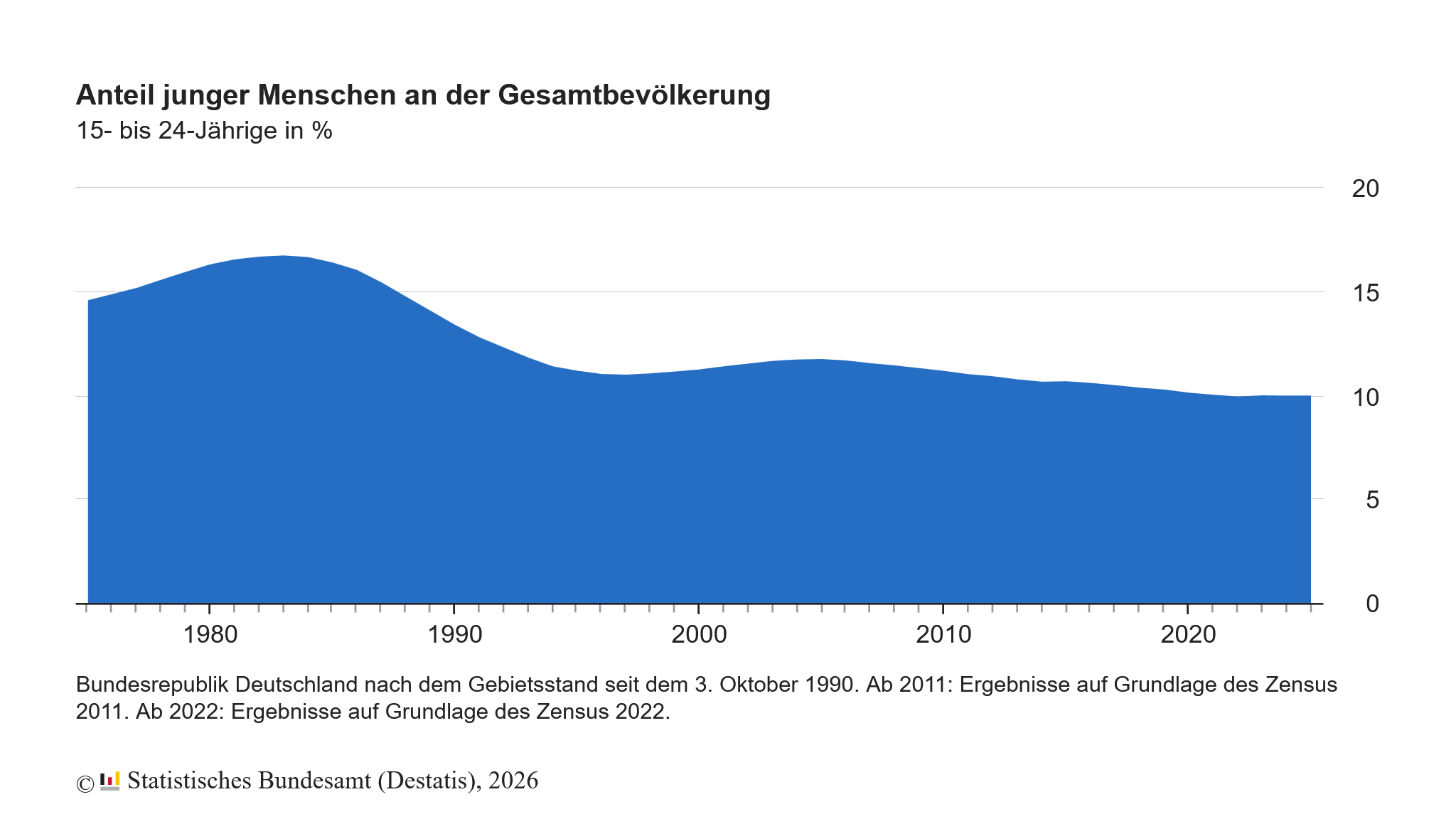
The average age of this group is just under 30, which is significantly below the average age of all founders, which is around 36. Differences are also evident in terms of family background: While 60 percent of those launching spin-offs from academic institutions have or had at least one self-employed parent, this proportion stands at just over 30 percent among other founders.
Innovation Focus and International Markets
A key characteristic of academic spin-offs is their commitment to innovation. For example, 6.2 percent state that they offer—or plan to offer—products or services that are novel on the global market. For technological and process-related innovations, the proportion is 5.9 percent. Among all founders, both figures stand at 3.9 percent each.
There is also a clear difference when it comes to intellectual property protection. About 67 percent of academic spin-off founders intend to file for intellectual property rights within the next two years. Among all founders, this figure is only 27 percent.
Our findings show that spin-offs from universities and research institutions possess particularly high innovation potential. They have a stronger international focus, rely more frequently on artificial intelligence, and pursue ambitious innovation goals
Dr. Natalia Gorynia-Pfeffer, RKW Competence Center
Added to this is a stronger international orientation. About 29 percent of academic spin-off founders have a high export intensity or plan to achieve one. Among all founders, this share is about 17 percent.
There are also differences in personal motivations. While 62 percent of academic spin-off founders want to change the world with their company, only 42 percent of all founders pursue this goal. Continuing a family tradition of entrepreneurship is also cited more frequently among academic spin-offs.
AI, Sustainability, and University Funding as Key Factors
The technological focus is also evident when it comes to artificial intelligence. More than half of academic spin-off founders rate AI as very important for their own business model and corporate strategy over the next three years. Among all founders, this proportion stands at around one-third.
Sustainability also plays a greater role. About 72 percent of academic spin-off founders took measures to reduce their environmental impact in the year prior to the survey. Among the remaining founders, the figure was 42 percent.
The results also underscore the importance of university support services. About 78 percent of academic spin-off founders utilized startup consulting services, compared to about 40 percent of all founders. In addition, about 70 percent cite programs at universities designed to teach entrepreneurial skills as a decisive factor in their decision to start a business or their intention to do so.
To better harness this potential and translate more scientific findings into successful business models, the framework conditions—especially for spin-offs—must be further improved. Key factors here include reducing bureaucratic hurdles, improving access to financing, and providing targeted support for knowledge and technology transfer.
Dr. Natalia Gorynia-Pfeffer, RKW Competence Center
The preliminary results of the Academic Entrepreneurship Monitor 2025/26 highlight the particular importance of universities and research institutions for technology-oriented startup ventures. At the same time, they underscore the role that startup incubators, advisory services, and knowledge transfer play in the commercialization of scientific developments.


Newsletter
Startups, stories and stats from the German startup ecosystem straight to your inbox. Subscribe with 2 clicks. Noice.
LinkedIn ConnectFYI: English edition available
Hello my friend, have you been stranded on the German edition of Startbase? At least your browser tells us, that you do not speak German - so maybe you would like to switch to the English edition instead?
FYI: Deutsche Edition verfügbar
Hallo mein Freund, du befindest dich auf der Englischen Edition der Startbase und laut deinem Browser sprichst du eigentlich auch Deutsch. Magst du die Sprache wechseln?