Aerospacelab Wins 2.4-Billion-Euro Contract for IRIS²

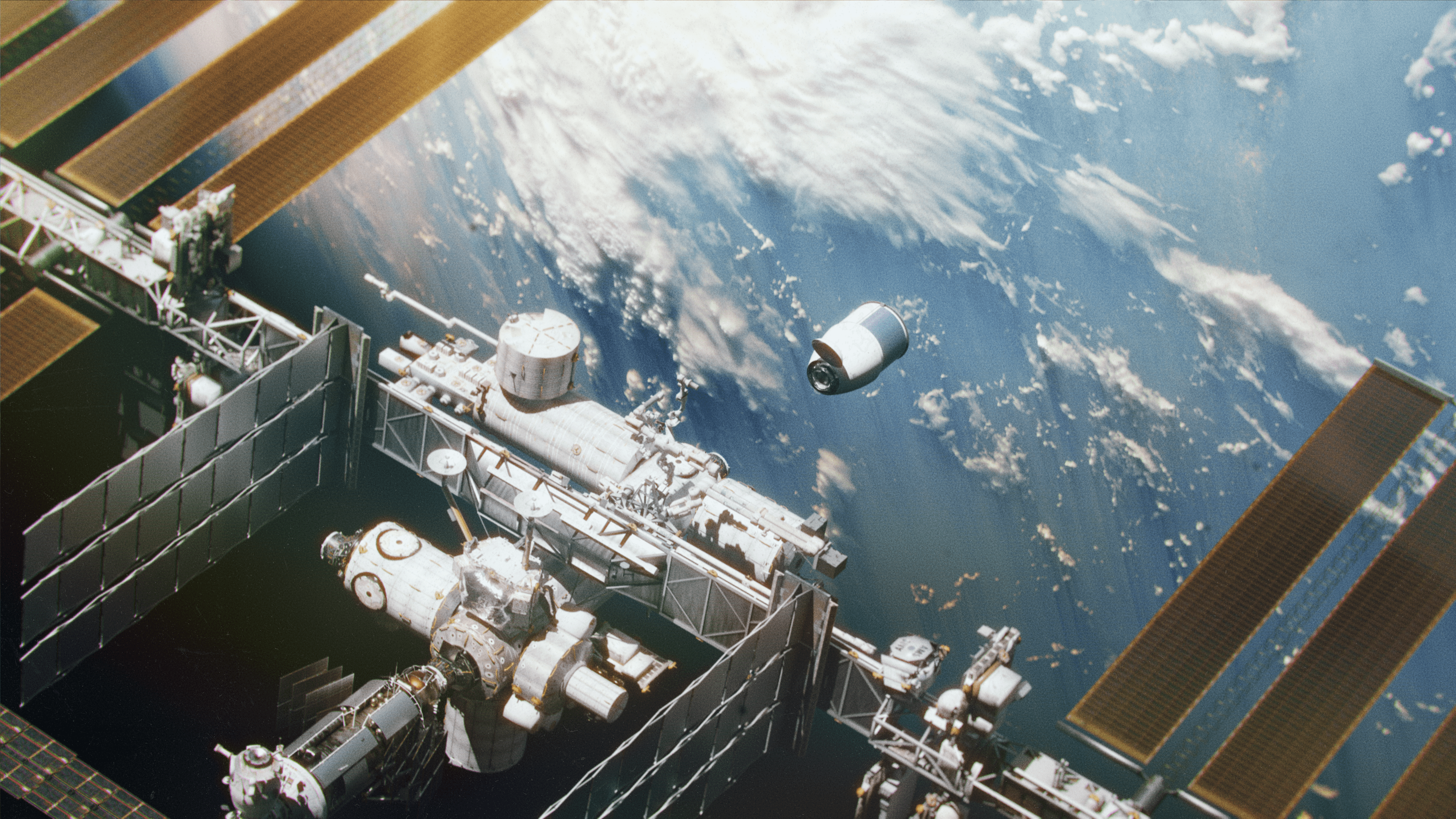
The Belgian satellite manufacturer Aerospacelab has received a contract worth 2.4 billion euros for the European IRIS² satellite program. The space company, founded in 2018, is set to develop, produce, and deliver 264 satellites for the LEO segment of the planned European constellation. A total of 348 satellites are planned for this part of the project. For Aerospacelab, this is the largest contract in the company’s history to date and marks a leap from being a New Space company to becoming a major industrial contractor.
264 Satellites for Europe’s New Constellation
Aerospacelab was selected as one of the prime contractors for the LEO segment of IRIS². The acronym stands for “Infrastructure for Resilience, Interconnectivity, and Security by Satellite.” The contract was preceded by a competitive dialogue with Eutelsat. Within the SpaceRISE consortium—which also includes Hispasat and SES Astra—the company is leading the program’s LEO segment.
Aerospacelab will now handle the development and production of 264 satellite platforms as well as the delivery of the fully integrated satellites. They are scheduled to become part of the European constellation by 2030. This means the company is responsible for a significant portion of the planned infrastructure: Of a total of 348 planned LEO satellites, approximately 76 percent will be provided by Aerospacelab.
IRIS² Aims to Strengthen Europe’s Digital Sovereignty
IRIS² is one of the European Union’s strategic space projects and is intended to enable secure and resilient satellite communications. The infrastructure is aimed, among others, at European governments, institutions, and defense and security agencies. At the same time, the constellation is also intended to enable commercial communication services.
Politically, the primary goal is to reduce dependence on non-European satellite networks for critical communications infrastructure. IRIS² thus joins the ranks of major European projects such as Galileo and Copernicus. While Galileo covers European satellite navigation and Copernicus covers Earth observation, IRIS² is specifically designed to strengthen secure satellite-based connectivity.
Aerospacelab Steps Up to Become a Major Contractor
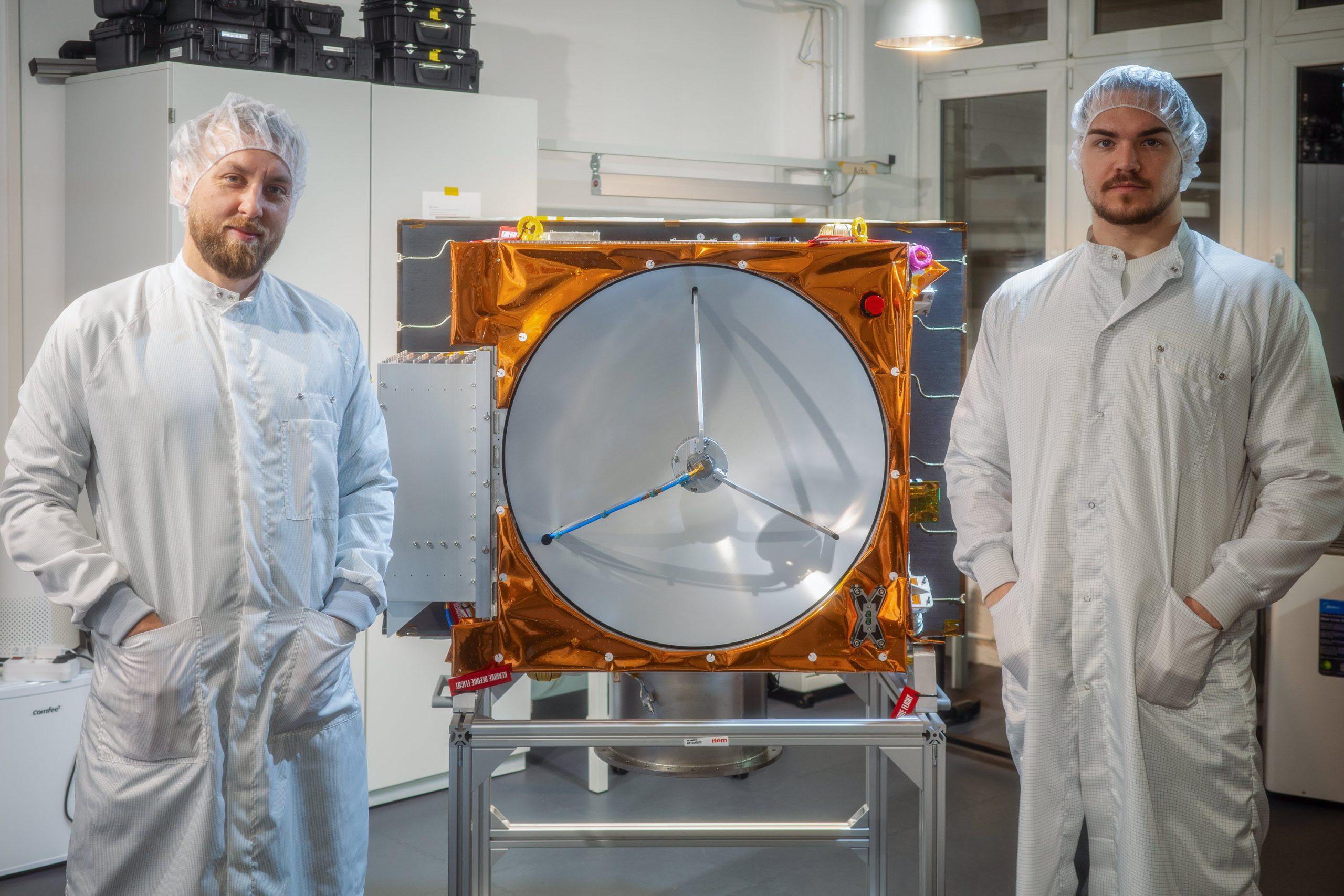
For Aerospacelab, the contract represents a significant leap in scale and industrial responsibility. The company was founded as recently as 2018 and pursues a vertically integrated approach to satellite development and production. Instead of manufacturing satellites largely as individual projects, Aerospacelab relies on standardized platforms and a more industrialized production process. This model is now set to demonstrate its scalability with the IRIS² contract.
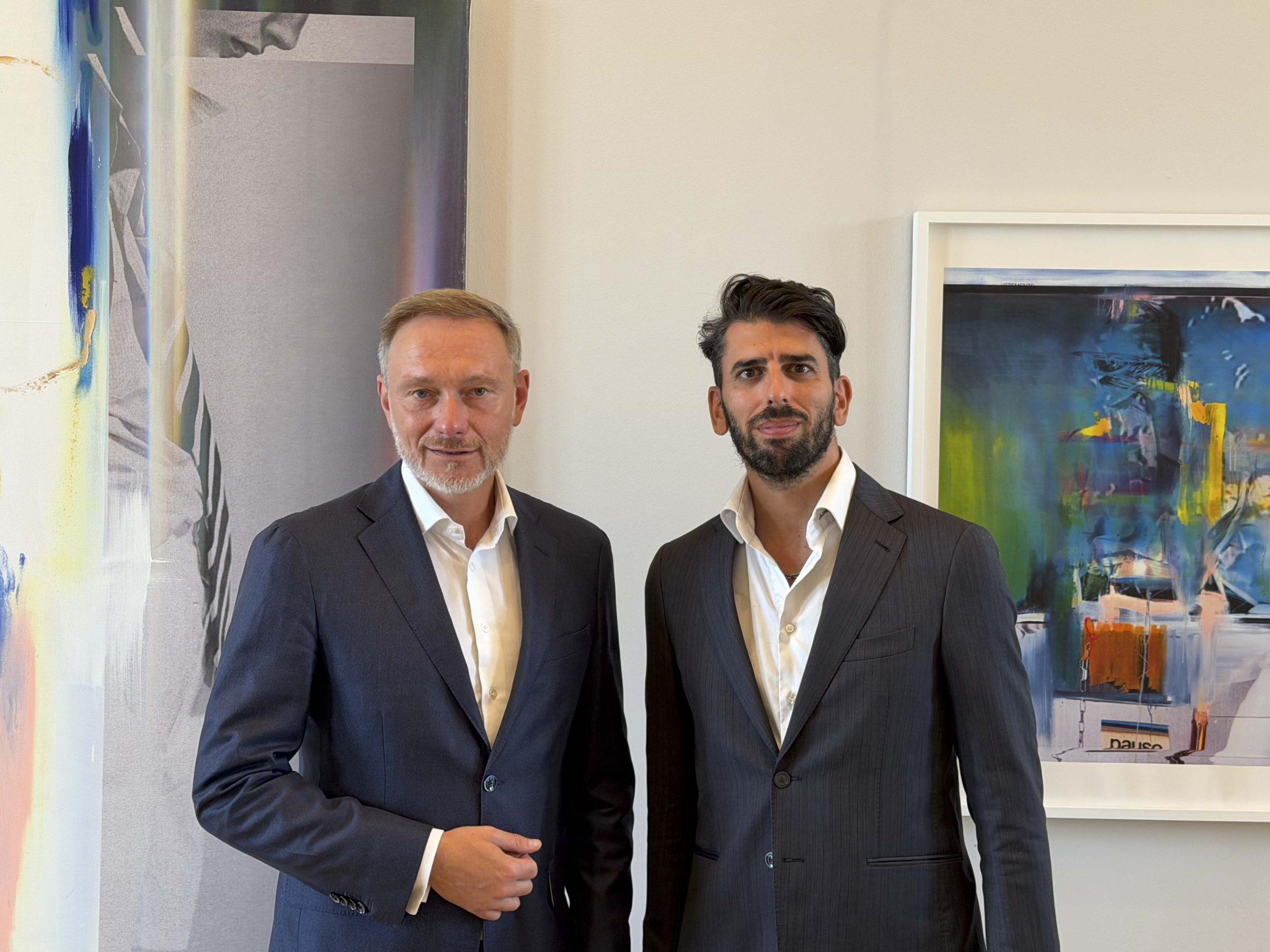
“The selection of Aerospacelab for IRIS² reflects a deliberate industrial decision—a pivotal moment for all of Europe,” says founder and CEO Benoît Deper.
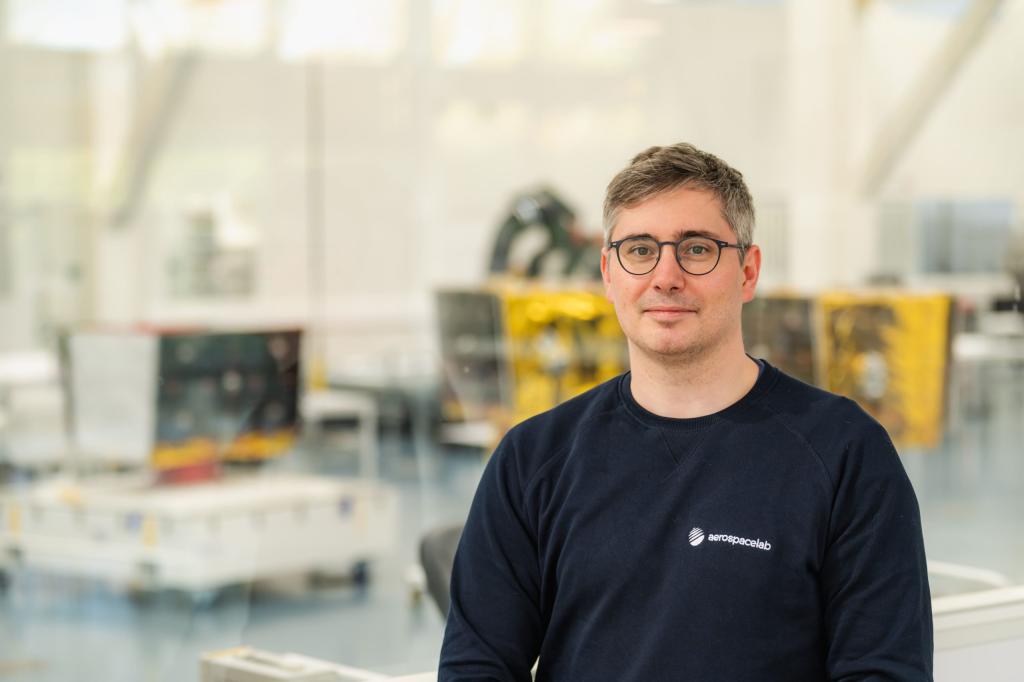
Benoît Deper, Founder and CEO of Aerospacelab
In his view, the award demonstrates that European institutions are increasingly trusting a new generation of space companies to deliver critical infrastructure on a large scale.
New Megafactory to Enable Mass Production
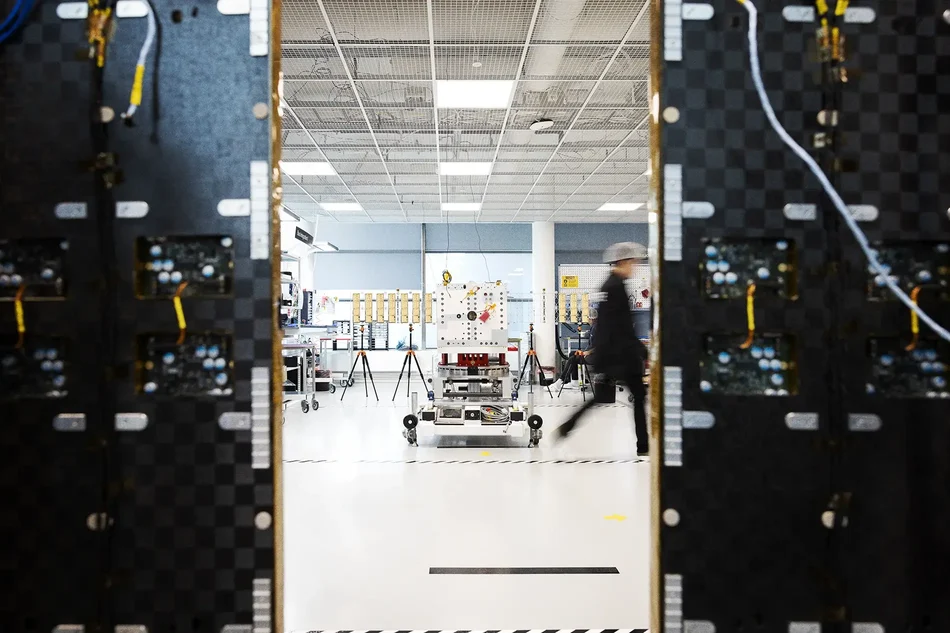
Aerospacelab’s new megafactory plays a central role in fulfilling the contract. The production facility is currently nearing completion and, according to the company, was specifically designed for satellite programs of this scale.
For Aerospacelab, the IRIS² contract thus also serves as a decisive test of its own industrialization approach. Producing and delivering 264 fully integrated satellites within a few years requires a different manufacturing structure than traditional space projects with small production runs.
The scale of the project is also evident in the average contract value: mathematically, 2.4 billion euros for 264 satellites amounts to roughly 9.1 million euros per satellite. However, the actual contract value encompasses more than just hardware production, so direct unit costs cannot be derived from this figure.
From Startup to European Space Prime Contractor
For the company, which is only eight years old, the contract also changes its position within the European space industry. Aerospacelab is increasingly competing not only with other New Space companies but is also taking on tasks traditionally carried out by large, established space conglomerates.
Mathieu Costes, Operating Partner at AV and Chairman of the Board at Aerospacelab, accordingly refers to this as a “decisive milestone” for the company. The contract propels Aerospacelab into a new leadership position as a so-called “New Space Prime.” As a result, IRIS² could also have implications for industrial policy. For several years now, Europe has been striving to build up a new generation of scalable satellite manufacturers alongside established space conglomerates.
2.4 Billion Euros Changes the Scale of Operations
For Aerospacelab, IRIS² is thus far more than just another customer order. A contract value of 2.4 billion euros changes the scale at which the company operates. At the same time, however, the risk also increases. The production and on-time delivery of 264 satellites by 2030 will determine whether the industrial scalability promised by Aerospacelab can indeed be applied to a European infrastructure project of this scale.
If this succeeds, the contract is likely to fundamentally change the company’s position in the international satellite market. Within just over a decade, a New Space company founded in 2018 would become one of the key industrial suppliers for Europe’s sovereign communications infrastructure.

Newsletter
Startups, stories and stats from the German startup ecosystem straight to your inbox. Subscribe with 2 clicks. Noice.
LinkedIn ConnectFYI: English edition available
Hello my friend, have you been stranded on the German edition of Startbase? At least your browser tells us, that you do not speak German - so maybe you would like to switch to the English edition instead?
FYI: Deutsche Edition verfügbar
Hallo mein Freund, du befindest dich auf der Englischen Edition der Startbase und laut deinem Browser sprichst du eigentlich auch Deutsch. Magst du die Sprache wechseln?